The application of plant-derived treatments to alleviate the symptoms and potentially combat the bacterial infection associated with streptococcal pharyngitis represents a growing area of interest. These approaches often leverage the inherent antimicrobial and anti-inflammatory properties found in various botanicals.
Historically, many cultures have utilized natural substances to address throat infections, often predating the advent of modern antibiotics. Contemporary interest stems from a desire for complementary or alternative strategies, particularly in cases of antibiotic resistance or when individuals seek more natural treatment options. Potential benefits include symptom management and immune system support; however, rigorous scientific validation is paramount.
The subsequent sections will explore specific botanical agents frequently considered for soothing discomfort and addressing the underlying bacterial presence in streptococcal infections, while also emphasizing the necessity for informed medical guidance and scientific evaluation.
Guidance on Natural Approaches to Streptococcal Pharyngitis
The following guidance provides information regarding the use of plant-based therapies for managing symptoms associated with streptococcal pharyngitis. This information is not a substitute for professional medical advice; consultation with a healthcare provider is strongly recommended.
Tip 1: Hydration is Paramount: Maintaining adequate fluid intake is essential. Warm liquids, such as herbal teas (e.g., chamomile or ginger, if tolerated), may provide soothing relief from throat discomfort.
Tip 2: Gargle with Saline Solution: Saltwater gargles can help reduce inflammation and cleanse the throat. A solution of one-quarter teaspoon of salt in eight ounces of warm water, gargled several times daily, is generally recommended.
Tip 3: Consider Honey (for Adults and Children Over 1 Year Old): Honey possesses antibacterial properties and can soothe a sore throat. One to two teaspoons of raw, unpasteurized honey may be consumed; however, it is not suitable for infants under one year of age due to the risk of botulism.
Tip 4: Evaluate Herbal Teas with Caution: Certain herbal teas, such as those containing licorice root or slippery elm, are traditionally used for sore throats. However, potential interactions with medications and contraindications should be carefully considered. Consult with a qualified herbalist or healthcare provider before use.
Tip 5: Monitor Temperature and Symptoms: Regular temperature monitoring is crucial. Persistent high fever, difficulty breathing, or significant worsening of symptoms warrant immediate medical attention.
Tip 6: Prioritize Rest: Adequate rest is critical for supporting the body’s immune response and facilitating recovery.
Tip 7: Avoid Irritants: Smoke, pollutants, and other irritants can exacerbate throat discomfort. Maintaining a clean and well-ventilated environment is advisable.
The information presented here serves as a guide for complementary approaches to managing streptococcal pharyngitis symptoms. Professional medical guidance remains essential for accurate diagnosis and appropriate treatment.
The subsequent sections will delve into specific botanical agents and their documented effects, as well as considerations for safe and effective usage.
1. Antimicrobial properties

The presence of antimicrobial properties within a botanical substance is a critical determinant of its potential efficacy in addressing streptococcal pharyngitis. Streptococcus pyogenes, the causative agent of this infection, necessitates direct inhibition or eradication for effective treatment. Herbal remedies proposed for streptococcal pharyngitis must demonstrably impede the growth or viability of this bacterium in vitro and, ideally, in vivo. The absence of verifiable antimicrobial activity renders the botanical intervention largely ineffective in targeting the root cause of the infection.
For instance, garlic ( Allium sativum) has demonstrated in vitro antimicrobial activity against Streptococcus pyogenes due to the presence of allicin and other sulfur-containing compounds. Similarly, Manuka honey, derived from the Manuka tree ( Leptospermum scoparium), exhibits non-peroxide antibacterial activity attributed to methylglyoxal (MGO). These examples highlight the importance of identifying and quantifying the specific antimicrobial constituents within a botanical remedy and correlating those constituents with measurable inhibitory effects on the target pathogen.
Ultimately, the antimicrobial properties of a given botanical represent a fundamental aspect of its potential application in managing streptococcal pharyngitis. While symptom management is valuable, addressing the underlying bacterial infection requires direct antimicrobial action. Therefore, rigorous scientific investigation into the antimicrobial capabilities of any proposed herbal remedy is essential to ensure its rational and effective use.
2. Anti-inflammatory effects

The inflammatory response accompanying streptococcal pharyngitis contributes significantly to patient discomfort. Sore throat, difficulty swallowing, and fever are, in part, manifestations of the body’s innate immune response to the Streptococcus pyogenes infection. Therefore, herbal remedies proposed for streptococcal pharyngitis often incorporate anti-inflammatory properties as a crucial component of their therapeutic action. The reduction of inflammation can alleviate symptoms, thereby improving patient well-being and facilitating the healing process. Without anti-inflammatory effects, a botanical intervention may only address the bacterial presence, neglecting the significant symptom burden experienced by the individual.
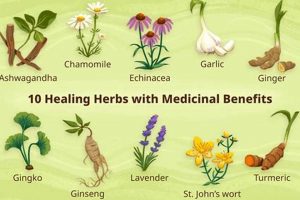
Several botanical agents possess documented anti-inflammatory properties. For instance, chamomile ( Matricaria chamomilla) contains compounds like apigenin that can inhibit the production of pro-inflammatory cytokines. Similarly, ginger ( Zingiber officinale) has been shown to suppress the activity of cyclooxygenase (COX) enzymes, thereby reducing prostaglandin synthesis and subsequent inflammation. The practical application of these findings involves the use of chamomile or ginger teas to soothe throat discomfort and reduce swelling. However, it is crucial to note that anti-inflammatory action does not directly address the underlying bacterial infection, necessitating the concurrent use of antimicrobial agents or conventional antibiotics.
In summary, anti-inflammatory effects are a valuable attribute of herbal remedies considered for streptococcal pharyngitis. By mitigating inflammation, these remedies can alleviate symptoms and improve patient comfort. However, anti-inflammatory action alone is insufficient to eradicate the bacterial infection. A holistic approach integrating antimicrobial and anti-inflammatory strategies, guided by qualified healthcare professionals, is essential for comprehensive management of streptococcal pharyngitis. The challenge lies in identifying botanical agents that possess both potent antimicrobial and anti-inflammatory properties, or in combining multiple remedies to achieve a synergistic effect.
3. Symptom management

In the context of streptococcal pharyngitis, symptom management constitutes a significant aspect of herbal remedy utilization. While eradicating the Streptococcus pyogenes bacteria remains paramount, the alleviation of associated symptomssuch as sore throat, pain upon swallowing, and feverdirectly influences patient comfort and adherence to a treatment regimen. Herbal remedies often target these symptoms to improve the patient’s overall experience, thereby supporting the body’s natural healing processes. For example, demulcent herbs may soothe irritated throat tissues, while antipyretic herbs can help to reduce fever, making the patient more comfortable during the infection’s course.
The use of herbal remedies for symptom management in streptococcal pharyngitis does not replace the need for proper diagnosis and, if warranted, antibiotic treatment. Rather, it acts as a complementary approach. For instance, an individual diagnosed with strep throat and prescribed antibiotics might use herbal lozenges containing slippery elm to ease throat pain, making it easier to eat and drink. Similarly, warm herbal teas, such as chamomile or ginger, can provide soothing relief and help to maintain hydration, further supporting the healing process. The effectiveness of symptom management relies on the correct identification of the symptoms and the appropriate selection of herbal remedies with the corresponding properties. It is important to note that some herbal remedies may interact with conventional medications, necessitating careful consideration and consultation with a healthcare professional.
In conclusion, symptom management is a critical component of care when considering herbal remedies for streptococcal pharyngitis. By targeting specific symptoms, these remedies can improve patient comfort and facilitate the body’s recovery process. However, it is essential to recognize the limitations of symptom management alone and to integrate herbal remedies into a comprehensive treatment plan that includes appropriate medical care. The ideal approach involves a collaborative effort between the patient and healthcare providers to ensure safe and effective symptom relief while addressing the underlying bacterial infection.
4. Immune support
The human immune system plays a crucial role in combating Streptococcus pyogenes, the bacterium responsible for streptococcal pharyngitis. Herbal remedies, when considered within the context of this infection, are often assessed for their potential to bolster immune function, aiding the body’s natural defense mechanisms.
- Enhancement of Natural Killer (NK) Cell Activity
Certain botanical extracts may stimulate the activity of NK cells, a type of cytotoxic lymphocyte critical for eliminating infected cells. Substances present in elderberry ( Sambucus nigra) and echinacea ( Echinacea purpurea) have been investigated for their immunomodulatory effects, potentially leading to more efficient clearance of Streptococcus pyogenes. This enhanced NK cell activity may translate to a reduction in the severity and duration of the infection.
- Modulation of Cytokine Production
Cytokines, signaling molecules that regulate immune responses, are integral to combating infection. Some herbal remedies may modulate cytokine production, promoting a balanced inflammatory response. For example, substances like curcumin, found in turmeric ( Curcuma longa), have demonstrated the ability to influence cytokine release, potentially preventing an overzealous inflammatory reaction that can cause tissue damage. Optimal cytokine modulation supports efficient pathogen clearance without excessive inflammation.
- Support of Phagocytosis
Phagocytosis, the process by which immune cells engulf and destroy pathogens, is a fundamental defense mechanism. Certain herbal constituents may enhance phagocytic activity, improving the body’s ability to clear Streptococcus pyogenes from the throat. Beta-glucans, found in medicinal mushrooms, have been investigated for their capacity to stimulate phagocytosis by macrophages and neutrophils. Enhanced phagocytosis results in more efficient removal of the infectious agent.
- Provision of Antioxidant Support
Oxidative stress, resulting from the immune response to infection, can impair immune cell function. Herbal remedies with antioxidant properties may help mitigate oxidative stress, thereby supporting optimal immune function during streptococcal pharyngitis. Vitamin C, present in various fruits and vegetables, and compounds in green tea ( Camellia sinensis) are examples of antioxidants that can protect immune cells from damage, promoting more effective immune responses.
These multifaceted mechanisms underscore the potential for herbal remedies to support the immune system’s response to streptococcal pharyngitis. While these approaches are promising, it is crucial to emphasize that they should not replace conventional medical treatment in cases where antibiotic therapy is indicated. Rather, immune-supportive herbal interventions may serve as adjunctive strategies to enhance the body’s natural defenses and promote recovery, and as preventative measures.
5. Safety profile

The safety profile of any herbal remedy intended for streptococcal pharyngitis is of paramount importance, given the potential for adverse effects, interactions with conventional medications, and contraindications in specific patient populations. The absence of a well-defined safety profile introduces unacceptable risks, potentially exacerbating the condition or causing unintended harm. A comprehensive evaluation must encompass potential allergic reactions, toxicity levels, and interactions with commonly prescribed medications, particularly antibiotics.
Consider, for instance, the use of certain herbal preparations containing glycyrrhizin, a compound found in licorice root. While licorice is sometimes promoted for soothing sore throats, excessive consumption can lead to pseudoaldosteronism, characterized by hypertension, edema, and hypokalemia. This exemplifies the need for meticulous assessment of both the intended benefits and potential harms. Furthermore, herbal remedies may interact with anticoagulants, antiplatelet drugs, or immunosuppressants, increasing the risk of bleeding or compromising immune function. Thorough research, including clinical trials and post-market surveillance, is essential to establish the safety parameters of any herbal remedy proposed for managing streptococcal pharyngitis.
In conclusion, the safety profile is a non-negotiable component in the evaluation of herbal remedies for streptococcal pharyngitis. A comprehensive understanding of potential adverse effects, drug interactions, and contraindications is crucial for informed decision-making and responsible use. Prioritizing patient safety requires rigorous scientific investigation and adherence to established guidelines for herbal remedy evaluation. Without such measures, the potential benefits of these interventions may be overshadowed by unacceptable risks.
6. Evidence-based research

The application of herbal remedies for streptococcal pharyngitis necessitates rigorous scientific scrutiny. Evidence-based research provides the foundation for determining the efficacy, safety, and appropriate usage of these interventions, distinguishing them from unsubstantiated traditional practices or anecdotal reports.
- Randomized Controlled Trials (RCTs)
RCTs are considered the gold standard for evaluating the effectiveness of medical interventions. In the context of herbal remedies for streptococcal pharyngitis, RCTs involve comparing the outcomes of patients receiving a specific herbal treatment to those receiving a placebo or a conventional treatment (e.g., antibiotics). For instance, a well-designed RCT might assess the impact of a specific herbal extract on symptom duration, bacterial load, and complication rates in patients with confirmed streptococcal infections. Positive findings from multiple RCTs provide robust evidence supporting the use of that particular herbal remedy.
- Meta-Analyses and Systematic Reviews
Meta-analyses and systematic reviews synthesize the findings from multiple studies addressing the same research question. These comprehensive analyses pool data from relevant RCTs to provide a more precise estimate of the treatment effect and to identify potential sources of bias or heterogeneity. A systematic review of herbal remedies for streptococcal pharyngitis would critically evaluate the available evidence, identify gaps in knowledge, and provide recommendations for future research. Such reviews offer clinicians and patients a consolidated and unbiased assessment of the evidence base.
- Pharmacokinetic and Pharmacodynamic Studies
Pharmacokinetic studies examine how the body absorbs, distributes, metabolizes, and excretes a drug or herbal compound. Pharmacodynamic studies investigate the effects of a substance on the body at the cellular and molecular levels. These types of studies are essential for understanding how herbal remedies interact with biological systems and for identifying potential mechanisms of action. For instance, pharmacokinetic studies might determine the bioavailability of active compounds in an herbal extract, while pharmacodynamic studies could elucidate its antimicrobial or anti-inflammatory effects. This information is crucial for optimizing dosing regimens and for predicting potential drug interactions.
- Safety and Toxicity Studies
Before any herbal remedy can be recommended for widespread use, its safety profile must be thoroughly evaluated. Safety and toxicity studies involve assessing the potential for adverse effects, drug interactions, and contraindications in various populations. These studies typically begin with in vitro and animal experiments to identify potential hazards, followed by human clinical trials to monitor for adverse events and assess long-term safety. For instance, a safety study might examine the effects of an herbal extract on liver and kidney function, as well as its potential to interact with commonly prescribed medications. Comprehensive safety data is essential for informed decision-making and responsible use.
The systematic application of evidence-based research principles to herbal remedies for streptococcal pharyngitis is critical for ensuring patient safety and promoting the responsible integration of these interventions into clinical practice. Without such rigorous evaluation, the use of herbal remedies remains largely speculative, potentially exposing patients to unnecessary risks and delaying access to effective treatments.
Frequently Asked Questions
This section addresses common inquiries regarding the use of plant-based therapies in the context of streptococcal pharyngitis, providing evidence-based insights to promote informed decision-making.
Question 1: Can herbal remedies effectively cure strep throat?
While certain herbal remedies possess antimicrobial and anti-inflammatory properties that may alleviate symptoms, they are generally not considered a standalone cure for streptococcal pharyngitis. Antibiotics remain the primary treatment for eradicating the bacterial infection caused by Streptococcus pyogenes.
Question 2: Are herbal remedies safe for treating strep throat in children?
The use of herbal remedies in children necessitates extreme caution. Due to their developing physiology and potential for adverse reactions, it is crucial to consult a qualified healthcare professional before administering any herbal treatment to a child diagnosed with streptococcal pharyngitis. Specific contraindications and appropriate dosages must be carefully considered.
Question 3: Can herbal remedies prevent the spread of strep throat?
Herbal remedies are not proven to prevent the spread of streptococcal pharyngitis. Standard hygiene practices, such as frequent handwashing, avoiding close contact with infected individuals, and refraining from sharing utensils, remain the most effective means of preventing transmission.
Question 4: Are there specific herbal remedies that are more effective than others for strep throat?
The effectiveness of individual herbal remedies for streptococcal pharyngitis varies. Some botanicals, such as garlic and Manuka honey, have demonstrated in vitro antimicrobial activity against Streptococcus pyogenes. However, clinical evidence supporting their efficacy in treating strep throat in humans is limited. Consultation with a qualified healthcare provider or herbalist is advised to determine the most appropriate remedies for individual cases.
Question 5: Are there potential interactions between herbal remedies and antibiotics used to treat strep throat?
Potential interactions between herbal remedies and antibiotics exist and require careful consideration. Some herbal constituents may interfere with the absorption, metabolism, or excretion of antibiotics, potentially reducing their effectiveness or increasing the risk of adverse effects. It is essential to inform a healthcare provider about all herbal remedies being used concurrently with antibiotics to mitigate potential interactions.
Question 6: What are the potential side effects of using herbal remedies for strep throat?
Herbal remedies, like any therapeutic intervention, can cause side effects. These may include allergic reactions, gastrointestinal distress, or interactions with other medications. The specific side effects vary depending on the particular herb and individual factors. Consultation with a healthcare professional or qualified herbalist is recommended to assess potential risks and benefits.
In summary, while herbal remedies may offer symptomatic relief in cases of streptococcal pharyngitis, they should not replace conventional medical treatment, particularly antibiotics. Prioritizing evidence-based decision-making, consulting with healthcare professionals, and considering potential risks and benefits are crucial when evaluating the use of plant-based therapies for this condition.
The subsequent sections will address considerations for integrating herbal remedies into a comprehensive treatment plan, emphasizing the importance of collaborative care and informed patient choices.
Herbal Remedy Strep Throat
The preceding analysis has explored the multifaceted aspects of herbal remedy strep throat, emphasizing the importance of antimicrobial activity, anti-inflammatory effects, symptom management, immune support, and safety profiles. Evidence-based research remains the cornerstone for validating the efficacy and responsible application of plant-derived interventions in addressing streptococcal pharyngitis. While certain botanicals may offer symptomatic relief or support the immune response, they should not be considered a replacement for conventional medical treatment, particularly antibiotic therapy, when indicated.
Continued rigorous scientific investigation is essential to fully elucidate the potential benefits and risks associated with herbal remedies for strep throat. Patients contemplating the use of such interventions must prioritize informed decision-making, engaging in open communication with qualified healthcare professionals to ensure safe and effective management of this infectious condition. The integration of herbal remedies, when appropriate, should complement rather than supersede established medical protocols.