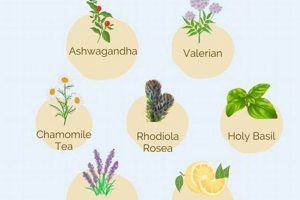
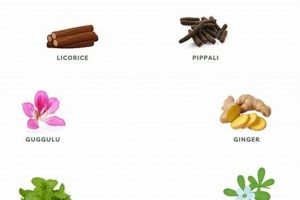
Herbal treatments designed to alleviate anxious behaviors in canines encompass a range of botanical substances traditionally recognized for their calming properties. These natural interventions are often considered by owners seeking alternatives to conventional pharmaceutical options for managing anxiety in their pets. The selection and use of such remedies should be guided by informed decision-making.
The appeal of botanical solutions lies in their perceived gentleness and lower risk of side effects compared to some prescription medications. Throughout history, various cultures have employed plants for their therapeutic effects on both humans and animals, including the management of emotional states. Utilizing these remedies may offer a holistic approach to improving a dog’s overall well-being and quality of life when anxiety is a contributing factor.
Subsequent sections will explore specific herbs commonly used to address canine anxiety, their potential mechanisms of action, considerations regarding safety and efficacy, and the importance of veterinary consultation prior to implementation.
Guidance on Herbal Interventions for Canine Anxiety
The following guidelines provide information regarding the use of botanical treatments for anxiety in dogs. These tips are intended to inform and should not substitute professional veterinary advice.
Tip 1: Conduct Thorough Research: Prior to administering any herbal remedy, investigate the specific herb’s properties, potential side effects, and known interactions with other medications. Reputable sources, such as veterinary herbalists or scientific publications, should be consulted.
Tip 2: Consult a Veterinarian: A comprehensive veterinary examination is crucial to rule out underlying medical conditions that may be contributing to the dog’s anxiety. A veterinarian can also advise on the suitability of herbal remedies in conjunction with any existing treatment plan.
Tip 3: Source High-Quality Products: Select herbal supplements from reputable manufacturers known for their rigorous quality control standards. Look for products that have been tested for purity and potency, and avoid those containing fillers or artificial additives.
Tip 4: Begin with a Low Dosage: When introducing a new herbal remedy, start with the lowest recommended dose and gradually increase it as needed, while closely monitoring the dog for any adverse reactions. Follow the dosage instructions provided by the manufacturer or veterinarian.
Tip 5: Monitor for Side Effects: Be vigilant for signs of adverse reactions, such as vomiting, diarrhea, lethargy, or changes in appetite. Discontinue use immediately and consult a veterinarian if any concerning symptoms arise.
Tip 6: Consider Combining Therapies: Herbal remedies may be more effective when used in conjunction with other anxiety management strategies, such as behavioral modification, environmental enrichment, and positive reinforcement training.
Tip 7: Be Patient: Herbal remedies may take time to produce noticeable effects. Allow several weeks of consistent administration before assessing their effectiveness. Documenting the dog’s behavior before and during treatment can aid in evaluating progress.
Implementing these strategies, while considering possible limitations, offers assistance in managing canine anxiety through herbal remedies. Prior consultation with a veterinary professional is essential for the dog’s health.
The following sections will delve deeper into the efficacy and safety considerations associated with specific herbal treatments, as well as alternative approaches to managing canine anxiety.
1. Safety Profile

The safety profile of canine herbal remedies is a critical consideration when addressing anxiety. The potential for adverse reactions, interactions with other medications, and contraindications related to pre-existing health conditions necessitates a thorough understanding of each herb’s safety parameters. Failure to adequately assess the safety profile can result in unintended harm to the animal, ranging from mild gastrointestinal upset to more severe organ dysfunction or neurological effects.
For example, while chamomile is often regarded as a mild sedative, it may cause allergic reactions in some dogs, particularly those sensitive to plants in the Asteraceae family. Similarly, St. John’s Wort, sometimes used for its antidepressant properties, can interact with certain anesthetics and other pharmaceuticals, potentially leading to serious complications during surgical procedures or ongoing medical treatments. Therefore, comprehensive knowledge of potential risks is not merely advisable but essential for responsible herbal use.
In conclusion, evaluating the safety profile is a non-negotiable component of incorporating herbal remedies into a canine anxiety management plan. Overlooking this aspect undermines the potential benefits of herbal treatments and places the animal at unnecessary risk. The information provided underscores the importance of veterinary guidance and diligent research when considering such alternatives.
2. Veterinary Consultation
Veterinary consultation is a critical element when considering herbal remedies for canine anxiety. Integrating professional veterinary advice ensures responsible and informed decision-making that prioritizes the animal’s health and well-being.
- Accurate Diagnosis
A veterinarian can differentiate anxiety from other medical conditions with similar symptoms. For instance, increased panting might indicate anxiety or a respiratory issue. An accurate diagnosis guides appropriate treatment selection, preventing the use of herbal remedies for conditions that require conventional medical intervention.
- Interaction Assessment
Herbal remedies may interact with existing medications. A veterinarian can assess potential interactions and contraindications. For example, St. John’s Wort can interact with anesthetics, posing risks during surgical procedures. Veterinary guidance prevents adverse reactions and ensures treatment safety.
- Dosage Determination
Appropriate dosage is crucial for effectiveness and safety. Veterinarians can provide dosage recommendations based on the dog’s weight, age, and health status. This individualized approach minimizes the risk of under- or over-dosing, maximizing therapeutic benefits while mitigating potential harm.
- Monitoring and Adjustment
Regular monitoring allows for adjustments to the treatment plan as needed. A veterinarian can assess the dog’s response to herbal remedies and make necessary modifications. This iterative process ensures optimal outcomes and minimizes the risk of adverse effects over time.
Veterinary consultation ensures the safe and effective integration of herbal remedies into a canine anxiety management strategy. By encompassing accurate diagnosis, interaction assessment, dosage determination, and ongoing monitoring, veterinary input safeguards the animal’s health and optimizes the benefits of alternative treatments.
3. Dosage Precision

The accurate administration of herbal remedies to alleviate anxiety in canines relies heavily on dosage precision. Under-dosing may result in therapeutic failure, while over-dosing can lead to adverse effects, potentially exacerbating the animal’s distress. Therefore, precise dosage is not merely a procedural detail but a fundamental requirement for the safe and effective utilization of botanical interventions.
- Weight-Based Calculation
Dosage requirements for herbal remedies often correlate directly with the dog’s body weight. An accurate weight assessment is thus paramount. For example, a remedy recommended at 5mg per kilogram will require a significantly different dose for a Chihuahua versus a Great Dane. Failure to adjust for weight can lead to inefficacy in larger dogs and toxicity in smaller breeds.
- Bioavailability Variability
The bioavailability of active compounds within herbal remedies can vary substantially depending on the form of administration (e.g., capsules, tinctures, chews) and the individual dog’s physiology. A standardized dose in capsule form may be absorbed differently than the same dose administered as a liquid extract. Factors such as digestive health and metabolic rate can influence absorption and thus necessitate careful monitoring and potential dosage adjustments.
- Concentration Discrepancies
Herbal products are not subject to the same stringent regulatory oversight as pharmaceuticals, resulting in potential variations in the concentration of active ingredients. A product labeled as containing 100mg of an herb may, in reality, contain a significantly different amount. Relying solely on label claims without third-party verification increases the risk of inaccurate dosing. Therefore, sourcing products from reputable manufacturers known for rigorous quality control is essential.
- Individual Sensitivity
Dogs, like humans, exhibit individual variations in sensitivity to herbal substances. Some dogs may respond favorably to a standard dose, while others may experience adverse effects even at low doses. This individual variability necessitates a cautious approach, beginning with the lowest recommended dose and gradually increasing it while closely monitoring for any signs of intolerance or adverse reactions. A veterinarian’s guidance is invaluable in navigating these individual sensitivities.
In conclusion, dosage precision is an indispensable component of safely and effectively managing canine anxiety with herbal remedies. Weight-based calculations, bioavailability variability, concentration discrepancies, and individual sensitivity all contribute to the complexity of determining the appropriate dose. Failure to account for these factors can compromise treatment outcomes and jeopardize the animal’s well-being. A collaborative approach involving diligent research, reputable sourcing, and veterinary oversight is crucial for ensuring that herbal remedies are administered with the precision necessary to achieve therapeutic benefits while minimizing potential risks.
4. Source Quality

The efficacy and safety of herbal remedies for canine anxiety are inextricably linked to the quality of their source. The origin, cultivation, processing, and handling of herbs significantly influence their therapeutic properties and potential for adverse effects. Substandard source quality can render a remedy ineffective, contaminated, or even harmful, thereby undermining its intended benefits.
- Cultivation Practices
Herbs cultivated using unsustainable or environmentally damaging practices may accumulate toxins from the soil or surrounding environment. For instance, plants grown in areas with high heavy metal concentrations can absorb these contaminants, which subsequently pose a risk to the animal consuming the final product. Sustainable cultivation practices, such as organic farming, minimize the risk of contamination and preserve the integrity of the plant’s medicinal properties.
- Harvesting and Processing Methods
The timing of harvest and the methods employed for processing can impact the concentration of active compounds in the final product. Improper drying or storage can lead to degradation of these compounds, reducing the remedy’s potency. For example, herbs exposed to excessive heat or humidity during processing may lose their volatile oils, diminishing their therapeutic effects. Gentle and controlled processing methods are essential to preserve the integrity of the plant’s medicinal components.
- Identification and Authentication
Accurate identification of herbal species is crucial to ensure the correct remedy is being used. Adulteration, where one herb is substituted for another, can occur due to misidentification or intentional fraud. For example, a cheaper or less potent herb may be substituted for the intended species, resulting in a product that is ineffective or even harmful. Reputable suppliers employ rigorous quality control measures, including botanical identification and authentication, to verify the authenticity of their herbal products.
- Manufacturing Standards
The manufacturing environment and processes can influence the purity and safety of herbal remedies. Contamination with pathogens, heavy metals, or other adulterants can occur if manufacturing facilities are not adequately sanitized or if proper quality control procedures are not followed. Good Manufacturing Practices (GMP) standards help to ensure that herbal products are manufactured in a consistent and controlled manner, minimizing the risk of contamination and ensuring product quality.
In essence, the source quality of herbal remedies dictates their ultimate suitability for managing canine anxiety. Ethical cultivation, careful processing, accurate identification, and stringent manufacturing standards are indispensable to guarantee that these treatments are both effective and safe for canine use. Prioritizing source quality is thus a foundational element of responsible herbal therapy in veterinary care.
5. Underlying Causes

Herbal interventions for canine anxiety are often most effective when considered within the context of the underlying causes contributing to the anxious behavior. Treating anxiety symptoms with botanicals without addressing the root issues may provide temporary relief but is unlikely to yield long-term resolution. Identifying and mitigating these underlying causes is thus an integral component of a comprehensive canine anxiety management strategy, enhancing the potential benefits of herbal support.
For instance, a dog exhibiting separation anxiety may benefit from calming herbs like chamomile or valerian to reduce immediate distress when left alone. However, unless the separation anxiety itself is addressed through behavioral modification techniques, such as desensitization and counterconditioning, the dog’s reliance on herbal remedies may persist indefinitely. Similarly, anxiety stemming from fear of loud noises, such as thunderstorms, can be partially managed with herbs like lavender or passionflower. Yet, pairing these remedies with exposure to recorded thunderstorm sounds at gradually increasing volumes, coupled with positive reinforcement, can help the dog develop a more adaptive response to the trigger.
In conclusion, while herbal remedies can play a valuable role in mitigating the symptoms of canine anxiety, their effectiveness is maximized when integrated with strategies that target the underlying causes. A comprehensive approach, encompassing behavioral modification, environmental enrichment, and appropriate herbal support, offers the best prospect for long-term improvement in a dog’s emotional well-being. A veterinary behaviorist can assist in determining the underlying cause.
Frequently Asked Questions
The following addresses common inquiries related to the use of herbal remedies for managing anxiety in dogs. The information provided is intended for educational purposes and does not substitute professional veterinary advice.
Question 1: Are herbal remedies a suitable replacement for conventional veterinary treatments for canine anxiety?
Herbal remedies may serve as a complementary approach to managing canine anxiety, but are generally not a direct replacement for conventional veterinary treatments, particularly in cases of severe or medically-underlying anxiety. A comprehensive veterinary assessment is essential to determine the most appropriate course of action.
Question 2: What are the potential risks associated with using herbal remedies for canine anxiety?
Potential risks include adverse reactions, interactions with existing medications, and the possibility of masking underlying medical conditions. Additionally, the quality and potency of herbal products can vary significantly, potentially leading to inconsistent results or harmful contaminants.
Question 3: How long does it typically take for herbal remedies to demonstrate a noticeable effect on canine anxiety?
The onset of noticeable effects can vary depending on the specific herb, the dosage administered, the individual dog’s physiology, and the severity of the anxiety. It may take several weeks of consistent administration before any tangible improvements are observed.
Question 4: How can a pet owner ensure the quality and safety of herbal products intended for treating canine anxiety?
Select products from reputable manufacturers known for rigorous quality control standards, and review testing for purity and potency. Consult a veterinarian or veterinary herbalist for guidance on selecting appropriate products.
Question 5: Can herbal remedies be used in conjunction with behavioral modification techniques to manage canine anxiety?
Herbal remedies can be used in conjunction with behavioral modification techniques and are frequently effective together. Combining pharmaceutical alternatives with behavioral changes improves long-term well-being. A professional veterinary assessment will determine if herbal assistance is an option.
Question 6: Are there specific herbal remedies that are generally considered safer or more effective for managing canine anxiety than others?
Certain herbs, such as chamomile, valerian root, and lavender, are commonly used for their calming properties in dogs. However, the safety and efficacy of any herbal remedy depend on the individual dog, the specific type of anxiety being addressed, and the guidance of a qualified veterinarian or veterinary herbalist. There are many herbal remedies that treat similar effects. Individual cases can vary.
In summary, utilizing herbal remedies for canine anxiety necessitates caution, informed decision-making, and veterinary oversight. While botanical interventions can offer potential benefits, they should not be considered a panacea or a substitute for comprehensive veterinary care.
The subsequent section will address the intersection of diet and canine anxiety, providing practical strategies for optimizing nutritional support.
Dog Herbal Remedies for Anxiety
This discussion has explored various facets of dog herbal remedies for anxiety, emphasizing safety, efficacy, and responsible usage. The importance of veterinary consultation has been underscored, as has the necessity of addressing underlying causes of anxiety rather than solely treating symptoms. Source quality, precise dosage, and potential interactions with other treatments were identified as critical considerations. The provided information is intended to provide an overview for further responsible application of these tools.
The responsible implementation of botanical interventions requires diligent research, informed decision-making, and continuous monitoring, ideally under the guidance of a qualified veterinary professional. The future of canine anxiety management may well involve an integrative approach, combining conventional veterinary medicine with carefully selected and appropriately administered herbal support, always prioritizing the dog’s individual needs and well-being. Such treatment is not to be taken without professional advice.