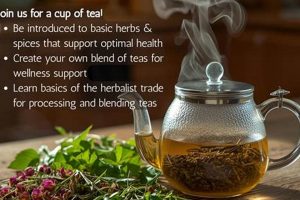
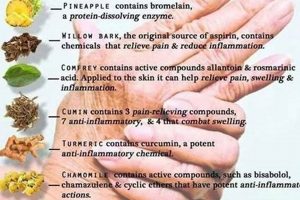
The creation of preparations derived from plants for therapeutic purposes involves a variety of techniques. These methods extract and preserve the beneficial compounds within plant materials, transforming them into usable forms. Examples include infusions where plant material steeps in water, decoctions where plant matter simmers for an extended period, and tinctures where plant compounds are extracted using alcohol as a solvent.
Historically, reliance on botanicals for health and wellness predates modern medicine. Various cultures across the globe developed intricate systems of plant-based healing. The practice offers potential benefits ranging from addressing minor ailments to supporting overall well-being. Furthermore, it represents a connection to natural resources and a tradition of self-sufficiency in healthcare.
The subsequent sections will delve into the specifics of sourcing quality ingredients, understanding different extraction methods, and implementing safety precautions during the preparation process. A focus on responsible and informed utilization will be emphasized.
Tips for Herbal Preparation
The following guidance provides practical advice to ensure the effective and safe creation of plant-based preparations for health support.
Tip 1: Source Quality Botanicals: Procure plant materials from reputable suppliers that adhere to quality control standards. Verify the botanical’s identity and purity to avoid adulteration or misidentification.
Tip 2: Understand Plant Properties: Research the specific properties and potential contraindications of each plant species being utilized. Knowledge of a plant’s chemical constituents informs its appropriate application and dosage.
Tip 3: Employ Accurate Measurement: Use precise measuring tools, such as scales and graduated cylinders, to ensure consistent and reproducible results. Dosage inaccuracies can lead to ineffective or even adverse outcomes.
Tip 4: Utilize Appropriate Extraction Methods: Select the extraction technique best suited to the specific plant material and desired outcome. Oil infusions, for example, are suitable for extracting lipophilic compounds, while water-based infusions are appropriate for water-soluble constituents.
Tip 5: Maintain Cleanliness and Hygiene: Adhere to strict hygiene practices throughout the preparation process. Sterilize equipment and maintain a clean work environment to prevent contamination and ensure product safety.
Tip 6: Properly Store Finished Products: Store prepared herbal remedies in airtight, light-resistant containers in a cool, dry place. Proper storage prolongs shelf life and prevents degradation of active compounds.
Tip 7: Label Preparations Clearly: Affix clear and detailed labels to each preparation, including the botanical ingredients, preparation date, and dosage instructions. Accurate labeling is essential for safe and effective utilization.
Following these guidelines promotes both efficacy and safety in the art of plant-based preparation. Attention to detail, accurate measurement, and a thorough understanding of botanical properties are essential components of responsible practice.
The next stage involves investigating potential risks and safety measures, ensuring a safe approach to the use of herbal preparations.
1. Identification

Accurate plant identification constitutes the foundational principle in the creation of plant-based treatments. Misidentification can lead to the use of ineffective, or even toxic, plant matter, rendering any subsequent preparation potentially harmful.
- Morphological Characteristics
Correct identification relies on careful observation and analysis of a plant’s morphological characteristics. Leaf shape, stem structure, flower arrangement, and root system are key indicators. Consulting detailed botanical keys and field guides becomes essential to avoid ambiguity and ensure accuracy. Examples include distinguishing between comfrey (Symphytum officinale), a beneficial medicinal plant, and foxglove (Digitalis purpurea), which contains potent cardiac glycosides and is highly toxic. Failure to accurately differentiate such plants can have severe health consequences.
- Geographical Location and Habitat
The geographical location and typical habitat of a plant species can offer valuable clues to its identity. Certain species thrive only in specific environments. For example, goldenseal (Hydrastis canadensis) is primarily found in rich, deciduous forests of eastern North America. Attempting to identify goldenseal outside of its native range warrants heightened scrutiny. Knowledge of a plant’s preferred growing conditions can assist in narrowing down possibilities and increasing the confidence of identification.
- Sensory Analysis (with Caution)
Sensory analysis, including scent and taste, can sometimes aid identification, but this approach requires caution. Some plants have characteristic aromas that provide helpful clues. However, tasting unidentified plants is generally discouraged due to potential toxicity. When sensory analysis is employed, it should only be conducted with plants that have been tentatively identified through other means and with the understanding that even small amounts of certain plants can cause adverse reactions. Never ingest a plant if there is any doubt about its identity.
- Use of Expert Consultation
When uncertainty persists regarding plant identification, seeking expert consultation is crucial. Consulting with a trained botanist, herbalist, or mycologist can provide definitive identification and prevent errors. These experts possess the knowledge and experience to differentiate between similar species and to recognize subtle variations that may not be apparent to the untrained eye. Utilizing expert consultation represents a responsible and safe approach to plant identification.
The aspects of plant identification discussed directly relate to the safety and potential efficacy of resulting preparation. Comprehensive understanding, careful observation, and, when needed, seeking expert validation, mitigates harm and promotes responsible utilization of plants for well-being.
2. Quality

The quality of raw materials directly determines the therapeutic potential and safety profile of any plant-based preparation. Substandard botanicals can render a remedy ineffective at best, and harmful at worst. Therefore, sourcing and utilizing high-quality ingredients is paramount in the practice.
- Botanical Source and Cultivation Practices
The origin and cultivation of plants exert a substantial influence on their chemical composition. Plants grown in polluted environments may accumulate heavy metals or other toxins, compromising their suitability for therapeutic use. Organically cultivated botanicals, free from synthetic pesticides and herbicides, generally represent a superior choice. Wildcrafted plants, if ethically harvested from pristine environments, can also offer high quality, but require careful species identification and sustainability considerations.
- Harvesting and Handling Techniques
The timing of harvest and subsequent handling methods affect the concentration of active constituents within plant material. Harvesting at the peak of a plant’s life cycle, when desired compounds are most abundant, maximizes potency. Proper drying and storage techniques, such as low-temperature drying and storage in airtight containers away from light and moisture, prevent degradation of these valuable components. Improperly dried or stored botanicals may become moldy or lose their therapeutic properties.
- Authentication and Adulteration
Ensuring the authenticity of plant materials and preventing adulteration are crucial quality control measures. Botanical identity must be verified through macroscopic and microscopic examination, or chemical analysis. Adulteration, the intentional or unintentional substitution of one plant for another, can pose significant risks. For example, the substitution of senna (Senna alexandrina) for other laxative herbs can lead to unpredictable effects. Rigorous authentication procedures safeguard against such risks.
- Purity and Contaminant Testing
High-quality botanicals are free from contaminants such as heavy metals, pesticides, and microbial pathogens. Testing for these contaminants is an essential aspect of quality assurance. Reputable suppliers typically provide certificates of analysis that document the results of such testing. Selecting suppliers who prioritize purity and contaminant testing minimizes the risk of adverse reactions and ensures the safety of the final product. Utilizing plants that have not been adequately tested exposes end-users to potentially harmful substances.
These facets of quality highlight the importance of informed sourcing, careful handling, and rigorous testing in the creation of plant-based preparations. Attention to these details ensures that the final product retains its therapeutic potential and poses minimal risk to the consumer, furthering the responsible usage of plants. The subsequent considerations about extraction, dosage and storage will further support the discussion of quality.
3. Extraction

The extraction process forms a critical link in plant-based preparations, acting as the bridge between the raw botanical material and the therapeutically active end product. Extraction directly influences both the potency and the range of compounds present in the finished preparation. Selection of the appropriate extraction method directly impacts the degree to which targeted compounds are liberated from the plant matrix and made available for therapeutic action. For example, oil infusions effectively extract lipophilic constituents, such as essential oils and fat-soluble vitamins, while water-based infusions are better suited for hydrophilic compounds, like polysaccharides and some flavonoids. The chosen extraction method is thus a primary determinant of the preparation’s final composition and pharmacological activity.
In practical terms, a poorly executed extraction can negate the benefits of high-quality plant material. Overheating during decoction can degrade heat-sensitive compounds, reducing the overall efficacy of the preparation. Similarly, using an inappropriate solvent may fail to extract the desired constituents, leaving them bound within the plant matter. A water extract of turmeric, for example, will not effectively deliver curcuminoids, the key anti-inflammatory compounds, due to their poor water solubility. This necessitates the use of alcohol or a lipid-based solvent for effective extraction. Understanding the chemical properties of both the plant material and the solvent is essential for optimizing the extraction process and ensuring that the final preparation contains the intended therapeutic compounds.
Effective extraction is not merely a technical step but an integral component of responsible plant-based care. It ensures that the beneficial properties of the plant are harnessed to their full potential, while also minimizing the risk of introducing unwanted or inactive components into the preparation. Careful consideration of extraction methods, solvents, and conditions is therefore fundamental to producing safe and effective herbal remedies.
4. Dosage
Dosage represents a critical parameter in the creation of plant-based preparations. It defines the quantity of the remedy to be administered, directly influencing both the therapeutic effect and the potential for adverse reactions. Inappropriate dosage, whether too high or too low, can compromise the intended benefits, leading to ineffective treatment or, in extreme cases, toxicity.
- Concentration of Active Constituents
The concentration of active compounds in the plant material used to make a remedy significantly impacts dosage. Plants vary in their chemical composition depending on species, growing conditions, and harvesting techniques. A preparation made from a potent cultivar requires a smaller dose compared to one made from a less potent variety. Understanding the variability in active constituents is essential for calculating safe and effective dosages.
- Individual Physiology and Sensitivity
Physiological factors such as age, weight, health status, and individual sensitivity play a crucial role in determining appropriate dosage. Children and the elderly, for example, generally require lower doses than healthy adults due to differences in metabolic rates and organ function. Individuals with pre-existing medical conditions or those taking medications may also exhibit altered sensitivity to plant-based remedies, necessitating dosage adjustments.
- Method of Administration
The method of administration affects the rate and extent of absorption of active compounds, influencing dosage requirements. Oral administration typically results in slower absorption compared to sublingual or topical application. Intravenous administration bypasses the digestive system, delivering compounds directly into the bloodstream and requiring careful dosage control. Dosage adjustments must account for the specific route of administration and its impact on bioavailability.
- Acute Versus Chronic Use
Dosage considerations differ for acute and chronic conditions. Acute conditions often require higher initial doses to achieve rapid symptom relief, followed by tapering to maintenance levels. Chronic conditions typically require lower, sustained doses to manage symptoms over extended periods. Long-term use of certain plant-based remedies may lead to tolerance, necessitating dosage adjustments to maintain therapeutic efficacy.
These facets highlight the complexity of dosage determination in the context of plant-based care. Responsible practice necessitates careful consideration of plant potency, individual physiology, administration method, and intended duration of use. A thorough understanding of these factors is crucial for ensuring the safe and effective use of plant-based preparations.
5. Storage

The preservation of therapeutic properties in plant-based preparations hinges critically on appropriate storage conditions. Environmental factors, notably light, heat, moisture, and oxygen, can induce degradation of active constituents, leading to reduced potency and, in some cases, the formation of harmful byproducts. Proper storage mitigates these effects, prolonging the shelf life and maintaining the safety and efficacy of the remedy. For instance, essential oils, highly volatile compounds, rapidly degrade when exposed to sunlight and air, necessitating storage in dark, airtight containers. Similarly, aqueous extracts are susceptible to microbial contamination, requiring refrigeration or the addition of preservatives to inhibit bacterial growth.
The choice of storage container also influences stability. Glass containers, particularly amber or dark-colored glass, offer superior protection against light-induced degradation compared to plastic. Airtight seals prevent oxidation and the ingress of moisture, minimizing the breakdown of sensitive compounds. Herbal tinctures, typically prepared with alcohol, should be stored in tightly sealed bottles to prevent alcohol evaporation, which can alter the concentration of active constituents and potentially compromise the preparation’s intended effect. Dried herbs should be stored in breathable containers like paper bags or glass jars in a cool, dry location, away from direct sunlight or heat. This prevents moisture accumulation and inhibits mold growth.
In summary, the careful selection of storage methods constitutes an integral step in the process of plant-based remedy creation. It directly impacts the long-term viability and therapeutic value of the preparation. Understanding the specific degradation pathways of active compounds and implementing appropriate storage protocols are crucial for preserving both efficacy and safety. Overlooking this aspect can negate the careful selection of botanicals, appropriate extraction, and accurate dosage, leading to a final product that fails to deliver the intended therapeutic outcome. Therefore, effective storage protocols are of utmost importance in the process.
6. Safety
The creation of plant-based preparations demands meticulous attention to safety protocols, given the inherent risks associated with plant toxicity, adulteration, and improper processing. A robust understanding of these risks and implementation of preventative measures are paramount to ensuring consumer well-being and the responsible utilization of plant resources.
- Botanical Identification Verification
Accurate plant identification represents the cornerstone of safety in plant-based care. Misidentification can result in the substitution of toxic species for therapeutic ones. Employing detailed botanical keys, consulting with experienced botanists, and utilizing DNA barcoding techniques are crucial steps in verifying the identity of plant materials prior to use. Examples include the accidental use of foxglove (Digitalis purpurea) instead of comfrey (Symphytum officinale), leading to potentially fatal cardiac arrhythmias.
- Assessment of Contraindications and Interactions
Thorough assessment of potential contraindications and interactions with conventional medications is essential. Certain plant compounds can exacerbate pre-existing medical conditions or interfere with the efficacy of pharmaceutical drugs. For instance, St. John’s Wort (Hypericum perforatum) can reduce the effectiveness of oral contraceptives and immunosuppressants. Consulting with a qualified healthcare professional is crucial to identify potential risks and ensure safe use, especially for individuals with chronic illnesses or those taking multiple medications.
- Minimization of Contamination Risks
Prevention of microbial contamination, heavy metal accumulation, and pesticide residue is critical for ensuring product safety. Sourcing plant materials from reputable suppliers who adhere to organic cultivation practices and conduct rigorous testing for contaminants minimizes these risks. Proper sanitation during processing, including sterilization of equipment and adherence to good manufacturing practices, further reduces the likelihood of contamination. Ignoring these precautions can lead to the presence of harmful substances in the final product, posing significant health risks.
- Dosage Precision and Monitoring
Accurate dosage determination and careful monitoring for adverse effects are crucial aspects of safe usage. Excessive doses of certain plant compounds can lead to toxicity, while insufficient doses may fail to elicit the desired therapeutic response. Starting with low doses and gradually increasing until the desired effect is achieved, while closely monitoring for any adverse reactions, allows for individualized dosage adjustments. Recognizing the signs and symptoms of plant toxicity and seeking prompt medical attention in case of overdose are essential safety measures.
These safety parameters illustrate the multifaceted nature of responsible plant-based preparation. A commitment to accurate identification, thorough risk assessment, contaminant control, and precise dosage contributes to the creation of remedies that are both efficacious and safe. Neglecting these considerations can transform a potentially beneficial practice into a source of harm, underscoring the necessity of prioritizing safety in all aspects.
Frequently Asked Questions About Making Herbal Remedies
The following section addresses common inquiries and concerns regarding the creation and use of plant-based remedies, providing evidence-based information to promote informed decision-making.
Question 1: Are homemade herbal remedies as effective as commercially produced pharmaceuticals?
The efficacy of homemade plant-based remedies varies depending on several factors, including the quality of ingredients, the accuracy of preparation methods, and the individual’s physiological response. While some plant-derived compounds have demonstrated comparable efficacy to certain pharmaceuticals, consistent standardization and rigorous clinical trials are often lacking for homemade preparations. Consultation with a healthcare professional is advised before substituting commercially produced pharmaceuticals with homemade remedies, particularly for serious medical conditions.
Question 2: Can herbal remedies be safely used during pregnancy and breastfeeding?
Many plants contain compounds that may pose risks during pregnancy and breastfeeding, potentially affecting fetal development or infant health. Certain plants are known abortifacients or can stimulate uterine contractions, while others may be excreted in breast milk, exposing the infant to potentially harmful substances. A healthcare professional must be consulted before using any plant-based remedy during pregnancy or breastfeeding to assess the potential risks and benefits.
Question 3: What are the risks of using wildcrafted plants in herbal remedies?
Wildcrafting, the practice of harvesting plants from their natural environment, carries several risks. Misidentification of species, exposure to environmental contaminants (e.g., heavy metals, pesticides), and unsustainable harvesting practices are major concerns. Accurate plant identification by a trained botanist is crucial to avoid using toxic look-alikes. Harvesting should be conducted responsibly, ensuring the long-term viability of plant populations and minimizing environmental impact.
Question 4: How can one ensure the safety of herbal remedies made at home?
Ensuring the safety of homemade plant-based remedies requires meticulous attention to detail. Accurate plant identification, sourcing of high-quality ingredients, adherence to proper preparation techniques, and careful storage are essential. Thorough research on the potential risks and contraindications of each plant species is crucial. Starting with low doses and monitoring for adverse reactions allows for individualized assessment of tolerance. Consultation with a qualified herbalist or healthcare professional can provide valuable guidance and support.
Question 5: Are there regulations governing the production and sale of homemade herbal remedies?
Regulations governing the production and sale of homemade plant-based remedies vary depending on jurisdiction. In some regions, stringent regulations apply, requiring adherence to good manufacturing practices and labeling requirements. In other areas, regulations may be less stringent or nonexistent. Familiarizing oneself with the local regulations is essential before producing or selling plant-based remedies to ensure compliance and avoid legal liabilities.
Question 6: What are some common mistakes to avoid when making herbal remedies?
Several common mistakes can compromise the safety and efficacy of homemade plant-based preparations. These include inaccurate plant identification, use of contaminated or adulterated ingredients, improper extraction techniques, incorrect dosage calculations, and inadequate storage conditions. Overlooking these critical factors can lead to ineffective treatments or adverse health outcomes. Diligence and attention to detail are paramount for avoiding these common pitfalls.
In summary, the creation and use of plant-based remedies require a thorough understanding of plant properties, safe preparation techniques, and potential risks. Informed decision-making, responsible sourcing, and consultation with healthcare professionals are essential components of a safe and effective approach.
The following section will provide insights into the legal and ethical considerations associated with the making and use of herbal remedies.
Conclusion
The preceding exploration of “making herbal remedies” has illuminated the diverse facets of this practice. From the critical importance of accurate plant identification and sourcing quality ingredients to the necessity of employing safe extraction methods and adhering to proper storage protocols, the process demands meticulous attention to detail. The potential benefits of plant-based care are contingent upon responsible and informed practices.
The information presented underscores the importance of prioritizing safety, seeking expert guidance when needed, and remaining vigilant regarding potential interactions and contraindications. As interest in plant-based approaches to wellness continues to grow, a commitment to evidence-based knowledge and ethical considerations will be essential for ensuring the safe and sustainable utilization of these resources. Ongoing research and education are critical for further refining the practice and maximizing its potential benefits while minimizing risks.