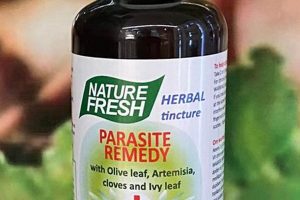
Botanical treatments intended to alleviate tiredness constitute a significant area within complementary and alternative medicine. These interventions utilize various plant-derived substances, encompassing roots, leaves, and extracts, to address the underlying factors contributing to low energy levels. For example, adaptogens are a class of herbs purported to enhance the body’s resistance to stress and mitigate its impact on energy reserves.
The value of plant-based options in combating exhaustion lies in their potential to offer a gentler, more holistic approach compared to conventional pharmaceuticals. Throughout history, many cultures have employed natural sources to enhance vitality and stamina. This long-standing tradition suggests a perceived benefit and warrants further investigation into the efficacy and safety of specific botanical agents. Furthermore, the accessibility and affordability of certain choices make them appealing to a wider demographic seeking to address persistent lethargy.
Understanding the science behind these approaches is crucial. Key considerations include the mechanisms of action, potential interactions with medications, and appropriate dosages. The subsequent sections will delve into specific examples of botanical interventions, exploring their purported benefits and relevant research findings, while also acknowledging potential risks and limitations.
Guidance on Utilizing Botanical Approaches for Addressing Tiredness
The following recommendations aim to provide informed insights into the responsible consideration of plant-based interventions for mitigating low energy levels. The information presented is for educational purposes and does not constitute medical advice. Consult with a qualified healthcare professional before implementing any new treatment regimen.
Tip 1: Prioritize Identification of Underlying Causes. Before initiating any botanical treatment, determine the root cause of the fatigue. Factors such as sleep disorders, iron deficiency, thyroid dysfunction, and psychological distress can contribute to the condition. Addressing these issues is paramount before or alongside herbal interventions.
Tip 2: Focus on Adaptogenic Herbs. Adaptogens, such as Ashwagandha, Rhodiola Rosea, and Ginseng, are often touted for their ability to enhance the body’s resilience to stress and combat exhaustion. Research these herbs thoroughly to understand their specific properties and potential side effects.
Tip 3: Consider Iron-Rich Botanicals. If iron deficiency is suspected, consider incorporating botanicals such as Yellow Dock or Dandelion Greens into the diet, in conjunction with medical advice and monitoring of iron levels.
Tip 4: Ensure Adequate Sleep Hygiene. Botanical interventions alone may not be sufficient if sleep quality is compromised. Implement practices such as maintaining a consistent sleep schedule, creating a relaxing bedtime routine, and optimizing the sleep environment.
Tip 5: Address Nutritional Deficiencies. Fatigue can stem from inadequate intake of essential nutrients. Evaluate dietary habits and consider incorporating nutrient-rich foods or supplementing with vitamins and minerals as needed, guided by healthcare provider recommendations.
Tip 6: Monitor for Interactions with Medications. Certain botanicals can interact with prescription medications, potentially altering their efficacy or increasing the risk of adverse effects. Disclose all herbal supplements being used to healthcare providers to prevent potential complications.
Tip 7: Start with Low Doses and Monitor Response. When introducing a new botanical agent, begin with a low dose and gradually increase it as tolerated, while carefully monitoring for any adverse reactions. Discontinue use if any concerning symptoms arise.
The integration of botanical approaches into a wellness strategy focused on combating tiredness should be approached cautiously and strategically. A collaborative approach involving both conventional medicine and complementary therapies can potentially yield optimal outcomes.
The subsequent stages of a comprehensive evaluation should involve a thorough discussion with qualified medical professionals to ensure the safe and effective integration of these strategies. Responsible implementation is key to harnessing the potential benefits.
1. Adaptogenic Properties

Adaptogenic properties of select botanicals represent a significant mechanism by which herbal remedies are employed to address fatigue. These properties refer to the ability of certain plant substances to enhance the body’s resilience to stressors, thereby indirectly mitigating exhaustion.
- Stress Response Modulation
Adaptogens such as Ashwagandha and Rhodiola Rosea modulate the body’s hypothalamic-pituitary-adrenal (HPA) axis, the primary system governing the stress response. By attenuating excessive cortisol release and supporting a balanced stress response, adaptogens can prevent the energy depletion often associated with chronic stress and its contribution to feelings of tiredness. Individuals experiencing stress-related fatigue may find that adaptogens help to improve their energy levels and overall well-being.
- Improved Energy Production
Some adaptogens may enhance mitochondrial function, the cellular process responsible for energy production. For instance, Panax Ginseng has been shown to improve oxygen utilization and ATP (adenosine triphosphate) synthesis, leading to increased energy levels and reduced fatigue. This is particularly relevant for individuals with fatigue stemming from metabolic dysfunction or chronic illness.
- Neuroprotective Effects
Adaptogens exhibit neuroprotective properties, shielding brain cells from damage caused by oxidative stress and inflammation, factors that can contribute to cognitive fatigue and impaired mental clarity. Bacopa Monnieri, for example, has been demonstrated to improve cognitive function and reduce mental fatigue by protecting neurons from stress-induced damage.
- Immune System Support
Chronic fatigue is often linked to immune system dysregulation. Adaptogens can help to balance immune function, promoting a healthy immune response and reducing the energy expenditure associated with chronic inflammation. Eleuthero, also known as Siberian Ginseng, has been shown to enhance immune cell activity and improve resistance to infections, potentially alleviating fatigue linked to immune dysfunction.
The multifaceted actions of adaptogens, ranging from stress modulation to enhanced energy production and immune support, underscore their potential utility in addressing fatigue through herbal remedies. However, it is crucial to consider the specific properties of each adaptogen and consult with a healthcare professional to determine appropriate use and dosage.
2. Nutrient Availability

The efficacy of botanical treatments for fatigue is intrinsically linked to nutrient bioavailability. Herbal remedies, while possessing inherent therapeutic properties, can be significantly limited if the body lacks the requisite nutrients for optimal physiological function. Fatigue often stems from deficiencies in essential vitamins, minerals, and amino acids, and the effectiveness of any therapeutic intervention, including herbal approaches, is contingent upon addressing these underlying imbalances. For instance, iron deficiency anemia is a well-documented cause of fatigue. While certain herbs may indirectly support iron absorption, their impact is minimal if dietary iron intake is insufficient or absorption is impaired due to other factors such as gut dysbiosis. Therefore, ensuring adequate nutrient availability is a crucial prerequisite for maximizing the potential benefits of botanical agents intended to combat exhaustion.
Specific examples illustrate this principle. Individuals experiencing fatigue due to B vitamin deficiencies may benefit from herbs that support energy metabolism, but the herbs’ effectiveness is directly proportional to the presence of these vitamins. Similarly, adrenal fatigue, often addressed with adaptogenic herbs, requires sufficient vitamin C for proper adrenal hormone synthesis. Without adequate vitamin C, the adrenal glands may not be able to respond optimally to the adaptogenic stimulus. In practice, a comprehensive approach involves assessing nutritional status, addressing deficiencies through dietary modification or supplementation, and then integrating appropriate herbal remedies to further support energy production and overall vitality. Failure to consider nutrient availability can lead to suboptimal outcomes and a misattribution of inefficacy to the herbal remedy itself.
In summary, the connection between nutrient availability and the effectiveness of plant-based treatments for tiredness underscores the importance of a holistic approach. Addressing underlying nutritional deficiencies is not merely adjunctive; it is fundamental to the success of botanical interventions. Challenges remain in accurately assessing individual nutrient needs and ensuring optimal absorption, highlighting the necessity of individualized treatment plans guided by qualified healthcare practitioners. Recognizing this interplay enhances the potential for realizing the therapeutic benefits of natural remedies in combating fatigue.
3. Energy Metabolism

Energy metabolism, the intricate biochemical processes by which the body converts food into usable energy, is fundamentally linked to the manifestation and mitigation of fatigue. Disruptions in these processes can lead to decreased energy production and increased tiredness, making energy metabolism a critical target for interventions, including botanical remedies.
- Mitochondrial Function
Mitochondria, the powerhouses of the cell, play a central role in energy production through oxidative phosphorylation. Impaired mitochondrial function, often resulting from oxidative stress or nutrient deficiencies, reduces ATP (adenosine triphosphate) synthesis, leading to fatigue. Certain herbs, such as Rhodiola Rosea, are believed to enhance mitochondrial activity, thereby improving energy production and combating exhaustion. For example, studies have shown that Rhodiola can increase ATP synthesis and reduce oxidative damage in mitochondria.
- Glycogen Metabolism
Glycogen, the stored form of glucose in the liver and muscles, serves as a readily available energy reserve. Efficient glycogen metabolism is essential for sustaining energy levels during physical activity and periods of fasting. Herbs that support liver function, such as Milk Thistle, may indirectly improve glycogen metabolism by promoting liver health and optimizing glucose regulation. A healthy liver ensures that glucose is properly stored and released, providing a stable energy source.
- Thyroid Hormone Regulation
Thyroid hormones, primarily T3 and T4, regulate metabolic rate and energy expenditure. Hypothyroidism, characterized by insufficient thyroid hormone production, leads to decreased metabolism and pronounced fatigue. Certain botanicals, such as Ashwagandha, may support thyroid function, thereby indirectly enhancing energy metabolism. Clinical trials have indicated that Ashwagandha can improve thyroid hormone levels in individuals with subclinical hypothyroidism, resulting in increased energy and reduced tiredness.
- Adrenal Function and Cortisol Regulation
The adrenal glands produce cortisol, a hormone involved in regulating glucose metabolism and energy mobilization during stress. Chronic stress can lead to adrenal dysfunction, resulting in erratic cortisol levels and energy fluctuations. Adaptogenic herbs, like Holy Basil, can modulate the stress response and support healthy adrenal function, promoting stable energy levels. Holy Basil has been shown to reduce cortisol levels and improve stress resilience, indirectly enhancing energy metabolism and reducing fatigue associated with chronic stress.
The interplay between energy metabolism and botanical interventions highlights the potential for herbal remedies to address fatigue by targeting specific metabolic pathways. By enhancing mitochondrial function, supporting glycogen metabolism, regulating thyroid and adrenal hormones, and mitigating oxidative stress, these botanical approaches offer a multifaceted strategy for improving energy production and alleviating tiredness. However, it is crucial to recognize the complexity of metabolic processes and consult with a healthcare professional to ensure appropriate and individualized treatment.
4. Sleep Regulation

Sleep regulation, the complex orchestration of neurological and hormonal processes that govern the sleep-wake cycle, exerts a profound influence on energy levels and overall vitality. Disrupted sleep patterns and inadequate sleep duration are frequently implicated in the pathogenesis of fatigue, rendering sleep regulation a critical target for therapeutic interventions, including the use of plant-derived agents. Proper sleep is essential for restorative physiological processes, including cellular repair, immune system function, and cognitive consolidation, all of which directly impact perceived energy levels.
- Circadian Rhythm Stabilization
The circadian rhythm, an internal biological clock, dictates the timing of sleep and wakefulness. Disruptions to this rhythm, often caused by shift work, jet lag, or inconsistent sleep schedules, can lead to chronic fatigue. Certain herbs, such as chamomile and valerian root, are believed to possess mild sedative properties that can help stabilize the circadian rhythm, promoting more regular and restful sleep. For example, chamomile tea consumed before bedtime may aid in initiating and maintaining sleep, particularly for individuals with mild sleep disturbances.
- Neurotransmitter Modulation
Neurotransmitters, chemical messengers in the brain, play a crucial role in sleep regulation. Gamma-aminobutyric acid (GABA), an inhibitory neurotransmitter, promotes relaxation and sleep. Herbs such as lemon balm and passionflower are thought to enhance GABA activity, thereby reducing anxiety and promoting sleep. Passionflower, for instance, has been shown to increase GABA levels in the brain, leading to a calming effect and improved sleep quality.
- Stress Hormone Regulation
Elevated levels of stress hormones, such as cortisol, can disrupt sleep patterns and contribute to insomnia. Adaptogenic herbs, including ashwagandha and rhodiola rosea, can help regulate the stress response and lower cortisol levels, thereby promoting better sleep. Ashwagandha, in particular, has demonstrated an ability to reduce cortisol levels and improve sleep quality in individuals experiencing stress-related sleep disturbances.
- Sleep Architecture Optimization
Sleep architecture refers to the cyclical progression through different stages of sleep, including light sleep, deep sleep, and REM (rapid eye movement) sleep. Adequate deep sleep is essential for physical restoration, while REM sleep is crucial for cognitive function. Certain herbs may influence sleep architecture by promoting deeper sleep and increasing REM sleep duration. While research in this area is ongoing, preliminary evidence suggests that some botanical agents may have a positive impact on sleep architecture.
The interconnectedness of sleep regulation and fatigue underscores the importance of addressing sleep disturbances when utilizing botanical approaches to combat tiredness. By stabilizing the circadian rhythm, modulating neurotransmitter activity, regulating stress hormones, and optimizing sleep architecture, herbal remedies can offer a multifaceted strategy for improving sleep quality and alleviating fatigue. However, it is essential to consider the individual’s specific sleep challenges and consult with a healthcare professional to ensure appropriate and individualized treatment.
5. Stress Reduction

Chronic stress is a pervasive factor contributing to fatigue. Physiological responses to prolonged stress, including sustained elevation of cortisol and activation of the sympathetic nervous system, deplete energy reserves and disrupt essential bodily functions. Herbal remedies targeting stress reduction offer a potential avenue for mitigating fatigue by modulating the body’s stress response and promoting a state of equilibrium. The efficacy of such remedies hinges on their ability to influence neuroendocrine pathways and alleviate the physiological burden imposed by chronic stress. For instance, adaptogenic herbs, frequently incorporated into strategies for combating fatigue, are purported to enhance the body’s resistance to stressors, thereby reducing the energy expended in managing chronic stress. This, in turn, can lead to an improvement in perceived energy levels and a reduction in feelings of exhaustion. Individuals experiencing persistent workplace stress, for example, may find that incorporating adaptogens into their regimen helps to improve their coping mechanisms and mitigate stress-related fatigue.
Specific herbal interventions known for their stress-reducing properties include Ashwagandha, Rhodiola Rosea, and Holy Basil. Ashwagandha, a cornerstone of Ayurvedic medicine, has demonstrated an ability to lower cortisol levels and improve sleep quality, both of which are critical for alleviating fatigue. Rhodiola Rosea, an adaptogen traditionally used in Scandinavian countries, is thought to enhance cognitive function and reduce mental fatigue associated with stress. Holy Basil, also known as Tulsi, possesses anxiolytic properties and can help to calm the nervous system, thereby reducing the physical and mental manifestations of stress. The practical application of these remedies involves careful consideration of individual needs and stressors, as well as potential interactions with existing medications. Integrating stress reduction techniques, such as mindfulness and meditation, alongside herbal remedies can amplify their effectiveness in combating fatigue.
In summary, the connection between stress reduction and botanical approaches to alleviating fatigue underscores the importance of addressing the underlying causes of stress when seeking to improve energy levels. While herbal remedies can provide valuable support in modulating the stress response, their efficacy is enhanced when combined with holistic lifestyle modifications that promote relaxation and well-being. Challenges remain in standardizing the dosage and ensuring the quality of herbal products, highlighting the need for rigorous research and informed consumer choices. By integrating stress reduction strategies with appropriate herbal interventions, individuals can potentially experience a significant improvement in their energy levels and overall quality of life, aligning with the broader goal of promoting health and wellness.
Frequently Asked Questions
The subsequent section addresses prevalent inquiries regarding the utilization of plant-derived agents in the management of persistent low energy levels. The information provided is intended for educational purposes and does not constitute medical advice.
Question 1: Are plant-based interventions a substitute for conventional medical evaluation in cases of prolonged fatigue?
Plant-based interventions are not a substitute for conventional medical evaluation. Persistent tiredness may indicate underlying medical conditions requiring diagnosis and treatment by a qualified healthcare professional. Botanical remedies should be considered complementary, not alternative, to standard medical care.
Question 2: Is there scientific validation supporting the efficacy of botanical treatments for tiredness?
While certain botanical agents have demonstrated potential benefits in preclinical and clinical studies, the quality and extent of scientific evidence vary. Further rigorous research is needed to fully elucidate the mechanisms of action and establish definitive efficacy for many botanical remedies used to address fatigue. Consultation with a healthcare professional is advised.
Question 3: What are the potential risks associated with using botanical approaches for tiredness?
Potential risks include allergic reactions, interactions with medications, and adverse effects. Certain botanical agents may not be suitable for individuals with pre-existing medical conditions or those taking specific medications. Dosage and quality control are also important considerations, as the potency and purity of herbal products can vary.
Question 4: How does one ascertain the appropriate dosage of a botanical remedy for tiredness?
Determining the appropriate dosage requires careful consideration of individual factors, including age, weight, health status, and concurrent medications. Consultation with a qualified herbalist or healthcare professional is recommended to establish a safe and effective dosage regimen.
Question 5: Are botanical approaches suitable for all types of fatigue?
The suitability of botanical interventions depends on the underlying cause of the fatigue. Plant-based agents may be more effective for fatigue related to stress, sleep disturbances, or nutritional deficiencies. Fatigue stemming from serious medical conditions may require alternative or additional treatment approaches.
Question 6: How long does it typically take to experience noticeable effects from plant-based treatments for tiredness?
The timeframe for experiencing noticeable effects varies depending on the individual, the botanical remedy used, and the underlying cause of the fatigue. Some individuals may experience improvements within a few weeks, while others may require several months of consistent use. Patience and adherence to a prescribed regimen are essential.
The prudent integration of botanical approaches into a comprehensive strategy for managing tiredness necessitates a thorough understanding of potential benefits, risks, and limitations. Collaboration with qualified healthcare professionals is essential for ensuring safe and effective implementation.
The subsequent section will delve into lifestyle adjustments which complement the holistic approach to fighting fatigue.
Conclusion
This exploration of herbal remedies for fatigue has underscored several crucial considerations. The multifaceted nature of tiredness necessitates a comprehensive approach that addresses underlying causes, nutritional status, sleep hygiene, and stress management. Botanical agents, while holding promise as complementary interventions, should not be viewed as standalone solutions. Responsible utilization requires a discerning understanding of individual needs, potential risks, and interactions with conventional treatments. The variable quality and limited standardization of herbal products further highlight the importance of informed sourcing and professional guidance.
The judicious integration of herbal remedies for fatigue, within a framework of evidence-based medicine and personalized care, may offer a valuable adjunct in the pursuit of improved well-being. Continued research is essential to elucidate the mechanisms of action, validate efficacy, and ensure the safe and effective application of these botanical resources. Further investigation is needed to solidify the evidence and better guide clinical practice.