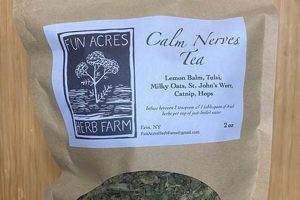
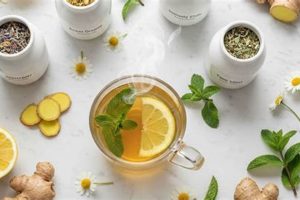
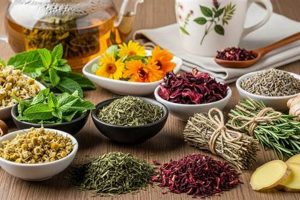
The consumption of infusions made from herbs, during a specific dietary restriction known as the Daniel Fast, is a practice examined for its compatibility and potential benefits. This dietary regimen, often observed for religious or health-related reasons, typically excludes animal products, processed foods, caffeine, and alcohol. Beverages beyond water are scrutinized to ensure adherence to the fast’s guidelines. As an example, a peppermint or chamomile infusion would be considered, while a commercially produced sweetened iced tea would likely be excluded.
The significance of incorporating plant-based infusions during this restrictive period lies in their potential to provide hydration and contribute to overall well-being. Benefits may include aiding digestion, promoting relaxation, and offering subtle flavor variations, which can be especially helpful when many typical dietary staples are restricted. Historically, the use of herbs for medicinal and beverage purposes has been widespread across various cultures, aligning with the emphasis on natural and unprocessed elements within the dietary observation.
Therefore, understanding the permissible parameters and potential advantages of consuming these specific types of beverages becomes crucial. The following sections will address the considerations for selection, potential effects on the body during the fast, and provide guidance on making informed choices regarding their inclusion.
Guidelines for Consuming Herbal Infusions During the Dietary Observance
The following are recommendations to consider when incorporating plant-based infusions into the Daniel Fast, ensuring alignment with the diet’s principles and maximizing potential benefits.
Tip 1: Scrutinize Ingredients Carefully: Examine the ingredient list of all infusions to confirm the absence of added sugars, artificial sweeteners, or processed flavorings. Pure, unadulterated herbal blends are preferable.
Tip 2: Opt for Naturally Caffeine-Free Varieties: Prioritize herbal infusions that are naturally free of caffeine. Many traditional teas, such as black or green tea, contain caffeine and are generally avoided during this fast.
Tip 3: Prepare Infusions Using Filtered Water: Employ filtered water for brewing to eliminate potential contaminants or additives that may compromise the fast’s purity.
Tip 4: Limit or Avoid Fruit-Based Infusions with Added Sugars: While some fruit-based infusions are acceptable, ensure they do not contain added sugars or artificial flavor enhancers. Moderation is advisable due to naturally occurring sugars.
Tip 5: Consider the Timing of Consumption: Be mindful of the timing of consumption, as certain herbal infusions may have diuretic effects or affect sleep. Avoid consuming large quantities close to bedtime.
Tip 6: Explore Single-Ingredient Infusions: Opting for single-ingredient options, such as peppermint, chamomile, or rooibos, minimizes the risk of encountering prohibited additives or ingredients.
Tip 7: Brew Freshly Whenever Possible: Freshly brewed infusions provide the most potent flavor and potential benefits. Avoid pre-packaged or bottled versions, as these may contain preservatives.
By adhering to these guidelines, individuals can enjoy the potential benefits of plant-based infusions while maintaining the integrity of the Daniel Fast. The emphasis on natural ingredients and careful selection helps ensure compliance with the diet’s principles.
The concluding section will summarize the key considerations and offer a final perspective on incorporating this beverage into the dietary plan.
1. Ingredient Purity

Ingredient purity is a cornerstone of the Daniel Fast, directly influencing the appropriateness of plant-based infusions for consumption. The dietary restrictions inherent in the fast necessitate meticulous scrutiny of all ingredients to ensure compliance. The presence of additives, such as artificial sweeteners, processed flavorings, or preservatives, violates the principles of the fast. Therefore, the cause-and-effect relationship is clear: Impure ingredients render an otherwise acceptable beverage unsuitable. For instance, a commercially available “herbal tea” containing added sugar would be rejected, despite its botanical base. The importance of ingredient purity lies in its direct impact on the individual’s commitment to the dietary discipline and perceived spiritual or physical benefits.
Real-life examples illustrate the practical significance of understanding ingredient purity. Consider the scenario of selecting chamomile infusion. A commercially packaged version may contain hidden additives, such as maltodextrin or artificial flavorings, compromising its suitability for the fast. Conversely, a loose-leaf chamomile infusion, prepared with purified water, aligns with the dietary requirements. The practical application of this understanding involves diligent label reading and, ideally, the selection of single-ingredient infusions or those prepared from reputable sources known for their commitment to natural ingredients. Failure to prioritize ingredient purity undermines the intentions and potentially negates the benefits of adhering to the Daniel Fast.
In summary, ingredient purity is non-negotiable when integrating plant-based infusions into the Daniel Fast. Challenges arise from the potential for hidden additives in commercially prepared products, necessitating careful evaluation. The broader theme is maintaining adherence to the dietary principles, and prioritizing ingredient purity is essential for achieving this goal. The integrity of the fast hinges on a commitment to consuming only those items free from prohibited substances, fostering a sense of disciplined observance.
2. Caffeine Absence

Caffeine absence is a critical determinant in the suitability of plant-based infusions during the Daniel Fast. The dietary parameters of the fast typically exclude stimulants, and caffeine, as a central nervous system stimulant, falls under this prohibition. The cause-and-effect relationship is straightforward: Consumption of caffeinated beverages negates the intended physiological and spiritual effects of the fast. The importance of caffeine absence is underscored by the fast’s emphasis on natural, unprocessed elements, contrasting with the stimulatory properties of caffeine-containing substances. A real-life example is the differentiation between traditional tea leaves, such as black or green tea, which contain caffeine, and infusions made from herbs like chamomile or peppermint, which are inherently caffeine-free. Recognizing this distinction is practically significant in selecting permissible beverages.
Further analysis reveals that the practical application of this understanding extends to careful label reading and ingredient verification. Misleading labeling or the inclusion of caffeine-containing additives, such as guarana, can inadvertently introduce stimulants into the diet. Consequently, scrutiny of product composition is essential. The implications are clear: Individuals undertaking the Daniel Fast must actively avoid caffeinated beverages to maintain adherence to the dietary guidelines. This avoidance requires a conscious effort to identify sources of caffeine and replace them with appropriate alternatives. For instance, replacing a morning coffee with a rooibos infusion aligns with both the principles of the fast and the need for a warm, flavorful beverage.
In summary, caffeine absence is a non-negotiable criterion for plant-based infusions during the Daniel Fast. Challenges arise from potential mislabeling or the inclusion of hidden caffeine sources, demanding careful ingredient verification. The broader theme revolves around maintaining the integrity of the fast through informed dietary choices. The absence of caffeine ensures that the physiological and spiritual benefits of the fast are not compromised by the introduction of stimulants. Maintaining vigilance regarding caffeine content is a crucial aspect of the dietary observance.
3. Hydration Source

The role of plant-based infusions as a hydration source within the Daniel Fast is fundamentally important. The dietary restrictions, which limit conventional beverages, necessitate alternative methods for maintaining adequate fluid intake. The cause-and-effect relationship is straightforward: Insufficient hydration can lead to adverse physiological effects, while sufficient fluid intake supports bodily functions. The importance of these infusions as a hydration source lies in their palatability and their potential to encourage greater fluid consumption compared to plain water alone. A real-life example illustrates this point: An individual struggling to meet their daily fluid requirements may find it easier to consume multiple cups of flavorful herbal infusion than an equivalent volume of water. This practical significance highlights the beverage’s contribution to overall health during the fasting period.
Further analysis reveals that the practical application of these infusions as a hydration source extends beyond mere fluid replacement. Certain herbs possess diuretic properties, which can influence fluid balance. Therefore, individuals must be mindful of the specific herbs consumed and their potential effects on urine production. Considerations include the frequency and volume of infusion consumption, alongside awareness of any pre-existing medical conditions that may affect fluid retention. The implications are that the beverage serves as more than just a hydration tool; it can also influence electrolyte balance and kidney function, necessitating a balanced approach. For instance, consuming excessive quantities of dandelion infusion, known for its diuretic effect, may lead to electrolyte imbalances, requiring careful monitoring.
In summary, plant-based infusions play a crucial role as a hydration source within the Daniel Fast, particularly given the restrictions on other beverages. Challenges may arise from the varying diuretic properties of different herbs, demanding mindful selection and moderation. The broader theme is maintaining physiological equilibrium during the dietary observance, and adequate hydration is a central component of this equilibrium. The judicious use of plant-based infusions can effectively contribute to this goal, provided that individuals are aware of the potential effects and adjust their consumption accordingly.
4. Flavor Variety

Flavor variety is a significant consideration when incorporating plant-based infusions into the Daniel Fast, primarily due to the limited range of permitted foods and beverages. The inclusion of diverse flavors can enhance adherence to the fast by preventing dietary monotony, thereby supporting long-term compliance.
- Psychological Impact of Flavor
The psychological effects of flavor should not be underestimated. The Daniel Fast, by its nature, restricts access to familiar and often comforting flavors. Introducing a range of herbal infusions can partially compensate for this restriction. For example, the distinct taste profiles of peppermint, chamomile, and rooibos provide sensory stimulation that can reduce cravings for prohibited items. The consistent availability of diverse flavors contributes to a more positive fasting experience.
- Nutrient Diversity through Infusions
Certain herbal infusions provide trace amounts of vitamins and minerals, thereby supplementing the limited nutrient intake during the Daniel Fast. While not a primary source of nutrition, the subtle contributions from various herbs can support overall well-being. For instance, nettle infusion is known for its mineral content, while rosehip infusion provides Vitamin C. The incorporation of these infusions can contribute to a more balanced dietary intake during the restrictive period.
- Social and Cultural Considerations
Flavor variety can also play a role in social situations. When individuals are fasting, they may feel isolated from communal eating experiences. The availability of different herbal infusions can provide a socially acceptable and palatable beverage option, allowing them to participate more fully in social gatherings. For example, offering a selection of infusions at a shared meal allows the individual to maintain dietary adherence while still engaging in the social aspect of dining.
- Potential for Culinary Exploration
The Daniel Fast can provide an opportunity for culinary exploration within the confines of the permitted foods. Individuals may discover new and appealing flavor combinations through experimentation with different herbal infusions. For example, blending lemon balm with ginger can create a refreshing and stimulating beverage. The exploration of new flavors can transform the experience of the fast from a period of restriction to one of discovery and appreciation for natural flavors.
In conclusion, the incorporation of flavor variety through plant-based infusions can significantly enhance the experience of the Daniel Fast. By addressing psychological needs, contributing to nutrient diversity, facilitating social engagement, and encouraging culinary exploration, these infusions play a valuable role in supporting adherence and overall well-being. These benefits underscore the importance of thoughtfully selecting and incorporating a range of flavors into the dietary regimen.
5. Digestive Support
Digestive support is a significant consideration within the context of the Daniel Fast, and plant-based infusions can play a beneficial role in this area. The dietary alterations inherent in the fast, which typically involve increased fiber intake and the elimination of certain food groups, can influence gastrointestinal function. The cause-and-effect relationship is such that changes in diet can directly impact digestion, leading to either improvements or challenges. The importance of digestive support during this period lies in its contribution to overall comfort, nutrient absorption, and the minimization of potential gastrointestinal distress. A real-life example is the consumption of peppermint infusion to alleviate bloating or chamomile infusion to soothe digestive discomfort, reflecting the practical application of this knowledge.
Further analysis reveals that the digestive support provided by plant-based infusions is multifaceted. Specific herbs possess carminative properties, reducing gas formation and easing abdominal discomfort. Others exert anti-inflammatory effects on the digestive tract, potentially mitigating irritation caused by dietary adjustments. Moreover, the warm liquid itself can stimulate digestive processes and promote peristalsis. The implications are that selecting infusions with known digestive benefits can proactively address potential gastrointestinal challenges associated with the fast. For instance, ginger infusion can aid in reducing nausea, while licorice root infusion may soothe the stomach lining. These practical applications underscore the role of informed selection in optimizing digestive support.
In summary, digestive support is a relevant aspect of the Daniel Fast, and plant-based infusions can offer a natural means of promoting gastrointestinal well-being. Challenges may arise from individual sensitivities to specific herbs, necessitating careful experimentation and moderation. The broader theme is maintaining physiological equilibrium during the dietary observance, and optimizing digestive function is a vital element of this equilibrium. The judicious use of plant-based infusions, selected for their digestive properties, can effectively contribute to this goal, provided that individuals are mindful of their own tolerance and sensitivities.
6. Nutrient Contribution

The nutrient contribution of plant-based infusions within the Daniel Fast framework is a supplementary, albeit not primary, aspect. The dietary restrictions inherent in the fast often limit the intake of essential micronutrients. While these infusions are not a replacement for whole foods, they can contribute trace amounts of vitamins, minerals, and antioxidants, thus potentially mitigating some nutritional deficiencies. The cause-and-effect relationship is subtle: the inclusion of nutrient-rich infusions can provide a marginal but measurable enhancement to overall nutrient status. The importance of this contribution lies in its potential to support physiological functions and maintain well-being during the restrictive period. A real-life example would be the consumption of rosehip infusion, which contains Vitamin C, an antioxidant that supports immune function. This example illustrates the practical significance of selecting infusions based on their specific nutrient profiles.
Further analysis reveals that the practical application of maximizing nutrient contribution involves informed selection and preparation methods. Certain herbs are known to contain higher concentrations of specific nutrients compared to others. For example, nettle infusion is a source of iron, calcium, and potassium, while dandelion infusion provides Vitamin A. The method of preparation also influences nutrient extraction; steeping herbs for longer durations can increase the release of beneficial compounds. However, over-extraction can also lead to the release of undesirable compounds, necessitating a balanced approach. The implications are that individuals can strategically choose infusions to complement the nutrient profile of their overall diet during the fast. For instance, if the diet is low in iron, incorporating nettle infusion may be a beneficial strategy.
In summary, the nutrient contribution of plant-based infusions during the Daniel Fast is a supplementary benefit that should be considered alongside other dietary factors. Challenges arise from the relatively low nutrient density of these infusions compared to whole foods, requiring a balanced perspective. The broader theme is optimizing nutritional intake within the constraints of the fast, and the judicious selection of nutrient-rich infusions can contribute to this goal. While not a substitute for a well-planned diet, these infusions can provide a valuable source of micronutrients and antioxidants, supporting overall health and well-being.
Frequently Asked Questions
The following addresses common inquiries regarding the consumption of plant-based infusions during the dietary observance known as the Daniel Fast. It aims to provide clear and concise answers to ensure adherence to the fast’s principles.
Question 1: Are all types of plant-based infusions permissible during the Daniel Fast?
Not necessarily. Acceptable infusions are those comprised solely of herbs, spices, or certain fruits, provided they contain no added sugars, artificial sweeteners, or caffeine. Ingredient lists must be carefully scrutinized.
Question 2: Does the brewing method affect the suitability of an infusion for the Daniel Fast?
While the brewing method itself does not inherently violate the fast, the water used should be purified to avoid introducing unintended additives. Furthermore, the addition of non-compliant ingredients after brewing is prohibited.
Question 3: Can fruit-flavored infusions be consumed without restriction?
Fruit-flavored infusions are permissible in moderation, provided they contain no added sugars or artificial flavorings. Excessive consumption should be avoided due to the presence of naturally occurring sugars.
Question 4: Is it necessary to select organic herbal infusions?
While not mandatory, opting for organic infusions minimizes the risk of exposure to pesticides and herbicides, aligning with the fast’s emphasis on natural and unprocessed foods.
Question 5: Can herbal infusions be used to mask hunger during the Daniel Fast?
Plant-based infusions can contribute to a feeling of fullness, but their primary purpose is hydration and the provision of subtle flavor. They should not be solely relied upon to suppress hunger, as adequate consumption of permitted solid foods is essential.
Question 6: Are there any herbal infusions that are specifically recommended or discouraged during the Daniel Fast?
Generally, caffeine-free options like chamomile, peppermint, and rooibos are favored. Infusions with potential laxative effects should be consumed with caution. Individuals with specific health conditions should consult with a healthcare professional.
The preceding answers provide guidance for navigating the consumption of plant-based infusions during the Daniel Fast. Adherence to these principles helps ensure alignment with the dietary restrictions and maximizes the potential benefits of the fast.
The following section will provide concluding remarks and summarize the key considerations discussed throughout this discourse.
Conclusion
The preceding exploration of “herbal tea on daniel fast” has elucidated the parameters governing the consumption of these infusions within the constraints of this dietary observance. Key considerations encompass ingredient purity, the absence of caffeine, the potential for hydration, flavor diversity, digestive support, and supplemental nutrient contribution. Each element demands careful scrutiny to ensure adherence to the Daniel Fast’s principles and to maximize potential health benefits.
The informed selection and judicious consumption of plant-based infusions represent a nuanced aspect of the Daniel Fast. Prioritizing natural ingredients, avoiding stimulants, and understanding the physiological effects of various herbs are essential steps. Individuals embarking on this dietary and spiritual journey are encouraged to approach this practice with both discernment and a commitment to the underlying tenets of the fast. Such diligence will best facilitate the intended outcomes of this disciplined approach to nutrition.