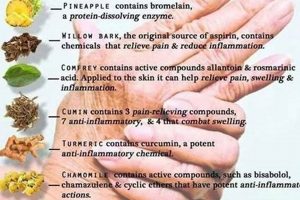
The management of rosacea, a chronic skin condition characterized by facial redness, visible blood vessels, and sometimes small, pus-filled bumps, often involves exploring various therapeutic avenues. One such area of interest centers on the utilization of botanical-based treatments. This approach encompasses the application of plant extracts or formulations designed to mitigate the symptoms associated with this dermatological concern. For example, individuals seeking alternative options may consider preparations containing ingredients derived from chamomile or green tea for their potential anti-inflammatory properties.
The potential advantages of employing plant-derived solutions lie in their perceived natural origin and, in some cases, a long history of traditional use. These preparations are often viewed as gentler alternatives to conventional pharmaceuticals, potentially offering a reduced risk of adverse reactions. Throughout history, diverse cultures have incorporated botanical substances into their dermatological practices, suggesting an enduring interest in their therapeutic value. However, rigorous scientific validation is essential to confirm the efficacy and safety of any treatment approach.
Given the complexities of rosacea and the increasing interest in alternative therapies, subsequent sections will delve into specific botanical substances commonly explored for managing this condition. A discussion of their purported mechanisms of action, available research, and potential risks will provide a comprehensive overview. This exploration aims to offer readers a balanced perspective on the role of plant-based interventions in the holistic management of rosacea.
The following section offers guidance regarding the consideration of botanical-based treatments for managing rosacea. These suggestions are intended to provide a framework for informed decision-making, emphasizing the importance of evidence-based practice and professional medical consultation.
Tip 1: Conduct Thorough Research: Before incorporating any botanical substance into a rosacea management plan, a comprehensive review of available scientific literature is essential. Focus on studies evaluating the specific plant extract’s efficacy and safety in treating rosacea or related conditions.
Tip 2: Prioritize Reputable Sources: Obtain botanical preparations from established and trusted manufacturers. Verify that the products are standardized, ensuring consistent potency and purity. Look for third-party certifications that validate the product’s quality and authenticity.
Tip 3: Begin with a Patch Test: Prior to widespread application, perform a patch test on a small, inconspicuous area of skin. Observe for any adverse reactions, such as redness, itching, or irritation, for at least 24 hours. Discontinue use immediately if any negative effects occur.
Tip 4: Introduce One Botanical at a Time: To effectively identify potential allergens or irritants, introduce only one new botanical ingredient at a time. This approach allows for a clear determination of which substance may be responsible for any adverse reactions.
Tip 5: Monitor for Photosensitivity: Some botanical substances can increase the skin’s sensitivity to sunlight. When using such treatments, diligent sun protection practices, including the use of broad-spectrum sunscreen and protective clothing, are crucial.
Tip 6: Be Aware of Potential Interactions: Research potential interactions between botanical preparations and existing medications, both topical and oral. Consult with a healthcare professional to assess and mitigate any potential risks.
Tip 7: Document Progress and Reactions: Maintain a detailed record of the treatments used, the frequency of application, and any observed changes in rosacea symptoms. This documentation can assist in tracking progress and identifying potential triggers or adverse reactions.
Adhering to these guidelines promotes responsible exploration of plant-derived options, maximizing potential benefits while minimizing potential risks.
The subsequent sections will delve into considerations for long-term rosacea management and the importance of ongoing medical consultation.
1. Inflammation Reduction
Inflammation is a primary characteristic of rosacea, contributing significantly to its visible symptoms such as redness, papules, and pustules. Consequently, the reduction of inflammation represents a core target in the management of this condition. Certain botanical extracts are purported to possess anti-inflammatory properties, potentially offering a means to alleviate rosacea symptoms through topical application. The effectiveness of these preparations hinges on the presence of specific bioactive compounds known to inhibit inflammatory pathways.
Many botanical substances commonly cited in the context of rosacea management, such as chamomile, green tea, and feverfew, contain compounds like flavonoids and polyphenols. These compounds have demonstrated, in in vitro and in vivo studies, the ability to suppress the production of pro-inflammatory cytokines and mediators. For instance, chamomile, containing compounds like bisabolol, is known to reduce inflammation, which is crucial in diminishing skin irritation. The efficacy of botanical anti-inflammatories often depends on factors such as concentration, formulation, and individual skin sensitivity. Improperly formulated or overly concentrated preparations could potentially exacerbate inflammation, thus highlighting the importance of careful product selection and patch testing.
While botanical anti-inflammatories may offer symptomatic relief for rosacea, it is crucial to acknowledge that they typically address the symptoms rather than the underlying cause of the condition. A comprehensive management strategy should involve identifying and avoiding individual triggers, as well as considering conventional pharmaceutical interventions where appropriate. The integration of botanical anti-inflammatories into a rosacea treatment regimen should ideally be done under the guidance of a healthcare professional to ensure safety and effectiveness, and prevent potential adverse reactions or interactions with other medications. Effective symptom control, including inflammation reduction, can improve the quality of life for individuals with rosacea, underscoring the relevance of this approach within a holistic treatment plan.
2. Skin Barrier Support
The integrity of the skin barrier is crucial in managing rosacea. A compromised barrier exacerbates rosacea symptoms by allowing increased transepidermal water loss, irritant penetration, and heightened inflammatory responses. Therefore, supporting and restoring the skin barrier is a vital consideration when exploring botanical interventions.
- Ceramide-Enhancing Botanicals
Ceramides, lipids vital to maintaining the skin’s structural integrity, are often deficient in rosacea-affected skin. Certain botanical extracts are believed to stimulate ceramide production, strengthening the barrier function. For example, extracts containing fatty acids similar to those found naturally in the skin can help replenish lipid content, improve hydration, and reduce sensitivity. Topical application may result in a tangible decrease in skin roughness and an improvement in the overall resilience of the epidermal layer.
- Humectant Properties
Humectants attract moisture to the skin, aiding in hydration and supporting barrier function. Several botanical substances possess humectant properties, drawing water from the atmosphere into the epidermis. Aloe vera, with its high water content and polysaccharide compounds, serves as a classic example. Regular application can help maintain optimal hydration levels, mitigating dryness and irritation that often accompany rosacea. However, its crucial to ascertain that any humectant-containing product is non-comedogenic to prevent pore blockage.
- Anti-Inflammatory Lipids
Certain botanical oils and extracts contain lipids with inherent anti-inflammatory qualities. These lipids can contribute to barrier repair while simultaneously reducing inflammation. Examples include oils rich in omega-3 and omega-6 fatty acids, such as borage seed oil and evening primrose oil. Topical application can assist in calming irritated skin, decreasing redness, and fortifying the skin’s protective layer. These oils are useful in reducing the impact of external irritants, a common issue for those with rosacea.
- Occlusive Agents
Occlusive agents form a protective layer on the skin surface, preventing moisture loss and shielding against environmental aggressors. Some plant-derived waxes and butters, such as shea butter and jojoba oil (technically a wax ester), exhibit occlusive properties. They contribute to barrier support by minimizing water evaporation and creating a buffer against external irritants. Caution must be exercised to ensure that occlusive agents used do not occlude pores excessively, which could inadvertently worsen rosacea through follicular inflammation.
The integration of botanical interventions aimed at bolstering the skin barrier must be approached with careful consideration of individual skin sensitivity and potential allergenic reactions. Patch testing and consultation with a healthcare professional are vital to ensure safety and efficacy. The judicious application of botanical substances can effectively support the skin barrier, complementing other therapeutic strategies in the comprehensive management of rosacea. It’s also important to note that not all botanical ingredients are created equal; some may contain compounds that exacerbate rosacea symptoms. Thus, a thorough understanding of each component’s properties is crucial before including it in a rosacea care routine.
3. Vasoconstriction Potential

Vasoconstriction, the narrowing of blood vessels, represents a potential mechanism through which certain botanical substances may influence the symptoms of rosacea, a condition characterized by facial redness and visible blood vessels. The therapeutic application of vasoconstrictive botanicals aims to reduce cutaneous blood flow, thereby mitigating the visible erythema associated with rosacea.
- Alpha-Adrenergic Agonists
Some botanicals contain compounds that act as alpha-adrenergic agonists, stimulating alpha-adrenergic receptors in the walls of blood vessels. Activation of these receptors leads to vasoconstriction. For example, extracts from certain citrus fruits contain compounds that may exert mild alpha-adrenergic agonist effects. Topically applied formulations containing these compounds theoretically reduce blood flow to the affected area, decreasing facial redness. It is important to note that the vasoconstrictive effects of these compounds are often transient and may not address the underlying inflammatory processes contributing to rosacea.
- Tannins
Tannins are astringent compounds found in various plants, including witch hazel and green tea. These compounds possess vasoconstrictive properties by precipitating proteins and constricting tissues. Topical application of tannin-rich extracts may reduce blood vessel dilation and decrease redness. However, excessive use of tannin-containing products can lead to dryness and irritation, potentially exacerbating rosacea symptoms in some individuals. Careful formulation and controlled application are essential to minimize adverse effects.
- Menthol and Related Compounds
Menthol, a compound derived from peppermint, and related compounds can induce a sensation of coolness and vasoconstriction upon topical application. This effect is mediated through activation of cold receptors in the skin. While menthol can provide temporary relief from the sensation of warmth and flushing associated with rosacea, it is crucial to use it with caution, as high concentrations or prolonged exposure can cause irritation or paradoxical vasodilation. The use of menthol should be carefully monitored, particularly in individuals with sensitive skin.
- Caffeine
Caffeine, present in coffee and tea extracts, exhibits vasoconstrictive properties. Topical application of caffeine-containing formulations may reduce blood flow to the skin, thereby alleviating redness. However, the vasoconstrictive effects of caffeine are generally short-lived, and long-term use may lead to rebound vasodilation. Furthermore, caffeine can be irritating to some individuals, necessitating careful consideration of formulation and concentration. The use of caffeine in rosacea management requires judicious application to avoid potential adverse reactions.
The vasoconstriction potential of botanical remedies for rosacea requires careful evaluation. While certain compounds may offer temporary relief from redness, their effects are often transient, and they do not address the underlying inflammatory mechanisms driving the condition. Furthermore, potential side effects, such as dryness, irritation, and rebound vasodilation, must be considered. The use of vasoconstrictive botanicals should be integrated into a comprehensive rosacea management plan under the guidance of a healthcare professional, ensuring appropriate selection, formulation, and application to maximize benefits and minimize risks.
4. Antimicrobial Properties

The presence of microorganisms, such as Demodex mites and bacteria, can exacerbate rosacea symptoms in certain individuals. Therefore, the antimicrobial properties of some botanical substances are considered a potentially beneficial aspect of their use in managing this condition. The application of botanical antimicrobials aims to reduce the microbial load on the skin, potentially mitigating inflammation and secondary infections.
- Tea Tree Oil and Terpinen-4-ol
Tea tree oil, derived from the Melaleuca alternifolia tree, is recognized for its broad-spectrum antimicrobial activity. The primary active component, terpinen-4-ol, exhibits potent antibacterial, antifungal, and anti-inflammatory effects. Demodex mites, commonly found in facial skin, are implicated in the pathogenesis of rosacea in some patients. Tea tree oil has demonstrated acaricidal activity, potentially reducing Demodex populations. Clinical studies indicate that tea tree oil formulations can alleviate symptoms such as papules and pustules. However, tea tree oil can be irritating, necessitating careful dilution and patch testing before widespread use.
- Honey and Manuka Honey
Honey, particularly Manuka honey derived from the Leptospermum scoparium tree, possesses notable antimicrobial properties. Honey’s high sugar content, low pH, and the presence of hydrogen peroxide contribute to its antibacterial activity. Manuka honey also contains methylglyoxal (MGO), a compound with particularly potent antimicrobial effects. Topical application of honey can inhibit bacterial growth and promote wound healing. In the context of rosacea, honey may help control secondary bacterial infections and reduce inflammation. The osmolarity of honey also helps to draw excess fluid from swollen tissues, aiding in edema reduction.
- Licorice Root Extract and Glycyrrhizin
Licorice root extract, derived from Glycyrrhiza glabra, contains glycyrrhizin, a compound with anti-inflammatory and antimicrobial properties. Glycyrrhizin inhibits the growth of various bacteria and fungi. Additionally, licorice root extract possesses antioxidant and skin-soothing effects. Topical application may help reduce redness, inflammation, and microbial colonization. However, prolonged use of high concentrations of glycyrrhizin can potentially lead to systemic effects; judicious application is recommended.
- Neem Oil and Azadirachtin
Neem oil, extracted from the seeds of the Azadirachta indica tree, contains azadirachtin, an insecticidal and antimicrobial compound. Neem oil exhibits activity against a range of bacteria, fungi, and Demodex mites. It also possesses anti-inflammatory and wound-healing properties. Topical application of neem oil may help reduce microbial populations and alleviate symptoms associated with rosacea. However, neem oil has a strong odor and can be irritating to some individuals. Dilution and patch testing are crucial before widespread use.
The utilization of botanical substances with antimicrobial properties represents a targeted approach to managing microbial involvement in rosacea. While these remedies may offer symptomatic relief and address secondary infections, they should be integrated into a comprehensive management plan that includes addressing underlying inflammatory mechanisms and skin barrier dysfunction. The selection and application of botanical antimicrobials must be carefully considered, taking into account individual skin sensitivity, potential allergenic reactions, and the specific microbial profile of the affected skin. Consultation with a healthcare professional is recommended to ensure safety and efficacy.
5. Individual Sensitivity

Individual sensitivity constitutes a critical factor in the context of botanical interventions for rosacea management. The variable response to plant-derived substances necessitates a cautious and personalized approach to mitigate potential adverse reactions and optimize therapeutic outcomes.
- Allergic Contact Dermatitis
Allergic contact dermatitis, an immune-mediated reaction, represents a significant concern when using botanical remedies. Certain individuals may exhibit hypersensitivity to specific plant constituents, leading to skin inflammation, pruritus, and vesiculation. For instance, chamomile, often promoted for its anti-inflammatory properties, contains sesquiterpene lactones, known allergens. Individuals with ragweed allergies may exhibit cross-reactivity to chamomile, resulting in allergic contact dermatitis upon topical application. The development of allergic contact dermatitis necessitates immediate cessation of the offending botanical and medical intervention to manage the inflammatory response.
- Irritant Contact Dermatitis
Irritant contact dermatitis, a non-immune mediated reaction, can occur due to direct exposure to irritating botanical components. The severity of the reaction depends on factors such as concentration, duration of exposure, and the individual’s skin barrier function. Tea tree oil, recognized for its antimicrobial properties, contains constituents that can disrupt the skin barrier, causing irritation, erythema, and burning sensations, particularly in individuals with sensitive skin. Dilution of tea tree oil and careful patch testing are essential to minimize the risk of irritant contact dermatitis.
- Photosensitivity
Certain botanical substances enhance the skin’s sensitivity to ultraviolet radiation, increasing the risk of sunburn and photodermatitis. Furanocoumarins, found in plants such as citrus fruits and celery, are potent photosensitizers. Topical application of these substances, followed by sun exposure, can induce a phototoxic reaction characterized by erythema, blistering, and hyperpigmentation. Individuals using botanical remedies should exercise diligent sun protection measures to mitigate the risk of photosensitivity reactions.
- Pre-existing Skin Conditions
The presence of pre-existing skin conditions, such as atopic dermatitis or eczema, can alter the skin’s reactivity to botanical substances. Individuals with compromised skin barriers exhibit increased susceptibility to irritant and allergic reactions. The application of botanical remedies to inflamed or damaged skin can exacerbate underlying dermatological conditions, leading to a cycle of inflammation and barrier disruption. Careful assessment of pre-existing skin conditions is essential before initiating botanical interventions.
These facets underscore the importance of individualized assessment and cautious implementation when considering botanical remedies for rosacea. Thorough patch testing, careful product selection, and vigilant monitoring for adverse reactions are crucial to minimize risks and optimize therapeutic outcomes. Consultation with a qualified healthcare professional is advisable to ensure safe and effective integration of botanical substances into a rosacea management plan.
Frequently Asked Questions
The subsequent section addresses common inquiries surrounding the use of botanicals in managing rosacea. The information provided is intended to clarify prevalent misconceptions and offer a balanced perspective on this therapeutic avenue.
Question 1: Are herbal remedies a substitute for conventional medical treatments for rosacea?
No. Plant-derived substances should not be considered a replacement for established medical therapies prescribed by a dermatologist or other qualified healthcare professional. These remedies may serve as adjunctive treatments to complement conventional approaches, but their efficacy and safety profiles require careful evaluation.
Question 2: Are all herbal remedies inherently safe because they are “natural?”
The term “natural” does not equate to safety. Botanical substances contain bioactive compounds that can induce adverse reactions, interact with medications, or exacerbate existing medical conditions. Rigorous testing and standardization are essential to ensure the safety and quality of herbal preparations.
Question 3: Can herbal remedies cure rosacea?
Rosacea is a chronic condition with no known cure. Plant-based interventions may help manage symptoms, such as redness, inflammation, and papules. However, they do not address the underlying causes of the disease and should not be marketed as a curative solution.
Question 4: How can the safety of a particular herbal remedy be assessed prior to use?
Prior to incorporating any new substance into a rosacea care regimen, a patch test on a small, inconspicuous area of skin is recommended. This process involves applying a small amount of the preparation to the skin and monitoring for any adverse reactions, such as redness, itching, or swelling, over a 24-48 hour period.
Question 5: Are there specific herbal ingredients that should be avoided by individuals with rosacea?
Individuals with rosacea often exhibit sensitive skin and may react adversely to certain botanical substances known to be irritants or allergens. Common examples include products containing high concentrations of fragrance, alcohol, or harsh exfoliants. Consultation with a healthcare professional can help identify potentially problematic ingredients.
Question 6: Is there a regulatory oversight for herbal remedies marketed for rosacea?
The regulatory landscape for herbal remedies varies by jurisdiction. In some regions, these products are subject to less stringent regulations compared to pharmaceuticals. Consumers should exercise caution when purchasing herbal preparations and prioritize products from reputable manufacturers that adhere to quality control standards.
In summary, while botanical substances may offer potential benefits in managing rosacea symptoms, a responsible and informed approach is paramount. Seeking guidance from a qualified healthcare professional is essential to ensure the safe and effective integration of these remedies into a comprehensive treatment plan.
The following section will explore the potential synergistic effects of combining botanical and conventional treatments for rosacea.
Conclusion
This exploration of herbal remedy rosacea reveals a complex landscape of potential benefits and inherent risks. The allure of natural solutions often intersects with the desire for gentler treatments for a condition marked by persistent skin sensitivity. While some botanical substances demonstrate promise in mitigating inflammation, supporting the skin barrier, or reducing microbial load, their efficacy and safety require rigorous scrutiny. Individual responses vary significantly, underscoring the need for cautious application, thorough monitoring, and informed decision-making.
The responsible integration of plant-derived approaches into rosacea management necessitates a departure from unsubstantiated claims and a commitment to evidence-based practice. Ongoing research is crucial to elucidate the mechanisms of action, optimize formulations, and establish clear guidelines for the use of botanical remedies. Ultimately, the pursuit of effective rosacea management demands a collaborative partnership between patients, healthcare professionals, and researchers, fostering a balanced perspective that prioritizes patient safety and well-being.