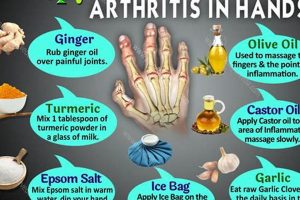
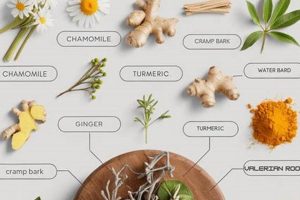
Botanical treatments represent a category of complementary medicine employed to alleviate discomfort associated with joint inflammation. These treatments encompass a diverse array of plants and plant extracts believed to possess anti-inflammatory and analgesic properties. An example of such a treatment is the use of ginger, known for its potential to reduce inflammation, in tea or supplement form.
The utilization of plant-derived substances to manage joint pain has a long history across various cultures. The appeal of these approaches often stems from the perception of being natural and potentially having fewer adverse effects compared to conventional pharmaceuticals. Furthermore, botanical interventions may offer individuals a sense of control over their health management and can be integrated into a holistic approach to well-being.
Subsequent sections will delve into specific plants and their extracts, exploring their proposed mechanisms of action, reviewing available scientific evidence supporting their efficacy, and outlining potential risks and considerations for individuals contemplating their use as part of a comprehensive arthritis management plan. Discussion will also address the importance of consulting with healthcare professionals to ensure safe and effective integration of such therapies.
Guidance on Integrating Botanical Approaches for Joint Discomfort
The following points offer guidance for individuals exploring the use of plant-derived treatments to manage joint-related discomfort. These are presented for informational purposes and should not be considered medical advice. Consultation with a qualified healthcare provider is essential before initiating any new treatment regimen.
Tip 1: Conduct Thorough Research: Before incorporating any plant-based treatment, gather information from reputable sources regarding its purported effects, potential side effects, and interactions with existing medications. Scientific studies and publications can provide valuable insights.
Tip 2: Prioritize Quality and Sourcing: The efficacy and safety of plant-derived treatments can be significantly affected by the quality of the source material. Opt for products from reputable manufacturers that adhere to quality control standards and provide detailed information about their sourcing practices.
Tip 3: Begin with Low Doses: Initiate treatment with a low dose of the selected botanical agent and gradually increase it as tolerated. This approach allows for the assessment of individual sensitivity and minimization of potential adverse reactions.
Tip 4: Monitor for Adverse Reactions: Closely observe for any signs of adverse reactions, such as skin irritation, gastrointestinal upset, or allergic responses. Discontinue use immediately and consult with a healthcare professional if any such reactions occur.
Tip 5: Be Aware of Potential Interactions: Plant-based treatments can interact with conventional medications, potentially altering their efficacy or increasing the risk of side effects. Inform healthcare providers of all supplements and botanical treatments being used to facilitate appropriate medication management.
Tip 6: Maintain Realistic Expectations: While some individuals may experience symptomatic relief from plant-derived treatments, it is important to have realistic expectations. These treatments are often most effective when integrated into a comprehensive arthritis management plan that includes conventional medical care, physical therapy, and lifestyle modifications.
Tip 7: Document Progress: Keep a detailed record of symptoms, treatment dosages, and any observed effects. This information can be valuable for healthcare providers in assessing the effectiveness of the treatment and making necessary adjustments.
Adherence to these guidelines promotes responsible exploration of plant-derived approaches for managing joint discomfort. Consistent communication with healthcare providers remains paramount for ensuring safety and optimizing treatment outcomes.
The subsequent sections will explore specific examples of popular herbal interventions, analyzing their purported benefits and potential risks in greater detail.
1. Botanical Source Identification

Botanical source identification forms the bedrock of safe and effective utilization of plant-derived treatments for arthritis. Precise identification is paramount, ensuring that the intended therapeutic properties are present and that contaminants or adulterants are absent. Without this foundational step, the potential benefits of these treatments are compromised, and the risk of adverse events increases substantially.
- Species Authentication
Accurate identification down to the species level is critical. Different species within the same genus can possess vastly different chemical compositions, leading to variations in efficacy and safety. For example, while several species of Boswellia exist, Boswellia serrata is most commonly associated with anti-inflammatory activity relevant to arthritis management. Using the incorrect species may result in a lack of therapeutic effect or, worse, an adverse reaction.
- Chemotyping and Standardization
Beyond species, variations in growing conditions, harvesting practices, and processing methods can influence the chemical profile of a plant. Chemotyping, the analysis of a plant’s chemical constituents, helps to standardize extracts and ensure consistent levels of active compounds. This is particularly relevant for plants like turmeric (Curcuma longa), where the concentration of curcuminoids, the active anti-inflammatory compounds, can vary significantly.
- Adulteration and Substitution Detection
The market for botanical treatments is susceptible to adulteration, where cheaper or unrelated plants are substituted for the authentic species. This practice not only undermines the intended therapeutic effect but also poses a significant risk to consumers. For instance, in some cases, extracts labeled as Echinacea have been found to contain little or no Echinacea, replaced instead with cheaper plant material or synthetic compounds. Rigorous identification methods, such as DNA barcoding and microscopic analysis, are essential for detecting such adulteration.
- Geographic Origin and Environmental Factors
The geographic origin of a plant can influence its chemical composition and therapeutic properties. Environmental factors such as soil type, climate, and altitude can affect the levels of active constituents. For example, the concentration of secondary metabolites in medicinal plants grown in specific regions may be higher due to stress factors that stimulate their production. Knowing the geographic origin and associated environmental factors contributes to understanding the potential variability in the plant’s efficacy.
The importance of botanical source identification extends beyond simply ensuring the presence of the correct plant. It is a fundamental requirement for quality control, safety, and efficacy in the utilization of plant-derived treatments for arthritic conditions. Robust identification methods and stringent quality control standards are essential to protect consumers and ensure the consistent delivery of therapeutic benefits.
2. Anti-inflammatory mechanisms

The efficacy of botanical treatments for arthritis is fundamentally linked to their capacity to modulate inflammatory processes within the body. Understanding these mechanisms provides critical insight into how plant-derived compounds may alleviate joint pain and associated symptoms.
- Inhibition of Pro-inflammatory Enzymes
Many plant extracts contain compounds that can inhibit the activity of enzymes such as cyclooxygenase (COX) and lipoxygenase (LOX). These enzymes play a crucial role in the synthesis of prostaglandins and leukotrienes, respectively, which are potent mediators of inflammation. For instance, curcumin, found in turmeric (Curcuma longa), has been shown to inhibit COX-2, an enzyme upregulated in inflammatory conditions. Similarly, extracts from ginger (Zingiber officinale) can inhibit LOX, reducing the production of leukotrienes and mitigating inflammatory responses.
- Modulation of Cytokine Production
Cytokines, such as tumor necrosis factor-alpha (TNF-) and interleukin-1 beta (IL-1), are signaling molecules that contribute to the inflammatory cascade in arthritis. Certain botanical treatments have demonstrated the ability to modulate cytokine production, thereby reducing the intensity of inflammation. For example, compounds in Boswellia serrata, known as boswellic acids, can suppress the production of pro-inflammatory cytokines, leading to decreased inflammation and pain. Similarly, extracts from green tea (Camellia sinensis) contain polyphenols that can inhibit the release of pro-inflammatory cytokines.
- Antioxidant Activity and Free Radical Scavenging
Oxidative stress, characterized by an imbalance between the production of free radicals and the body’s antioxidant defenses, contributes to inflammation and joint damage in arthritis. Many plant extracts possess potent antioxidant properties, allowing them to scavenge free radicals and reduce oxidative stress. For example, resveratrol, found in grapes (Vitis vinifera) and certain other plants, is a powerful antioxidant that can neutralize free radicals and protect cells from oxidative damage. Similarly, extracts from rosemary (Rosmarinus officinalis) contain compounds that can scavenge free radicals and reduce inflammation.
- Regulation of Immune Cell Activation
Immune cells, such as T cells and macrophages, play a central role in the pathogenesis of arthritis by contributing to chronic inflammation and tissue damage. Certain botanical treatments can influence the activation and function of these immune cells, thereby modulating the inflammatory response. For example, extracts from devil’s claw (Harpagophytum procumbens) have been shown to suppress the activation of T cells and macrophages, leading to decreased inflammation. Similarly, compounds in stinging nettle (Urtica dioica) can inhibit the release of inflammatory mediators from immune cells.
The anti-inflammatory mechanisms exhibited by various plant-derived compounds underscore their potential as adjunct therapies for arthritis. By targeting key pathways involved in the inflammatory cascade, these treatments may offer symptomatic relief and contribute to the overall management of the condition. However, it is crucial to acknowledge that the efficacy and safety of these treatments can vary, and further research is needed to fully elucidate their mechanisms of action and optimize their clinical application.
3. Analgesic Properties Assessment

Evaluation of pain-relieving capabilities constitutes a critical aspect in determining the suitability of botanical treatments for arthritis. Rigorous assessment methodologies are essential to substantiate anecdotal evidence and guide informed clinical application.
- Pain Scale Utilization
Pain scales, such as the Visual Analog Scale (VAS) or the Numerical Rating Scale (NRS), provide a standardized means of quantifying pain intensity. In studies evaluating plant-derived analgesics, these scales enable objective measurement of pain reduction following treatment. For example, a trial assessing a Boswellia serrata extract might employ the VAS to compare pre- and post-treatment pain levels in participants with osteoarthritis.
- Clinical Trial Designs
Randomized, placebo-controlled clinical trials are the gold standard for evaluating the efficacy of any analgesic intervention, including botanical treatments. These trials involve randomly assigning participants to either a treatment group receiving the herbal remedy or a control group receiving a placebo. Blinding procedures are implemented to minimize bias. A well-designed trial assessing turmeric’s analgesic properties for rheumatoid arthritis would compare pain scores and inflammation markers between the turmeric and placebo groups.
- Mechanism of Action Investigation
Understanding the mechanisms by which botanical treatments exert analgesic effects is crucial for validating their use and identifying potential drug interactions. This involves investigating the impact of plant-derived compounds on pain pathways, inflammatory mediators, and nerve function. For example, studies might explore how ginger’s active components inhibit cyclooxygenase enzymes, thereby reducing prostaglandin synthesis and alleviating pain.
- Assessment of Functional Outcomes
Beyond pain reduction, it is important to evaluate the impact of botanical analgesics on functional outcomes, such as joint mobility, range of motion, and activities of daily living. These assessments provide a more comprehensive understanding of the treatment’s benefits. For example, a trial evaluating devil’s claw for back pain might assess participants’ ability to perform tasks such as bending, lifting, and walking.
The integration of these assessment strategies provides a robust framework for evaluating the analgesic potential of botanical treatments for arthritis. Consistent and rigorous application of these methodologies is vital for establishing evidence-based recommendations and ensuring patient safety.
4. Dosage standardization crucial

Dosage standardization represents a critical determinant of the safety and efficacy profiles associated with plant-derived treatments for arthritic conditions. Variability in botanical composition necessitates precise dosing to ensure consistent therapeutic outcomes and minimize the risk of adverse events.
- Active Constituent Concentration
The concentration of active compounds within a botanical extract can vary significantly due to factors such as plant genetics, growing conditions, and extraction methods. Dosage standardization aims to quantify and ensure a consistent level of these active constituents. For example, if a turmeric extract is standardized to contain 95% curcuminoids, a specific dose can be prescribed to deliver a consistent amount of the active anti-inflammatory compounds. Without standardization, the therapeutic effect may be unpredictable or insufficient.
- Bioavailability Considerations
The bioavailability of active compounds refers to the extent to which they are absorbed and utilized by the body. Standardized dosages must account for bioavailability to ensure that a sufficient amount of the active compound reaches the target site. For example, curcumin has low bioavailability, and standardized formulations often include agents such as piperine to enhance absorption. Failing to consider bioavailability could lead to an underestimation of the required dose.
- Patient-Specific Factors
Individual factors such as age, weight, liver and kidney function, and concurrent medications can influence the optimal dosage of botanical treatments. Standardized dosages should be adjusted based on these factors to minimize the risk of adverse effects and maximize therapeutic benefit. For example, individuals with impaired liver function may require lower doses of certain botanical extracts to avoid toxicity. A fixed, non-standardized dose could lead to adverse outcomes in vulnerable patient populations.
- Regulatory Oversight and Quality Control
Robust regulatory oversight and stringent quality control measures are essential to ensure the accuracy and consistency of dosage standardization in botanical treatments. Reputable manufacturers adhere to established standards, such as those set by pharmacopeias and regulatory agencies, to verify the identity, purity, and potency of their products. Lack of regulatory oversight can result in products with inaccurate dosage information, posing a significant risk to consumers seeking plant-derived arthritis management.
The facets highlighted underscore the necessity of dosage standardization in plant-derived interventions for arthritis. Consistent application of quality control measures, integration of bioavailability considerations, and consideration of patient-specific factors ensures that botanical treatments deliver reliable therapeutic effects. These dosage requirements are paramount, minimizing adverse health outcomes.
5. Potential side effects

The employment of botanical treatments for arthritic conditions carries the inherent possibility of adverse reactions. A comprehensive understanding of these potential side effects is essential for informed decision-making and responsible usage.
- Gastrointestinal Disturbances
A common category of adverse effects associated with botanical remedies involves the gastrointestinal system. Symptoms may encompass nausea, vomiting, diarrhea, or abdominal cramping. These disturbances can arise from the inherent irritant properties of certain plant compounds or from alterations in gut microbiota. For instance, high doses of turmeric (Curcuma longa) have been reported to cause digestive upset in some individuals. The likelihood of such effects often increases with elevated dosages or pre-existing gastrointestinal sensitivities.
- Allergic Reactions
Hypersensitivity responses represent a significant concern with botanical treatments. Allergic reactions can manifest as skin rashes, itching, hives, or, in severe instances, anaphylaxis. Individuals with known allergies to specific plant families are at heightened risk. For example, those with ragweed allergies may exhibit cross-reactivity to chamomile (Matricaria chamomilla). It is crucial to ascertain the source and composition of the botanical product to minimize exposure to potential allergens.
- Drug Interactions
Botanical remedies can interact with concurrently administered pharmaceutical agents, potentially altering their efficacy or increasing the risk of adverse events. These interactions may occur through various mechanisms, including modulation of drug-metabolizing enzymes or effects on drug transport proteins. For example, St. John’s Wort (Hypericum perforatum) is known to induce cytochrome P450 enzymes, which can reduce the effectiveness of certain medications. Vigilant monitoring and communication with healthcare professionals are paramount to mitigate drug interaction risks.
- Hepatic and Renal Toxicity
Prolonged or excessive use of certain botanical treatments may pose a risk to liver and kidney function. Specific plant compounds can exert toxic effects on these organs, leading to elevated liver enzymes or impaired renal clearance. For instance, certain pyrrolizidine alkaloids found in comfrey (Symphytum officinale) have been associated with liver damage. Periodic monitoring of liver and kidney function is advisable for individuals using botanical remedies long-term.
The array of possible adverse effects underscores the importance of cautious consideration and professional guidance when exploring botanical approaches for managing arthritis. While many plant-derived treatments are generally well-tolerated, an awareness of these potential risks ensures that botanical interventions are integrated into a comprehensive arthritis treatment plan.
6. Drug interaction risks

The concurrent use of botanical interventions and conventional pharmaceuticals in arthritis management presents a notable risk of drug interactions. The complexity of these interactions stems from the diverse chemical constituents found in plant-derived treatments and their potential to modulate drug metabolism, absorption, distribution, and excretion. These interactions may inadvertently alter the therapeutic efficacy of conventional medications or exacerbate their adverse effects, thereby compromising patient safety. For example, concomitant use of warfarin, an anticoagulant, with herbal supplements like ginkgo biloba or garlic, both known for their antiplatelet properties, can significantly increase the risk of bleeding complications. This underscores the potential for additive effects that can have serious clinical consequences. Similarly, St. John’s Wort, sometimes used for mood disorders that may co-exist with chronic pain from arthritis, induces cytochrome P450 enzymes. This induction can accelerate the metabolism of various arthritis medications, such as certain immunosuppressants, rendering them less effective. These examples underscore that understanding potential interactions is crucial for safe and effective arthritis management.
Further complicating the issue is the fact that many individuals may not disclose their use of botanical treatments to their healthcare providers, hindering comprehensive risk assessment. The lack of standardized quality control in the production of herbal remedies adds another layer of complexity, as the concentration of active ingredients can vary considerably between different products. This inconsistency makes it challenging to predict the magnitude of potential drug interactions. Comprehensive medication reconciliation, encompassing both prescription and over-the-counter medications, as well as herbal supplements, is therefore essential. Healthcare professionals should actively inquire about the use of botanical treatments and consult reputable drug interaction databases to identify and manage potential risks. Careful consideration should also be given to the pharmacokinetic and pharmacodynamic properties of both the conventional medication and the herbal supplement.
In conclusion, the risks associated with drug interactions in the context of arthritis herbal remedies warrant serious consideration. Open communication between patients and healthcare providers, coupled with rigorous evaluation of potential interactions and standardized quality control of herbal products, are paramount for mitigating these risks. Addressing this challenge requires a collaborative approach that prioritizes patient safety and ensures the informed use of both conventional and botanical therapies in arthritis management. Failure to acknowledge and manage these drug interaction risks can undermine the effectiveness of treatment and potentially lead to significant adverse health outcomes.
7. Evidence-based efficacy
The establishment of evidence-based efficacy constitutes a crucial, yet frequently elusive, component in the evaluation of plant-derived treatments for arthritis. The connection centers on a fundamental cause-and-effect relationship: rigorously designed scientific investigations (cause) are required to definitively demonstrate that a specific herbal remedy produces a measurable and clinically significant improvement in arthritic symptoms (effect). The absence of such evidence necessitates cautious interpretation of anecdotal reports and traditional uses.
The importance of evidence-based efficacy cannot be overstated. Unlike pharmaceutical agents, which undergo extensive preclinical and clinical testing before regulatory approval, botanical treatments often lack comparable levels of scrutiny. This disparity can lead to unsubstantiated claims regarding effectiveness and potential harm. For example, while certain turmeric extracts containing curcumin have shown promise in reducing pain and inflammation in some clinical trials, the variability in product quality, dosage, and study design necessitates careful interpretation of the findings. Similarly, devil’s claw (Harpagophytum procumbens) has demonstrated modest efficacy in treating osteoarthritis-related pain; however, further research is warranted to clarify optimal dosing and long-term safety.
In conclusion, the link between evidence-based efficacy and botanical treatments for arthritis is critical for ensuring patient safety and promoting responsible healthcare practices. While traditional knowledge and anecdotal evidence may offer insights into potential therapeutic benefits, these sources cannot substitute for rigorous scientific validation. Future research should prioritize well-designed clinical trials that adhere to established methodological standards, thereby strengthening the evidence base for these interventions and guiding informed decision-making. The challenge lies in balancing the potential benefits of these remedies with the need for scientifically sound evidence to support their use.
Frequently Asked Questions
This section addresses common inquiries concerning botanical approaches to arthritis management. The information presented aims to offer clarity and promote informed decision-making, without substituting consultation with a healthcare professional.
Question 1: What defines an arthritis herbal remedy?
An arthritis herbal remedy encompasses plant-derived substances utilized with the intention of alleviating symptoms associated with arthritis, such as pain, inflammation, and stiffness. These remedies may involve single herbs or complex formulations.
Question 2: Is scientific evidence supporting arthritis herbal remedies readily available?
The extent of scientific validation varies considerably among different herbal remedies. Some treatments have been subjected to rigorous clinical trials, while others rely primarily on traditional use or anecdotal evidence. The strength and quality of the available evidence should be critically evaluated before use.
Question 3: What are the primary risks associated with arthritis herbal remedies?
Potential risks encompass allergic reactions, drug interactions, and adverse effects on organs such as the liver and kidneys. The safety profile of each herb should be thoroughly reviewed, and concurrent use with conventional medications must be carefully monitored.
Question 4: How does one determine the appropriate dosage of an arthritis herbal remedy?
Dosage recommendations vary depending on the specific herb, the individual’s health status, and other medications being taken. Consultation with a qualified healthcare provider or herbalist is essential to establish a safe and effective dosage regimen.
Question 5: Are arthritis herbal remedies regulated by governmental agencies?
The regulatory landscape for herbal remedies differs significantly across jurisdictions. In some regions, these products are subject to stringent quality control and labeling requirements, while in others, oversight is minimal. Verification of product quality and safety is crucial.
Question 6: Can arthritis herbal remedies replace conventional arthritis treatments?
Botanical treatments should not be considered a substitute for conventional medical care. Rather, they may be integrated into a comprehensive arthritis management plan under the supervision of a healthcare professional.
In summary, while botanical interventions may offer potential benefits for arthritis management, a thorough understanding of their risks, benefits, and evidence base is crucial. Professional medical guidance is always advised.
The following section will focus on practical steps for integrating herbal remedies into a comprehensive arthritis care strategy.
Conclusion
This article has explored the complexities of botanical interventions for arthritis, examining source identification, mechanisms of action, analgesic properties, dosage standardization, potential side effects, drug interaction risks, and the critical need for evidence-based efficacy. The responsible use of such treatments demands careful consideration of these factors, alongside open communication with healthcare professionals.
Given the variable efficacy and potential for harm associated with unregulated botanical preparations, individuals considering this approach to arthritis management should prioritize rigorous product evaluation and expert consultation. The pursuit of symptomatic relief must be balanced by a commitment to informed decision-making and adherence to established medical guidelines, ensuring patient safety remains paramount. Further rigorous research is needed to elucidate the benefits and risks of these interventions.