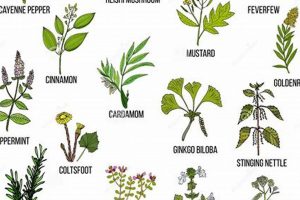
Approaches utilizing botanical substances to alleviate or manage a superficial skin infection characterized by lesions, often caused by bacteria, are examined. These approaches commonly involve the topical application of plant-derived extracts or preparations believed to possess antibacterial, anti-inflammatory, or wound-healing properties. Examples include the use of tea tree oil, calendula, or goldenseal extracts on affected areas.
The potential advantages of employing plant-based options in addressing this skin ailment include accessibility, lower cost in some regions, and perceived reduced risk of antibiotic resistance compared to conventional treatments. Historically, various cultures have used indigenous plants for dermatological conditions, reflecting a long-standing reliance on nature for therapeutic interventions. It is important to note, that while plant-based treatments hold promise, rigorous scientific investigation is required to validate efficacy and safety, and they may not be appropriate as a sole treatment in all cases.
The following discussion delves into specific plants and their constituents purported to be beneficial, explores their mechanisms of action where understood, and considers the limitations and precautions associated with their usage.
Guidance on Botanical Approaches for a Common Skin Condition
The subsequent guidelines aim to provide essential information regarding the adjunctive use of plant-derived treatments, emphasizing responsible and informed application.
Tip 1: Source Reputable Products: Acquire plant-based treatments from established suppliers to ensure quality, purity, and accurate identification of plant species. Prioritize products with clear labeling and third-party testing.
Tip 2: Prioritize Hygiene: Maintain strict hygiene protocols. Thoroughly cleanse the affected area with mild soap and water before each application. Use clean applicators or disposable gloves to prevent cross-contamination.
Tip 3: Start with Diluted Solutions: Begin with diluted concentrations, particularly for potent plant extracts like tea tree oil. Monitor for adverse reactions, such as skin irritation or allergic responses. Gradual increases in concentration can be considered if tolerated.
Tip 4: Conduct a Patch Test: Prior to widespread application, perform a patch test on a small, unaffected area of skin to assess potential sensitivity or allergic reactions. Observe for 24-48 hours for signs of irritation.
Tip 5: Avoid Eye Contact: Exercise caution to prevent contact with the eyes. In case of accidental exposure, rinse thoroughly with copious amounts of water. Seek medical attention if irritation persists.
Tip 6: Monitor Progress and Document: Closely monitor the condition’s progression and document any changes, both positive and negative. Photographic documentation can be helpful. If the condition worsens or fails to improve, seek professional medical advice.
Tip 7: Concurrent Conventional Treatment: These approaches should be considered adjunctive rather than replacements for conventional treatments recommended by a healthcare professional, unless under direct medical supervision.
Adherence to these recommendations promotes safe and effective integration of plant-based approaches into the management of this dermatological condition. These tips support informed decisions and potentially improved outcomes.
The concluding section will summarize key considerations for responsible utilization and outline future research directions.
1. Antibacterial properties

The antibacterial properties of certain plants are a primary justification for their use as adjunctive treatments for a specific skin condition. The ability of these plants to inhibit or kill bacteria contributes directly to managing the infection’s causative agents.
- Mechanism of Action
Plant-derived compounds can disrupt bacterial cell walls, interfere with bacterial metabolism, or inhibit protein synthesis. For instance, tea tree oil contains terpinen-4-ol, which is believed to damage bacterial cell membranes, leading to leakage of cellular contents and ultimately bacterial death. Similarly, berberine, found in goldenseal, interferes with bacterial cell division and DNA replication.
- Spectrum of Activity
The range of bacteria that a plant extract can inhibit varies. Some extracts exhibit broad-spectrum activity, effective against a wide array of bacteria, while others are more selective. Staphylococcus aureus and Streptococcus pyogenes are primary bacterial species involved in the skin ailment, so plant extracts exhibiting demonstrable activity against these organisms are of particular interest.
- Formulation and Delivery
The concentration, solvent, and delivery method can significantly influence the antibacterial efficacy of a plant-based treatment. For example, an essential oil may be more potent in a lipid-based carrier that enhances its penetration into the skin. Conversely, an aqueous extract might require a higher concentration to achieve the same effect.
- Resistance and Synergy
Bacteria can develop resistance to plant-derived antibacterial compounds, similar to antibiotic resistance. Combination therapies involving multiple plant extracts or plant extracts combined with conventional antibacterial agents may exhibit synergistic effects, potentially overcoming resistance mechanisms and enhancing overall efficacy.
Therefore, the investigation and responsible application of plant-derived substances with antibacterial properties must consider their mechanism of action, spectrum of activity, formulation, and potential for resistance development to maximize their potential benefit in an adjunctive approach. These details are crucial for discerning the role of each plant-derived treatment as the topic discussed is very crucial.
2. Anti-inflammatory effects

Inflammation is a key component of the body’s response to infection, and its modulation plays a crucial role in healing. In the context of skin ailments, inflammation manifests as redness, swelling, pain, and heat. Approaches aimed at reducing inflammation can alleviate discomfort, promote tissue repair, and potentially reduce scarring.
- Mechanisms of Action
Plant-derived compounds exert anti-inflammatory effects through various mechanisms. These may include inhibiting the production of pro-inflammatory mediators such as cytokines (e.g., TNF-, IL-1) and prostaglandins, interfering with the activity of inflammatory enzymes like cyclooxygenase (COX) and lipoxygenase (LOX), or modulating the signaling pathways involved in the inflammatory response (e.g., NF-B pathway). Certain plants also contain antioxidants that neutralize free radicals, which can contribute to inflammation.
- Common Anti-Inflammatory Plants
Several plants are recognized for their anti-inflammatory properties and are employed in dermatological preparations. Calendula officinalis contains compounds that reduce inflammation and promote wound healing. Matricaria chamomilla (chamomile) contains bisabolol, a compound known for its soothing and anti-inflammatory effects. Aloe vera gel possesses polysaccharides that can suppress inflammation and promote skin hydration.
- Formulation and Delivery Methods
The delivery method influences the effectiveness of anti-inflammatory plant extracts. Topical formulations, such as creams, ointments, and compresses, are designed to deliver the active compounds directly to the affected area. The vehicle (e.g., cream base, oil) can also contribute to the overall anti-inflammatory effect by providing a soothing or moisturizing barrier. The concentration of the plant extract in the formulation is a critical factor in determining its potency.
- Clinical Evidence and Considerations
While many plants have demonstrated anti-inflammatory activity in vitro and in animal studies, clinical evidence supporting their effectiveness in humans for skin ailments is often limited or mixed. Well-designed clinical trials are needed to rigorously evaluate the efficacy of plant-based anti-inflammatory treatments. Furthermore, potential allergic reactions and interactions with other medications should be carefully considered before using plant-derived anti-inflammatory agents.
The strategic application of plant extracts with anti-inflammatory properties can be a valuable component of a comprehensive approach. Selecting appropriate plants, formulations, and delivery methods, coupled with a thorough understanding of their mechanisms of action and potential limitations, is crucial for maximizing their therapeutic benefit.
3. Wound-healing potential

The wound-healing potential of particular plants is a significant attribute when considering their utility in addressing a superficial skin infection. The skin’s ability to repair itself following an infection is crucial for preventing complications, minimizing scarring, and restoring the skin’s barrier function.
- Collagen Synthesis and Stabilization
Certain plant compounds can stimulate the production of collagen, a structural protein essential for wound closure and tissue regeneration. Additionally, some plant extracts promote the cross-linking and stabilization of collagen fibers, enhancing the strength and integrity of the newly formed tissue. For instance, Centella asiatica (Gotu kola) contains triterpenoids that have been shown to enhance collagen synthesis.
- Epithelialization and Keratinocyte Migration
Epithelialization, the process by which epithelial cells migrate to cover the wound surface, is a critical step in wound healing. Specific plant extracts can stimulate the proliferation and migration of keratinocytes, the main cells of the epidermis, thereby accelerating wound closure. Aloe vera is known to promote epithelialization and enhance the rate of wound healing.
- Angiogenesis and Microcirculation
The formation of new blood vessels (angiogenesis) is essential for delivering oxygen and nutrients to the wound site, supporting tissue repair. Certain plant compounds can stimulate angiogenesis, improving microcirculation in the wound bed and accelerating healing. Calendula officinalis is believed to promote angiogenesis through the release of growth factors.
- Antioxidant and Anti-Scarring Effects
Oxidative stress can impair wound healing and contribute to scar formation. Plant extracts containing antioxidants can neutralize free radicals, protecting cells from damage and promoting optimal healing. Furthermore, some plants contain compounds that can inhibit excessive collagen deposition, reducing the likelihood of hypertrophic scarring.
The selection of plants possessing wound-healing properties warrants careful consideration. Evaluating their capacity to promote collagen synthesis, epithelialization, angiogenesis, and antioxidant activity is essential. The judicious application of such plants, alongside appropriate hygiene practices, can assist in accelerating the healing process, minimizing complications, and enhancing overall patient outcomes when addressing a skin condition.
4. Traditional usage

The historical application of plants in managing skin infections holds considerable relevance when considering botanical approaches to address a superficial skin ailment. Traditional systems of medicine, such as Ayurveda, Traditional Chinese Medicine, and various indigenous healing practices, have documented the use of specific plants for dermatological conditions resembling this bacterial infection for centuries. This long-standing utilization provides a foundation for identifying plants with potential therapeutic value, even though modern scientific validation is required to substantiate these claims.
The rationale behind traditional usage often stems from empirical observation and accumulated experience. For example, certain communities have historically employed poultices made from specific leaves or roots to reduce inflammation and promote wound healing in infected skin lesions. The selection of these plants was frequently based on their perceived ability to cleanse the area, alleviate discomfort, or accelerate the resolution of the infection. Documented evidence from ethnobotanical surveys and historical texts can offer insights into the types of plants used, their methods of preparation, and their perceived effectiveness. It’s crucial to recognize that traditional preparation methods, such as infusions or macerations, may influence the bioavailability and efficacy of the active plant compounds.
Examining traditional usage provides a valuable starting point for contemporary research. It allows researchers to prioritize plants with a high likelihood of possessing relevant bioactivity and to investigate the underlying mechanisms of action responsible for their reported therapeutic effects. However, it is essential to approach traditional knowledge with a critical and discerning perspective. The absence of controlled clinical trials in traditional medicine necessitates rigorous scientific evaluation to ensure safety and efficacy. Bridging the gap between traditional knowledge and modern scientific methodology can potentially lead to the development of novel and effective approaches for managing the skin ailment, but this requires a thorough and evidence-based approach.
5. Safety considerations

The employment of botanical treatments for skin infections, such as a common bacterial skin ailment, mandates a thorough evaluation of potential safety risks. These considerations are paramount to ensure that plant-based interventions do not exacerbate the condition, cause adverse reactions, or interact negatively with conventional medical care.
- Allergic Reactions and Sensitivities
Plant-derived substances contain a complex array of compounds, some of which may act as allergens in susceptible individuals. Allergic reactions can manifest as skin irritation, redness, itching, swelling, or, in severe cases, anaphylaxis. Prior to widespread use, a patch test should be performed to assess sensitivity. Individuals with known allergies to plants in the same family as the proposed treatment should exercise extra caution. For instance, those allergic to ragweed may also react to chamomile or calendula.
- Photosensitivity and Phototoxicity
Certain plants contain compounds that can increase the skin’s sensitivity to ultraviolet (UV) radiation. Exposure to sunlight or artificial UV light after applying such substances can result in phototoxic reactions, characterized by severe sunburn-like symptoms, blistering, and skin discoloration. Examples include furocoumarins found in some citrus fruits and certain herbal extracts. Patients should be advised to avoid sun exposure or use appropriate sun protection when using potentially photosensitizing treatments.
- Drug Interactions
Plant-derived substances can interact with prescription or over-the-counter medications, potentially altering their efficacy or increasing the risk of adverse effects. For example, some plants can affect liver enzymes responsible for drug metabolism, leading to altered drug levels in the body. Patients should disclose all medications and supplements they are taking to their healthcare provider before initiating plant-based treatments.
- Contamination and Adulteration
Plant-based products can be contaminated with heavy metals, pesticides, or other toxins during cultivation, harvesting, or processing. Adulteration with undeclared ingredients, including synthetic drugs, is also a concern. Purchasing plant-based treatments from reputable sources that adhere to quality control standards and provide third-party testing can minimize the risk of contamination and adulteration.
Thorough assessment and mitigation of these safety concerns are essential for the responsible utilization of botanical treatments in managing a common skin infection. Healthcare professionals should be consulted to ensure appropriate selection, preparation, and application of plant-based remedies, especially in individuals with pre-existing medical conditions or those taking other medications.
6. Scientific validation

The rigorous assessment of plant-derived treatments through scientific methodologies is critical to ascertain their efficacy and safety in managing skin conditions, specifically a common bacterial skin ailment. The absence of such validation necessitates caution, as anecdotal evidence and traditional use, while valuable, do not provide the same level of assurance as controlled clinical trials and mechanistic studies. Consequently, the integration of plant-based treatments without scientific support may lead to ineffective management, potential adverse effects, or delayed access to conventional medical interventions. The process often involves in vitro studies to assess antibacterial and anti-inflammatory properties, followed by in vivo animal models to evaluate safety and efficacy. Positive findings from these preclinical studies ideally lead to human clinical trials.
Clinical trials, particularly randomized controlled trials (RCTs), represent the gold standard for evaluating the therapeutic potential. These trials compare the effects of a plant-derived treatment against a placebo or a standard treatment, assessing outcomes such as lesion resolution, symptom relief, and bacterial clearance. A 2016 study published in the Journal of Alternative and Complementary Medicine investigated the efficacy of topical Manuka honey in treating this condition. Results showed statistically significant improvement in lesion healing compared to standard treatment. These types of studies are required to make evidence-based recommendations. Negative results, or poorly designed studies, can lead to incorrect perceptions of risk and benefit. Furthermore, scientific validation extends beyond clinical trials to encompass investigations into the chemical composition of plants, their mechanisms of action, and the potential for interactions with conventional pharmaceuticals.
The imperative for scientific validation arises from the need to protect patient well-being and promote responsible healthcare practices. While historical and cultural contexts may provide valuable starting points for exploring plant-based treatments, they should not supplant the necessity for robust scientific evidence. As future research endeavors increase, it is essential that studies adhere to rigorous methodological standards, including appropriate controls, blinding, and statistical analyses. This will allow to effectively determine the true therapeutic potential of plant-derived substances in the management of bacterial skin infection, offering safer and more effective options for patients.
7. Formulation variations

The presentation of plant-derived treatments significantly influences their efficacy and suitability for addressing a superficial skin infection. Different formulations alter the bioavailability, absorption, and targeted delivery of active compounds, ultimately affecting therapeutic outcomes. Therefore, understanding the nuances of formulation variations is crucial for optimizing the potential benefits.
- Ointments and Creams
Ointments, characterized by their oil-based composition, create an occlusive barrier that enhances the penetration of active plant compounds into the skin. This characteristic makes them suitable for dry or scaly lesions, providing both emollient and therapeutic effects. Creams, being emulsions of oil and water, are generally lighter than ointments and are more easily absorbed. They are often preferred for weeping or inflamed lesions due to their hydrating and cooling properties. The choice between an ointment and cream depends on the specific characteristics of the infected area.
- Poultices and Compresses
Poultices involve the direct application of crushed or macerated plant material to the affected area. This method allows for the release of plant constituents directly onto the skin, providing a concentrated dose of active compounds. Compresses, on the other hand, utilize cloths soaked in plant infusions or decoctions. These are applied to the affected area to deliver the therapeutic properties over a sustained period. Poultices are typically used for localized infections, while compresses can be more suitable for larger or more diffuse areas.
- Tinctures and Extracts
Tinctures are alcoholic extracts of plants, offering a concentrated form of the active compounds. They are often diluted and applied topically or used as ingredients in other formulations. Extracts, which can be prepared using various solvents (e.g., water, alcohol, glycerin), also provide a concentrated source of plant constituents. The choice of solvent influences the extraction of different compounds, affecting the overall therapeutic profile of the extract. Tinctures and extracts are advantageous for their stability and ease of incorporation into different formulations.
- Essential Oils
Essential oils are concentrated hydrophobic liquids containing volatile aromatic compounds extracted from plants. Due to their potency, essential oils are typically diluted in carrier oils (e.g., coconut oil, olive oil) before topical application. They are known for their antibacterial, anti-inflammatory, and wound-healing properties. However, essential oils can also be irritating to the skin and should be used with caution, particularly in individuals with sensitive skin. Proper dilution and patch testing are essential to minimize the risk of adverse reactions.
The selection of a specific formulation should be based on the nature and severity of the infection, the patient’s skin type and sensitivities, and the desired therapeutic effects. Understanding the formulation variations allows healthcare providers and individuals to make informed choices and optimize the potential benefits when utilizing plant-based approaches.
Frequently Asked Questions
The subsequent questions and answers address common inquiries regarding the utilization of botanical approaches for managing a superficial skin infection. These responses aim to provide clarity and promote informed decision-making.
Question 1: Are plant-based treatments a suitable replacement for antibiotics in addressing a bacterial skin ailment?
Plant-based treatments should not be considered a definitive substitute for antibiotics when managing bacterial skin ailments, particularly if the infection is severe or widespread. Antibiotics are specifically designed to target and eradicate bacteria, and their efficacy is well-established through rigorous clinical trials. Plant-based treatments may serve as adjunctive therapies to support healing and alleviate symptoms, but should not be relied upon as the primary treatment modality without consulting a healthcare professional.
Question 2: How can one determine the quality and purity of plant-based products intended for dermatological use?
The quality and purity of plant-based products can be assessed by sourcing products from reputable manufacturers that adhere to stringent quality control standards. Look for products that have undergone third-party testing for contaminants, such as heavy metals, pesticides, and microbial organisms. Additionally, review the product label for a complete list of ingredients and ensure that the plant species is accurately identified. Certificates of analysis can also be helpful in determining product purity and potency.
Question 3: What are the potential risks associated with the topical application of undiluted essential oils on infected skin?
The topical application of undiluted essential oils poses significant risks, including skin irritation, sensitization, and allergic reactions. Essential oils are highly concentrated and can cause chemical burns if applied directly to the skin without proper dilution. Furthermore, some essential oils may be phototoxic, increasing the skin’s sensitivity to sunlight and resulting in severe sunburn. Always dilute essential oils with a carrier oil (e.g., coconut oil, olive oil) before topical application and perform a patch test to assess sensitivity.
Question 4: Are plant-based treatments safe for use during pregnancy and breastfeeding?
The safety of plant-based treatments during pregnancy and breastfeeding is a critical concern. Many plant compounds can cross the placenta or be excreted in breast milk, potentially affecting the developing fetus or infant. Limited research exists on the effects of many plant-based treatments during these periods. Therefore, it is essential to consult a healthcare professional before using any plant-based treatments during pregnancy or breastfeeding to assess the potential risks and benefits.
Question 5: How long should one use plant-based treatments before expecting to see noticeable improvement in a skin ailment?
The timeframe for observing noticeable improvement with plant-based treatments varies depending on the severity of the infection, the individual’s response, and the specific plant being used. Generally, consistent application over several days to a week may be necessary to observe initial changes. If the condition worsens or fails to improve within a reasonable timeframe, it is crucial to seek professional medical advice.
Question 6: Can plant-based treatments interact with conventional medications?
Plant-based treatments have the potential to interact with conventional medications, altering their efficacy or increasing the risk of adverse effects. Some plant compounds can affect liver enzymes responsible for drug metabolism, leading to altered drug levels in the body. Therefore, individuals taking prescription or over-the-counter medications should consult with a healthcare provider before using plant-based treatments to assess the potential for interactions.
In summary, while plant-based approaches may offer adjunctive benefits, responsible and informed usage, coupled with professional medical guidance, remains paramount. The information provided here is intended for informational purposes only and should not be considered a substitute for professional medical advice.
The succeeding section explores potential future directions in the research and development of plant-based therapeutics for dermatological applications.
Herbal Remedies for Impetigo
This exploration of plant-derived treatments for a bacterial skin ailment has highlighted the potential benefits and inherent limitations associated with their use. While certain botanical substances possess antibacterial, anti-inflammatory, and wound-healing properties, their efficacy and safety require thorough scientific validation. Traditional usage provides a historical context, but should not be interpreted as definitive proof of therapeutic value. The importance of sourcing reputable products, adhering to strict hygiene protocols, and monitoring for adverse reactions cannot be overstated.
The responsible utilization of “herbal remedies for impetigo” demands a discerning approach, integrating traditional knowledge with evidence-based medicine. Further research, including well-designed clinical trials, is essential to fully elucidate the therapeutic potential and to establish clear guidelines for safe and effective application. Until such evidence is available, botanical treatments should be regarded as adjunctive options, employed under the guidance of a qualified healthcare professional, and not as a replacement for conventional medical care when clinically indicated.