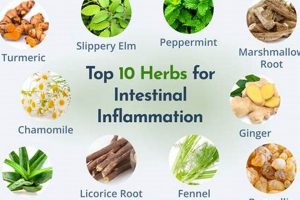
Natural treatments for headache pain, involving the use of plants and their extracts, offer a potential alternative approach to managing discomfort. These options encompass a range of botanical sources traditionally employed to alleviate the intensity and frequency of episodes. For example, feverfew is a herb commonly cited in studies exploring natural alternatives for headache relief.
The significance of investigating botanical treatments lies in the potential to reduce reliance on pharmaceutical interventions, which may carry adverse side effects. Historically, many cultures have utilized traditional plant-based medicines for various ailments, including headaches. The resurgence of interest in these approaches reflects a desire for holistic and patient-centered care.
The following sections will explore specific herbal options frequently discussed for their potential in headache management, along with the available evidence supporting their use and important considerations regarding safety and efficacy.
Guidance on Botanical Approaches to Headache Relief
The following guidance presents key considerations when exploring plant-based options for headache management. These points aim to provide a foundation for informed decision-making.
Tip 1: Prioritize Consultation with a Healthcare Professional: Before initiating any botanical treatment regimen, it is essential to discuss its potential benefits and risks with a qualified physician or healthcare provider. This step is crucial for ensuring safety and avoiding potential interactions with existing medications or health conditions.
Tip 2: Research and Select Reputable Products: The market for botanical products is varied, and quality can differ significantly. It is advisable to choose products from reputable manufacturers that adhere to stringent quality control standards, and ideally those that provide third-party testing verification for purity and potency.
Tip 3: Understand Potential Interactions: Certain botanicals may interact with prescription medications, over-the-counter drugs, or other supplements. A thorough review of all substances currently being taken is necessary to identify and mitigate potential risks. For instance, certain herbal supplements can increase bleeding risk when taken with anticoagulant medications.
Tip 4: Begin with Conservative Dosages: When introducing a new botanical treatment, it is prudent to start with a low dosage and gradually increase it as tolerated. This approach allows for monitoring of any adverse effects and minimizes the likelihood of experiencing unwanted reactions.
Tip 5: Monitor Efficacy and Adverse Effects: Maintain a detailed record of headache frequency, severity, and duration, as well as any changes experienced after initiating the botanical treatment. This documentation will facilitate assessment of efficacy and identification of any potential adverse effects.
Tip 6: Recognize the Importance of Lifestyle Factors: Botanical options are generally most effective when combined with other preventative measures, such as maintaining a regular sleep schedule, managing stress, staying hydrated, and avoiding known headache triggers.
Key benefits of this guidance involve informed decision-making, which supports the responsible integration of botanicals with overall health management.
The subsequent sections will provide detailed information on specific botanical agents commonly associated with headache relief, empowering readers to make informed choices aligned with their individual needs and circumstances.
1. Efficacy

Efficacy, in the context of botanical headache interventions, represents the demonstrated capacity of a particular plant-derived substance to produce a measurable reduction in headache frequency, intensity, or duration. Establishing efficacy is paramount to determine the value of such options.
- Variability in Response
Individual responses to botanical interventions for headaches are highly variable. Factors such as genetics, headache type, overall health, and concurrent medications can significantly influence the perceived effectiveness of a given botanical. Consequently, an option that proves effective for one individual may yield limited or no benefit for another. This underscores the necessity of a personalized approach and careful monitoring of treatment outcomes.
- Impact of Formulation and Dosage
The specific formulation and dosage of a botanical product exert a substantial influence on its potential efficacy. Different extraction methods, concentrations of active compounds, and routes of administration can affect the bioavailability and therapeutic impact of the substance. Therefore, selecting a reputable product with standardized dosages and known concentrations of active constituents is crucial for maximizing the likelihood of a positive outcome.
- Influence of Study Design and Methodology
The design and methodology of clinical trials evaluating the efficacy of botanical headache interventions play a critical role in the validity and reliability of the findings. Studies that employ rigorous methodologies, including randomization, blinding, and placebo controls, provide stronger evidence for efficacy than observational studies or anecdotal reports. A thorough review of the available scientific literature is essential for assessing the strength of evidence supporting the use of a particular botanical.
- Comparison to Conventional Treatments
Assessing the efficacy of botanical headache interventions often involves comparing their effectiveness to that of conventional pharmaceutical treatments. While some botanicals may offer comparable benefits to certain medications, others may be more effective for specific headache types or in conjunction with conventional therapies. A comprehensive understanding of the comparative efficacy of botanical and pharmaceutical options is important for making informed treatment decisions.
The multifaceted nature of efficacy necessitates a comprehensive and critical evaluation of botanical headache interventions. Factors such as individual variability, formulation and dosage, study design, and comparative effectiveness must be carefully considered to determine the potential benefits and limitations of plant-derived options in headache management.
2. Safety

Safety is a paramount consideration when exploring the use of botanical approaches to headache management. The potential for adverse effects, interactions with medications, and contraindications necessitates a thorough understanding of safety profiles before initiating any herbal regimen.
- Potential for Adverse Effects
Botanical substances, like all medications, carry the potential for adverse effects. These can range from mild gastrointestinal upset to more severe allergic reactions. The specific adverse effects associated with a given botanical vary depending on the plant species, dosage, and individual susceptibility. It is imperative to monitor for any signs of adverse effects and discontinue use if they occur.
- Herb-Drug Interactions
Many botanicals can interact with prescription medications, over-the-counter drugs, and other supplements. These interactions can alter the absorption, metabolism, or excretion of medications, leading to either reduced effectiveness or increased toxicity. A comprehensive review of all substances being taken is essential to identify and mitigate potential herb-drug interactions. Consultation with a healthcare professional or pharmacist is advisable.
- Quality Control and Contamination
The safety of botanical products is heavily dependent on quality control and manufacturing practices. Contamination with heavy metals, pesticides, or other adulterants can pose significant health risks. Selecting products from reputable manufacturers that adhere to stringent quality control standards and provide third-party testing verification is crucial for ensuring safety.
- Contraindications and Pre-existing Conditions
Certain botanicals may be contraindicated for individuals with specific pre-existing health conditions, such as liver or kidney disease. Pregnant or breastfeeding women should exercise extreme caution when considering botanical treatments, as some herbs can have adverse effects on fetal development or infant health. A thorough medical history and consultation with a healthcare professional are necessary to identify any potential contraindications.
The multifaceted aspects of safety underscore the importance of a cautious and informed approach to botanical headache management. By carefully considering potential adverse effects, herb-drug interactions, quality control, and contraindications, individuals can minimize the risks associated with plant-derived treatments and make informed decisions about their healthcare.
3. Dosage

The effectiveness and safety of botanical interventions for headache management are inextricably linked to dosage. Dosage refers to the quantity of the herbal substance administered, and its precise calibration is crucial to achieving therapeutic benefits while minimizing potential adverse effects. An insufficient dosage may fail to elicit the desired therapeutic response, rendering the treatment ineffective. Conversely, an excessive dosage can increase the risk of adverse events, ranging from mild gastrointestinal distress to more severe complications. For example, while a moderate dose of feverfew may help reduce headache frequency, a high dose could lead to mouth ulcers or digestive upset. Similarly, the optimal dosage of butterbur extract varies depending on the specific formulation and individual patient factors. This relationship underscores the importance of careful dosage consideration.
Determining the appropriate dosage of a botanical agent for headache management is a complex process that should ideally involve consultation with a qualified healthcare professional. Factors influencing optimal dosage include the specific herbal substance being used, the individual’s body weight, overall health status, concurrent medications, and the severity and frequency of headaches. Furthermore, the bioavailability of the active compounds in the herbal product can vary depending on the formulation and route of administration, requiring adjustments to the dosage accordingly. As an example, the dosage recommendations for peppermint oil capsules for headache relief differ from those for topical application of peppermint oil to the temples. Careful adherence to established dosage guidelines and individualized adjustments, as appropriate, are essential for optimizing treatment outcomes.
In summary, the relationship between dosage and botanical interventions for headaches is a critical determinant of therapeutic success and safety. Inadequate dosage may lead to treatment failure, while excessive dosage can increase the risk of adverse events. Precise calibration of dosage, guided by healthcare professional expertise and consideration of individual patient factors, is crucial for maximizing the potential benefits of botanical headache remedies while minimizing the likelihood of harm. This understanding emphasizes the significance of responsible and informed use of herbal products in headache management.
4. Interactions

The potential for interactions between botanical substances used in migraine management and conventional medications represents a significant clinical concern. These interactions, arising from the combined administration of herbal remedies and pharmaceutical drugs, can alter the pharmacokinetic or pharmacodynamic properties of either substance, resulting in reduced efficacy, increased toxicity, or unexpected adverse effects. The concurrent use of feverfew with anticoagulants, for example, may elevate the risk of bleeding due to feverfew’s inherent antiplatelet properties, necessitating careful monitoring and potential dosage adjustments. Furthermore, St. John’s Wort, sometimes considered for mood regulation in individuals with migraines, can induce hepatic enzymes, potentially diminishing the effectiveness of several medications, including certain triptans used to treat acute migraine attacks. The likelihood and severity of such interactions depend on various factors, including the specific herbal substance, the medication involved, dosage levels, and individual patient characteristics.
A thorough understanding of potential interactions is thus essential for healthcare providers and patients considering botanical approaches to migraine management. Comprehensive medication reconciliation, encompassing both prescription and over-the-counter drugs as well as herbal supplements, is a prerequisite for identifying potential risks. Resources such as drug interaction databases and consultation with pharmacists or qualified herbalists can provide valuable information regarding known or suspected interactions. Where concurrent use is deemed necessary, careful monitoring of therapeutic outcomes and adverse effects is paramount. Dosage adjustments of either the herbal remedy or the conventional medication may be required to mitigate the risks associated with interactions. Specific examples include the potential for ginger, used to alleviate migraine-associated nausea, to interact with warfarin, increasing the risk of bleeding. Similarly, caution is advised when combining valerian root, a potential sleep aid, with benzodiazepines due to the potential for additive sedative effects.
In conclusion, the complex interplay between herbal remedies and conventional medications underscores the critical importance of considering potential interactions when employing botanical approaches to migraine management. While botanical substances may offer complementary or alternative strategies for symptom relief, their concurrent use with conventional drugs necessitates a meticulous assessment of potential risks and benefits. Proactive identification and management of interactions, guided by healthcare professional expertise and patient awareness, are essential for ensuring the safe and effective integration of herbal remedies into migraine treatment plans.
5. Quality

The quality of botanical products marketed for headache alleviation represents a critical determinant of their safety, efficacy, and overall therapeutic value. Variations in sourcing, processing, and manufacturing practices can significantly impact the chemical composition, purity, and potency of these products, ultimately influencing their potential to provide relief from migraine symptoms.
- Sourcing and Authentication of Plant Material
The geographic origin, cultivation methods, and species verification of the source plants profoundly influence the chemical profile of the resulting botanical product. Adulteration with other plant species or the use of inferior-quality plant material can compromise the product’s therapeutic potential and introduce potential contaminants. Reliable suppliers implement stringent quality control measures to ensure accurate species identification and prevent adulteration.
- Extraction and Processing Methods
The methods used to extract and process the active compounds from the plant material can significantly impact their stability, bioavailability, and overall efficacy. Improper extraction techniques may result in the degradation of active constituents or the introduction of unwanted solvents or impurities. Reputable manufacturers employ standardized extraction processes and rigorous quality control measures to maintain product purity and potency.
- Standardization and Quantification of Active Compounds
Standardization refers to the process of ensuring that each batch of a botanical product contains a consistent and specified amount of the key active compounds believed to be responsible for its therapeutic effects. Quantification involves accurately measuring the levels of these compounds using validated analytical methods. Products that are standardized and quantified provide consumers with greater assurance of their potency and consistency.
- Testing for Contaminants and Adulterants
Botanical products can be susceptible to contamination with heavy metals, pesticides, microbial pathogens, and other undesirable substances. Rigorous testing for these contaminants is essential to ensure product safety and prevent potential adverse health effects. Reputable manufacturers conduct comprehensive testing and provide certificates of analysis to verify the absence of harmful contaminants.
The interplay of these facets emphasizes the importance of selecting botanical headache remedies from reputable sources that prioritize quality control throughout the entire production process. Third-party certification programs, such as those offered by organizations like the U.S. Pharmacopeia (USP) or NSF International, can provide additional assurance of product quality and safety. Informed consumers who prioritize quality are more likely to experience the intended therapeutic benefits of botanical headache remedies while minimizing the risk of adverse effects.
6. Evidence

The body of evidence supporting the use of herbal remedies for migraine management is varied and requires careful scrutiny. The strength and quality of evidence inform clinical decision-making and guide responsible implementation of such treatments.
- Clinical Trials and Research Studies
Clinical trials, particularly randomized controlled trials (RCTs), are considered the gold standard for evaluating the efficacy of medical interventions. The evidence base for many herbal remedies consists of a mixture of RCTs, observational studies, and anecdotal reports. The rigor and design of these studies significantly affect the reliability of their findings. Well-designed trials that incorporate appropriate controls, blinding, and statistical analysis provide stronger evidence than studies with methodological limitations. For example, a meta-analysis of RCTs on feverfew for migraine prevention may reveal statistically significant reductions in migraine frequency, while individual studies with smaller sample sizes or flawed designs may yield inconclusive results.
- Systematic Reviews and Meta-Analyses
Systematic reviews and meta-analyses synthesize the findings from multiple studies to provide a more comprehensive overview of the evidence. These reviews employ rigorous methods to identify, evaluate, and summarize the available research, often providing a pooled estimate of the treatment effect. A systematic review of multiple studies on butterbur for migraine prevention, for instance, might conclude that it is more effective than placebo but less effective than some conventional migraine medications.
- Traditional Use and Ethnopharmacological Data
The historical and traditional use of herbal remedies in various cultures provides valuable insights into their potential therapeutic applications. Ethnopharmacological studies, which investigate the traditional uses of plants for medicinal purposes, can identify promising candidates for further scientific investigation. However, traditional use alone does not constitute sufficient evidence to support the efficacy or safety of an herbal remedy. Rigorous scientific studies are needed to confirm the validity of traditional claims and to determine appropriate dosages and potential risks. An herb with a long history of use in traditional Chinese medicine for headache relief may warrant further investigation through clinical trials.
- Mechanism of Action and Preclinical Studies
Understanding the mechanism of action of an herbal remedy can provide a rationale for its use in migraine management and guide further research. Preclinical studies, such as in vitro and animal studies, can investigate the effects of herbal extracts on relevant biological pathways and identify potential targets for therapeutic intervention. While preclinical studies can provide valuable insights, the results may not always translate to clinical efficacy in humans. For example, a study demonstrating that a particular herbal extract inhibits inflammatory pathways in vitro may suggest its potential as an anti-migraine agent, but clinical trials are necessary to confirm its effectiveness in reducing migraine symptoms in patients.
In conclusion, the evidence base for herbal remedies in migraine management is diverse and requires careful evaluation. While some herbal remedies have shown promise in clinical trials, the strength of evidence varies considerably. A critical assessment of the available evidence, considering study design, methodological limitations, and potential biases, is essential for making informed decisions about the use of herbal remedies in migraine treatment. The integration of evidence-based information with individual patient needs and preferences is crucial for providing personalized and effective care.
7. Regulation
The regulatory landscape surrounding botanical products intended for migraine management is complex and varies significantly across different jurisdictions. This heterogeneity presents challenges for both manufacturers and consumers, potentially impacting product quality, safety, and access to accurate information.
- Classification as Supplements vs. Medications
In many regions, botanical remedies are classified as dietary supplements rather than pharmaceuticals. This classification often entails less stringent regulatory oversight compared to medications. For instance, in the United States, the Dietary Supplement Health and Education Act (DSHEA) places the burden of proof for safety on the regulatory agency, the FDA, rather than requiring manufacturers to demonstrate safety prior to marketing. This distinction significantly affects the pre-market evaluation of these products, potentially leading to variations in quality and labeling accuracy.
- Good Manufacturing Practices (GMP)
Good Manufacturing Practices (GMP) represent a set of quality control guidelines designed to ensure that products are consistently manufactured and controlled according to quality standards. While GMP regulations exist for dietary supplements in many countries, their enforcement and scope may differ. Stricter GMP adherence can minimize the risk of contamination, adulteration, and inaccurate labeling, thereby enhancing product safety and consumer confidence. However, inconsistent enforcement can lead to variability in product quality across different brands and manufacturers.
- Health Claims and Labeling Restrictions
Regulations governing health claims and labeling aim to provide consumers with accurate and non-misleading information about the intended use and potential benefits of botanical products. However, the permissible types of claims and the level of scientific evidence required to support them vary across jurisdictions. Some regions may allow manufacturers to make structure/function claims, which describe the role of a nutrient or ingredient in maintaining normal bodily function, without requiring pre-approval. Other regions may impose stricter restrictions on health claims, requiring pre-market approval and substantial scientific evidence to support any claims related to disease prevention or treatment. For example, a product labeled to “reduce migraine frequency” would likely require more substantiation than one claiming to “support healthy neurological function.”
- Import and Export Regulations
The import and export of botanical products are subject to a complex web of international regulations, including trade agreements, phytosanitary requirements, and customs regulations. These regulations can significantly impact the availability and cost of botanical remedies in different markets. Compliance with import/export regulations is crucial for ensuring the legality and safety of these products. For example, certain plant species may be subject to restrictions or prohibitions under international treaties aimed at protecting endangered species.
In summary, the regulatory landscape for migraine herbal remedies is multifaceted and characterized by variations in classification, GMP standards, health claim restrictions, and import/export regulations. These regulatory factors directly influence product quality, safety, and accessibility. Understanding these factors is essential for healthcare professionals, manufacturers, and consumers seeking to make informed decisions regarding the use of botanical therapies for migraine management.
Frequently Asked Questions
The following section addresses common inquiries regarding the use of botanical agents for headache management, providing succinct and authoritative responses based on current scientific understanding.
Question 1: Are botanical options a suitable replacement for prescription migraine medications?
Botanical options may offer potential benefits for some individuals, but they are not universally suitable replacements for prescription medications. The decision to substitute or integrate herbal remedies should be made in consultation with a qualified healthcare provider, considering individual factors and headache characteristics. Conventional medications often possess a more robust evidence base and established efficacy for certain migraine types.
Question 2: Is it safe to combine botanical supplements with conventional headache medications?
Combining botanical supplements with conventional medications requires careful consideration due to the potential for herb-drug interactions. Certain herbal substances can alter the pharmacokinetic or pharmacodynamic properties of medications, leading to reduced effectiveness or increased toxicity. Consultation with a healthcare professional or pharmacist is essential to identify and mitigate potential risks.
Question 3: How can one ensure the quality and purity of botanical products?
Ensuring the quality and purity of botanical products requires careful selection of reputable manufacturers that adhere to stringent quality control standards. Look for products that are third-party certified and provide certificates of analysis verifying the absence of contaminants and the standardization of active compounds. Opt for products from companies that disclose their sourcing and manufacturing practices.
Question 4: What are the most common side effects associated with herbal migraine remedies?
The specific side effects associated with herbal remedies vary depending on the plant species and individual susceptibility. Common side effects can include gastrointestinal upset, allergic reactions, and skin irritation. Less frequent, but more serious, side effects are also possible. Thorough research into potential adverse effects, and consultation with a healthcare provider, is vital before initiating any botanical regimen.
Question 5: How long does it typically take to experience the benefits of herbal headache treatments?
The time required to experience the benefits of herbal headache treatments can vary significantly depending on the individual, the specific herbal substance, and the dosage. Some individuals may experience noticeable improvements within a few weeks, while others may require several months of consistent use. Patience and consistent adherence to the prescribed regimen are important for assessing efficacy.
Question 6: Are botanical interventions safe for pregnant or breastfeeding women?
The safety of botanical interventions for pregnant or breastfeeding women is a critical concern. Many herbal substances have not been adequately studied in these populations, and some herbs can have adverse effects on fetal development or infant health. Pregnant or breastfeeding women should exercise extreme caution and consult with a healthcare provider before using any herbal products.
The information presented in this FAQ section underscores the importance of informed decision-making, responsible use, and consultation with qualified healthcare professionals when considering botanical options for headache management.
The subsequent sections will delve into additional considerations relevant to the practical application of these remedies.
Migraine Herbal Remedies
The preceding exploration of botanical approaches to headache management reveals a complex landscape of potential benefits and inherent risks. Key considerations, encompassing efficacy, safety, dosage, interactions, quality, evidence, and regulation, underscore the need for a cautious and informed approach. While some herbal substances demonstrate promise in alleviating migraine symptoms, the available evidence remains variable, and rigorous scientific evaluation is often lacking.
The responsible integration of plant-derived compounds into migraine treatment plans necessitates a collaborative approach involving healthcare professionals, manufacturers, and consumers. Continued research, stringent quality control measures, and transparent regulatory frameworks are essential for maximizing the therapeutic potential of migraine herbal remedies while safeguarding patient well-being. Further exploration into these remedies may present benefits, but only when approached with critical thinking and responsible practice.