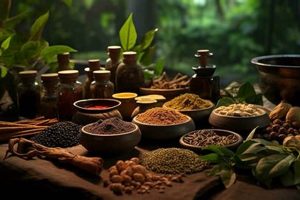
The employment of botanical substances to alleviate discomfort represents an age-old approach to managing physical suffering. This practice leverages the inherent medicinal properties of plants, often in the form of extracts, tinctures, or topical applications, to address the underlying causes of pain or directly modulate its perception. Examples include the utilization of willow bark, containing salicin (a precursor to aspirin), for headaches, and the application of capsaicin-derived creams for neuropathic conditions.
The enduring relevance of this approach stems from several factors. Plants offer a diverse array of bioactive compounds, potentially providing solutions where conventional pharmaceuticals fall short. Furthermore, the historical context reveals a continuous reliance on these natural remedies across cultures, highlighting their accessibility and, in some instances, perceived gentler impact on the body. Certain botanical interventions may offer complementary benefits, addressing inflammation or promoting relaxation alongside pain reduction.
The following sections will delve into specific plant-derived agents commonly used for managing various types of discomfort, exploring their mechanisms of action, potential benefits, and crucial considerations regarding their safe and effective application. Attention will be given to both traditional uses and contemporary research findings.
Guidance on Utilizing Botanical Analgesics
The following constitutes practical guidance regarding the responsible and informed use of plant-derived pain relief options. Diligence in research and consultation with qualified healthcare professionals is paramount.
Tip 1: Identify the Source of Discomfort: Precise identification of the underlying cause of pain is critical prior to initiating any treatment. Botanical interventions may be more effective for specific conditions.
Tip 2: Research Specific Plants Thoroughly: Investigate the scientific literature pertaining to the plant in question. Pay particular attention to documented efficacy, potential side effects, and contraindications.
Tip 3: Consult with a Qualified Herbalist or Healthcare Provider: Seek expert advice to determine appropriate dosages, potential interactions with existing medications, and suitability based on individual health conditions.
Tip 4: Source High-Quality Botanical Products: Opt for reputable suppliers who adhere to Good Manufacturing Practices (GMP) and provide verifiable information regarding the plant’s origin, processing, and standardization.
Tip 5: Begin with Low Dosages: Initiate treatment with minimal effective doses to assess individual tolerance and minimize the risk of adverse reactions. Gradually increase dosage as needed, under professional supervision.
Tip 6: Monitor for Adverse Effects: Closely observe for any signs of allergic reactions, gastrointestinal distress, or other undesirable symptoms. Discontinue use immediately if adverse effects occur.
Tip 7: Consider Alternative Delivery Methods: Explore various administration routes, such as teas, tinctures, capsules, or topical applications, to optimize absorption and minimize systemic exposure.
Tip 8: Maintain Realistic Expectations: Understand that botanical interventions may provide gradual relief and may not be a substitute for conventional medical treatments in all cases.
Adherence to these guidelines promotes the safe and effective integration of plant-derived analgesics into a comprehensive pain management strategy. However, it’s important to reiterate the necessity of professional medical advice before commencing any new treatment regimen.
The subsequent section of this document will address potential drug interactions and further considerations for the responsible use of botanical pain relievers.
1. Plant Identification

The correct identification of a plant species is paramount to its safe and effective use in addressing discomfort. Misidentification can lead to the unintentional administration of inactive or, more alarmingly, toxic substances. The efficacy of any plant-based analgesic is directly dependent on the intended species being the one actually administered. For instance, while Salix alba (white willow) contains salicin, the precursor to salicylic acid, other Salix species may contain different compounds or lower concentrations, rendering them less effective or even harmful.
Consider the case of comfrey ( Symphytum officinale). Historically used topically for wound healing and pain relief, certain comfrey species contain pyrrolizidine alkaloids (PAs), which can cause liver damage if ingested. Accurate identification and preparation methods, such as using only root-free leaf preparations for external use, are crucial to mitigating risk. Similarly, confusing St. John’s Wort ( Hypericum perforatum), a known antidepressant and potential pain reliever, with other Hypericum species could lead to a lack of therapeutic benefit or unforeseen side effects due to differing chemical compositions.
In summary, plant identification is the cornerstone of safe and effective botanical pain management. It ensures the intended active compounds are present in the correct concentrations and avoids the introduction of harmful substances. Rigorous quality control measures, including botanical authentication by trained experts and the use of standardized extracts, are essential to upholding patient safety and realizing the therapeutic potential of plants for pain relief.
2. Active Compounds

The therapeutic efficacy of botanical analgesics is fundamentally determined by their active compounds. These are specific phytochemicals present within the plant material that interact with the body’s physiological systems to produce a measurable effect on pain perception or its underlying causes. The presence, concentration, and bioavailability of these compounds dictate the potency and overall effectiveness of the treatment.
- Alkaloids:
This class of nitrogen-containing organic compounds exhibits diverse pharmacological activities. Morphine and codeine, derived from the opium poppy ( Papaver somniferum), are potent opioid analgesics that act on the central nervous system to reduce pain perception. While highly effective, their use is restricted due to the potential for addiction and respiratory depression. Berberine, found in plants like goldenseal ( Hydrastis canadensis) and barberry ( Berberis vulgaris), possesses anti-inflammatory properties that can contribute to pain relief, particularly in conditions involving inflammation.
- Terpenoids:
This large and diverse group of compounds includes essential oils and related substances known for their aromatic and medicinal properties. Menthol, derived from peppermint ( Mentha piperita), activates cold-sensitive receptors, providing a cooling and analgesic effect when applied topically. Capsaicin, found in chili peppers ( Capsicum species), initially stimulates and then desensitizes pain receptors, leading to a reduction in pain transmission. This mechanism underlies its use in topical creams for neuropathic conditions and arthritis.
- Phenolic Compounds:
This category encompasses a wide range of plant metabolites, including flavonoids, tannins, and phenolic acids, known for their antioxidant and anti-inflammatory properties. Salicin, present in willow bark ( Salix species), is metabolized into salicylic acid, a precursor to aspirin, which inhibits prostaglandin synthesis and reduces pain and inflammation. Resveratrol, found in grapes ( Vitis vinifera) and other plants, exhibits anti-inflammatory and neuroprotective effects, potentially contributing to pain management in chronic conditions.
- Glycosides:
These compounds consist of a sugar molecule attached to a non-sugar moiety. Glycosides can have diverse effects depending on the specific sugar and non-sugar components. For example, some glycosides are precursors to active compounds, while others exert direct effects on pain pathways. Further research is often needed to fully elucidate the specific roles of glycosides in many herbal treatments for pain.
The synergistic interplay between these active compounds within a single plant can often contribute to its overall analgesic effect, a phenomenon known as phytosynergy. The selection of a botanical treatment for pain requires a comprehensive understanding of its active constituents, their mechanisms of action, and potential interactions to optimize therapeutic outcomes and ensure patient safety.
3. Mechanism of Action

The mechanism of action, detailing how a substance interacts with biological systems to produce a therapeutic effect, is a critical component in understanding botanical approaches to pain management. It describes the specific biochemical or physiological processes by which a plant-derived compound exerts its analgesic or anti-inflammatory effects. Without a clear understanding of the mechanism, the rational application of a botanical treatment remains empirical and susceptible to unpredictable outcomes.
Knowledge of the mechanism of action allows for targeted application. For example, understanding that willow bark’s analgesic properties stem from salicin’s conversion to salicylic acid, which inhibits cyclooxygenase (COX) enzymes and reduces prostaglandin synthesis, allows clinicians to anticipate efficacy in conditions characterized by inflammation. Similarly, the mechanism of capsaicin, derived from chili peppers, involves initially stimulating and then desensitizing TRPV1 receptors, offering a rationale for its use in neuropathic pain where nerve overactivity is a factor. Conversely, a lack of mechanistic understanding limits the ability to predict efficacy or potential adverse effects. The use of feverfew ( Tanacetum parthenium) for migraine prevention, while traditionally practiced, benefits from ongoing research into its potential mechanisms involving serotonin and prostaglandin inhibition.
In summary, elucidating the mechanism of action is essential for the safe and effective use of botanical analgesics. It transforms the application from a trial-and-error approach to a more informed and targeted strategy. Challenges remain in fully characterizing the complex interactions of multiple compounds within a single plant, and ongoing research is critical to expanding the understanding of these mechanisms and optimizing the therapeutic potential of plant-derived pain relief.
4. Dosage Guidance

Dosage guidance is a critical determinant of the safety and efficacy of botanical approaches to pain management. The quantity of plant material administered directly influences the concentration of active compounds reaching target tissues, thereby impacting the magnitude of therapeutic effect. Insufficient dosage may result in a failure to achieve meaningful pain relief, while excessive dosage can lead to adverse reactions, including toxicity. The optimal dosage represents a delicate balance between achieving the desired therapeutic outcome and minimizing potential harm.
The determination of appropriate dosage is complicated by several factors. The concentration of active compounds can vary significantly between different plant species, growing conditions, harvesting times, and preparation methods. Individual patient factors, such as age, weight, metabolic rate, and pre-existing medical conditions, also influence drug absorption, distribution, metabolism, and excretion, further complicating dosage adjustments. For example, the dosage of valerian root, commonly used for insomnia and mild anxiety-related pain, must be significantly reduced in elderly patients due to decreased hepatic function, which can prolong the drug’s half-life and increase the risk of adverse effects. Similarly, St. John’s Wort, when used for neuropathic discomfort, must be carefully dosed and monitored, considering its potential to interact with numerous pharmaceutical medications, including antidepressants and anticoagulants.
Consequently, precise dosage recommendations for botanical analgesics are often lacking, necessitating reliance on traditional use guidelines, empirical evidence, and expert clinical judgment. While traditional knowledge provides valuable insights, rigorous scientific validation is frequently absent. The practical significance of this understanding underscores the importance of seeking guidance from qualified healthcare professionals, initiating treatment at low dosages, and closely monitoring for both therapeutic effects and adverse reactions. Accurate dosage guidance is essential for harnessing the potential benefits of botanical pain relief while mitigating associated risks, bridging the gap between traditional practice and evidence-based medicine.
5. Safety Profile

The safety profile of a botanical intervention is a critical consideration in the context of pain management. Unlike synthetic pharmaceuticals, plant-derived substances often contain a complex mixture of compounds, increasing the potential for both beneficial and adverse effects. The absence of rigorous standardization and quality control measures in some herbal products can further exacerbate safety concerns. Evaluation of the safety profile necessitates comprehensive examination of potential toxicities, allergic reactions, drug interactions, and contraindications specific to each plant species.
Variations in plant chemotypes, growing conditions, and processing methods can significantly affect the concentration of active and potentially toxic compounds. For example, pyrrolizidine alkaloids (PAs) found in some Senecio species pose a risk of liver damage if ingested, highlighting the importance of species identification and careful sourcing. Drug interactions represent another significant concern. St. John’s Wort ( Hypericum perforatum) is a well-known inducer of cytochrome P450 enzymes, potentially reducing the effectiveness of various prescription medications, including anticoagulants and immunosuppressants. Allergic reactions to plant constituents, ranging from mild skin irritation to severe anaphylaxis, also necessitate careful patient evaluation and monitoring. Prior to initiating any botanical treatment for pain, a thorough review of the patient’s medical history, including allergies and current medications, is essential. A gradual increase in dosage, accompanied by close observation for adverse effects, allows for early detection of potential safety issues.
In summary, a comprehensive understanding of the safety profile is essential for the responsible use of botanical approaches to pain relief. Rigorous assessment of potential risks, including toxicities, interactions, and allergies, requires careful attention to plant species, sourcing, and individual patient factors. A cautious and informed approach, coupled with expert guidance, allows for harnessing the potential benefits of botanical treatments while minimizing the risk of adverse events, thereby ensuring patient safety and promoting responsible healthcare practices.
6. Interaction Risks

The concurrent use of botanical analgesics and conventional pharmaceuticals presents a significant potential for adverse drug interactions, thereby jeopardizing patient safety and undermining the efficacy of prescribed treatments. These interactions arise from the capacity of certain plant-derived compounds to modulate drug absorption, distribution, metabolism, or excretion, leading to altered plasma concentrations and pharmacological effects. The consequences range from reduced therapeutic efficacy to heightened toxicity of conventional medications, often with serious clinical implications. For instance, the co-administration of St. Johns Wort ( Hypericum perforatum) and selective serotonin reuptake inhibitors (SSRIs) can lead to serotonin syndrome, a potentially life-threatening condition characterized by agitation, hyperthermia, and neuromuscular abnormalities. Similarly, the use of garlic supplements ( Allium sativum) alongside anticoagulant medications, such as warfarin, may increase the risk of bleeding complications due to garlic’s inherent antiplatelet properties. These examples highlight the crucial need for careful assessment of interaction risks before initiating any botanical treatment for pain.
The mechanisms underlying these interactions are diverse and complex. Some plant compounds can inhibit or induce cytochrome P450 enzymes, a family of liver enzymes responsible for metabolizing a vast array of pharmaceuticals. Others may affect drug transporter proteins, influencing the movement of drugs across cell membranes and impacting their absorption and elimination. Furthermore, additive or synergistic effects can occur when botanical and conventional agents exert similar pharmacological actions, leading to amplified effects and increased risk of side effects. For instance, combining kava ( Piper methysticum), known for its anxiolytic properties, with benzodiazepines may potentiate sedative effects, increasing the risk of respiratory depression and cognitive impairment. Conversely, some interactions can lead to reduced drug efficacy. The concurrent use of milk thistle ( Silybum marianum) with certain chemotherapy drugs may decrease their cytotoxic effects, potentially compromising cancer treatment outcomes. Therefore, understanding the potential mechanisms of interaction is crucial for predicting and preventing adverse events.
In conclusion, the presence of interaction risks constitutes a significant challenge in the integration of botanical analgesics into pain management strategies. Careful consideration of potential interactions with conventional medications, combined with thorough patient assessment and monitoring, is essential to mitigate the risk of adverse events and ensure the safe and effective use of these remedies. Healthcare providers must possess a comprehensive understanding of drug metabolism, pharmacology, and the potential for interactions between botanical and conventional agents to provide optimal patient care. Further research is necessary to fully elucidate the complex interactions between plant-derived compounds and pharmaceuticals, paving the way for safer and more effective combined therapies.
7. Quality Assurance

Quality assurance (QA) constitutes an indispensable element in the responsible application of botanical substances for pain management. It encompasses a comprehensive system of protocols and procedures designed to ensure the consistency, purity, and potency of herbal products, thereby minimizing the risk of adverse events and maximizing therapeutic efficacy. The absence of rigorous QA measures can lead to significant variability in product quality, rendering treatment outcomes unpredictable and potentially harmful.
- Botanical Authentication
Accurate species identification is the cornerstone of quality assurance. Microscopic examination, DNA barcoding, and chromatographic fingerprinting techniques are employed to verify the authenticity of plant materials. Misidentification can result in the administration of inactive or even toxic species, negating any potential therapeutic benefit and posing a serious health risk. For instance, mistaking Aristolochia fangchi for another herb resulted in nephrotoxicity due to the presence of aristolochic acid.
- Sourcing and Cultivation Practices
The geographical origin and cultivation methods significantly impact the chemical composition of medicinal plants. Soil quality, climate, and harvesting practices can influence the concentration of active compounds and the presence of contaminants, such as heavy metals and pesticides. Reputable suppliers adhere to Good Agricultural and Collection Practices (GACP) to ensure consistent quality and minimize environmental impact. For example, organically grown chamomile ( Matricaria chamomilla) is preferred to reduce exposure to synthetic pesticides.
- Manufacturing and Extraction Processes
The methods used to process and extract active compounds from plant materials directly affect the final product’s potency and purity. Standardized extraction techniques, such as supercritical fluid extraction or solvent extraction with validated protocols, are employed to ensure consistent concentrations of key constituents. Good Manufacturing Practices (GMP) dictate stringent quality control measures throughout the manufacturing process, including equipment validation, batch testing, and traceability.
- Product Testing and Standardization
Finished herbal products undergo rigorous testing to ensure compliance with established quality standards. Analytical techniques, such as high-performance liquid chromatography (HPLC) and mass spectrometry (MS), are used to quantify the concentration of active compounds and to detect the presence of adulterants and contaminants. Standardization refers to the process of adjusting the product to contain a consistent level of one or more marker compounds, ensuring batch-to-batch consistency and predictable therapeutic effects.
The integration of these QA facets into the production and distribution of botanical analgesics is essential for ensuring patient safety and treatment efficacy. Comprehensive quality control measures, including botanical authentication, adherence to GACP and GMP guidelines, and rigorous product testing, are crucial for mitigating the risks associated with herbal remedies and promoting the responsible use of plant-derived substances for pain management.
Frequently Asked Questions
The following elucidates common inquiries regarding the use of plant-derived interventions for the mitigation of physical discomfort, adhering to principles of evidence-based practice and responsible healthcare.
Question 1: Are plant-based pain relief methods inherently safer than conventional pharmaceuticals?
The assumption that plant-derived remedies are uniformly safer is a misconception. Botanical substances contain bioactive compounds that can exert potent pharmacological effects and, therefore, carry inherent risks. The safety profile varies considerably depending on the plant species, dosage, individual patient factors, and potential interactions with conventional medications. Rigorous evaluation of potential toxicities, allergies, and contraindications is essential before initiating any treatment.
Question 2: How can the consistency and potency of botanical products be assured?
Variability in plant chemotypes, growing conditions, and processing methods can significantly impact the concentration of active compounds. Reputable suppliers adhere to Good Agricultural and Collection Practices (GACP) and Good Manufacturing Practices (GMP) to ensure consistent quality. Third-party testing and standardization to marker compounds help to verify potency and purity. Consumers should seek products from reputable sources that provide verifiable information regarding the plant’s origin, processing, and standardization.
Question 3: What are the primary mechanisms by which plants alleviate discomfort?
Botanical analgesics exert their effects through diverse mechanisms. Some compounds, such as salicin in willow bark, inhibit prostaglandin synthesis, reducing inflammation and pain. Others, like capsaicin from chili peppers, modulate pain receptors. Still others act on the nervous system to alter pain perception. The specific mechanism depends on the plant’s chemical composition and target tissues.
Question 4: Is it advisable to self-treat chronic discomfort with botanical interventions?
Self-treating chronic pain is generally discouraged. Precise diagnosis and management often require the expertise of qualified healthcare professionals. While certain botanical substances may offer adjunctive relief, they should not substitute conventional medical treatments. Consultation with a physician or licensed herbalist is crucial to determine the appropriateness of botanical remedies, identify potential drug interactions, and monitor for adverse effects.
Question 5: What regulatory oversight governs the production and sale of botanical products?
The regulatory landscape for botanical products varies considerably across jurisdictions. In some regions, herbal remedies are classified as dietary supplements, subject to less stringent regulations than pharmaceuticals. In other regions, certain botanical substances are regulated as drugs, requiring rigorous clinical testing and approval processes. Consumers should be aware of the regulatory framework in their jurisdiction and exercise caution when purchasing herbal products from unregulated sources.
Question 6: Can botanical pain remedies interact negatively with conventional medications?
The potential for drug interactions is a significant concern. Certain plant compounds can inhibit or induce cytochrome P450 enzymes, altering the metabolism and effects of conventional pharmaceuticals. Combining botanical and conventional agents can lead to reduced efficacy, heightened toxicity, or unexpected adverse events. Patients must disclose their use of herbal remedies to their healthcare providers to avoid potentially harmful interactions.
This FAQ provides a concise overview of key considerations pertaining to the utilization of botanical substances for discomfort mitigation. It is imperative to remember that informed decision-making, expert guidance, and meticulous attention to product quality are crucial for safe and effective application.
The subsequent section will address the future directions in the field of herbal treatment for pain.
Conclusion
This exploration has underscored the multifaceted nature of botanical approaches to discomfort alleviation. The efficacy and safety of plant-derived interventions hinge upon precise plant identification, thorough understanding of active compounds and their mechanisms, adherence to appropriate dosage guidelines, rigorous quality assurance measures, and diligent assessment of potential interaction risks. The responsible application of these treatments necessitates a careful balance between traditional practices and evidence-based principles.
Continued research is essential to fully elucidate the complex interactions between botanical substances and physiological systems, thereby enabling the development of safer and more effective pain management strategies. A commitment to rigorous scientific investigation, combined with informed clinical judgment, will be crucial in unlocking the full therapeutic potential of plants for pain relief, ultimately improving patient outcomes and promoting responsible healthcare practices.