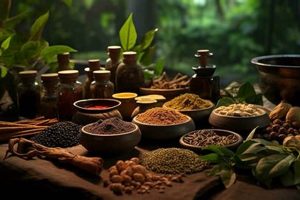
The convergence of traditional medicine and modern healthcare has led to exploration into the use of botanical remedies for managing facial paralysis. This approach involves utilizing plant-derived substances to alleviate symptoms associated with the condition, such as muscle weakness and impaired facial movement. Specific herbs are often selected based on their purported anti-inflammatory, antiviral, or neuroprotective properties.
Historically, various cultures have employed herbal medicine to address neurological ailments, viewing it as a holistic approach that complements conventional medical interventions. The potential advantages of this method include minimizing side effects often associated with pharmaceutical drugs and offering a natural alternative for individuals seeking complementary therapies. The ongoing investigation into the efficacy and safety of these remedies remains a crucial area of research within integrative medicine.
The subsequent sections will delve into specific herbal remedies often cited in connection with facial paralysis management, examine the scientific evidence supporting their use, and outline the potential risks and contraindications. Further discussion will address the importance of consulting qualified healthcare professionals before initiating any herbal treatment regimen.
Guidance on Herbal Approaches for Facial Paralysis
The following outlines key considerations when exploring botanical interventions for managing facial paralysis. Careful attention to these points is crucial to ensure patient safety and treatment effectiveness.
Tip 1: Consult with a Qualified Practitioner: Prior to initiating any herbal protocol, a thorough evaluation by a licensed herbalist or integrative medicine physician is essential. These professionals can assess individual needs and potential contraindications.
Tip 2: Prioritize Accurate Diagnosis: Correct identification of the underlying cause of the facial paralysis is paramount. Herbal interventions may be inappropriate or ineffective if the condition stems from a source other than the typical idiopathic form.
Tip 3: Consider Evidence-Based Options: While traditional use informs many herbal applications, prioritize remedies with some level of scientific backing. Researching available studies on specific herbs and their efficacy for nerve support or anti-inflammatory action is advised.
Tip 4: Monitor for Allergic Reactions: Allergic reactions to herbs are possible. Introduce new remedies gradually and observe closely for any signs of adverse reactions, such as skin rashes, itching, or difficulty breathing.
Tip 5: Acknowledge Potential Drug Interactions: Herbal constituents can interact with conventional medications. A complete medication history, including all supplements and over-the-counter drugs, must be provided to the prescribing practitioner.
Tip 6: Adhere to Dosage Recommendations: Follow the dosage guidelines provided by the healthcare professional precisely. Higher doses are not necessarily more effective and may increase the risk of adverse effects.
Tip 7: Maintain Realistic Expectations: Herbal treatments may offer supportive benefits, but they are unlikely to provide a complete cure for facial paralysis in all cases. A combined approach integrating conventional therapies is often necessary.
Adherence to these guidelines facilitates a more informed and safer approach to the incorporation of botanical medicine within the management of facial paralysis. The focus should remain on maximizing patient well-being through evidence-informed practice and personalized care.
The subsequent sections will explore specific herbal remedies frequently discussed in relation to this condition, providing further insights into their potential benefits and limitations.
1. Anti-inflammatory herbs

The application of anti-inflammatory herbs in the context of botanical interventions for facial paralysis centers on mitigating nerve inflammation, a factor often implicated in the pathogenesis of the condition. This approach aims to reduce swelling and pressure on the facial nerve, potentially alleviating symptoms and promoting nerve function recovery.
- Reduction of Nerve Swelling
Herbs with known anti-inflammatory properties, such as ginger and turmeric, may help reduce edema surrounding the facial nerve. This decreased swelling can alleviate pressure on the nerve, potentially improving nerve signal transmission. Failure to address nerve inflammation may prolong recovery time and exacerbate symptoms.
- Inhibition of Inflammatory Mediators
Certain botanical compounds can inhibit the production of inflammatory mediators, such as cytokines and prostaglandins. Herbs like boswellia and chamomile contain constituents that interfere with inflammatory pathways, reducing the overall inflammatory response in the affected area. Controlling these mediators is crucial for preventing further nerve damage.
- Modulation of Immune Response
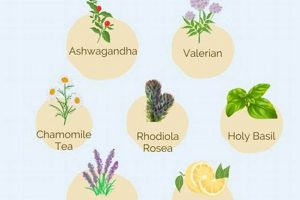
In some cases, facial paralysis may involve an autoimmune component. Anti-inflammatory herbs can modulate the immune response, preventing excessive immune cell activity that contributes to nerve damage. For example, herbs with adaptogenic properties like ashwagandha may help regulate the immune system’s response, reducing the inflammatory cascade.
- Complementary to Conventional Therapies
Anti-inflammatory herbs can be used as a complementary approach alongside conventional treatments such as corticosteroids. While corticosteroids directly suppress inflammation, herbal remedies may offer a more gradual and potentially less disruptive approach to managing inflammation. The combined use, under professional guidance, may enhance treatment outcomes.
The integration of anti-inflammatory herbs into the management of facial paralysis requires careful consideration of individual patient factors and potential interactions with other medications. The specific choice of herbs and their dosage should be determined by a qualified healthcare professional, ensuring both safety and efficacy. It is crucial to recognize that while anti-inflammatory herbs may offer supportive benefits, they are not a standalone cure and should be part of a comprehensive treatment plan.
2. Nerve regeneration support

Nerve regeneration support represents a crucial facet of botanical interventions for managing facial paralysis. This approach focuses on utilizing herbal remedies to stimulate and facilitate the natural processes of nerve repair and regrowth, with the aim of restoring facial nerve function and alleviating associated symptoms.
- Promotion of Nerve Growth Factors
Certain herbal extracts contain compounds that promote the production or activity of nerve growth factors (NGFs). These factors play a vital role in the survival, growth, and differentiation of nerve cells. Examples include herbs traditionally used for nerve healing, such as Gotu Kola. Increased NGF activity can accelerate the repair of damaged nerve fibers in facial paralysis, leading to improved motor function.
- Enhancement of Myelination
Myelination, the process of forming a myelin sheath around nerve fibers, is essential for efficient nerve signal transmission. Some herbal remedies are believed to support myelination, potentially improving the speed and fidelity of nerve impulses along the facial nerve. An example could be specific preparations from traditional Chinese medicine targeted towards invigorating the blood and promoting nerve health. Adequate myelination is critical for restoring proper facial muscle control.
- Reduction of Oxidative Stress
Oxidative stress can hinder nerve regeneration by damaging cellular components and impairing cellular processes. Herbal antioxidants, such as those found in rosemary and green tea, may protect nerve cells from oxidative damage, creating a more favorable environment for nerve repair. Reduction of oxidative stress is particularly important in cases where nerve damage is exacerbated by inflammation or viral infection.
- Support for Neuroplasticity
Neuroplasticity refers to the brain’s ability to reorganize itself by forming new neural connections throughout life. Herbal interventions that promote neuroplasticity may help the brain compensate for nerve damage in facial paralysis by remapping neural pathways. Herbs with cognitive-enhancing properties, such as Bacopa monnieri, could potentially contribute to this process. Enhancing neuroplasticity can lead to improved functional outcomes, even in cases of incomplete nerve regeneration.
These multifaceted approaches to nerve regeneration support underscore the potential of botanical medicine in facilitating recovery from facial paralysis. The application of these remedies should be integrated within a comprehensive treatment plan, and always guided by a qualified healthcare professional. The focus remains on leveraging the regenerative properties of these herbs to optimize nerve repair and improve patient outcomes.
3. Viral infection management
The potential role of viral infections, specifically herpes simplex virus (HSV) and varicella-zoster virus (VZV), in the etiology of Bell’s palsy necessitates the consideration of antiviral strategies within any comprehensive management approach, including the exploration of botanical interventions. Targeting these viral agents may reduce viral load and associated inflammation, potentially influencing the course of the condition.
- Inhibition of Viral Replication
Certain herbal compounds exhibit antiviral properties, potentially inhibiting viral replication and spread. Compounds like Glycyrrhizin, found in licorice root, have demonstrated in vitro activity against HSV. The reduction of viral replication may limit the extent of nerve damage and associated inflammation implicated in Bell’s palsy. However, in vivo efficacy requires further investigation.
- Immune System Modulation
Viral infection management includes strategies that support the immune system’s ability to combat viral pathogens. Herbs with immunomodulatory properties, such as Echinacea and Astragalus, may enhance the body’s natural defense mechanisms against viral infections. Strengthening the immune response can assist in clearing viral infections and preventing recurrence, potentially mitigating the risk of Bell’s palsy development or recurrence.
- Reduction of Viral-Induced Inflammation
Viral infections often trigger inflammatory responses that can contribute to nerve damage in Bell’s palsy. Herbal remedies with anti-inflammatory properties, such as ginger and turmeric, may help reduce inflammation associated with viral infections. Managing inflammation can alleviate nerve compression and promote nerve function recovery.
- Complementary Approach to Antiviral Medications
Botanical interventions for viral infection management can be considered as a complementary approach to conventional antiviral medications. While pharmaceutical antivirals directly target viral replication, herbal remedies may offer additional support by modulating the immune system and reducing inflammation. The combined use, under professional guidance, may enhance treatment outcomes.
The incorporation of viral infection management strategies within botanical interventions for Bell’s palsy highlights the importance of addressing potential underlying causes of the condition. The selection of specific herbs and their dosage should be determined by a qualified healthcare professional, taking into account individual patient factors and potential interactions with other medications. These approaches are not standalone cures and should be integrated into a comprehensive treatment plan for the condition.
4. Traditional remedy selection

The selection of traditional remedies for managing facial paralysis constitutes a critical component of “bells palsy herbal treatment”. This process is informed by historical precedent, cultural knowledge, and anecdotal evidence passed down through generations. The rationale behind choosing specific herbs often stems from their purported ability to address underlying factors associated with the condition, such as nerve inflammation, viral activity, or immune system dysregulation. However, the efficacy and safety of these remedies can vary widely, necessitating a cautious and informed approach.
One example of traditional remedy selection involves the use of herbs with anti-inflammatory properties. Traditional Chinese Medicine (TCM) practitioners, for instance, might employ herbs like ginger or turmeric, known for their potential to reduce nerve swelling and improve circulation. Similarly, Ayurvedic medicine might recommend herbs like ashwagandha for its adaptogenic and anti-inflammatory effects. These selections are often based on the belief that reducing inflammation can alleviate pressure on the facial nerve, promoting its recovery. Another example is the use of herbs traditionally believed to have antiviral properties, such as licorice root, which is sometimes selected based on the hypothesis that viral infections play a role in triggering facial paralysis. These selections often reflect localized knowledge of readily available plants and their historically observed effects.
The practical significance of understanding traditional remedy selection lies in appreciating both its potential benefits and inherent limitations. While some traditional remedies may offer supportive effects in managing symptoms, their use should not replace conventional medical treatment. Challenges include the lack of standardized dosages, potential interactions with other medications, and the absence of rigorous clinical trials to confirm their effectiveness. Therefore, a collaborative approach involving qualified healthcare professionals, including herbalists and physicians, is essential to ensure patient safety and optimize treatment outcomes. The ongoing integration of traditional knowledge with modern scientific research represents a crucial step in validating the efficacy and safety of these remedies for the benefit of patients seeking complementary therapies.
5. Individualized treatment plans
The implementation of individualized treatment plans is paramount when considering botanical approaches to manage facial paralysis. The heterogeneous nature of this condition, influenced by factors such as age, overall health, and potential underlying causes, necessitates a personalized strategy that addresses specific needs and circumstances. Standardized protocols, while seemingly convenient, often fail to account for the unique physiological profiles of individual patients, potentially leading to suboptimal outcomes or adverse reactions. The connection between individualized treatment plans and “bells palsy herbal treatment” lies in the recognition that a one-size-fits-all approach is inherently inadequate.
The importance of customized approaches becomes evident when considering the potential interactions between herbal remedies and conventional medications. Patients with co-existing medical conditions, such as diabetes or hypertension, may be taking multiple pharmaceutical drugs. Herbal interventions, if not carefully considered, could interact with these medications, either enhancing or diminishing their effects. For example, an individual taking warfarin for anticoagulation would require meticulous monitoring if also prescribed herbs known to affect blood clotting. The development of an individualized treatment plan, guided by a qualified healthcare professional, allows for careful consideration of these potential interactions and ensures the safe and effective integration of botanical remedies. Furthermore, herbal sensitivities and allergies vary considerably among individuals. A personalized approach allows for the identification of potentially allergenic herbs and the selection of alternative remedies that are well-tolerated. Real-life examples demonstrate the benefits of personalized plans. A young, otherwise healthy patient experiencing mild facial paralysis might benefit from a relatively simple herbal protocol focused on nerve support and anti-inflammatory action. In contrast, an elderly patient with multiple comorbidities and a more severe presentation of facial paralysis would require a far more complex and carefully monitored treatment plan that considers potential drug interactions and underlying health conditions.
In summary, the creation and implementation of individualized treatment plans are essential for maximizing the benefits and minimizing the risks associated with botanical interventions for facial paralysis. This personalized approach ensures that herbal remedies are selected and administered in a manner that is tailored to the specific needs, medical history, and physiological profile of each patient. Challenges include the complexity of assessing individual needs and the need for highly skilled healthcare professionals capable of integrating both conventional and botanical knowledge. Ultimately, an individualized strategy represents the most responsible and effective approach to “bells palsy herbal treatment”, aligning with the principles of patient-centered care and promoting optimal health outcomes.
6. Potential side effects

The integration of botanical remedies into the management of facial paralysis necessitates a thorough understanding of potential adverse effects. While often perceived as “natural” and therefore inherently safe, herbal treatments are biologically active substances capable of producing a range of unintended consequences. The connection between “potential side effects” and “bells palsy herbal treatment” lies in the ethical and practical imperative to mitigate risks associated with any therapeutic intervention. The occurrence of adverse reactions can compromise patient well-being, delay recovery, or, in rare instances, lead to serious complications. Failure to acknowledge and address these possibilities can undermine the effectiveness of the treatment and erode patient trust.
Several factors contribute to the risk of side effects from herbal remedies. The variability in plant composition, influenced by factors such as growing conditions and harvesting methods, can lead to inconsistent potency. Furthermore, herbal constituents can interact with conventional medications, altering their absorption, metabolism, or excretion. For instance, St. John’s Wort, often used for mood regulation, can interfere with the efficacy of certain immunosuppressants and anticoagulants. Allergic reactions to herbal substances are also a significant concern. Individuals with known allergies to specific plant families are at increased risk of experiencing adverse reactions to related herbal remedies. Dermatitis, gastrointestinal distress, and respiratory symptoms are among the common manifestations of herbal allergies. The lack of standardized manufacturing practices and quality control measures in the herbal industry further exacerbates the risk of contamination with heavy metals, pesticides, or other adulterants.
The proactive identification, monitoring, and management of potential side effects are essential components of responsible “bells palsy herbal treatment”. Thorough patient history, including a detailed account of all medications, supplements, and allergies, is crucial. Healthcare providers should educate patients about the potential risks associated with specific herbal remedies and instruct them to promptly report any unusual symptoms. Regular monitoring of liver and kidney function may be warranted for individuals taking certain herbs known to have hepatotoxic or nephrotoxic potential. In cases where adverse reactions occur, prompt discontinuation of the offending herb and appropriate supportive care are necessary. The commitment to minimizing potential side effects ensures the safety and well-being of patients seeking botanical interventions for facial paralysis. The challenges involves effective communication to the patient. However, this will yield the best outcome.
7. Professional guidance required

The application of botanical interventions for managing facial paralysis mandates the oversight of qualified healthcare professionals. This necessity stems from the inherent complexities associated with both the condition itself and the use of herbal remedies. Facial paralysis can arise from a variety of underlying causes, some of which require immediate medical attention beyond the scope of herbal medicine. Accurate diagnosis by a physician is therefore paramount before initiating any treatment regimen, whether conventional or complementary. Furthermore, the use of herbal remedies is not without potential risks, including adverse reactions, drug interactions, and variability in product quality. Professional guidance mitigates these risks by ensuring that herbal treatments are appropriately selected, dosed, and monitored, tailored to the individual patient’s medical history and concurrent medications. Failing to seek qualified expertise can lead to ineffective or even harmful outcomes.
Real-world scenarios illustrate the importance of professional oversight. For instance, a patient self-treating facial paralysis with an herbal antiviral without proper diagnosis may inadvertently delay treatment for a bacterial infection or tumor causing the paralysis, potentially leading to irreversible nerve damage. Similarly, a patient taking an herbal remedy known to interact with prescribed blood thinners without medical supervision risks serious bleeding complications. Conversely, a knowledgeable practitioner can integrate herbal medicine safely and effectively by selecting appropriate remedies, adjusting dosages as needed, and monitoring for adverse effects. They can also coordinate care with other healthcare providers to ensure a comprehensive and integrated approach. The key is a competent professional to determine an efficacy of such steps.
In conclusion, the complexities and potential risks inherent in “bells palsy herbal treatment” render professional guidance indispensable. Accurate diagnosis, safe and effective remedy selection, and careful monitoring for adverse effects are all essential components of responsible care. While herbal medicine may offer supportive benefits in managing facial paralysis, it should always be approached under the supervision of qualified healthcare professionals to maximize patient well-being and minimize the potential for harm. The challenges include a low quality product, unproven method, and lack of proper studies for the process. Nevertheless, consulting with a professional will have a better outcome.
Frequently Asked Questions About Bells Palsy Herbal Treatment
The following addresses common inquiries and misconceptions surrounding the use of botanical medicine in managing facial paralysis.
Question 1: Is botanical intervention a substitute for conventional medical care for facial paralysis?
Botanical interventions should not be considered a replacement for conventional medical assessment and treatment. Consultation with a qualified physician is essential to determine the underlying cause of facial paralysis and rule out conditions requiring immediate medical intervention. Herbal remedies may, in certain cases, be used as a complementary approach alongside conventional therapies, under professional guidance.
Question 2: What specific herbal remedies are most effective for facial paralysis?
The efficacy of specific herbal remedies for facial paralysis varies depending on individual factors and the underlying cause of the condition. While certain herbs, such as those with anti-inflammatory or antiviral properties, may offer supportive benefits, there is limited high-quality scientific evidence to support their use as standalone treatments. The selection of appropriate herbal remedies should be guided by a qualified healthcare professional.
Question 3: Are herbal remedies for facial paralysis safe for everyone?
Herbal remedies are not universally safe and may pose risks for certain individuals. Potential adverse effects, drug interactions, and allergic reactions must be carefully considered. Individuals with pre-existing medical conditions, those taking prescription medications, and pregnant or breastfeeding women should exercise particular caution and consult with a healthcare professional before using herbal remedies.
Question 4: How long does it take to see results from herbal treatment for facial paralysis?
The timeline for observing results from herbal treatment for facial paralysis can vary significantly depending on individual factors, the severity of the condition, and the specific herbal remedies used. It is essential to maintain realistic expectations and understand that herbal interventions may provide gradual, supportive benefits rather than immediate, dramatic improvements. Consistent adherence to the prescribed treatment plan and regular monitoring by a healthcare professional are crucial.
Question 5: Can herbal remedies prevent the recurrence of facial paralysis?
While certain herbal remedies may possess properties that support overall nerve health and immune function, there is limited evidence to suggest that they can definitively prevent the recurrence of facial paralysis. Lifestyle modifications, stress management techniques, and adherence to a healthy diet may also play a role in reducing the risk of recurrence.
Question 6: Where can reliable information about herbal treatment for facial paralysis be found?
Reliable information about herbal treatment for facial paralysis should be sought from qualified healthcare professionals, evidence-based medical resources, and reputable herbal medicine organizations. Be cautious of unsubstantiated claims or anecdotal evidence presented in unregulated online forums or promotional materials. Critical evaluation of information sources is essential.
In summary, approaching the topic of botanical interventions in bells palsy requires careful consideration. Please consult with a qualified professional to determine the efficacy.
The subsequent sections will provide more information about the studies about bells palsy herbal treatment.
Conclusion
The preceding exploration of “bells palsy herbal treatment” underscores the complexities inherent in integrating botanical medicine within the management of this condition. While certain herbal remedies may offer supportive benefits by addressing factors such as inflammation, viral activity, or nerve regeneration, their efficacy as standalone treatments remains largely unproven by rigorous scientific evidence. The potential for adverse effects and interactions with conventional medications necessitates caution and informed decision-making.
The ongoing pursuit of evidence-based botanical interventions for facial paralysis represents a significant area of research. Until more robust scientific data emerge, the responsible integration of herbal remedies requires the guidance of qualified healthcare professionals, a thorough understanding of potential risks and benefits, and a commitment to patient safety. The collaboration between conventional and complementary medicine may ultimately hold promise for improving outcomes in individuals affected by this challenging condition.