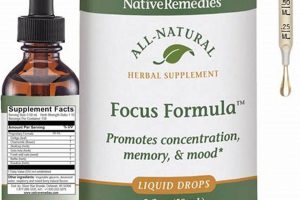
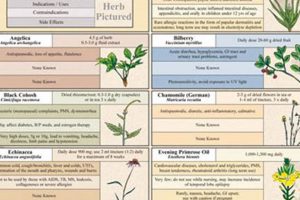
Products marketed for shedding pounds utilizing botanical ingredients are available in various forms, including capsules, tablets, powders, and teas. These formulations often contain a blend of herbs, each purported to influence metabolism, suppress appetite, or reduce fat absorption. As an example, a capsule might contain green tea extract, garcinia cambogia, and caffeine, all ingredients associated with weight management.
The appeal of these items lies in their perceived natural origin, leading many to believe they are inherently safer than synthetic alternatives. Historically, plants have been a source of medicinal compounds, and the tradition of using herbs for health extends back centuries. However, the efficacy and safety of these products are subjects of ongoing debate and scientific investigation. Their significance stems from the widespread desire for accessible and potentially less invasive methods of managing body weight.
The following sections will delve into the specific ingredients commonly found in these products, explore the scientific evidence supporting or refuting their claims, discuss potential risks and side effects, and examine regulatory aspects surrounding their sale and consumption.
Guidance Regarding Botanical Weight Management Aids
Prudent use of any weight management strategy, including those involving botanical ingredients, requires careful consideration and a realistic understanding of potential outcomes.
Tip 1: Consult with a Healthcare Professional: Prior to initiating any regimen involving such aids, a consultation with a physician or qualified healthcare provider is essential. This step allows for a comprehensive assessment of individual health status and identification of potential contraindications with existing medications or conditions.
Tip 2: Scrutinize Ingredient Labels: Thoroughly examine the ingredient list and research the scientific evidence supporting the efficacy of each component. Be wary of proprietary blends where the exact quantities of each ingredient are not disclosed.
Tip 3: Manage Expectations: Understand that botanical aids are unlikely to produce significant weight loss without concomitant lifestyle modifications, including a balanced diet and regular physical activity. Avoid products promising rapid or unrealistic results.
Tip 4: Monitor for Adverse Effects: Closely observe the body’s response to the product. Discontinue use immediately if any adverse effects, such as gastrointestinal distress, palpitations, or allergic reactions, occur.
Tip 5: Exercise Caution with Stimulant-Containing Products: Many botanical aids contain stimulants such as caffeine. Individuals sensitive to stimulants or with pre-existing cardiovascular conditions should exercise extreme caution and monitor blood pressure and heart rate.
Tip 6: Verify Product Quality: Seek products from reputable manufacturers who adhere to good manufacturing practices (GMP). Look for third-party certifications that verify the product’s purity and potency.
Tip 7: Be Aware of Potential Interactions: Botanical ingredients can interact with prescription and over-the-counter medications. Inform the healthcare provider of all supplements being taken to avoid potentially harmful interactions.
Adherence to these guidelines promotes informed decision-making and minimizes the risk associated with the use of weight management aids containing botanical ingredients. A responsible and cautious approach is paramount.
The subsequent sections will provide detailed information regarding the efficacy, safety, and regulatory considerations of specific botanical ingredients commonly found in these products.
1. Ingredients Identification

The precise identification of each component within botanical weight management aids is paramount to understanding their potential effects, both beneficial and adverse. Accurate labeling and transparent ingredient disclosure are fundamental requirements for consumer safety and informed decision-making.
- Active vs. Inactive Components
Distinguishing between active ingredients, those directly responsible for the purported weight loss effects, and inactive components, which serve as fillers, binders, or coating agents, is crucial. The presence of certain inactive ingredients may trigger allergic reactions or sensitivities in susceptible individuals.
- Botanical Nomenclature and Standardization
The use of precise botanical nomenclature (e.g., Garcinia cambogia rather than simply “Garcinia”) ensures accurate identification of the plant source. Standardization of herbal extracts to a specific concentration of bioactive compounds (e.g., green tea extract standardized to 50% EGCG) allows for consistent dosing and predictable effects.
- Hidden or Undeclared Ingredients
The potential for adulteration or the inclusion of undeclared ingredients, such as synthetic pharmaceuticals or stimulants, poses a significant risk. Independent testing and third-party certification are vital to verifying the accuracy of ingredient labeling and detecting such contaminants.
- Quantitative Analysis and Dosage
Knowing the precise quantity of each ingredient is essential for assessing potential efficacy and safety. Vague labeling practices, such as proprietary blends where individual ingredient amounts are not specified, impede accurate dosage calculation and risk assessment.
The careful identification and quantification of ingredients in botanical weight management aids is not merely a matter of regulatory compliance; it is a cornerstone of responsible product development and consumer protection. Accurate labeling enables informed choices, facilitates risk assessment, and promotes the responsible use of these products within a comprehensive weight management strategy.
2. Mechanism of Action

The purported effectiveness of botanical weight management aids rests on their proposed mechanisms of action. These mechanisms represent the physiological or biochemical pathways through which the product is intended to exert its weight-reducing effects. Understanding the mechanism of action is crucial for evaluating the plausibility of claims and assessing potential risks. For example, some ingredients are claimed to increase metabolism (thermogenesis), while others purportedly suppress appetite or inhibit the absorption of dietary fats or carbohydrates. The validity of these claims depends on robust scientific evidence demonstrating that the ingredient indeed interacts with the targeted physiological process in a manner that contributes to weight loss.
Illustrative examples of proposed mechanisms include the stimulation of the sympathetic nervous system by ingredients containing caffeine or synephrine, leading to increased energy expenditure. Another mechanism involves the inhibition of pancreatic lipase by certain plant extracts, theoretically reducing the absorption of dietary fats. Some botanical ingredients are also believed to influence satiety hormones, such as leptin and ghrelin, thus decreasing appetite. Without a clear understanding of the specific mechanism, it is challenging to predict the product’s efficacy or potential for adverse interactions with other substances or pre-existing conditions. Lack of clarity on this point renders it difficult to determine the real-world value or potential dangers of taking these kinds of weight management aids.
In conclusion, the claimed mechanism of action of a botanical weight management aid serves as a cornerstone for assessing its potential benefits and risks. A scientifically plausible and well-supported mechanism increases the likelihood that the product will be effective and safe, while unsubstantiated claims raise concerns about its value and potential for harm. Therefore, a critical evaluation of the proposed mechanism of action is essential for informed decision-making.
3. Efficacy Evidence

The availability of robust efficacy evidence is a critical determinant of the value and appropriateness of any botanical weight management aid. The presence or absence of such evidence directly impacts the consumer’s ability to make informed decisions and the healthcare provider’s capacity to provide responsible guidance. Without credible scientific data supporting weight loss claims, the product’s potential benefits are questionable, and the risk of wasting resources or experiencing adverse effects increases significantly. The cause-and-effect relationship between the administration of such products and actual weight reduction must be demonstrated through rigorous, well-designed clinical trials. For instance, while green tea extract is often touted for its weight-loss properties, the magnitude of its effect in clinical trials is generally modest, and not all studies show a statistically significant benefit. This example highlights the importance of carefully scrutinizing the available efficacy evidence before drawing conclusions about a product’s effectiveness.
The importance of efficacy evidence extends beyond individual decision-making; it informs regulatory policies and advertising standards. Government agencies and industry self-regulatory bodies rely on this evidence to assess the legitimacy of weight loss claims and to prevent deceptive marketing practices. For example, if a product is advertised as promoting “significant weight loss” without adequate scientific support, it may be subject to regulatory action. The practical significance of this understanding lies in protecting consumers from misleading claims and encouraging manufacturers to invest in rigorous research to validate the efficacy of their products. Conversely, the absence of well-designed trials allows manufacturers to continue to promote products that may not deliver the promised benefits, undermining public trust and potentially harming consumer health.
In summary, efficacy evidence constitutes a crucial foundation for evaluating the potential value of botanical weight management aids. Challenges arise in interpreting and comparing studies due to variations in study design, participant characteristics, and outcome measures. However, a commitment to rigorous scientific evaluation remains essential to ensure that these products are used responsibly and that consumers are protected from unsubstantiated claims. This emphasis on evidence supports a broader theme of informed decision-making in health and wellness, aligning with the need for transparency and accountability in the weight management industry.
4. Safety Profiles

The safety profile of any product marketed as a weight loss aid is of paramount importance, especially when the formulation contains botanical ingredients. The term “safety profile” encompasses a thorough assessment of potential adverse effects, contraindications, and interactions associated with the product’s use. Due to the inherent variability in botanical composition and the potential for contamination, herbal weight loss supplements pose unique safety challenges compared to synthetic pharmaceuticals. Real-world examples highlight this concern: the ban of ephedra-containing products due to severe cardiovascular side effects and the documented liver toxicity associated with certain herbal ingredients underscore the critical need for comprehensive safety evaluations. The practical significance of this understanding lies in the prevention of adverse health outcomes and the protection of consumers from potentially harmful products.
A comprehensive safety profile includes information derived from preclinical studies, clinical trials, and post-market surveillance data. Preclinical studies, typically conducted in vitro or in animal models, help identify potential toxicities and mechanisms of action. Clinical trials provide valuable data on the product’s safety and efficacy in human subjects under controlled conditions. Post-market surveillance allows for the detection of rare or delayed adverse effects that may not be apparent during clinical trials. Furthermore, the safety profile must consider specific populations, such as pregnant or breastfeeding women, individuals with pre-existing medical conditions, and those taking concomitant medications, as they may be at increased risk of experiencing adverse events. Ingredient interactions may lead to unexpected and harmful side effects.
In conclusion, the safety profile is an indispensable component in the evaluation of botanical weight management products. The establishment of a clear safety profile requires thorough research and rigorous testing to minimize risks. This approach ensures responsible usage and facilitates informed decision-making by consumers and healthcare providers. The ongoing monitoring of safety data and the transparent communication of potential risks remain essential for maintaining public trust and promoting safe practices within the botanical weight management industry.
5. Regulatory Status

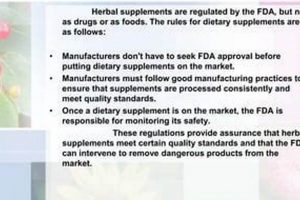
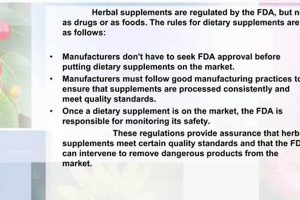
The regulatory status of botanical weight management aids significantly impacts their availability, marketing, and consumer safety. Unlike pharmaceuticals, these supplements are often regulated as foods or dietary supplements, a classification that typically entails less stringent pre-market review requirements. This classification has a direct effect on the types of claims that can be made about the product’s efficacy, with manufacturers generally prohibited from stating that their product treats, cures, or prevents any disease. A real-world example is the Dietary Supplement Health and Education Act (DSHEA) of 1994 in the United States, which defines the regulatory framework for dietary supplements and allows manufacturers to make structure/function claims, such as “supports healthy metabolism,” without prior approval from the Food and Drug Administration (FDA). This framework, while intended to promote consumer access to natural health products, also presents challenges in ensuring product safety and preventing deceptive marketing practices. The practical significance of this understanding lies in appreciating the limits of regulatory oversight and the importance of critical evaluation by consumers.
The implications of this regulatory landscape are multifaceted. On one hand, it fosters innovation and allows for the rapid introduction of new botanical weight management aids to the market. On the other hand, it places a greater burden on consumers to independently assess the quality, safety, and efficacy of these products. For instance, the FDA can take action against a product only after it has been shown to be unsafe, rather than requiring pre-market safety testing. Furthermore, the regulatory landscape varies considerably across different countries, creating inconsistencies in product standards and labeling requirements. In some jurisdictions, certain herbal ingredients are subject to stricter controls or outright bans due to safety concerns, whereas they may be freely available in others. Therefore, it is essential for consumers and healthcare professionals to be aware of the specific regulations governing botanical weight management aids in their respective regions.
In summary, the regulatory status of botanical weight management products directly affects their accessibility, the claims made about them, and the level of consumer protection afforded. The classification of these products as dietary supplements generally results in less rigorous pre-market scrutiny compared to pharmaceuticals. This lower level of regulation increases the importance of consumers being well-informed and cautious when considering using botanical weight management aids. Understanding the regulatory framework and its limitations is essential for making informed decisions and for promoting responsible self-care practices within the context of weight management.
6. Potential Interactions

The potential for interactions between botanical weight management aids and other substances, including prescription medications, over-the-counter drugs, and other dietary supplements, represents a significant concern. These interactions can alter the efficacy of prescribed treatments or exacerbate adverse effects, thereby posing serious risks to individuals.
- Herb-Drug Interactions
Botanical ingredients can influence the absorption, distribution, metabolism, and excretion of pharmaceutical drugs, leading to altered drug concentrations in the body. For example, St. John’s Wort, an herb sometimes found in weight loss formulations, is a known inducer of certain liver enzymes that metabolize many drugs, potentially reducing the effectiveness of medications such as oral contraceptives, antidepressants, and anticoagulants. Conversely, other herbs may inhibit these enzymes, leading to increased drug levels and a higher risk of toxicity. Such interactions necessitate careful consideration and monitoring, particularly for individuals on complex medication regimens.
- Herb-Herb Interactions
The combination of multiple botanical ingredients within a single weight loss supplement can also lead to interactions, either synergistic or antagonistic. Synergistic interactions occur when the combined effect of multiple herbs is greater than the sum of their individual effects, potentially increasing the risk of adverse events. Antagonistic interactions, on the other hand, can diminish the effectiveness of one or more of the herbs. The complexity of herbal formulations and the limited research on herb-herb interactions make it challenging to predict these effects, highlighting the need for caution when using multi-ingredient supplements.
- Herb-Food Interactions
Certain botanical ingredients can interact with food components, affecting nutrient absorption or metabolism. For instance, some herbs may interfere with the absorption of essential minerals like iron or calcium, potentially leading to nutrient deficiencies over time. Additionally, some herbs can alter blood sugar levels, posing a risk to individuals with diabetes, especially when combined with dietary changes or glucose-lowering medications. Consideration of potential herb-food interactions is important for optimizing nutrient intake and managing underlying health conditions.
- Interactions with Medical Conditions
The use of herbal weight loss supplements can exacerbate pre-existing medical conditions or interfere with their management. For example, stimulant-containing herbs can worsen anxiety, insomnia, and cardiovascular conditions. Certain herbs may also affect blood clotting, posing a risk to individuals with bleeding disorders or those undergoing surgery. Therefore, individuals with underlying medical conditions should consult with a healthcare professional before using botanical weight management aids to assess potential risks and ensure appropriate monitoring.
The potential for interactions highlights the complex pharmacological properties of botanical ingredients and the need for a comprehensive approach to assessing their safety. Open communication between patients and healthcare providers regarding the use of herbal weight loss supplements is essential for preventing adverse outcomes and ensuring the safe and effective integration of these products into a comprehensive weight management plan.
7. Consumer Awareness
The link between consumer awareness and weight loss aids containing botanical ingredients is direct and consequential. Insufficient awareness regarding the ingredients, potential side effects, and limited regulatory oversight can lead to inappropriate product use and adverse health outcomes. The marketing strategies employed for these products often emphasize natural origins and potential benefits while downplaying potential risks, thereby underscoring the importance of a discerning consumer base. For instance, a consumer unaware of the potential cardiovascular risks associated with stimulant-containing herbs may use such a product without understanding the implications for pre-existing heart conditions. Similarly, a lack of awareness regarding potential interactions with prescription medications can lead to diminished treatment efficacy or increased toxicity.
Enhanced consumer awareness requires multifaceted approaches, including improved labeling regulations, public education campaigns, and greater involvement from healthcare professionals. Clear and accurate product labeling, including the identification of all active ingredients and potential side effects, is fundamental. Public education initiatives can disseminate evidence-based information regarding the safety and efficacy of botanical weight management aids, thereby empowering consumers to make informed choices. Moreover, healthcare providers play a crucial role in counseling patients about the risks and benefits of these products, particularly for individuals with underlying medical conditions or those taking multiple medications. Consumer Reports and the National Institutes of Health (NIH) are reliable resources that provide unbiased information for consumers.
In summary, the level of consumer awareness directly impacts the responsible use of botanical weight management products. Addressing the existing knowledge gap through improved labeling, public education, and healthcare provider involvement is essential for mitigating potential risks and promoting informed decision-making. The challenges inherent in regulating a diverse and rapidly evolving market underscore the need for proactive measures to empower consumers with the knowledge they need to protect their health and well-being, thereby enhancing the practical and ethical considerations that drive this market.
Frequently Asked Questions Regarding Botanical Weight Management Aids
The following questions and answers address common concerns and misconceptions surrounding products marketed for weight reduction containing botanical ingredients.
Question 1: Are “herbal weight loss supplement” products safe because they are “natural”?
The term “natural” does not equate to safety. Botanical ingredients can possess pharmacological activity and may interact with medications or exacerbate underlying health conditions. Thorough research and consultation with a healthcare professional are essential before using any product, regardless of its “natural” designation.
Question 2: Can “herbal weight loss supplement” products produce significant weight loss without dietary changes or exercise?
Substantial weight loss typically requires a combination of lifestyle modifications, including dietary changes and regular physical activity. These products may offer limited support, but they are unlikely to produce significant results in the absence of these fundamental changes.
Question 3: Are all “herbal weight loss supplement” products subject to rigorous testing and regulatory oversight?
These products are generally regulated as dietary supplements, which are subject to less stringent pre-market review compared to pharmaceuticals. Manufacturers are responsible for ensuring the safety of their products, but independent testing and verification are often lacking. Therefore, consumers must exercise caution and seek products from reputable manufacturers with third-party certifications.
Question 4: How can potential interactions between “herbal weight loss supplement” products and prescription medications be identified?
Individuals taking prescription medications should consult with a healthcare professional before using any new product, including those marketed for weight loss. A healthcare provider can assess potential interactions and provide guidance on safe and appropriate use.
Question 5: Are the weight loss claims made by “herbal weight loss supplement” manufacturers always supported by scientific evidence?
Marketing claims should be critically evaluated, as not all claims are supported by rigorous scientific evidence. Look for products that have undergone clinical trials demonstrating efficacy and safety. Be wary of products promising rapid or unrealistic results.
Question 6: What steps can be taken to ensure the quality and purity of “herbal weight loss supplement” products?
Seek products from reputable manufacturers who adhere to good manufacturing practices (GMP). Look for third-party certifications that verify the product’s purity and potency. Thoroughly examine the ingredient list and research the scientific evidence supporting the efficacy of each component.
The key takeaways from these questions emphasize the importance of responsible decision-making, informed consumerism, and consultation with healthcare professionals when considering the use of botanical weight management aids.
The following section will provide resources for further research and consultation.
Conclusion
The exploration of herbal weight loss supplements reveals a landscape characterized by both promise and peril. The allure of natural solutions for weight management contrasts sharply with the documented risks and the limitations of existing scientific evidence. While some botanical ingredients may offer modest benefits under specific circumstances, these potential advantages must be carefully weighed against the possibility of adverse effects, drug interactions, and the potential for deceptive marketing practices. A discerning approach, grounded in scientific literacy and informed by professional medical advice, remains paramount.
The ongoing evolution of research and regulatory oversight will continue to shape the future of herbal weight loss supplements. Increased emphasis on rigorous clinical trials, standardized manufacturing processes, and transparent labeling practices is essential to ensuring consumer safety and fostering responsible product development. Until such measures are fully implemented, individuals considering the use of these products must proceed with caution, recognizing that informed decision-making is the most effective safeguard against potential harm.