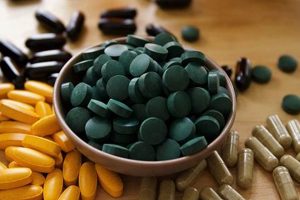
Substances derived from plants and intended to support health by reducing circulating fats within the bloodstream represent a category of complementary medicine. These natural remedies are utilized by individuals seeking to manage their lipid profiles through non-pharmaceutical interventions. Examples include compounds derived from garlic, red yeast rice, and artichoke, each purported to possess properties that contribute to improved cardiovascular well-being.
The appeal of employing these methods lies in their perceived gentler impact on the body compared to conventional pharmaceuticals. Historically, many cultures have long relied on botanicals for various health conditions, including those related to cardiovascular function. The potential advantages of these approaches encompass accessibility, cost-effectiveness in some regions, and a perceived alignment with holistic health philosophies. However, rigorous scientific evaluation is essential to substantiate claims of efficacy and safety.
Consequently, understanding the specific mechanisms of action, potential interactions with medications, and documented evidence supporting the use of plant-derived substances for modifying lipid metabolism requires critical analysis. Further discussion will explore prominent examples, the scientific evidence supporting their use, and important considerations regarding their safety and efficacy in the context of managing cardiovascular health.
Considerations for Utilizing Plant-Based Lipid Management
The following guidelines provide information to consider before incorporating plant-based substances into a cholesterol management strategy. It is vital to consult with qualified healthcare professionals before beginning any new regimen.
Tip 1: Research Specific Substances. Prior to use, thoroughly investigate the scientific evidence supporting the effectiveness and safety of the chosen botanical agent. Focus on peer-reviewed studies and reputable sources of information.
Tip 2: Understand Potential Interactions. Many herbal remedies can interact with prescription medications, potentially altering their efficacy or increasing the risk of adverse effects. Discuss all supplements with a physician or pharmacist to assess potential drug interactions.
Tip 3: Adhere to Recommended Dosages. Follow the recommended dosage guidelines provided by a healthcare professional or on the product label. Exceeding the suggested dosage may increase the risk of adverse effects without necessarily improving efficacy.
Tip 4: Source Products Carefully. The quality of plant-based remedies can vary significantly depending on the source and manufacturing processes. Select products from reputable manufacturers that adhere to good manufacturing practices (GMP) and provide third-party testing for purity and potency.
Tip 5: Monitor Lipid Levels Regularly. Regular monitoring of lipid levels through blood tests is crucial to assess the effectiveness of the intervention and make necessary adjustments to the treatment plan.
Tip 6: Maintain a Healthy Lifestyle. Plant-based substances are most effective when combined with a heart-healthy diet, regular exercise, and smoking cessation. Lifestyle modifications should be considered foundational to any cholesterol management strategy.
Tip 7: Report Side Effects. Promptly report any adverse effects or unexpected symptoms to a healthcare professional. This information is essential for managing potential risks and ensuring patient safety.
The integration of plant-derived substances into a cholesterol management strategy necessitates careful consideration, meticulous research, and close collaboration with healthcare professionals. A comprehensive approach encompassing lifestyle modifications, consistent monitoring, and responsible product selection is essential to optimize potential benefits while mitigating risks.
This information is intended as guidance for individuals interested in exploring plant-based options for managing cholesterol. The subsequent sections of this resource will delve further into the scientific evidence, potential benefits, and safety considerations associated with specific plant-derived compounds.
1. Efficacy evidence

The evaluation of efficacy constitutes a critical component in determining the viability of using plant-derived substances for the management of elevated blood lipids. Robust scientific evidence is paramount to validate claims of effectiveness and to ensure that these substances offer tangible benefits while minimizing potential harm.
- Randomized Controlled Trials (RCTs)
RCTs represent the gold standard in assessing the efficacy of any medical intervention. In the context of plant-derived remedies for lipid management, well-designed RCTs compare the effects of specific herbal supplements against a placebo or standard treatment. For example, studies evaluating red yeast rice have demonstrated its ability to lower LDL cholesterol, but the quality and consistency of these findings vary across trials. Positive outcomes in RCTs provide strong evidence supporting the efficacy of specific supplements.
- Meta-Analyses and Systematic Reviews
Meta-analyses and systematic reviews aggregate data from multiple studies to provide a comprehensive overview of the evidence. These analyses can identify consistent trends and patterns across different trials, helping to determine the overall effectiveness of a particular plant-derived remedy. A meta-analysis might reveal that garlic supplementation consistently leads to modest reductions in total cholesterol, but the clinical significance of these reductions needs careful consideration. The strength of the conclusions depends heavily on the quality and heterogeneity of the included studies.
- Mechanism of Action Studies
Understanding the mechanisms by which herbal supplements exert their effects is crucial for validating their potential. Studies investigating the mechanisms of action can elucidate how specific compounds in these supplements interact with physiological pathways involved in lipid metabolism. For instance, research might reveal that berberine, found in several herbal supplements, activates AMPK, an enzyme involved in regulating lipid and glucose metabolism. A clear understanding of the mechanism of action lends credibility to the efficacy claims.
- Dosage and Formulation Considerations
Efficacy is heavily dependent on appropriate dosage and formulation of the herbal supplement. Research must establish the optimal dosage range and the most effective formulation (e.g., extract, capsule, powder) to achieve the desired lipid-lowering effects. Studies should also consider factors such as bioavailability and standardization of active compounds. For example, a poorly standardized garlic supplement with low allicin content is unlikely to yield the same benefits as a high-quality, standardized extract. Dosage and formulation are, therefore, integral components of efficacy evidence.
Ultimately, the decision to incorporate plant-derived substances into a lipid management plan should be based on a thorough evaluation of the available efficacy evidence. A combination of RCTs, meta-analyses, mechanism of action studies, and dosage considerations provides a robust framework for assessing the potential benefits and limitations of these interventions. Reliance on anecdotal evidence or unsubstantiated claims should be avoided in favor of evidence-based decision-making.
2. Safety profiles

The assessment of safety profiles is paramount when considering plant-derived substances for managing lipid levels. Comprehending potential adverse effects, contraindications, and long-term implications is crucial for ensuring responsible utilization of these substances. This analysis must extend beyond short-term efficacy and consider the comprehensive impact on patient health.
- Adverse Effects and Tolerability
Plant-derived substances, while often perceived as gentler than conventional pharmaceuticals, can still induce adverse effects. These effects may range from mild gastrointestinal discomfort to more severe allergic reactions or hepatic dysfunction. For instance, red yeast rice contains monacolins, which are structurally similar to statin medications and can, therefore, cause similar side effects, such as muscle pain and liver enzyme elevation. Thorough evaluation of tolerability is essential to minimize patient discomfort and potential harm. Monitoring liver function and creatine kinase levels is often advisable when initiating or continuing certain herbal remedies.
- Drug Interactions
Many plant-derived substances can interact with prescription medications, potentially altering their efficacy or increasing the risk of adverse events. St. John’s Wort, for example, is known to induce cytochrome P450 enzymes, which can reduce the effectiveness of numerous drugs, including statins and anticoagulants. Likewise, garlic supplements can potentiate the effects of anticoagulant medications, increasing the risk of bleeding. Comprehensive evaluation of potential drug interactions is, therefore, a critical aspect of safety assessment to mitigate the risk of adverse outcomes.
- Contraindications and Pre-existing Conditions
Certain plant-derived substances are contraindicated in specific patient populations due to pre-existing medical conditions or other factors. For example, pregnant or breastfeeding women should generally avoid herbal supplements without explicit approval from a healthcare provider due to potential risks to the developing fetus or infant. Individuals with liver or kidney disease may also require careful monitoring and dosage adjustments when using herbal remedies. Understanding contraindications is crucial for preventing unintended harm.
- Long-Term Safety
While short-term studies may provide initial insights into the safety of plant-derived substances, comprehensive assessment of long-term safety is often lacking. Chronic use of certain supplements may lead to unforeseen health consequences or cumulative toxicity. For example, the long-term effects of high-dose berberine supplementation on liver and kidney function remain incompletely characterized. Longitudinal studies are needed to fully elucidate the long-term safety profiles of these substances.
The safe and responsible utilization of plant-derived substances for managing lipid levels necessitates a meticulous evaluation of potential adverse effects, drug interactions, contraindications, and long-term safety implications. Comprehensive assessment by healthcare professionals is essential to ensure that these substances are used appropriately and that patient well-being is prioritized. The perceived “naturalness” of these remedies should not lead to complacency regarding their potential risks.
3. Potential interactions

The potential for interactions between plant-derived lipid-lowering agents and conventional pharmaceutical medications represents a significant clinical consideration. Concurrent use necessitates careful evaluation due to the possibility of both synergistic and antagonistic effects, which can compromise therapeutic outcomes and patient safety.
- Pharmacokinetic Interactions
Pharmacokinetic interactions involve alterations in the absorption, distribution, metabolism, or excretion (ADME) of either the herbal supplement or the conventional drug. For example, St. John’s Wort, known for its CYP450 enzyme-inducing properties, can accelerate the metabolism of statin medications, potentially reducing their efficacy in lowering LDL cholesterol. Conversely, some herbal constituents may inhibit drug transporters, leading to increased drug concentrations and heightened risk of toxicity. This bidirectional influence necessitates diligent monitoring of drug levels and clinical response.
- Pharmacodynamic Interactions
Pharmacodynamic interactions occur when the combined effects of the herbal supplement and conventional drug are additive, synergistic, or antagonistic at the target site. Garlic supplements, for instance, possess antiplatelet properties and may potentiate the effects of anticoagulant medications such as warfarin, increasing the risk of bleeding complications. In contrast, certain herbal agents may counteract the lipid-lowering effects of statins, diminishing the overall therapeutic benefit. Understanding the pharmacodynamic profiles of both the herbal supplement and the conventional drug is crucial for predicting and managing potential interactions.
- Herb-Drug-Food Interactions
The complexity of potential interactions extends beyond herb-drug combinations to include interactions with dietary components. Certain foods can alter the absorption or metabolism of both herbal supplements and conventional medications, further complicating the clinical picture. For example, grapefruit juice is a known inhibitor of CYP3A4, an enzyme involved in the metabolism of many statins, and its concurrent consumption with specific herbal supplements may exacerbate drug interactions. A comprehensive assessment of dietary habits is, therefore, essential when evaluating the potential for interactions.
- Variability in Herbal Product Composition
The composition of herbal products can vary significantly depending on factors such as plant species, growing conditions, harvesting methods, and manufacturing processes. This variability introduces uncertainty regarding the concentrations of active constituents and the potential for interactions. Lack of standardization and quality control can further exacerbate the risk of unpredictable drug interactions. Selecting products from reputable manufacturers that adhere to good manufacturing practices (GMP) and provide third-party testing for purity and potency is crucial for mitigating this variability.
The potential for interactions involving plant-derived lipid-lowering agents underscores the importance of comprehensive medication reconciliation and patient education. Healthcare professionals must actively solicit information about herbal supplement use and assess the potential for interactions with prescribed medications. Collaboration between physicians, pharmacists, and other healthcare providers is essential to ensure the safe and effective utilization of both conventional and complementary therapies.
4. Dosage adherence
Dosage adherence represents a critical determinant of the efficacy and safety of plant-derived substances employed to modulate lipid profiles. These substances, unlike conventional pharmaceuticals, often require precise and consistent administration to achieve therapeutic benefits. Deviations from prescribed dosages, whether through under- or over-consumption, can compromise the intended lipid-lowering effects and potentially induce adverse reactions. For example, inconsistent intake of red yeast rice, an herbal supplement containing monacolins that inhibit cholesterol synthesis, may result in fluctuating LDL cholesterol levels, rendering the treatment ineffective. Similarly, exceeding the recommended dosage of garlic supplements, while unlikely to cause severe harm, may increase the risk of gastrointestinal distress and bleeding complications.
The importance of dosage adherence is amplified by the inherent variability in the composition and bioavailability of herbal products. Unlike pharmaceutical medications, where active ingredients are precisely quantified, the concentration of bioactive compounds in herbal supplements can fluctuate based on factors such as plant source, harvesting methods, and manufacturing processes. Consequently, strict adherence to established dosage guidelines becomes paramount to ensure consistent exposure to the active constituents. Furthermore, the delayed onset of action often associated with herbal remedies necessitates sustained adherence over an extended period to observe clinically significant changes in lipid parameters. Patients must understand that tangible benefits may not be immediate and that unwavering compliance is essential for achieving desired outcomes. A practical example includes consistent daily consumption of artichoke extract for several weeks before noticeable reductions in cholesterol are observed, highlighting the need for prolonged adherence.
In summary, dosage adherence is not merely a peripheral aspect of herbal supplementation for lipid management but rather an indispensable component that directly influences treatment success and patient safety. The interplay between variable product composition, delayed onset of action, and potential for adverse effects underscores the importance of precise and consistent administration. Overcoming challenges related to patient compliance requires thorough education, realistic expectations, and close monitoring by healthcare professionals. A comprehensive approach that emphasizes the significance of dosage adherence will enhance the likelihood of achieving meaningful lipid reduction and improving cardiovascular health outcomes.
5. Product quality
Product quality is a critical determinant of the efficacy and safety of plant-derived substances employed for managing lipid profiles. Variations in product quality can significantly impact the concentrations of active constituents, presence of contaminants, and overall therapeutic potential, necessitating rigorous assessment and standardization.
- Standardization of Active Compounds
Standardization refers to the process of ensuring consistent levels of key bioactive compounds in herbal products. For herbal supplements intended to lower cholesterol, this might involve quantifying specific compounds known for their lipid-modulating effects, such as monacolins in red yeast rice or allicin in garlic extracts. Products lacking standardization may exhibit inconsistent or negligible therapeutic effects, rendering them unreliable for managing lipid levels. Rigorous quality control measures are essential to ensure that each dose delivers a predictable and effective amount of the active constituent.
- Purity and Contaminant Testing
Herbal supplements can be susceptible to contamination with heavy metals, pesticides, microorganisms, or other adulterants. Contaminants can compromise product safety and potentially exert adverse health effects. Stringent testing for purity and contaminant levels is essential to ensure that products meet established safety standards. Reputable manufacturers often employ third-party testing to verify product quality and provide consumers with confidence in the absence of harmful contaminants. The presence of even trace amounts of contaminants can negate the potential benefits of the herbal supplement and pose significant health risks.
- Bioavailability and Absorption
The bioavailability of active compounds refers to the extent to which they are absorbed into the bloodstream and available to exert their therapeutic effects. Factors such as particle size, formulation, and presence of absorption enhancers can influence bioavailability. Poorly formulated herbal supplements may exhibit limited bioavailability, even if they contain adequate amounts of active compounds. Evaluation of bioavailability is, therefore, an important aspect of product quality assessment. Techniques such as encapsulation or micronization can enhance the bioavailability of certain herbal extracts, improving their overall efficacy.
- Manufacturing Practices and Certifications
Adherence to Good Manufacturing Practices (GMP) is essential to ensure consistent product quality and safety. GMP guidelines cover various aspects of manufacturing, including raw material sourcing, production processes, quality control, and labeling. Products manufactured in GMP-certified facilities are more likely to meet established quality standards and provide reliable therapeutic effects. Certifications from independent organizations, such as the NSF International or USP, can further validate product quality and provide consumers with assurance that the product has undergone rigorous testing and meets established standards.
The quality of herbal supplements marketed for reducing elevated blood lipids directly impacts both the magnitude and consistency of clinical outcomes. Without robust quality control measures and adherence to established standards, these substances lack both therapeutic value and assurance of safety for their intended use. A comprehensive understanding of product quality parameters enables both consumers and healthcare providers to make informed decisions when incorporating botanicals into a treatment plan for managing cholesterol levels and mitigating cardiovascular risk.
6. Lifestyle synergy

The effective use of plant-derived substances to manage elevated blood lipids is inextricably linked to the concept of lifestyle synergy. Plant-derived substances do not operate in isolation but rather within the context of an individual’s overall health habits. Lifestyle choices exert a profound influence on lipid metabolism, and the integration of healthy practices can amplify the benefits of botanical interventions while minimizing potential risks.
- Dietary Modifications
A diet rich in saturated and trans fats, cholesterol, and processed foods can counteract the lipid-lowering effects of herbal supplements. Conversely, a diet emphasizing whole grains, fruits, vegetables, lean proteins, and healthy fats (e.g., omega-3 fatty acids) can synergistically enhance their therapeutic potential. For instance, incorporating soluble fiber-rich foods, such as oats and legumes, alongside herbal supplements like psyllium husk, may produce a greater reduction in LDL cholesterol than either intervention alone. Dietary modifications represent a foundational element of any lipid management strategy and can significantly amplify the efficacy of herbal remedies.
- Regular Physical Activity
Physical activity promotes cardiovascular health by increasing HDL cholesterol, reducing LDL cholesterol and triglycerides, and improving blood pressure and glucose control. Regular exercise can synergistically complement the effects of herbal supplements by further optimizing lipid profiles and reducing cardiovascular risk. Combining aerobic exercise with resistance training may provide the most comprehensive benefits. For example, incorporating a brisk daily walk alongside supplementation with red yeast rice may yield more substantial reductions in LDL cholesterol compared to either intervention alone. Physical activity should be viewed as an integral component of a holistic approach to lipid management.
- Weight Management
Excess weight, particularly abdominal obesity, is strongly associated with dyslipidemia, characterized by elevated triglycerides, reduced HDL cholesterol, and increased LDL cholesterol. Weight loss, achieved through dietary modifications and physical activity, can significantly improve lipid profiles and reduce cardiovascular risk. The lipid-lowering effects of herbal supplements can be amplified through effective weight management strategies. For instance, combining a calorie-restricted diet and regular exercise with supplementation with berberine may result in greater improvements in lipid parameters and insulin sensitivity compared to either intervention alone. Weight management represents a cornerstone of lipid management and can enhance the effectiveness of herbal interventions.
- Smoking Cessation and Stress Management
Smoking has detrimental effects on lipid profiles, increasing LDL cholesterol and reducing HDL cholesterol, while stress can exacerbate dyslipidemia through hormonal and metabolic mechanisms. Smoking cessation and effective stress management techniques can positively influence lipid parameters and reduce cardiovascular risk. Integrating these lifestyle modifications with herbal supplements can synergistically enhance their therapeutic benefits. For example, quitting smoking and practicing stress-reduction techniques, such as meditation or yoga, alongside supplementation with garlic extracts may yield more substantial improvements in lipid profiles and overall cardiovascular health. Addressing these lifestyle factors is essential for a comprehensive approach to lipid management.
In summary, the interplay between lifestyle factors and botanical agents in modulating blood lipids creates a synergistic effect that goes beyond the sum of its parts. Prioritizing these lifestyle factors not only complements the action of plant-derived substances but also establishes a foundation for long-term cardiovascular well-being. Incorporating sound dietary choices, regular physical activity, weight management, smoking cessation, and stress management techniques forms a comprehensive approach to optimizing lipid profiles and reducing the risk of cardiovascular events.
Frequently Asked Questions
The following section addresses common inquiries and misconceptions surrounding the use of plant-derived substances for the management of elevated blood lipid levels. This information is intended to provide clarity and promote informed decision-making.
Question 1: Are herbal supplements a safe alternative to prescription medications for high cholesterol?
The safety of plant-derived substances varies significantly depending on the specific supplement, dosage, individual health conditions, and potential interactions with other medications. While some herbal supplements may offer a degree of lipid-lowering effect, they are not invariably safer than conventional pharmaceuticals. Consult with a qualified healthcare professional to determine the most appropriate treatment strategy based on individual risk factors and medical history.
Question 2: How quickly can one expect to see results from using herbal supplements for cholesterol reduction?
The onset of action for herbal supplements typically occurs more gradually compared to prescription medications. Noticeable reductions in cholesterol levels may require several weeks or months of consistent use, coupled with lifestyle modifications. Regular monitoring of lipid parameters through blood tests is essential to assess the effectiveness of the intervention and make necessary adjustments to the treatment plan.
Question 3: Are there specific herbal supplements that are most effective for lowering LDL cholesterol?
Certain plant-derived substances, such as red yeast rice and berberine, have demonstrated potential in lowering LDL cholesterol. However, the efficacy of these supplements can vary depending on product quality, dosage, and individual responsiveness. Research the available scientific evidence to inform supplement choices.
Question 4: Can herbal supplements be used in conjunction with prescription cholesterol medications?
Combining herbal supplements with prescription cholesterol medications requires careful consideration due to the potential for drug interactions. Some herbal substances may potentiate the effects of conventional drugs, increasing the risk of adverse events, while others may reduce their efficacy. A physician should be consulted to assess potential interactions and ensure the safety of the combined treatment approach.
Question 5: Are there any known side effects associated with herbal supplements for cholesterol management?
Like any therapeutic agent, herbal supplements can cause side effects. Common adverse effects include gastrointestinal discomfort, allergic reactions, and potential liver toxicity. Red yeast rice, for example, contains monacolins similar to those found in statin medications and can cause similar side effects, such as muscle pain. Report any unusual symptoms to a healthcare provider promptly.
Question 6: How important is product quality when choosing herbal supplements for cholesterol reduction?
Product quality is of paramount importance. Select supplements from reputable manufacturers that adhere to Good Manufacturing Practices (GMP) and provide third-party testing for purity and potency. Standardization of active compounds ensures consistent dosing and therapeutic effects. The selection of high-quality products mitigates the risk of contamination and inaccurate dosing.
Herbal supplements may provide some benefit in managing cholesterol levels. However, a reliance on these supplements without consulting qualified medical expertise may lead to negative health outcome.
The subsequent section of this resource will explore the regulatory landscape surrounding herbal supplements and the implications for consumers.
Herbal Supplements to Lower Cholesterol
The preceding discussion has sought to provide a comprehensive overview of plant-derived substances utilized in the management of elevated blood lipids. Key areas explored encompassed the evidentiary basis for efficacy, potential safety concerns, drug interactions, the importance of dosage adherence, and the critical role of product quality. These factors, in conjunction with synergistic lifestyle modifications, collectively determine the suitability and effectiveness of incorporating botanical agents into a lipid-lowering strategy. The inherent variability in supplement composition and individual patient responses necessitates a cautious and informed approach.
Ultimately, the decision to employ herbal supplements to lower cholesterol should be undertaken in consultation with qualified healthcare professionals. The information presented herein serves to underscore the complexities and nuances inherent in this therapeutic modality, emphasizing the need for evidence-based decision-making and responsible utilization. Continued research and stringent regulatory oversight are essential to further elucidate the potential benefits and limitations of these substances in the context of cardiovascular health.