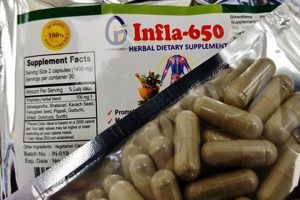
The pursuit of effective, natural remedies for managing unease and apprehension leads many individuals to explore the realm of botanical solutions. These preparations, derived from various plants, offer a potential alternative or complement to conventional treatments for those seeking to alleviate the symptoms associated with heightened stress levels and persistent worry. Their appeal lies in their perceived gentle action and reduced likelihood of significant side effects, compared to some pharmaceutical options.
The significance of these plant-derived aids extends beyond simple symptom relief. Historically, many cultures have utilized herbal medicine to address mental and emotional well-being. Contemporary interest stems from the desire for holistic wellness, empowering individuals to take an active role in managing their mental health through natural means. Furthermore, research into the efficacy of such remedies is ongoing, potentially uncovering novel pathways for anxiety management and offering evidence-based support for their use.
This exploration will delve into several widely recognized and researched botanical options. It will consider their purported mechanisms of action, existing scientific evidence regarding their effectiveness, potential risks and interactions, and important considerations for responsible use. The intent is to provide a balanced perspective, enabling informed decision-making regarding the potential incorporation of these natural products into a comprehensive anxiety management strategy.
Guidance on Herbal Supplement Use for Anxiety
This section provides essential considerations when exploring the potential of herbal supplements to manage anxiety symptoms. Adherence to these guidelines can promote safer and more effective outcomes.
Tip 1: Consult a Healthcare Professional: Prior to initiating any herbal supplement regimen, a thorough consultation with a qualified physician, psychiatrist, or registered herbalist is imperative. This ensures the supplement is appropriate for the individual’s specific condition, medical history, and current medications.
Tip 2: Research Reputable Brands: The quality and purity of herbal supplements can vary significantly. Rigorous research into different brands is essential to identify those with a proven track record of quality control and third-party testing for contaminants and accurate ingredient labeling.
Tip 3: Start with a Low Dosage: When beginning a new herbal supplement, it is advisable to start with the lowest recommended dosage and gradually increase it as tolerated. This approach minimizes the risk of adverse effects and allows the individual to assess their sensitivity to the supplement.
Tip 4: Monitor for Side Effects: Careful monitoring for any potential side effects is crucial. Common side effects may include digestive upset, skin rashes, or changes in sleep patterns. Any unusual or concerning symptoms should be promptly reported to a healthcare professional.
Tip 5: Be Aware of Potential Interactions: Herbal supplements can interact with prescription medications, over-the-counter drugs, and other supplements. Providing a complete list of all substances being consumed to a healthcare provider is essential to identify and avoid potentially harmful interactions.
Tip 6: Understand Realistic Expectations: Herbal supplements are not a panacea and may not provide immediate or complete relief from anxiety symptoms. Realistic expectations and a commitment to a comprehensive anxiety management strategy, including therapy and lifestyle modifications, are essential for optimal outcomes.
Tip 7: Consider the Form of the Supplement: Herbal supplements are available in various forms, including capsules, tablets, tinctures, and teas. The bioavailability and effectiveness of each form can vary. Consult with a healthcare professional to determine the most appropriate form for individual needs.
This information emphasizes the importance of a cautious and informed approach to herbal supplement use. Consulting with healthcare professionals, carefully researching products, and monitoring for potential side effects are all critical steps.
The following sections will address specific botanical options commonly considered for anxiety management, providing a more in-depth look at their properties and potential benefits.
1. Safety profile

The evaluation of a botanical intervention’s safety profile is paramount when considering its use for managing anxiety. A favorable profile indicates a low incidence of adverse reactions and contraindications. The selection of what could be considered the “best herbal supplement for anxiety” inherently necessitates prioritizing agents demonstrated to possess minimal potential for harm. This assessment extends beyond immediate side effects to include long-term risks, potential for organ toxicity, and effects on specific populations, such as pregnant women or individuals with pre-existing conditions. For instance, while St. John’s Wort is frequently cited for its anxiety-reducing properties, its potent interactions with numerous medications, including antidepressants and blood thinners, present a significant safety concern for many individuals, precluding its widespread recommendation.
The absence of robust safety data can render an otherwise promising botanical remedy unsuitable for widespread use. Insufficient research regarding potential long-term effects, particularly on hormonal or neurological function, can outweigh the perceived benefits of anxiety reduction. Moreover, variations in product quality and standardization contribute to uncertainty in the safety profile. Contamination with heavy metals, pesticides, or undeclared ingredients can introduce unforeseen risks, irrespective of the inherent properties of the herb itself. Therefore, reliance on reputable brands that adhere to rigorous quality control standards is crucial for mitigating potential safety hazards.
In conclusion, the safety profile represents a critical determinant in the selection process. The “best herbal supplement for anxiety” is not solely defined by its efficacy in alleviating symptoms but equally by its demonstrated lack of significant adverse effects and potential for harmful interactions. A comprehensive understanding of the safety profile, coupled with careful consideration of individual health factors and medication regimens, is essential for informed decision-making and responsible use of herbal interventions. This assessment should be conducted in consultation with a qualified healthcare professional.
2. Clinical efficacy

The designation of any botanical substance as the “best herbal supplement for anxiety” hinges fundamentally on its demonstrable clinical efficacy. This efficacy is not merely anecdotal or based on traditional use; rather, it requires substantiation through rigorous scientific investigation, typically in the form of randomized, placebo-controlled clinical trials. These trials assess the supplement’s ability to reduce anxiety symptoms, as measured by validated scales, in comparison to a control group receiving an inert substance. A statistically significant and clinically meaningful difference in anxiety scores between the treatment and control groups provides evidence of efficacy. Without such evidence, claims regarding a supplement’s anxiety-reducing properties remain speculative and potentially misleading.
The importance of clinical efficacy extends beyond simply demonstrating a reduction in anxiety symptoms. It also encompasses the determination of optimal dosage, duration of treatment, and identification of specific populations that may benefit most from the supplement. For example, a clinical trial might reveal that a particular herbal extract is effective for generalized anxiety disorder but not for social anxiety disorder, or that it is more effective in individuals with mild to moderate anxiety compared to those with severe anxiety. This granular level of understanding informs targeted recommendations and avoids the inappropriate use of supplements in situations where they are unlikely to be beneficial. The absence of clinical trials addressing these nuances contributes to uncertainty and limits the ability to definitively identify the most suitable and effective herbal intervention.
In conclusion, clinical efficacy serves as the cornerstone in the determination of the “best herbal supplement for anxiety.” It provides the objective evidence necessary to differentiate between potentially helpful remedies and those that lack proven benefit. While traditional use and anecdotal reports may offer valuable insights, they must be corroborated by well-designed clinical trials before a definitive endorsement can be made. Prioritizing supplements with robust clinical efficacy data ensures that individuals seeking natural anxiety relief are guided by evidence-based information, promoting both positive outcomes and responsible self-care practices.
3. Quality standards

The pursuit of a botanical solution demands a rigorous consideration of quality standards. The designation of any herbal product as the “best herbal supplement for anxiety” directly correlates with adherence to stringent manufacturing processes and testing protocols. The absence of these standards can lead to inconsistencies in potency, contamination with harmful substances, and misidentification of plant species, thereby undermining the product’s safety and efficacy. Therefore, quality standards are not merely desirable attributes but rather essential prerequisites for ensuring a beneficial and safe outcome. For example, a supplement lacking standardization may contain variable amounts of the active compound, resulting in inconsistent effects on anxiety levels. Furthermore, contamination with heavy metals or pesticides can exacerbate existing health conditions and introduce new risks.
Stringent quality control measures encompass several critical aspects, including the sourcing of raw materials, extraction methods, and final product testing. Reputable manufacturers typically implement Good Manufacturing Practices (GMP) to ensure consistent quality throughout the production process. Third-party testing by independent laboratories provides an additional layer of assurance, verifying the product’s identity, purity, and potency. Certificates of Analysis (COAs) should be readily available, providing detailed information on the supplement’s composition and contaminant levels. Consumers should actively seek out products with these certifications, demonstrating a commitment to quality and transparency. The U.S. Pharmacopeia (USP) and NSF International are recognized organizations that offer independent certification programs for dietary supplements.
Ultimately, the connection between quality standards and a superior herbal supplement for anxiety is undeniable. A product that adheres to rigorous quality control measures is more likely to deliver the intended therapeutic benefits while minimizing the risk of adverse effects. The practical significance of this understanding lies in empowering consumers to make informed choices, prioritizing supplements from reputable manufacturers with transparent quality control practices. While the potential benefits of herbal remedies for anxiety are promising, these benefits can only be realized through a steadfast commitment to quality standards and a cautious approach to product selection.
4. Drug interactions
The assessment of potential drug interactions is a critical component when evaluating any candidate for the “best herbal supplement for anxiety.” Concurrent use of herbal remedies with prescription medications, over-the-counter drugs, or other supplements can lead to significant alterations in drug metabolism and pharmacological effects. These interactions can diminish the efficacy of conventional treatments, potentiate adverse effects, or create entirely new and unexpected health risks.
- Pharmacokinetic Interactions
These interactions affect the absorption, distribution, metabolism, and excretion of drugs. For example, St. John’s Wort is a potent inducer of CYP3A4, an enzyme responsible for metabolizing a wide range of medications, including certain antidepressants, birth control pills, and statins. This induction can lead to decreased drug levels and therapeutic failure. Conversely, some herbs can inhibit drug metabolism, increasing drug concentrations and the risk of toxicity. Careful consideration of these pharmacokinetic pathways is essential to avoid adverse outcomes.
- Pharmacodynamic Interactions
These interactions involve the combined effects of drugs and herbs at the same target receptor or physiological system. For instance, combining an herbal supplement with sedative properties, such as valerian root, with benzodiazepines can potentiate central nervous system depression, leading to excessive sedation, respiratory depression, and impaired cognitive function. Similarly, combining herbs with anticoagulant properties, such as garlic or ginger, with blood-thinning medications like warfarin, can increase the risk of bleeding complications. A comprehensive understanding of pharmacodynamic mechanisms is crucial to prevent additive or synergistic effects.
- Herb-Disease Interactions
The presence of pre-existing medical conditions can influence the safety and efficacy of herbal supplements. Certain herbs may exacerbate specific disease states or interfere with their management. For example, individuals with autoimmune disorders should exercise caution when using immune-stimulating herbs, as these could potentially trigger or worsen autoimmune reactions. Furthermore, individuals with liver or kidney disease may be more susceptible to the toxic effects of certain herbs due to impaired detoxification or elimination. Careful consideration of underlying health conditions is necessary to avoid unintended consequences.
- Variability in Product Composition
The inherent variability in the chemical composition of herbal products poses a significant challenge in predicting drug interactions. Factors such as plant species, growing conditions, harvesting methods, and extraction techniques can all influence the concentrations of active compounds in a supplement. This variability can lead to inconsistencies in the magnitude and nature of drug interactions, making it difficult to establish clear guidelines for safe concurrent use. Standardization of herbal extracts is intended to address this issue, but it is not always consistently implemented. Therefore, caution is warranted even when using standardized herbal products.
The multifaceted nature of drug interactions underscores the importance of a comprehensive assessment before recommending any herbal supplement for anxiety. A thorough review of the individual’s medication regimen, medical history, and potential herb-drug interactions is essential to minimize risks and ensure the safe and effective use of herbal remedies. This evaluation should be conducted in consultation with a qualified healthcare professional.
5. Individual suitability

The conceptualization of “best herbal supplement for anxiety” invariably involves a nuanced understanding of individual suitability. A remedy demonstrating efficacy and safety in a broad population may prove ineffective or even harmful to specific individuals due to variations in physiology, genetics, pre-existing conditions, and concurrent medications. Therefore, the notion of a universally superior herbal supplement is inherently flawed; the most appropriate choice is contingent upon a thorough assessment of the individual’s unique characteristics and needs. This personalized approach is essential for optimizing therapeutic outcomes and minimizing the risk of adverse events. For example, an individual with a history of liver disease should exercise extreme caution with herbal supplements known to possess hepatotoxic potential, even if those supplements are otherwise considered effective for anxiety reduction in the general population.
The impact of individual suitability extends beyond pre-existing medical conditions to encompass factors such as age, gender, ethnicity, and lifestyle. These variables can influence drug metabolism, receptor sensitivity, and overall response to herbal interventions. For instance, pregnant or breastfeeding women require special consideration due to the potential for teratogenic or adverse effects on the developing fetus or infant. Similarly, older adults may exhibit altered drug metabolism and increased vulnerability to side effects, necessitating lower dosages or alternative herbal remedies. Furthermore, genetic polymorphisms can affect the activity of drug-metabolizing enzymes, leading to inter-individual variability in drug response. Awareness of these factors allows for a more tailored and precise approach to herbal supplement selection.
In conclusion, individual suitability constitutes a fundamental element in determining the “best herbal supplement for anxiety.” The absence of a one-size-fits-all solution necessitates a comprehensive evaluation of each individual’s unique characteristics, medical history, and potential risk factors. This personalized approach, guided by a qualified healthcare professional, is essential for maximizing therapeutic benefits and minimizing the risk of adverse outcomes. The pursuit of the “best” remedy should therefore prioritize individual needs and preferences over generalized claims of superiority, ensuring a safe and effective approach to natural anxiety relief.
Frequently Asked Questions
This section addresses common inquiries regarding the use of plant-derived substances to manage anxiety symptoms. The information presented aims to provide clarity and evidence-based guidance on the complex topic of natural anxiety relief.
Question 1: Are herbal supplements a safe alternative to prescription anxiolytics?
Herbal supplements are not inherently “safe” simply because they are natural. While some may present a lower risk of certain side effects compared to prescription medications, they can still pose risks, particularly in the context of drug interactions or pre-existing medical conditions. A thorough evaluation of individual risk factors is essential before considering any herbal remedy.
Question 2: How long does it take for herbal supplements to alleviate anxiety symptoms?
The onset of therapeutic effects varies considerably depending on the specific herbal supplement, dosage, individual metabolism, and the severity of anxiety symptoms. Some individuals may experience noticeable improvements within a few weeks, while others may require several months of consistent use. Patience and realistic expectations are essential, and the lack of immediate results does not necessarily indicate inefficacy.
Question 3: Can herbal supplements completely cure anxiety disorders?
Herbal supplements are generally not considered a cure for anxiety disorders. They may provide symptomatic relief and support overall well-being, but they are not a substitute for comprehensive treatment approaches, such as psychotherapy or prescription medications, when indicated. A holistic approach that integrates lifestyle modifications, stress management techniques, and professional guidance is often necessary for long-term management.
Question 4: How can one ensure the quality and purity of herbal supplements?
Selecting reputable brands that adhere to Good Manufacturing Practices (GMP) and undergo third-party testing is crucial for ensuring quality and purity. Look for products with certifications from organizations such as U.S. Pharmacopeia (USP) or NSF International. Certificates of Analysis (COAs) should be readily available, providing detailed information on the supplement’s composition and contaminant levels.
Question 5: Are there any specific herbal supplements that are universally effective for all types of anxiety?
No single herbal supplement is universally effective for all types of anxiety. The most appropriate choice depends on the specific type of anxiety disorder, individual symptoms, and potential underlying causes. Generalized anxiety disorder, social anxiety disorder, and panic disorder may respond differently to various herbal interventions. A tailored approach, guided by a healthcare professional, is essential for identifying the most suitable remedy.
Question 6: What are the potential risks and side effects associated with herbal supplements for anxiety?
Potential risks and side effects vary depending on the specific herbal supplement. Common side effects may include digestive upset, skin rashes, or changes in sleep patterns. More serious risks include liver toxicity, drug interactions, and allergic reactions. It is crucial to research the potential side effects and contraindications of any herbal supplement before use and to promptly report any unusual symptoms to a healthcare professional.
The information presented in this FAQ section underscores the importance of a cautious and informed approach to the use of botanical supplements for anxiety. Consultation with qualified healthcare providers, thorough product research, and realistic expectations are essential for optimizing outcomes and minimizing risks.
The subsequent section explores practical strategies for integrating herbal supplements into a comprehensive anxiety management plan.
Comprehensive Evaluation
This exploration has underscored that identifying a definitive “best herbal supplement for anxiety” is a complex undertaking, devoid of simple solutions. The determination necessitates a rigorous evaluation encompassing safety, clinical efficacy, product quality, potential drug interactions, and, crucially, individual suitability. The information presented elucidates the multifaceted nature of herbal remedies and their potential impact on anxiety management. Careful consideration of these factors empowers informed decision-making.
The responsible integration of botanical interventions into an anxiety management plan requires collaboration with qualified healthcare professionals. Prioritizing evidence-based choices, individualized assessments, and adherence to quality standards maximizes the potential for benefit while minimizing risks. This approach fosters a path towards holistic well-being, grounded in both scientific understanding and personalized care. Further research and rigorous regulatory oversight are essential to fully characterize the role of herbal supplements in mental health.