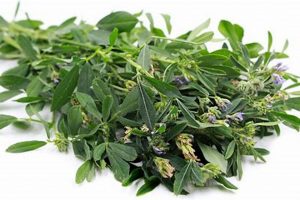
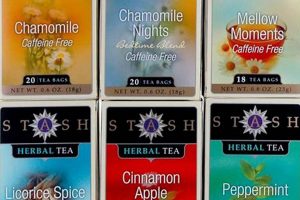
The phrase refers to the use of plants or plant-derived substances to alleviate the symptoms of migraine headaches. As an example, extracts from feverfew plants have been historically employed in traditional medicine to manage headache frequency and severity.
The potential of utilizing natural remedies to address migraine offers several perceived advantages. These advantages include the possibility of fewer side effects compared to conventional pharmaceutical interventions, as well as a preference for holistic approaches to health management. Historically, various cultures have documented the use of botanical ingredients for headache relief, reflecting a long-standing interest in this domain.
The subsequent sections will delve into specific botanical options commonly cited, examine the available scientific evidence supporting their efficacy, and discuss the necessary considerations for safe and responsible integration of these approaches.
Guidance on Botanical Migraine Management
The following guidelines offer preliminary information regarding the utilization of plant-derived substances to potentially mitigate migraine symptoms. Consultation with qualified healthcare professionals is strongly advised prior to initiating any new treatment regimen.
Tip 1: Identify Potential Triggers: Maintaining a detailed headache diary is crucial. Record dietary intake, stress levels, sleep patterns, and environmental factors preceding migraine episodes to identify potential causative agents. Avoidance of these triggers may reduce the frequency and intensity of attacks.
Tip 2: Consider Feverfew Supplementation: Feverfew ( Tanacetum parthenium ) possesses purported anti-inflammatory properties. Standardized extracts containing parthenolide may offer prophylactic benefits. Adherence to recommended dosages is essential, and potential interactions with anticoagulant medications should be carefully evaluated.
Tip 3: Explore Ginger’s Anti-Nausea Effects: Ginger ( Zingiber officinale) has demonstrated efficacy in reducing nausea, a common migraine symptom. Ginger capsules or tea preparations can be considered. However, individuals with pre-existing gastrointestinal conditions should exercise caution.
Tip 4: Investigate Butterbur Extracts: Butterbur ( Petasites hybridus) extracts, specifically those processed to remove pyrrolizidine alkaloids (PAs), may exhibit preventative effects. Select reputable brands that guarantee PA-free products due to the potential hepatotoxicity associated with these compounds.
Tip 5: Prioritize Hydration and Magnesium Intake: Dehydration can exacerbate migraine. Ensure adequate fluid consumption throughout the day. Magnesium deficiency has also been implicated in migraine pathogenesis. Dietary sources of magnesium, such as leafy green vegetables and nuts, should be emphasized. Supplementation may be considered after evaluation of magnesium levels.
Tip 6: Evaluate Peppermint Oil for Tension Relief: Topical application of diluted peppermint oil to the temples and forehead may provide symptomatic relief by relaxing tense muscles. Exercise caution to avoid contact with the eyes.
Tip 7: Embrace Lifestyle Modifications: Regular exercise, consistent sleep schedules, and stress management techniques, such as meditation or yoga, can contribute significantly to migraine prevention. A holistic approach that integrates these lifestyle modifications alongside botanical remedies is often most effective.
Adherence to these recommendations, in conjunction with professional medical guidance, may potentially contribute to improved migraine management and overall well-being. However, individual responses may vary, and ongoing monitoring of symptoms is imperative.
The subsequent sections will explore specific products and preparations, regulatory considerations, and cautionary notes regarding potential adverse effects associated with plant-derived interventions.
1. Identification and avoidance

Identification and avoidance of migraine triggers constitute a foundational element in any migraine management strategy, including those incorporating plant-derived substances. The rationale stems from the cause-and-effect relationship between specific environmental, dietary, or behavioral factors and the onset of migraine episodes. For example, if a patient consistently experiences migraines after consuming aged cheeses, identifying this dietary trigger and subsequently avoiding it can significantly reduce migraine frequency, independent of any herbal intervention.
The importance of trigger identification lies in its potential to minimize the reliance on both pharmaceutical and botanical remedies. Successfully avoiding known triggers can diminish the need for acute or prophylactic treatments. Consider an individual whose migraines are frequently precipitated by stress. Implementing stress-reduction techniques, such as meditation or regular exercise, may be more effective than solely relying on herbal supplements to manage migraine attacks. Furthermore, combining trigger avoidance with carefully selected herbal remedies could offer a synergistic effect, potentially enhancing the overall therapeutic outcome.
In summary, while botanical approaches may offer symptomatic relief or preventative benefits, they should be considered as adjuncts to, rather than replacements for, diligent trigger identification and avoidance. This proactive approach allows individuals to gain greater control over their migraine condition and optimize the effectiveness of any chosen treatment modality, be it conventional or plant-based. The challenges lie in the meticulous tracking of potential triggers and the commitment to implementing necessary lifestyle modifications. Successful integration of these strategies, however, represents a crucial step toward effective migraine management.
2. Anti-inflammatory properties

The presence of anti-inflammatory properties within certain plants constitutes a significant area of investigation within the context of botanical interventions for migraine. Inflammation is implicated in the pathophysiology of migraine, contributing to the vasodilation and neuronal activation observed during attacks. Therefore, the capacity of plant-derived substances to modulate inflammatory pathways represents a plausible mechanism for mitigating migraine symptoms.
- Inhibition of Pro-inflammatory Mediators
Certain herbal constituents, such as those found in feverfew, may suppress the production of pro-inflammatory mediators like prostaglandins and leukotrienes. These molecules are known to sensitize pain receptors and contribute to the neurovascular inflammation associated with migraine. By inhibiting their synthesis, botanical extracts may reduce the overall inflammatory burden and subsequently alleviate headache pain.
- Modulation of Cytokine Expression
Cytokines, including tumor necrosis factor-alpha (TNF-) and interleukin-1 (IL-1), play a crucial role in the inflammatory cascade during migraine. Some herbal remedies are believed to modulate the expression of these cytokines, potentially downregulating the inflammatory response. This mechanism is particularly relevant in chronic migraine, where persistent inflammation may contribute to the sensitization of pain pathways.
- Antioxidant Activity and Reduction of Oxidative Stress
Oxidative stress, characterized by an imbalance between free radical production and antioxidant defenses, can exacerbate inflammation. Certain plants possess antioxidant properties, capable of neutralizing free radicals and reducing oxidative damage. By mitigating oxidative stress, these herbs may indirectly dampen the inflammatory response associated with migraine.
- Influence on Platelet Aggregation
Platelet aggregation and the release of vasoactive substances from platelets can contribute to the vascular component of migraine. Some botanical compounds exhibit anti-platelet activity, potentially reducing platelet aggregation and the subsequent release of inflammatory mediators. This mechanism may be particularly relevant in migraine with aura, where vascular changes play a prominent role.
The anti-inflammatory properties inherent in various plants offer a rationale for their utilization in migraine management. However, it is essential to acknowledge that the precise mechanisms of action and the clinical efficacy of these interventions require further investigation through rigorous scientific studies. Additionally, the potential for herb-drug interactions and adverse effects must be carefully considered when incorporating botanical remedies into migraine treatment plans.
3. Nausea Symptom Reduction

Nausea frequently accompanies migraine attacks, significantly impacting patient well-being and hindering daily activities. Consequently, strategies to mitigate this symptom are integral to comprehensive migraine management, including the exploration of botanical interventions.
- Ginger’s Anti-Emetic Action
Ginger ( Zingiber officinale ) possesses well-documented anti-emetic properties attributed to its active compounds, such as gingerol and shogaol. These compounds interact with the gastrointestinal tract, potentially accelerating gastric emptying and reducing the sensation of nausea. Clinical studies suggest that ginger supplementation may be as effective as some conventional anti-nausea medications in alleviating nausea symptoms associated with various conditions, including migraine. However, optimal dosages and long-term effects require further investigation.
- Peppermint Oil and Digestive Comfort
Peppermint oil, derived from Mentha piperita, contains menthol and menthone, which exhibit antispasmodic effects on the gastrointestinal tract. These compounds may help relax the smooth muscles of the stomach and intestines, potentially reducing nausea and abdominal discomfort. While primarily used topically for tension-type headaches, the aroma of peppermint oil may also offer some relief from nausea for some migraine sufferers. However, caution is advised for individuals with gastroesophageal reflux disease, as peppermint can exacerbate symptoms.
- Chamomile’s Calming Influence
Chamomile ( Matricaria chamomilla) is recognized for its calming and anxiolytic properties. While its direct anti-emetic effects may be less pronounced than those of ginger, chamomile can indirectly alleviate nausea by reducing anxiety and promoting relaxation. Since anxiety can exacerbate nausea, chamomile tea or supplements may be beneficial for individuals whose migraine-associated nausea is partially driven by anxiety or stress. However, individuals with allergies to plants in the Asteraceae family should exercise caution.
- Lemon Balm and Digestive Regulation
Lemon balm ( Melissa officinalis) possesses mild sedative and digestive properties. It may help to regulate gastrointestinal motility and reduce feelings of fullness or bloating that can contribute to nausea. While clinical evidence specifically addressing its anti-nausea effects in migraine is limited, lemon balm may be a useful adjunct for individuals experiencing mild nausea and digestive upset alongside their migraine symptoms.
The use of botanical remedies for nausea reduction during migraine attacks represents a complementary approach to conventional anti-emetic medications. While some herbs, such as ginger, possess substantial evidence supporting their efficacy, further research is needed to fully elucidate the mechanisms of action and determine optimal dosages for other botanical interventions. It is essential to consult with a healthcare professional before incorporating these remedies, particularly for individuals with pre-existing medical conditions or those taking other medications.
4. Prophylactic application evaluation

The evaluation of prophylactic application is paramount when considering botanical interventions for migraine. Prophylactic treatment aims to reduce the frequency, severity, or duration of migraine attacks, rather than merely addressing acute symptoms. Rigorous evaluation is essential to determine the efficacy and safety of utilizing plant-derived substances for this purpose.
- Clinical Trial Design and Methodological Rigor
Clinical trials evaluating prophylactic botanical applications must adhere to stringent methodological standards. Randomized, placebo-controlled trials are essential to minimize bias and isolate the true effect of the intervention. Adequate sample sizes are necessary to ensure sufficient statistical power to detect clinically meaningful differences. The study design should clearly define inclusion and exclusion criteria, outcome measures, and follow-up periods. For instance, a trial investigating feverfew for migraine prevention should specify the standardized extract used, the dosage regimen, and the primary outcome measure, such as the reduction in migraine days per month.
- Standardization of Herbal Preparations
The consistency of herbal preparations is a critical factor in prophylactic application evaluation. The active compounds within plants can vary depending on factors such as growing conditions, harvesting methods, and extraction processes. Therefore, it is imperative to use standardized extracts that contain a consistent amount of the key bioactive constituents. For example, butterbur extracts should be standardized for petasin and isopetasin content and rigorously tested to ensure the absence of pyrrolizidine alkaloids (PAs), which are hepatotoxic. The standardization process enhances the reliability and reproducibility of clinical trial results.
- Assessment of Long-Term Safety and Tolerability
Prophylactic treatments are administered over extended periods, making the assessment of long-term safety and tolerability paramount. Clinical trials should carefully monitor for adverse events and potential herb-drug interactions. The cumulative effects of prolonged exposure to botanical compounds must be considered. For instance, while some herbal remedies may be well-tolerated in the short term, their long-term effects on liver function, kidney function, or other organ systems need to be thoroughly evaluated. Post-marketing surveillance can also provide valuable data on the real-world safety of prophylactic botanical applications.
- Patient-Reported Outcomes and Quality of Life Measures
While objective measures, such as the number of migraine days, are important, patient-reported outcomes (PROs) and quality of life (QoL) measures provide valuable insights into the subjective experience of migraine sufferers. These measures assess the impact of migraine on various aspects of daily life, including physical functioning, emotional well-being, and social interactions. Prophylactic interventions should aim to improve not only the frequency and severity of migraines but also the overall QoL of patients. PROs can capture subtle benefits that may not be detected by traditional objective measures alone.
In summary, the rigorous evaluation of prophylactic botanical applications for migraine requires adherence to stringent scientific principles, including well-designed clinical trials, standardized herbal preparations, careful monitoring of long-term safety, and the integration of patient-reported outcomes. Only through such rigorous evaluation can the true efficacy and safety of botanical interventions for migraine prevention be established, ultimately guiding evidence-based clinical practice.
5. Lifestyle Modifications assessment

Lifestyle modifications assessment forms an integral component of any holistic approach to migraine management, including those incorporating botanical interventions. The interplay between lifestyle factors and migraine pathogenesis is well-established; therefore, a comprehensive evaluation of these elements is crucial for optimizing the effectiveness of plant-derived remedies. Migraine triggers frequently stem from modifiable lifestyle choices, such as dietary habits, sleep patterns, stress levels, and physical activity. A thorough assessment identifies these triggers, allowing for targeted interventions that may reduce migraine frequency and severity, thereby enhancing the potential benefits of herbal treatments.
Consider, for instance, an individual whose migraine attacks are exacerbated by dehydration and irregular sleep. Introducing consistent hydration habits and establishing a regular sleep schedule can independently decrease migraine incidence. When combined with a botanical intervention like feverfew, the synergistic effect may lead to a more significant reduction in migraine burden compared to feverfew alone. Furthermore, assessing stress management techniques is essential. If an individual’s migraines are primarily stress-induced, implementing relaxation techniques such as meditation or yoga can complement the potential benefits of herbs like lemon balm, which possess anxiolytic properties. The practical significance of this understanding lies in the personalized approach it facilitates. By tailoring lifestyle modifications to address individual triggers, a more effective and sustainable migraine management plan can be developed in conjunction with selected botanical remedies.
In conclusion, lifestyle modifications assessment is not merely an adjunct to botanical interventions but rather an essential prerequisite for maximizing their potential. By identifying and addressing modifiable risk factors, individuals can optimize their response to herbal treatments and achieve a more comprehensive and sustainable reduction in migraine frequency and severity. The challenge lies in the commitment to long-term lifestyle changes and the integration of these changes with appropriate botanical remedies under the guidance of a healthcare professional.
Frequently Asked Questions
This section addresses common inquiries regarding the potential use of plant-derived substances in the management of migraine headaches, providing evidence-based information.
Question 1: Are herbal cures for migraine effective compared to conventional medications?
The effectiveness of botanical interventions relative to conventional medications varies depending on the specific herb, the individual patient, and the severity of the migraine. Some herbal remedies, such as feverfew and butterbur, have demonstrated efficacy in clinical trials, but their effects may be modest compared to prescription medications. A healthcare professional can help assess individual needs and determine the most appropriate treatment approach.
Question 2: What are the potential risks or side effects associated with herbal remedies for migraine?
Herbal remedies, like all medications, carry potential risks and side effects. Common side effects include gastrointestinal upset, allergic reactions, and interactions with other medications. Certain herbs, such as butterbur, may contain toxic compounds if not properly processed. It is crucial to source herbal products from reputable manufacturers and consult with a healthcare professional to discuss potential risks and interactions.
Question 3: Can herbal remedies for migraine be used during pregnancy or breastfeeding?
The safety of herbal remedies during pregnancy and breastfeeding is often not well-established. Many herbs have not been adequately studied in these populations, and some may pose a risk to the developing fetus or infant. It is imperative to consult with a physician or other qualified healthcare provider before using any herbal remedy during pregnancy or breastfeeding.
Question 4: How should herbal remedies for migraine be taken, and what dosages are recommended?
Dosage recommendations for herbal remedies vary depending on the specific herb, the formulation, and the individual patient. It is essential to follow the instructions provided by the manufacturer or healthcare professional. In general, it is advisable to start with a low dose and gradually increase it as needed, while closely monitoring for any adverse effects. Consistency in dosing and timing is also important for optimal results.
Question 5: Are herbal remedies for migraine regulated by government agencies?
The regulation of herbal remedies varies significantly across different countries. In some jurisdictions, herbal products are classified as dietary supplements and are subject to less stringent regulations than prescription medications. This can lead to inconsistencies in product quality, purity, and labeling. It is important to choose products from reputable manufacturers that adhere to Good Manufacturing Practices (GMP) and provide third-party testing results.
Question 6: Can herbal remedies completely cure migraine, or do they only provide symptomatic relief?
While some individuals may experience a significant reduction in migraine frequency and severity with herbal remedies, it is unlikely that they will provide a complete cure. Migraine is a complex neurological condition with multiple contributing factors. Herbal remedies are typically used to manage symptoms and prevent attacks, rather than to eliminate the underlying cause. A comprehensive approach that combines lifestyle modifications, conventional medications, and herbal remedies may be the most effective strategy for long-term migraine management.
The information provided in this FAQ section is intended for educational purposes only and should not be considered medical advice. Consultation with a qualified healthcare professional is essential before initiating any new treatment regimen for migraine.
The next section will delve into specific herbs commonly used for migraine and the scientific evidence supporting their use.
Conclusion
The exploration of “herbal cure for migraine” reveals a complex interplay of historical precedent, anecdotal evidence, and emerging scientific validation. While numerous plant-derived substances have been proposed as potential therapeutic agents, the level of supporting evidence varies significantly. Critical evaluation of clinical trials, standardization of herbal preparations, and diligent monitoring of adverse effects remain paramount. Successfully integrating botanical approaches necessitates a comprehensive assessment of individual triggers, lifestyle modifications, and potential interactions with conventional medications.
The responsible incorporation of botanical interventions within a broader migraine management strategy requires informed decision-making and collaboration with qualified healthcare professionals. Further rigorous research is essential to fully elucidate the mechanisms of action, optimize dosage regimens, and establish long-term safety profiles. Individuals considering “herbal cure for migraine” are advised to prioritize evidence-based practices and adopt a cautious, informed approach, ensuring that their treatment decisions align with their individual needs and medical history.