Infusions derived from plants other than Camellia sinensis encompass a diverse range of beverages, each exhibiting unique flavor profiles and purported health benefits. These preparations, often referred to as tisanes, utilize various plant parts including leaves, flowers, roots, and fruits. Examples include chamomile, peppermint, ginger, and rooibos, each offering a distinct sensory experience and associated therapeutic properties.
The consumption of plant-based infusions has a long and varied history across numerous cultures, often intertwined with traditional medicine and ritualistic practices. Their perceived benefits range from promoting relaxation and aiding digestion to boosting the immune system and providing antioxidant support. While scientific validation for all claims remains ongoing, the widespread and enduring popularity of these beverages suggests a perceived value in their contribution to overall well-being.
The following sections will explore specific categories based on the primary botanical source used in their preparation, detailing common varieties, associated flavor characteristics, and potential health-related effects. Further discussion will address factors influencing quality, preparation methods, and considerations for safe and responsible consumption.
Considerations for Selecting and Preparing Plant-Based Infusions
The selection and preparation significantly impact the quality and potential benefits derived from these beverages. Careful consideration of several factors can optimize the overall experience.
Tip 1: Source Verification: Prioritize sourcing from reputable suppliers with transparent practices regarding cultivation and processing. This minimizes the risk of contamination and ensures authenticity of the botanical material.
Tip 2: Ingredient Inspection: Before brewing, visually inspect the dried plant material for any signs of mold, discoloration, or foreign matter. Discard any questionable ingredients to maintain product safety.
Tip 3: Water Quality: Use filtered water free from chlorine and other contaminants. The water’s mineral content can subtly influence the flavor profile of the infusion.
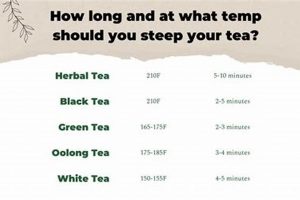
Tip 4: Temperature Control: Adhere to recommended water temperatures for each variety. Overly hot water can scorch delicate leaves and extract bitter compounds, while insufficient heat may result in a weak infusion.
Tip 5: Steeping Time Observation: Precisely control the steeping time as instructed. Over-steeping can lead to a bitter taste, while under-steeping may not fully release the desired flavors and bioactive compounds.
Tip 6: Storage Conditions: Store dried plant material in airtight containers away from direct sunlight and moisture. Proper storage preserves potency and prevents degradation of the active compounds.
Tip 7: Moderation in Consumption: While generally considered safe, excessive consumption may lead to adverse effects in some individuals. Adhere to recommended daily intake limits and consult with a healthcare professional if concerns arise.
Adhering to these guidelines promotes a more enjoyable and beneficial experience. Proper sourcing, careful preparation, and mindful consumption are essential.
The subsequent section will delve into specific varieties and their reported effects.
1. Botanical Source

The botanical source is the foundational determinant of any specific infusion. The species of plant used directly dictates the chemical composition, flavor profile, and potential therapeutic properties. Without defining the precise botanical origin, any discussion of characteristics remains vague and imprecise. For example, selecting Mentha piperita (peppermint) as opposed to Mentha spicata (spearmint) results in a beverage with distinct menthol content, aroma, and perceived cooling effect. Similarly, Matricaria chamomilla (German chamomile) and Chamaemelum nobile (Roman chamomile), while both termed ‘chamomile,’ possess differing levels of active compounds like bisabolol, leading to subtle variations in sedative and anti-inflammatory effects. The specific cultivar and growing conditions of the botanical source further influence these characteristics, creating a complex interplay between genetics and environment.
Consider the diversity within the Hibiscus genus. Hibiscus sabdariffa, commonly used for its vibrant red calyces, yields a tart and vitamin C-rich infusion often marketed as ‘hibiscus tea.’ Other Hibiscus species, however, may not possess the same flavor or nutritional profile. Similarly, the term ‘rooibos’ specifically refers to Aspalathus linearis, a South African shrub. Using any other legume would not result in the beverage with the characteristic reddish hue, earthy flavor, and antioxidant properties associated with genuine rooibos. Proper identification and accurate labeling are therefore crucial for consumers to make informed choices and experience the intended benefits.
In summary, the botanical source serves as the cornerstone for understanding and classifying herbal infusions. Its influence extends beyond mere categorization, directly impacting flavor, chemical composition, and potential health effects. While other factors such as processing and preparation play a role, the fundamental character is indelibly linked to the chosen plant species. Challenges remain in standardizing nomenclature and ensuring accurate labeling, particularly in regions with diverse traditional practices. Addressing these challenges will be crucial for promoting consumer education and fostering responsible consumption.
2. Flavor Profiles

The sensory attributes, contribute significantly to the classification and appreciation of various herbal infusions. These profiles, encompassing aroma, taste, and mouthfeel, arise from a complex interplay of volatile organic compounds, non-volatile metabolites, and the inherent characteristics of the plant material. Understanding flavor is not merely a matter of subjective preference, but a crucial aspect of identifying and differentiating between various preparations. Chamomile, for instance, is characterized by floral notes and a slightly bitter taste, while peppermint exhibits a strong menthol aroma and a cooling sensation. Rooibos possesses an earthy and slightly sweet profile, contrasting sharply with the tart and fruity notes of hibiscus. These distinct flavors inform consumer choices, influence culinary applications, and play a role in the perceived therapeutic effects, as certain aromas and tastes are linked to specific physiological responses.
Flavor formation is influenced by a range of factors, including botanical source, growing conditions, processing methods, and preparation techniques. Soil composition, climate, and harvesting practices impact the concentration and composition of flavor compounds within the plant. Drying, curing, and roasting processes can further alter flavor by promoting enzymatic reactions and Maillard browning. Finally, the water quality, temperature, and steeping time employed during brewing significantly affect the extraction and perception of flavor. For example, overheating delicate leaves can release bitter tannins, while insufficient steeping may result in a weak and underdeveloped flavor. Knowledge of these factors enables producers and consumers to optimize the flavor of each brew, ensuring a satisfying and nuanced sensory experience. Practical significance lies in the ability to tailor brewing parameters to achieve desired flavor characteristics, enhancing overall enjoyment and satisfaction.
In summary, is an indispensable component of these infusions, serving as a key differentiator and influencing consumer choices. Flavor profiles arise from a complex interplay of botanical source, environmental factors, processing methods, and preparation techniques. Understanding the factors contributing to flavor formation allows for optimized brewing practices and a more nuanced appreciation of each specific brew. Challenges remain in standardizing flavor terminology and quantifying sensory attributes, but continued research and consumer education will contribute to a more informed and sophisticated understanding.
3. Therapeutic properties

The claimed or demonstrated medicinal effects of various plant infusions form a significant aspect of their appeal and utilization. While not all assertions are supported by rigorous scientific evidence, many have a basis in traditional medicine and emerging research. This section explores key facets of these purported effects, considering both potential benefits and limitations.
- Phytochemical Composition and Bioactivity
The therapeutic properties stem from the presence of diverse phytochemicals, including flavonoids, terpenes, and alkaloids. These compounds exhibit various biological activities, such as antioxidant, anti-inflammatory, and antimicrobial effects. For example, chamomile contains apigenin, a flavonoid believed to possess anxiolytic properties. Peppermint contains menthol, known for its antispasmodic effects on the digestive tract. The specific combination and concentration of phytochemicals in each plant determine its unique therapeutic potential.
- Traditional Use and Ethnobotanical Knowledge
Many alleged therapeutic effects are rooted in long-standing traditions and ethnobotanical practices. Indigenous cultures have utilized plants for medicinal purposes for centuries, developing extensive knowledge about their properties and applications. While anecdotal, this historical use provides valuable insights and often serves as a starting point for scientific investigation. For instance, traditional Chinese medicine employs various plant infusions to address specific ailments, guided by principles of energy balance and holistic healing.
- Evidence-Based Research and Clinical Trials
The scientific evaluation of therapeutic properties relies on rigorous research methodologies, including in vitro studies, animal models, and clinical trials. Such investigations aim to determine the efficacy, safety, and mechanisms of action of specific plant infusions. While some studies support traditional claims, others yield inconclusive or contradictory results. For example, some research suggests that ginger can alleviate nausea, while other studies find no significant effect. The quality and design of research studies play a crucial role in interpreting the findings.
- Potential Risks and Side Effects
Despite the perceived naturalness, plant infusions are not without potential risks. Some plants contain compounds that can interact with medications, exacerbate existing health conditions, or cause allergic reactions. For example, St. John’s Wort can interfere with certain antidepressant medications. Licorice root can elevate blood pressure in susceptible individuals. It is crucial to consider individual health status and potential interactions before consuming these preparations regularly.
These multifaceted considerations highlight the complexity of evaluating the therapeutic properties. While some infusions offer potential benefits, it is crucial to approach claims with a critical perspective, considering both traditional knowledge and scientific evidence. Furthermore, individual responses can vary significantly, emphasizing the importance of informed choices and, when appropriate, consulting with healthcare professionals.
4. Preparation Methods

The efficacy and sensory qualities of plant-based infusions are inextricably linked to the methods employed in their preparation. The specific techniques used to extract flavor and bioactive compounds directly influence the final product, highlighting the critical role of preparation methods in realizing the full potential of different plant varieties.
- Water Temperature and Solvent Extraction
Water temperature governs the rate and selectivity of compound extraction. Delicate floral infusions, such as chamomile, benefit from lower temperatures (approximately 80C) to prevent the degradation of volatile oils and the release of bitter compounds. More robust roots and barks, like ginger or cinnamon, require higher temperatures (near boiling) to effectively extract their aromatic and therapeutic components. The choice of water, often acting as the solvent, is therefore paramount.
- Steeping Time and Compound Release
The duration of steeping directly correlates with the concentration of extracted compounds. Over-steeping can lead to the release of tannins and other undesirable constituents, resulting in a bitter or astringent flavor. Conversely, under-steeping may fail to fully extract the desired aromatic and therapeutic elements. Optimal steeping times vary significantly depending on the specific plant material, ranging from a few minutes for delicate leaves to upwards of fifteen minutes for denser roots or seeds.
- Material-to-Water Ratio and Infusion Strength
The ratio of plant material to water dictates the strength of the resulting infusion. Higher ratios result in more concentrated beverages with intensified flavor and potentially increased therapeutic potency. Conversely, lower ratios produce weaker infusions with subtler flavors. The appropriate ratio depends on the desired intensity and the tolerance of the consumer, as overly concentrated infusions may lead to adverse effects in sensitive individuals. Herbalists often recommend specific ratios tailored to the intended purpose and the plant’s potency.
- Filtration and Particulate Removal
The method of filtration affects the texture and clarity of the final beverage. Loose-leaf preparations may require straining through a fine-mesh sieve or using a tea infuser to remove particulate matter. The choice of filtration method can also influence the flavor profile, as certain filters may absorb or retain specific compounds. Some cultures prefer unfiltered infusions, believing that the remaining particulate matter contributes to the overall therapeutic benefit, while others prioritize a clear and sediment-free beverage.
In summary, the diverse range of plant infusions necessitates a nuanced understanding of preparation techniques. Careful consideration of water temperature, steeping time, material-to-water ratio, and filtration methods allows for the optimized extraction of flavor and bioactive compounds, ultimately enhancing the sensory experience and maximizing the potential therapeutic benefits. Mastery of these preparation methods is essential for fully appreciating the unique characteristics of each botanical variety.
5. Geographical Origins

The geographical origin of plants significantly influences the characteristics of plant infusions. Environmental factors such as soil composition, climate, and altitude impact the plant’s chemical makeup, ultimately affecting the flavor, aroma, and potential therapeutic properties of the resulting brew. The interplay between genetics and environment manifests in discernible differences between plants grown in diverse regions.
- Soil Composition and Mineral Content
Soil composition dictates the availability of essential nutrients and minerals to the plant, which in turn influences the synthesis of secondary metabolites responsible for flavor and aroma. For instance, rooibos ( Aspalathus linearis) cultivated in the Cederberg region of South Africa benefits from the unique sandstone soils rich in specific minerals, contributing to its characteristic earthy and slightly sweet flavor. Plants grown in nutrient-deficient soils may exhibit altered metabolic profiles, affecting the final taste and potential therapeutic value. Similar effects are seen with Darjeeling and Assam teas.
- Climate and Seasonal Variations
Climatic factors, including temperature, rainfall, and sunlight exposure, exert a profound influence on plant growth and development. Plants grown in regions with distinct seasonal variations may exhibit differing chemical profiles throughout the year, affecting the quality of the harvested material. For example, chamomile ( Matricaria chamomilla) cultivated in regions with hot, dry summers may accumulate higher concentrations of essential oils, resulting in a more intensely aromatic infusion. Variations in rainfall patterns can also influence the water content and overall composition of the plant.
- Altitude and Environmental Stress
Altitude impacts plant growth through changes in temperature, UV radiation, and atmospheric pressure. Plants grown at higher altitudes often experience increased environmental stress, leading to the production of protective compounds, such as antioxidants. For example, certain varieties of yerba mate ( Ilex paraguariensis) cultivated in the highlands of South America accumulate higher levels of polyphenols, contributing to their purported health benefits. Altitude and the resulting temperature fluctuations can also affect the concentration of volatile oils and other flavor compounds.
- Regional Cultivation Practices and Terroir
Traditional cultivation practices and the concept of terroir contribute to the unique characteristics of geographically specific infusions. Terroir, encompassing the environmental factors affecting a crop’s phenotype, accounts for subtle variations in flavor and aroma that are difficult to replicate elsewhere. For instance, the cultivation of pu-erh in Yunnan province, China, involves specific fermentation techniques and storage practices that contribute to its distinctive earthy flavor profile. Such regional practices are integral to preserving the authenticity and quality of the infusion.
The geographical origin acts as a crucial determinant of the sensory and therapeutic properties of various plant infusions. By understanding the interplay between environmental factors and plant genetics, consumers and producers can better appreciate the diverse range of options available and make informed choices regarding their selection and utilization. Furthermore, preserving the integrity of geographical origins is essential for maintaining the unique characteristics and cultural significance of these globally appreciated beverages.
6. Traditional uses

The historical application of various plant infusions represents a foundational aspect of their understanding and categorization. Across cultures, specific plants have been employed for centuries to address a spectrum of physical and mental conditions, shaping their perceived value and influencing contemporary applications. These established practices offer crucial insights into potential therapeutic benefits, often guiding modern scientific investigation. For example, the long-standing use of chamomile infusions in European folk medicine as a sleep aid has prompted research into the anxiolytic properties of its constituent compounds. Similarly, the traditional employment of ginger in Asian medicine to alleviate nausea has spurred investigations into its effects on gastrointestinal motility. The impact of these traditional applications extends beyond medicinal use, frequently permeating cultural rituals and culinary practices.
Furthermore, the traditional use of plants dictates preparation methods and modes of administration. The specific plant parts utilized, the techniques employed for extraction, and the dosage regimens adopted reflect accumulated knowledge passed down through generations. Certain plants, such as yerba mate in South America, are traditionally prepared and consumed in communal settings, fostering social bonding and cultural identity. Others, like licorice root in traditional Chinese medicine, are combined with other herbs in complex formulations designed to address specific imbalances. Understanding these traditional contexts is essential for appreciating the nuanced approaches to preparation and the potential synergistic effects of combining different plant materials. Ignoring these historical practices risks misinterpreting the intended use and efficacy of these infusions.
In conclusion, the traditional use provides a vital framework for comprehending the characteristics and applications of various plant infusions. These historical practices offer a wealth of information regarding potential therapeutic benefits, preparation methods, and cultural significance. While modern scientific inquiry seeks to validate these traditional claims, it is crucial to acknowledge the accumulated knowledge and cultural context that underpin the utilization. Preserving and documenting these traditional uses is essential for safeguarding cultural heritage and informing future research, ensuring the responsible and sustainable utilization of plant resources.
7. Potential effects

The physiological impact stemming from the consumption of plant-based infusions constitutes a primary consideration in understanding their characteristics and applications. These effects, ranging from subtle mood alterations to measurable physiological changes, are often the basis for their traditional and contemporary usage. Careful consideration of both the perceived benefits and potential risks is crucial for informed consumption.
- Modulation of the Nervous System
Certain botanical infusions exert noticeable effects on the central nervous system, influencing mood, cognitive function, and sleep patterns. Chamomile, containing apigenin, is often consumed for its purported calming effects and potential to alleviate anxiety. Conversely, infusions derived from plants such as yerba mate, containing caffeine-like stimulants, may enhance alertness and focus. The specific compounds present and their interactions with neurotransmitter systems underlie these diverse effects.
- Influence on Digestive Processes
Several plant preparations are traditionally used to support healthy digestion and alleviate gastrointestinal discomfort. Peppermint, containing menthol, is recognized for its antispasmodic properties, potentially easing bloating and indigestion. Ginger is commonly employed to reduce nausea and promote gastric emptying. The mechanisms by which these plants influence digestion are complex, involving interactions with smooth muscle, digestive enzymes, and the gut microbiome.
- Cardiovascular Impact
Some infusions may exert measurable effects on cardiovascular function, influencing blood pressure, heart rate, and vascular health. Hibiscus, rich in anthocyanins, has been investigated for its potential to lower blood pressure in individuals with hypertension. Hawthorn, containing flavonoids, is traditionally used to support heart health and improve circulation. However, the long-term cardiovascular effects of these infusions require further investigation.
- Antioxidant and Anti-inflammatory Actions
Many botanical infusions are rich in antioxidant compounds, such as polyphenols and flavonoids, which can neutralize free radicals and mitigate oxidative stress. These antioxidant properties may contribute to the overall health benefits associated with regular consumption. Additionally, certain plants, like turmeric, possess anti-inflammatory compounds that may help reduce inflammation throughout the body. The extent to which these antioxidant and anti-inflammatory actions translate into tangible health benefits requires further research.
Understanding these potential physiological effects is crucial for categorizing various plant infusions and making informed decisions regarding their consumption. While some infusions offer promising health benefits, it is essential to consider individual sensitivities, potential interactions with medications, and the lack of definitive scientific evidence for all claims. Responsible and informed consumption requires a balanced perspective, acknowledging both the potential benefits and limitations of these widely consumed beverages.
Frequently Asked Questions
The following addresses common inquiries and misconceptions surrounding botanical infusions, providing clarity on key aspects and considerations.
Question 1: What distinguishes plant-derived infusions from traditional tea?
Infusions are derived from plants other than Camellia sinensis, whereas true tea originates exclusively from this species. This distinction dictates the chemical composition, flavor profile, and potential physiological effects. Infusions lack caffeine unless specifically added.
Question 2: Are all plant-based infusions inherently safe for consumption?
Not all plant-derived beverages are safe. Certain plants contain compounds that can be toxic or interact negatively with medications. Prior to consumption, thorough research into the specific plant is mandatory, and consultation with a healthcare professional may be advisable, especially for individuals with pre-existing health conditions.
Question 3: How does geographical origin affect the characteristics?
Geographical location impacts factors such as soil composition, climate, and altitude, influencing the plant’s chemical profile. These environmental factors can significantly alter the flavor, aroma, and potential therapeutic properties. Terroir, a key factor in winemaking, also influences herbal flavors.
Question 4: Does the preparation method significantly alter the qualities of infusions?
Preparation methods play a crucial role. Water temperature, steeping time, and material-to-water ratio can dramatically affect the extraction of flavor compounds and bioactive substances. Optimal preparation techniques vary depending on the specific plant and desired outcome.
Question 5: Can plant-based infusions be considered legitimate treatments for medical conditions?
While some infusions exhibit promising therapeutic potential based on traditional use and scientific research, they should not be considered replacements for conventional medical treatments. Consultation with a healthcare professional is essential for proper diagnosis and treatment of any medical condition.
Question 6: How can the quality and authenticity be ensured?
Sourcing from reputable suppliers with transparent practices is crucial. Verifying the botanical source and inspecting the plant material for contaminants are essential steps. Furthermore, adhering to proper storage conditions can help preserve the quality and potency of the ingredients.
This FAQ underscores the importance of informed selection, preparation, and consumption of botanical infusions. Due diligence is crucial to both benefit and safety.
The following explores specific plant-based beverages and their respective attributes in greater detail.
Conclusion
This exploration has illuminated the multifaceted nature of kinds of herbal tea, highlighting the pivotal influence of botanical source, geographical origin, preparation methods, and potential physiological effects. A comprehensive understanding of these factors is essential for consumers seeking to make informed choices and appreciate the diverse range of available options. Claims regarding therapeutic benefits must be critically evaluated in light of both traditional knowledge and scientific evidence.
Continued research into the chemical composition and biological activity of various plant infusions is warranted to further elucidate their potential health benefits and risks. Responsible sourcing practices, accurate labeling, and informed consumption are critical for ensuring the sustainable utilization of these valuable plant resources. The enduring appeal and widespread consumption of kinds of herbal tea underscores their significance as both a cultural tradition and a potential contributor to overall well-being.
![The BEST Herbal Chai Tea Recipe [Easy Guide + Tips] | The Ultimate Herbal Remedies Guide: Natural Healing for a Healthier Life](https://umangherbals.com/wp-content/uploads/2026/04/th-137-300x200.jpg "The BEST Herbal Chai Tea Recipe [Easy Guide + Tips] The Ultimate Herbal Remedies Guide: Natural Healing for a Healthier Life")