Beverages crafted from the infusion or decoction of herbs, spices, or other plant materials in hot water are frequently employed as a comforting remedy during periods of upper respiratory infection. These preparations differ from traditional teas derived from the Camellia sinensis plant and are valued for their potential therapeutic properties.
The consumption of warm, plant-based infusions to alleviate symptoms associated with the common cold has a long-standing tradition across various cultures. The perceived advantages include hydration, soothing of sore throats, potential anti-inflammatory effects, and support for the body’s natural defenses. Historically, such remedies were central to healthcare practices, predating modern pharmaceutical interventions.
This exploration will examine specific botanical ingredients commonly used in these preparations, the scientific evidence supporting their purported benefits, and considerations for safe and effective utilization.
Guidance on Utilizing Botanical Infusions for Symptom Management
Considerations for incorporating plant-derived warm beverages into a regimen for alleviating discomfort associated with upper respiratory infections necessitate a measured approach, prioritizing safety and informed selection.
Tip 1: Ingredient Sourcing: Obtain botanicals from reputable suppliers to ensure purity and minimize the risk of contamination or misidentification. Certified organic sources are preferable.
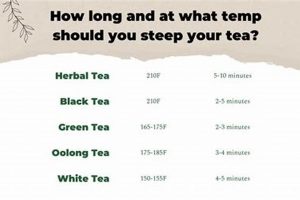
Tip 2: Preparation Method: Adhere to recommended steeping times and water temperatures to optimize the extraction of beneficial compounds and avoid the release of undesirable substances.
Tip 3: Monitoring for Allergic Reactions: Introduce new botanicals one at a time and observe for any signs of adverse reactions, such as skin irritation, digestive upset, or respiratory distress. Discontinue use immediately if such symptoms arise.
Tip 4: Dosage and Frequency: Maintain moderate consumption levels. Excessive intake may lead to unintended side effects or interactions with other medications.
Tip 5: Medical Consultation: Individuals with pre-existing medical conditions, particularly kidney or liver disorders, and those taking prescription medications should consult with a healthcare professional before incorporating new botanical infusions into their routine.
Tip 6: Understanding Limitations: These beverages are not a substitute for medical treatment. Seek professional medical advice for persistent or severe cold symptoms.
Adherence to these guidelines promotes a more responsible and informed approach to utilizing plant-derived infusions as a complementary element in managing discomfort associated with upper respiratory infections. Careful selection, preparation, and monitoring are essential for maximizing potential benefits and minimizing risks.
The subsequent sections will delve into specific botanical species and their purported mechanisms of action.
1. Botanical Properties

The botanical properties inherent in the plants used to create infusions directly determine the potential efficacy of said infusions in alleviating symptoms associated with the common cold. These properties encompass a range of naturally occurring chemical compounds, including but not limited to: volatile oils, flavonoids, alkaloids, and polysaccharides. Each compound exerts unique physiological effects, influencing various aspects of the body’s response to viral infection. For instance, certain volatile oils, such as those found in peppermint (Mentha piperita), possess decongestant properties that can ease nasal congestion. Flavonoids, abundant in elderflower (Sambucus nigra), exhibit antioxidant and anti-inflammatory activities, potentially mitigating the inflammatory cascade triggered by viral invasion.
The selection of specific botanical ingredients should be predicated on a thorough understanding of their respective chemical compositions and their documented pharmacological actions. A plant’s inherent properties must align with the targeted symptoms. For example, the demulcent properties of marshmallow root (Althaea officinalis) are advantageous in soothing irritated mucous membranes, offering relief from sore throats. Conversely, the antimicrobial properties of thyme (Thymus vulgaris) may aid in combating secondary bacterial infections that sometimes accompany viral illnesses. The concentration of active compounds within the plant material is also a critical factor. Growing conditions, harvesting methods, and processing techniques can all influence the final chemical profile of the herbal tea, thus impacting its therapeutic potential.
In summary, a comprehensive understanding of botanical properties is foundational to the rational use of herbal teas for cold symptom relief. The careful selection of plants with targeted pharmacological actions, coupled with appropriate preparation methods to optimize the extraction of active compounds, is essential for maximizing the potential benefits and minimizing the risks associated with their use. This botanical knowledge bridges traditional practices with the scientific understanding of plant-derived remedies, enabling a more informed approach to self-care during periods of illness.
2. Preparation Methods

The preparation method employed in creating infusions from botanical sources significantly impacts the extraction and bioavailability of active compounds, thereby influencing the therapeutic potential of the resulting beverage for alleviating cold symptoms. The process is not merely a matter of steeping; it is a critical determinant of efficacy.
- Infusion Temperature
The temperature of the water used for steeping directly affects the solubility of various chemical constituents within the plant material. Lower temperatures may result in incomplete extraction of certain compounds, while excessively high temperatures can degrade heat-sensitive molecules. An appropriate temperature range, typically between 170F and 212F (77C to 100C), is essential. For delicate floral materials like chamomile, a lower temperature is preferable to preserve volatile oils. Conversely, tougher roots and barks may require a higher temperature to release their beneficial components.
- Steeping Time
The duration of steeping is another crucial factor influencing the concentration of active compounds in the final beverage. Insufficient steeping time will result in a weak infusion with limited therapeutic value. Conversely, over-steeping can release undesirable compounds, such as tannins, which can impart a bitter taste and potentially interfere with the absorption of beneficial constituents. A typical steeping time ranges from 5 to 15 minutes, depending on the plant material and the desired strength of the infusion.
- Plant Material Preparation
The form in which the plant material is used whether dried, fresh, cut, powdered, or whole affects the surface area available for extraction. Finely cut or powdered herbs offer a larger surface area, facilitating faster and more complete extraction. However, powdered herbs may also release sediment into the beverage. Whole or coarsely cut herbs provide a slower, more controlled release of active compounds. The choice of preparation method should be tailored to the specific plant material and the desired characteristics of the infusion.
- Decoction vs. Infusion
Distinction between decoction and infusion is important. Infusions are best suited for delicate plant parts like leaves and flowers. Decoctions, involving simmering in water for an extended period, are recommended for tougher materials such as roots, barks, and seeds. Decoction facilitates the release of compounds that are not readily extracted by simple infusion. The appropriate method ensures optimal extraction and therapeutic effectiveness.
The interplay of these preparation methods underscores the complexity of extracting therapeutic value from botanical sources. Simply adding hot water is insufficient. Careful control over temperature, steeping time, and plant material preparation, with appropriate consideration for decoction versus infusion, is paramount to maximizing the potential benefits of herbal teas when addressing cold symptoms.
3. Symptom Targeting

The strategic selection of botanical ingredients for inclusion in warm beverages intended to alleviate symptoms associated with the common cold necessitates a nuanced understanding of their respective pharmacological properties. Effective symptom targeting is not a generalized approach but rather a precise matching of herbal actions to specific manifestations of the illness.
- Decongestant Action
Nasal congestion, a hallmark symptom, often responds favorably to herbs possessing decongestant properties. Peppermint (Mentha piperita), containing menthol, can stimulate cold receptors in the nasal passages, creating a sensation of increased airflow. Eucalyptus (Eucalyptus globulus), with its cineole content, exhibits mucolytic effects, aiding in the breakdown of mucus. Such botanicals are employed when nasal obstruction is a primary concern, facilitating easier respiration.
- Antitussive and Soothing Effects
Cough, whether productive or non-productive, necessitates a different therapeutic strategy. Demulcent herbs, such as marshmallow root (Althaea officinalis) and slippery elm (Ulmus rubra), coat and soothe irritated mucous membranes in the throat, reducing the urge to cough. Antitussive herbs, like wild cherry bark (Prunus serotina), can suppress the cough reflex via central nervous system mechanisms. The selection depends on the nature of the cough and the desired outcome.
- Anti-inflammatory Modulation
Inflammation of the respiratory tract contributes significantly to the discomfort associated with colds. Herbs possessing anti-inflammatory properties, such as ginger (Zingiber officinale) and turmeric (Curcuma longa), can modulate the inflammatory response, reducing swelling and pain. These botanicals can be valuable adjuncts in mitigating overall discomfort and promoting a faster recovery.
- Fever Management
Elevated body temperature is a common systemic symptom. Certain herbs, traditionally classified as diaphoretics, promote sweating, which can help to lower fever. Elderflower (Sambucus nigra) and yarrow (Achillea millefolium) are examples of diaphoretic herbs often used to support the body’s natural temperature regulation mechanisms. However, caution is advised, as excessive sweating can lead to dehydration, necessitating adequate fluid replacement.
The judicious combination of botanical ingredients, each targeting a specific symptom cluster, represents a more sophisticated and potentially effective approach to utilizing herbal teas for alleviating discomfort associated with colds. A comprehensive assessment of the individual’s symptoms is essential for tailoring the beverage composition and maximizing therapeutic outcomes. A nuanced strategy to botanical selection must be adopted, to address the multi-faceted symptomatology of the common cold effectively.
4. Hydration Support

Adequate fluid intake is critical during upper respiratory infections. The consumption of warm beverages, including herbal infusions, contributes significantly to maintaining optimal hydration status, which is essential for facilitating various physiological processes that aid in recovery.
- Mucus Thinning
Maintaining adequate hydration is crucial for thinning mucus secretions within the respiratory tract. Thinner mucus is more readily expelled via coughing or nasal drainage, thereby reducing congestion and alleviating respiratory distress. Warm herbal infusions contribute to this process by increasing fluid volume and promoting expectoration.
- Thermoregulation
Fever, a common symptom of viral infections, can lead to increased fluid loss through perspiration. Adequate hydration is essential for maintaining proper thermoregulation and preventing dehydration-related complications. The regular consumption of warm infusions aids in replenishing fluids lost due to elevated body temperature.
- Sore Throat Relief
Dehydration can exacerbate sore throat pain. Maintaining adequate hydration helps to keep the mucous membranes in the throat moist and lubricated, thereby reducing irritation and discomfort. Warm infusions provide a soothing effect and contribute to overall throat comfort.
- Immune Function Support
Optimal hydration is necessary for various immune functions, including the efficient transport of immune cells and the production of antibodies. Dehydration can impair these processes, potentially hindering the body’s ability to fight off infection. Consistent fluid intake, facilitated by herbal infusions, supports optimal immune system performance.
The multifaceted role of hydration support in mitigating cold symptoms underscores the importance of incorporating warm beverages, such as herbal infusions, into a comprehensive recovery strategy. The combined benefits of fluid replenishment, mucus thinning, thermoregulation, sore throat relief, and immune function support contribute significantly to overall well-being during periods of illness.
5. Potential Interactions

The consumption of herbal teas concurrently with pharmaceutical medications presents a risk of potential interactions, stemming from the bioactive compounds inherent in the botanical ingredients. These interactions can manifest in various ways, including altered drug absorption, enhanced or diminished drug metabolism, and synergistic or antagonistic effects on physiological systems. For example, St. John’s Wort (Hypericum perforatum), sometimes included in blends intended to elevate mood during illness, is a known inducer of cytochrome P450 enzymes, which metabolize numerous drugs. Concurrent use with medications such as certain antidepressants or anticoagulants can lead to reduced drug efficacy or increased risk of adverse effects, respectively. Similarly, constituents in grapefruit juice, although not strictly an herbal infusion, illustrate the potential for enzyme inhibition, leading to elevated drug concentrations and increased risk of toxicity. The magnitude and clinical significance of interactions depend on the specific herbs, medications, dosages, and individual patient factors.
Furthermore, interactions can occur between different herbal constituents within the same infusion. While some combinations may result in synergistic effects, enhancing therapeutic benefits, others can lead to antagonistic interactions, diminishing efficacy or increasing the likelihood of adverse reactions. For instance, combining herbs with sedative properties, such as chamomile (Matricaria chamomilla) and valerian (Valeriana officinalis), may potentiate central nervous system depression, increasing the risk of drowsiness and impaired cognitive function. The lack of standardized formulations and quality control measures in many herbal tea products further complicates the assessment and prediction of potential interactions. Variable concentrations of active compounds can lead to inconsistent effects and unpredictable outcomes.
Therefore, awareness of potential interactions is crucial when considering the use of herbal teas during periods of illness, particularly for individuals taking prescription medications. Patients should disclose all herbal and pharmaceutical products to their healthcare providers to facilitate a thorough risk assessment and to avoid potentially harmful interactions. Prudent utilization involves prioritizing single-ingredient infusions or consulting with a qualified herbalist or healthcare professional with expertise in herbal medicine. The decision to incorporate herbal teas should be based on a careful evaluation of potential benefits and risks, taking into account the individual’s medical history, current medications, and overall health status.
6. Quality Assurance

Quality assurance is a critical component influencing the safety and efficacy of botanical infusions employed for mitigating cold symptoms. The absence of robust quality control measures throughout the production chain can result in significant variability in product composition, potentially compromising therapeutic benefits and introducing risks to consumers. The presence of adulterants, contaminants, or inaccurately identified plant species directly undermines the intended pharmacological actions and may lead to adverse health consequences. For instance, substitution of a safe botanical with a toxic one, even in small quantities, poses a serious health hazard. Contamination with heavy metals or pesticides, resulting from improper cultivation or processing practices, introduces further risks.
The implementation of rigorous quality assurance protocols necessitates comprehensive testing and documentation at various stages of production. This includes authentication of plant species using microscopic or DNA-based methods, assessment of purity through chromatographic analysis to detect adulterants or contaminants, and monitoring of heavy metal and pesticide residues. Furthermore, standardization of active compound concentrations, where feasible, ensures consistency in product potency and predictability in therapeutic effects. Real-life examples of compromised botanical products underscore the importance of these measures. Cases involving herbal supplements adulterated with pharmaceutical drugs or contaminated with toxins have resulted in serious adverse events and regulatory actions. Adherence to Good Manufacturing Practices (GMP) is essential for minimizing these risks and ensuring product integrity.
In conclusion, quality assurance is not merely an ancillary consideration but an integral aspect of botanical infusions intended for cold symptom relief. Rigorous testing, authentication, and adherence to GMP standards are essential for safeguarding consumer health and ensuring that these products meet established safety and efficacy criteria. The complexities of herbal medicine necessitate a proactive and comprehensive approach to quality control, bridging the gap between traditional practices and evidence-based healthcare.
Frequently Asked Questions
This section addresses common inquiries and misconceptions regarding the use of plant-derived infusions as complementary remedies for upper respiratory infections. The information presented is intended to provide clarity and promote informed decision-making.
Question 1: Are plant-derived warm beverages a substitute for medical treatment when experiencing cold symptoms?
Plant-derived warm beverages are not a replacement for professional medical care. These infusions may offer symptomatic relief and support hydration, but they cannot eradicate viral infections or prevent complications. Consultation with a healthcare provider is advised for persistent or severe symptoms.
Question 2: Is there scientific evidence supporting the effectiveness of plant-derived warm beverages for alleviating cold symptoms?
Limited clinical research exists regarding the specific efficacy of various botanical ingredients in mitigating cold symptoms. Some studies suggest potential benefits associated with certain herbs, such as elderflower or ginger, but further rigorous investigation is warranted. Empirical evidence and traditional use often inform the selection of botanical ingredients.
Question 3: Is it safe to consume plant-derived warm beverages while taking prescription medications?
Potential interactions between herbal constituents and pharmaceutical drugs necessitate caution. Certain herbs can alter drug metabolism or potentiate adverse effects. Consulting with a healthcare provider or qualified herbalist is crucial to assess potential risks and ensure medication safety.
Question 4: How does one ensure the quality and purity of botanical ingredients used in infusions?
Sourcing botanicals from reputable suppliers committed to quality control is essential. Certified organic sources are preferable, as they minimize the risk of pesticide contamination. Verifying the botanical identity and assessing purity through laboratory testing are additional measures to ensure product integrity.
Question 5: Are there specific botanical ingredients that should be avoided when experiencing cold symptoms?
Individuals with allergies to specific plants should avoid infusions containing those botanicals. Pregnant or breastfeeding women, as well as individuals with certain medical conditions (e.g., kidney or liver disorders), should exercise caution and consult with a healthcare provider before consuming any new herbal infusion.
Question 6: How often should one consume plant-derived warm beverages to experience potential benefits?
Moderate consumption is recommended. Excessive intake may lead to unintended side effects. Typically, 2-3 cups per day is considered a reasonable amount. However, individual tolerance and the specific properties of the botanical ingredients should be taken into account.
It is emphasized that plant-derived warm beverages represent one component of a comprehensive approach to managing cold symptoms. Lifestyle factors, such as rest, proper nutrition, and stress management, also play a crucial role in promoting recovery.
The following section will explore potential risks associated with “herbal teas for colds.”
Conclusion
This exploration has elucidated various facets surrounding the use of herbal teas for colds, encompassing botanical properties, preparation methods, symptom targeting, hydration support, potential interactions, and quality assurance considerations. A nuanced understanding of these aspects is crucial for responsible and informed utilization. The information presented underscores the complexity of botanical medicine and the importance of approaching such remedies with a measured and cautious perspective.
While anecdotal evidence and traditional practices may suggest potential benefits, the need for rigorous scientific investigation remains paramount. Furthermore, the potential for adverse interactions and the variability in product quality necessitate a critical evaluation of risks and benefits, ideally in consultation with a qualified healthcare professional. Continued research and standardization efforts are essential to solidify the evidence base and ensure the safe and effective application of herbal teas in the management of upper respiratory infections. The user is encouraged to approach claims regarding such remedies with skepticism and to prioritize evidence-based medical care when necessary.
![The BEST Herbal Chai Tea Recipe [Easy Guide + Tips] | The Ultimate Herbal Remedies Guide: Natural Healing for a Healthier Life](https://umangherbals.com/wp-content/uploads/2026/04/th-137-300x200.jpg "The BEST Herbal Chai Tea Recipe [Easy Guide + Tips] The Ultimate Herbal Remedies Guide: Natural Healing for a Healthier Life")