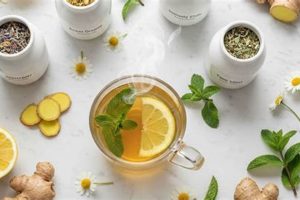
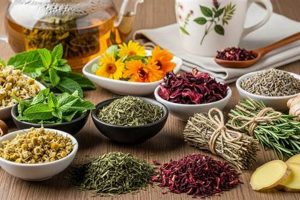
Beverages crafted from infusions or decoctions of herbs, spices, and other plant materials offer various potential benefits. Unlike traditional teas derived from Camellia sinensis, these preparations are typically caffeine-free and appreciated for their diverse flavor profiles and perceived wellness properties. Examples include chamomile, peppermint, ginger, and rooibos.
The appeal of these botanical infusions stems from their long history of use in traditional medicine systems. Many cultures have employed them for centuries to address a range of ailments and promote overall well-being. The specific benefits are often attributed to the presence of various bioactive compounds within the plants, which may possess antioxidant, anti-inflammatory, or other therapeutic effects. Further, their role in hydration contributes to physical function.
The following sections will explore specific areas where these plant-derived drinks may offer particular value, including their impact on relaxation, digestive health, immune system support, and potential for promoting restful sleep. This exploration aims to provide a comprehensive overview of their contributions to health and wellness.
Optimizing Intake of Botanical Infusions
To maximize the potential benefits and minimize potential drawbacks, a mindful approach to consuming herbal beverages is recommended. The following guidance offers strategies for informed and effective use.
Tip 1: Selection of High-Quality Herbs: Prioritize products sourced from reputable suppliers known for quality control and ethical harvesting practices. This ensures the herbs are free from contaminants and contain the desired bioactive compounds.
Tip 2: Understanding Ingredient Interactions: Be aware of potential interactions between herbal ingredients and medications. Consult a healthcare professional if taking prescription drugs or managing chronic health conditions.
Tip 3: Moderation in Consumption: While generally safe, excessive intake of any herbal preparation may lead to adverse effects. Adhere to recommended serving sizes and listen to the body’s signals.
Tip 4: Appropriate Brewing Techniques: Follow recommended steeping times and temperatures to extract the optimal amount of beneficial compounds. Over-steeping can result in a bitter taste, while under-steeping may limit efficacy.
Tip 5: Choosing Specific Blends for Targeted Needs: Select infusions based on their known properties. Chamomile for relaxation, ginger for digestive support, and peppermint for relieving bloating are examples.
Tip 6: Consideration of Allergies: Individuals with known plant allergies should carefully review ingredient lists to avoid potentially allergic reactions.
Tip 7: Monitoring Individual Response: Pay attention to how the body responds to specific herbal blends. Discontinue use if any adverse effects are experienced and consult a healthcare provider.
These recommendations support a responsible and informed approach to integrating herbal infusions into a wellness routine. By considering quality, interactions, moderation, and individual needs, individuals can enhance the potential benefits and minimize risks.
With an understanding of proper usage and sourcing, the integration of these beverages can be a valuable component of a holistic health strategy.
1. Hydration Support

Adequate hydration is fundamental to human physiology, influencing processes ranging from cellular function to cardiovascular efficiency. Herbal teas, composed primarily of water, contribute significantly to daily fluid intake. Unlike some beverages, many herbal teas are devoid of caffeine, a diuretic substance that can potentially increase fluid loss. Therefore, their consumption aids in maintaining fluid balance and supporting optimal physiological performance.
The act of preparing and consuming herbal tea can also promote mindful hydration habits. The ritualistic nature of brewing tea encourages individuals to pause and focus on their fluid intake, fostering a greater awareness of their hydration needs. This is particularly relevant in settings where access to clean water may be limited, as herbal teas can serve as a palatable and accessible source of fluids. Furthermore, the diverse flavors available in herbal teas can enhance palatability, encouraging increased fluid consumption among individuals who may find plain water unappealing.
In conclusion, the contribution of herbal teas to hydration support represents a notable component of their overall benefits. By providing a caffeine-free source of fluids, promoting mindful hydration practices, and offering diverse flavor options, herbal teas effectively support the maintenance of fluid balance and contribute to overall well-being. This aspect is especially valuable for individuals seeking to optimize their hydration strategies while avoiding the potential drawbacks associated with caffeinated beverages.
2. Antioxidant Properties

The presence of antioxidant compounds in herbal teas represents a significant factor contributing to their perceived health benefits. These substances play a crucial role in mitigating the effects of oxidative stress, a process implicated in various chronic diseases and age-related conditions. The specific antioxidant profile of an herbal tea varies depending on the plant species used, but common examples include flavonoids, polyphenols, and other phytochemicals.
- Scavenging Free Radicals
Antioxidants function primarily by neutralizing free radicals, unstable molecules that can damage cells and tissues. These free radicals are generated as byproducts of normal metabolic processes and are exacerbated by external factors such as pollution and ultraviolet radiation. By donating electrons to free radicals, antioxidants stabilize them and prevent them from causing cellular damage. This mechanism of action is fundamental to the protective effects associated with antioxidant consumption.
- Reducing Oxidative Stress
Oxidative stress, an imbalance between free radical production and antioxidant defense, is a key contributor to the development of chronic diseases such as cardiovascular disease, cancer, and neurodegenerative disorders. The consumption of antioxidant-rich herbal teas can help to restore balance by increasing the body’s antioxidant capacity. This reduction in oxidative stress may contribute to a decreased risk of developing these diseases over time. It is important to note that the degree of protection varies based on individual factors and lifestyle choices.
- Supporting Cellular Health
The cellular damage caused by oxidative stress can impair cellular function and contribute to premature aging. Antioxidants protect cellular components such as DNA, proteins, and lipids from oxidative damage, thus supporting overall cellular health. This protective effect can translate into improvements in various physiological functions and a reduced risk of age-related decline. The cellular support is not limited to a particular organ or system, rather, impacts overall body functions at the cellular level.
- Enhancing Immune Function
Oxidative stress can suppress the immune system, making individuals more susceptible to infections. Antioxidants, by reducing oxidative stress, can support optimal immune function. Certain antioxidants, such as vitamin C and vitamin E, are also directly involved in immune cell function. The synergy between antioxidant activity and immune cell support further contributes to the overall health benefits associated with herbal tea consumption.
In conclusion, the antioxidant properties inherent in many herbal teas represent a valuable contribution to overall health. By scavenging free radicals, reducing oxidative stress, supporting cellular health, and enhancing immune function, these compounds may offer a degree of protection against various chronic diseases and age-related conditions. However, it is crucial to recognize that the benefits are most pronounced when combined with a balanced diet and a healthy lifestyle. The integration of herbal teas into a comprehensive wellness plan can be a prudent approach to harnessing the potential benefits of antioxidant compounds.
3. Stress Reduction

The consumption of certain herbal teas is often associated with stress reduction, a connection stemming from the inherent properties of specific botanicals and their potential impact on the nervous system. This relationship warrants careful consideration, as chronic stress can contribute to a multitude of health issues.
- Anxiolytic Properties of Specific Herbs
Certain herbs, such as chamomile and lavender, contain compounds that interact with neurotransmitter systems, potentially promoting a calming effect. Chamomile, for instance, contains apigenin, an antioxidant that may bind to certain receptors in the brain, leading to reduced anxiety. Lavender’s aroma is known to influence the parasympathetic nervous system, inducing relaxation. These properties make infusions prepared with these herbs a potential aid in managing mild stress and anxiety.
- Ritual and Mindfulness
The act of preparing and consuming herbal tea can itself be a stress-reducing practice. The ritualistic nature of brewing tea the selection of herbs, the heating of water, the steeping process encourages a pause in the day and can promote mindfulness. Engaging in this mindful activity allows individuals to disconnect from stressors and focus on the present moment, fostering a sense of calm and relaxation. This mindful aspect of consumption can be as beneficial as the inherent properties of the herbs themselves.
- Caffeine-Free Alternative
Many conventional beverages contain caffeine, a stimulant that can exacerbate anxiety and disrupt sleep patterns. Herbal teas, being naturally caffeine-free, offer a suitable alternative for individuals seeking to reduce their caffeine intake and mitigate its potential effects on stress levels. The absence of caffeine allows for consumption throughout the day, including in the evening, without disrupting sleep. This is particularly important for individuals susceptible to anxiety or those who have pre-existing sleep disorders.
- Placebo Effect and Psychological Comfort
The belief in the beneficial properties of herbal teas can contribute to a placebo effect, where individuals experience a reduction in stress simply because they believe the beverage will have a positive impact. This psychological comfort can be a valuable component of stress management, as the expectation of relief can influence the body’s physiological response. Even if the direct physiological effects of the herbs are minimal, the psychological benefits can be substantial, promoting a sense of well-being and relaxation.
In summary, the connection between herbal tea consumption and stress reduction is multifaceted, encompassing the anxiolytic properties of specific herbs, the mindful ritual of preparation, the avoidance of caffeine, and the potential for a placebo effect. While herbal teas should not be considered a replacement for professional medical treatment for anxiety disorders, their incorporation into a comprehensive stress management strategy may offer a complementary approach to promoting relaxation and well-being. The cumulative effect of these factors contributes to the overall perception of herbal teas as a potentially beneficial tool for stress reduction.
4. Digestive Wellness
Digestive wellness, encompassing the efficient breakdown and absorption of nutrients alongside the comfortable passage of waste, is significantly impacted by dietary choices. Certain herbal teas can contribute positively to this complex system, offering potential benefits that extend beyond simple hydration.
- Promotion of Gut Motility
Specific herbal infusions, such as ginger and peppermint, have been shown to promote gut motility. Ginger’s active compounds can stimulate gastric emptying, aiding in the relief of indigestion. Peppermint oil, present in peppermint tea, relaxes the smooth muscles of the intestinal tract, potentially alleviating symptoms of bloating and gas. These actions facilitate the movement of food through the digestive system, contributing to regularity and reducing discomfort.
- Reduction of Inflammation
Inflammation within the digestive tract can impair nutrient absorption and contribute to conditions such as irritable bowel syndrome (IBS). Chamomile and turmeric teas possess anti-inflammatory properties. Chamomile’s compounds may help soothe the digestive lining, while turmeric’s curcumin can modulate inflammatory pathways. Regular consumption may help reduce digestive inflammation, promoting a healthier gut environment.
- Support of Beneficial Gut Microbiota
While direct evidence is still emerging, some herbal teas may indirectly support beneficial gut microbiota. The polyphenols found in various herbs can act as prebiotics, providing nourishment for beneficial bacteria in the gut. A balanced gut microbiota is essential for optimal digestion, immune function, and overall health. This indirect support underscores the potential for herbal teas to contribute to a healthy gut ecosystem.
- Relief of Nausea
Ginger tea is a well-established remedy for nausea, particularly that associated with motion sickness, pregnancy, or chemotherapy. Gingerol, a key component of ginger, interacts with the digestive system to reduce feelings of nausea and vomiting. This effect makes ginger tea a readily accessible and often effective option for managing nausea symptoms without the potential side effects of some pharmaceutical interventions.
The multifaceted impact of select herbal teas on digestive processes underscores their potential role in promoting digestive wellness. From stimulating gut motility and reducing inflammation to supporting gut microbiota and alleviating nausea, these infusions offer a range of benefits. While not a substitute for a balanced diet and appropriate medical care, the inclusion of specific herbal teas may contribute to improved digestive comfort and function. The integration of these beverages can be viewed as a complementary approach to supporting a healthy digestive system.
5. Caffeine-Free Alternative

The absence of caffeine in herbal teas distinguishes them from traditional teas and coffee, presenting a distinct advantage for individuals seeking to limit or eliminate caffeine consumption. This characteristic influences various physiological and behavioral aspects, thereby shaping the overall health profile associated with these beverages.
- Mitigation of Anxiety and Sleep Disruption
Caffeine, a stimulant, can exacerbate anxiety symptoms and disrupt sleep patterns. By providing a caffeine-free alternative, herbal teas circumvent these potential adverse effects. Individuals prone to anxiety or insomnia may find herbal teas conducive to relaxation and improved sleep quality. For instance, chamomile tea is frequently consumed before bedtime to promote a sense of calm without the stimulating effects of caffeine.
- Hydration Without Diuretic Effects
Caffeinated beverages possess diuretic properties, potentially increasing fluid excretion and contributing to dehydration. Herbal teas, lacking caffeine, provide a hydrating alternative that does not promote fluid loss to the same extent. This makes them a more suitable choice for maintaining optimal hydration levels, particularly in individuals sensitive to the diuretic effects of caffeine.
- Suitability for Sensitive Populations
Certain populations, such as pregnant women and individuals with specific medical conditions, may be advised to restrict caffeine intake. Herbal teas offer a safe and palatable beverage option for these groups, allowing them to enjoy the benefits of a warm, flavorful drink without the risks associated with caffeine consumption. Rooibos tea, for example, is a popular choice among pregnant women due to its caffeine-free nature and purported health benefits.
- Flexibility in Consumption Timing
The absence of caffeine allows for greater flexibility in consumption timing. Unlike caffeinated beverages, herbal teas can be consumed throughout the day, including in the evening, without disrupting sleep patterns. This flexibility is particularly appealing to individuals who enjoy warm beverages but wish to avoid the stimulating effects of caffeine late in the day. Peppermint tea, often consumed after meals, aids in digestion without interfering with sleep.
The caffeine-free nature of herbal teas contributes significantly to their overall profile of health advantages. From mitigating anxiety and promoting restful sleep to providing a hydrating and safe beverage option for sensitive populations, the absence of caffeine underpins many of the benefits associated with these botanical infusions. The adaptability in consumption timing further enhances their appeal as a versatile and health-conscious beverage choice.
Frequently Asked Questions
This section addresses common inquiries regarding the potential benefits and considerations associated with herbal tea consumption. The information provided aims to offer clarity and promote informed decision-making.
Question 1: What distinguishes herbal tea from traditional tea?
Traditional teas are derived from the Camellia sinensis plant and typically contain caffeine. Herbal teas, conversely, are infusions made from various herbs, spices, flowers, or other plant materials and are generally caffeine-free.
Question 2: Are the claimed advantages of herbal tea scientifically validated?
Some purported benefits of herbal tea are supported by scientific research, while others are based on traditional use and anecdotal evidence. The level of scientific evidence varies depending on the specific herb and its purported effect.
Question 3: Can herbal tea replace conventional medical treatments?
Herbal tea should not be considered a substitute for conventional medical treatments. It may serve as a complementary approach to wellness, but individuals should consult with a healthcare professional for appropriate medical advice and treatment plans.
Question 4: Are there potential risks associated with consuming herbal tea?
Potential risks include allergic reactions, interactions with medications, and adverse effects from excessive consumption of certain herbs. Individuals should exercise caution, particularly if they have known allergies or are taking prescription medications. Consultation with a healthcare provider is advised.
Question 5: How can one ensure the quality and safety of herbal tea products?
To ensure quality and safety, select products from reputable suppliers known for quality control and ethical sourcing practices. Review ingredient lists carefully and be mindful of potential contaminants. Choosing certified organic products can minimize exposure to pesticides.
Question 6: Is there a recommended daily intake of herbal tea?
There is no universally recommended daily intake of herbal tea. Moderation is generally advised, and individuals should pay attention to how their bodies respond to specific herbs. Adhering to recommended serving sizes is prudent.
The information presented in this FAQ section serves as a general guide. Individual experiences may vary, and consulting with a qualified healthcare professional is always recommended for personalized advice.
The following section will delve into practical tips for incorporating herbal teas into a daily routine.
Conclusion
This exploration has outlined the diverse benefits associated with botanical infusions, encompassing hydration support, antioxidant provision, stress reduction, digestive wellness, and their suitability as caffeine-free alternatives. The presence of bioactive compounds within these preparations contributes to their perceived health-promoting properties. Mindful consumption practices, including sourcing high-quality herbs and considering potential interactions, are essential for maximizing benefits and minimizing risks.
The decision to incorporate these beverages into a wellness regimen warrants careful consideration, aligned with individual health needs and preferences. While not a panacea, their potential contribution to overall well-being merits recognition. Further research is needed to fully elucidate the mechanisms of action and long-term effects of various herbal constituents. The integration of herbal teas represents a multifaceted approach to supporting physiological function and promoting a sense of balance.