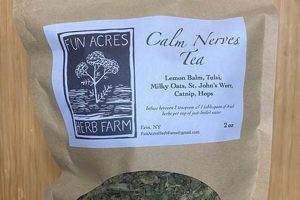
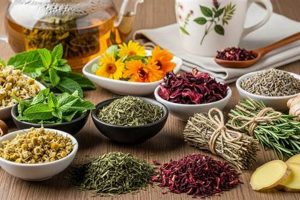
Certain infusions, derived from plants and prepared as beverages, are purported to assist in reducing body mass. These preparations often contain compounds believed to influence metabolic processes or suppress appetite. As an example, a brew containing green tea extract and ginger may be consumed with the intent of supporting weight management efforts.
The perceived value of these botanical beverages lies in their potential contribution to a multifaceted weight loss strategy. Historically, various cultures have employed plant-based remedies for a range of health concerns, including those related to digestion and metabolism. Modern proponents suggest that specific components within these infusions can offer benefits such as increased fat oxidation or decreased fluid retention.
The subsequent sections will examine specific types of these infusions, analyze their purported mechanisms of action, and consider the existing scientific evidence regarding their efficacy. Furthermore, potential risks and interactions associated with their consumption will be addressed, providing a balanced perspective on their role in weight management.
Tips for Incorporating Supportive Herbal Infusions into a Weight Management Plan
Strategic integration of certain botanical infusions can complement a comprehensive weight management strategy. These tips offer guidance on how to approach their consumption responsibly and effectively.
Tip 1: Prioritize Consultation with a Healthcare Professional: Before introducing significant dietary modifications, including regular consumption of these infusions, consult with a physician or registered dietitian. This ensures compatibility with individual health conditions and medications.
Tip 2: Select High-Quality Products: Opt for reputable brands that provide clear information regarding ingredients, sourcing, and manufacturing processes. This minimizes the risk of contamination and ensures the desired constituents are present.
Tip 3: Understand Potential Side Effects: Be aware of possible adverse reactions, such as digestive discomfort or allergic responses. Discontinue use and seek medical advice if any concerning symptoms arise.
Tip 4: Maintain Moderation in Consumption: Adhere to recommended serving sizes and frequency of consumption. Excessive intake can lead to unwanted side effects and may not enhance weight loss outcomes.
Tip 5: Integrate with a Balanced Diet: These infusions are not a substitute for a nutritionally sound diet. Focus on consuming whole, unprocessed foods and maintaining appropriate caloric intake.
Tip 6: Combine with Regular Physical Activity: Exercise is a crucial component of successful weight management. Augmenting these infusions with a consistent exercise regimen can enhance results.
Tip 7: Monitor Progress and Adjust Accordingly: Track changes in weight, body composition, and overall well-being. Adjust dietary and lifestyle factors as needed to achieve desired outcomes.
Tip 8: Avoid Relying Solely on Infusions for Weight Loss: Recognize that these are adjunctive aids and should not be considered a primary solution for weight management. A holistic approach that addresses multiple factors is essential.
These guidelines emphasize the importance of a cautious and informed approach to incorporating botanical infusions into a weight management plan. By prioritizing safety, quality, and a holistic perspective, individuals can optimize potential benefits while minimizing risks.
The subsequent section will provide an overview of potential risks and interactions associated with these botanical infusions.
1. Metabolic Rate

Metabolic rate, the rate at which the body converts calories into energy, is a central factor in weight management. Certain botanical infusions are purported to influence metabolic rate, potentially contributing to weight loss or maintenance. Understanding this relationship requires consideration of several factors.
- Thermogenic Properties of Catechins
Catechins, particularly epigallocatechin gallate (EGCG) found in some infusions, are associated with increased thermogenesis. Thermogenesis is the process of heat production within the body, which requires energy expenditure. EGCG, combined with caffeine (also present in some infusions), may stimulate the nervous system, leading to increased fat oxidation and energy expenditure. For instance, studies have investigated green tea extract’s effects on metabolic rate in individuals with varying activity levels.
- Influence of Caffeine on Basal Metabolic Rate (BMR)
Caffeine, a common constituent of some infusions, has been shown to have a temporary stimulating effect on BMR, the energy expended at rest. This stimulation can increase the number of calories the body burns, even when at rest. However, the effect is generally modest and varies significantly among individuals, based on factors such as tolerance and genetics. An example would be black tea which contains caffeine may impact the BMR.
- Indirect Effects on Metabolism through Improved Digestion
Some botanical infusions are thought to improve digestion and nutrient absorption, indirectly impacting metabolic processes. Improved digestion can lead to more efficient nutrient utilization and reduced bloating, which may support weight management efforts. Some infusions, such as ginger, have been traditionally used to aid digestion. These can impact metabolism indirectly.
In summary, the link between metabolic rate and the ingestion of certain botanical infusions is complex, involving compounds like catechins and caffeine that may influence thermogenesis and BMR. While some evidence suggests a potential metabolic boost, it is critical to recognize the variability of individual responses and the importance of integrating these infusions within a comprehensive weight management strategy.
2. Appetite Suppression

The influence of certain botanical infusions on appetite suppression is a key factor in their purported role in weight management. Appetite suppression, achieved through various physiological or psychological mechanisms, can reduce caloric intake and support weight loss efforts. Several constituents present in herbal preparations are believed to contribute to this effect.
- Fiber Content and Satiety
Some botanical infusions contain soluble fiber, which absorbs water in the digestive tract, promoting a feeling of fullness and reducing overall food consumption. For example, infusions made with psyllium husk or flaxseed can increase satiety. Increased satiety contributes to reduced appetite and consequently, lower calorie intake, a critical factor in weight management.
- Hormonal Regulation
Certain compounds in infusions may influence hormones that regulate appetite, such as leptin and ghrelin. Leptin signals satiety, while ghrelin stimulates hunger. Infusions containing specific polyphenols or antioxidants may impact the production or sensitivity to these hormones, thereby modulating appetite. Green tea, for instance, has been studied for its potential effect on these hormonal pathways.
- Delayed Gastric Emptying
Some botanical preparations can slow the rate at which food empties from the stomach into the small intestine. This delayed gastric emptying can extend the feeling of fullness after a meal, leading to decreased hunger and reduced food intake. Ingredients such as pectin or certain mucilaginous herbs contribute to this effect. An infusion incorporating slippery elm bark might promote delayed gastric emptying.
- Sensory and Psychological Effects
The act of consuming a warm beverage can have psychological effects that contribute to appetite suppression. The ritualistic preparation and consumption of herbal teas, along with their distinct flavors and aromas, may reduce stress and emotional eating, indirectly impacting food intake. This behavior might promote conscious consumption and reduce the likelihood of overeating. Mint tea and chamomile tea are frequently used for their calming effects and sensory appeal.
The potential for botanical infusions to influence appetite suppression involves multiple pathways, ranging from fiber content and hormonal regulation to delayed gastric emptying and psychological effects. While these mechanisms may contribute to reduced caloric intake and support weight management, it is essential to consider individual variations and the integration of these infusions within a comprehensive dietary and lifestyle plan.
3. Calorie Absorption
The modulation of calorie absorption represents a potential mechanism through which certain botanical infusions may influence weight management. A reduction in the efficient uptake of calories from the digestive tract could contribute to a net decrease in energy intake, supporting weight loss efforts. Certain compounds found in plant-based infusions are theorized to interfere with digestive processes, thereby affecting calorie absorption.
One proposed mechanism involves the inhibition of digestive enzymes, such as amylase and lipase, which are responsible for breaking down carbohydrates and fats, respectively. By inhibiting these enzymes, undigested nutrients may pass through the digestive system without being absorbed, leading to a reduced caloric intake. For example, some studies suggest that compounds present in certain types of tea, such as polyphenols, may exert inhibitory effects on these digestive enzymes. Another pathway focuses on altering the gut microbiota composition. Specific botanical compounds could promote the growth of bacterial species that are less efficient at extracting calories from food, further reducing the amount of energy absorbed by the host. Clinical trials exploring the influence of botanical extracts on the gut microbiome are ongoing and aim to elucidate these complex interactions. The practical implications of modulating calorie absorption include potentially reducing the overall energy balance without drastic dietary restrictions.
While the concept of reducing calorie absorption through botanical infusions holds promise, it is essential to acknowledge several limitations. The extent to which these infusions significantly impact calorie absorption remains a subject of ongoing research, with varying results reported across different studies. Moreover, any disruption to normal digestive processes could potentially lead to unintended side effects, such as gastrointestinal discomfort. Therefore, a balanced perspective is crucial when evaluating the role of these infusions in weight management, considering both potential benefits and potential risks. In conclusion, the influence on calorie absorption is only one component that deserves consideration when evaluating botanical infusions for potential weight management assistance. The safety and efficacy of these approaches require further investigation and should be approached with caution.
4. Fluid balance

The regulation of bodily fluids, known as fluid balance, plays a multifaceted role in weight management, and its relationship with certain botanical infusions warrants careful consideration. Proper hydration is essential for various physiological processes that directly and indirectly influence body composition and metabolic function. The consumption of specific infusions can impact fluid retention, electrolyte balance, and overall hydration levels, affecting weight-related outcomes.
- Diuretic Effects and Water Weight Loss
Certain herbal infusions possess diuretic properties, stimulating increased urine production and promoting the excretion of excess fluid from the body. This diuretic action can lead to a temporary reduction in body weight, often referred to as “water weight loss.” While this may provide short-term perceived weight reduction, it is crucial to recognize that it does not equate to a loss of body fat. For example, infusions containing dandelion or parsley are traditionally used for their diuretic effects. The consequence of excessive diuretic-induced fluid loss can lead to dehydration and electrolyte imbalances, which can be detrimental to overall health and potentially counterproductive for long-term weight management.
- Electrolyte Balance and Hydration
Maintaining an adequate balance of electrolytes, such as sodium, potassium, and magnesium, is essential for proper cellular function and fluid regulation. Some infusions can impact electrolyte levels, either through increased excretion or by containing electrolytes themselves. For example, infusions containing hibiscus can potentially alter electrolyte balance due to their diuretic effect. Consuming adequate water alongside these infusions is crucial to prevent dehydration and maintain electrolyte homeostasis. Imbalances can impair metabolic processes and negatively affect exercise performance, both of which are important for weight management.
- Impact on Metabolic Processes
Proper hydration is fundamental for optimal metabolic function. Water is involved in numerous biochemical reactions, including the breakdown of fats and carbohydrates. Dehydration can slow down metabolic processes, potentially hindering weight loss efforts. Certain botanical infusions, due to their water content, can contribute to overall hydration, supporting efficient metabolic function. For instance, consistently consuming enough water, whether plain or infused with herbs, facilitates optimal nutrient transport and waste removal, essential for metabolic health.
- Influence on Appetite and Satiety
Consuming fluids, including herbal infusions, can contribute to feelings of fullness and satiety, potentially reducing overall food intake. Drinking a beverage before or during a meal can help to control portion sizes and prevent overeating. Some infusions, such as those containing ginger or peppermint, may also have appetite-suppressing properties. However, relying solely on fluid intake for appetite control is not a sustainable weight management strategy. It is crucial to combine it with a balanced diet and regular physical activity.
The interplay between fluid balance and the consumption of botanical infusions highlights the importance of mindful hydration in weight management. While certain infusions can promote fluid loss through diuretic effects, maintaining adequate hydration and electrolyte balance is crucial for overall health and optimal metabolic function. Integrating these infusions within a comprehensive weight management approach that emphasizes a balanced diet, regular exercise, and responsible fluid intake is essential for achieving sustainable and healthy outcomes.
5. Antioxidant Properties

The presence of antioxidant compounds in certain botanical infusions is often cited as a potential contributor to overall health and well-being, indirectly supporting weight management efforts. While antioxidants themselves do not directly induce weight loss, their role in mitigating oxidative stress and inflammation may create a more favorable physiological environment for weight management strategies to be effective.
- Mitigation of Oxidative Stress During Weight Loss
Weight loss, particularly rapid weight loss, can induce oxidative stress due to the mobilization of stored fats and increased metabolic activity. Antioxidants present in herbal infusions, such as polyphenols and flavonoids, can neutralize free radicals generated during this process, potentially reducing cellular damage and promoting overall health. Examples include green tea and rooibos tea, which are rich in antioxidants. This reduction in oxidative stress can support the body’s ability to function optimally during weight management efforts.
- Reduction of Inflammation and Insulin Sensitivity
Chronic inflammation is often associated with obesity and can impair insulin sensitivity, making it more difficult to manage weight. Certain antioxidants possess anti-inflammatory properties, potentially improving insulin sensitivity and metabolic function. For instance, compounds found in ginger and turmeric infusions have been shown to reduce inflammatory markers. Improved insulin sensitivity allows the body to utilize glucose more effectively, which can be beneficial for weight management.
- Support for Detoxification Pathways
Antioxidants play a role in supporting the body’s natural detoxification pathways, which are essential for removing metabolic waste products and toxins. By facilitating these processes, antioxidant-rich herbal infusions may contribute to improved overall health and well-being, indirectly supporting weight management. Dandelion root tea, for example, is sometimes used to support liver function and detoxification. A well-functioning detoxification system can contribute to a more efficient metabolism and better weight management outcomes.
- Cardiovascular Benefits and Metabolic Health
Oxidative stress and inflammation contribute to cardiovascular disease, a common comorbidity of obesity. The antioxidants found in herbal infusions can promote cardiovascular health by reducing oxidative damage to blood vessels and improving lipid profiles. Hawthorn berry tea, for example, is often used to support cardiovascular function. Improved cardiovascular health supports overall metabolic function and facilitates physical activity, both of which are essential for weight management.
In summary, while antioxidants do not directly cause weight loss, their presence in certain botanical infusions may offer supportive benefits by mitigating oxidative stress, reducing inflammation, supporting detoxification pathways, and promoting cardiovascular health. These effects can create a more favorable physiological environment for weight management strategies to be successful. It is crucial to remember that antioxidant-rich infusions should be considered as part of a comprehensive weight management plan that includes a balanced diet, regular physical activity, and other lifestyle modifications.
6. Thermogenesis

Thermogenesis, the process of heat production in organisms, is a relevant factor when considering the purported weight management properties of certain botanical infusions. These infusions are often cited for their potential to stimulate thermogenesis, thereby increasing energy expenditure and supporting weight loss efforts.
- Role of Catechins in Stimulating Thermogenesis
Catechins, particularly epigallocatechin gallate (EGCG) found in green tea, are recognized for their potential to enhance thermogenesis. EGCG is thought to activate the sympathetic nervous system, leading to increased production of heat and subsequent energy expenditure. Studies have investigated the impact of green tea extract on thermogenesis in both humans and animals, with some indicating a measurable increase in metabolic rate. However, the magnitude of this effect may vary depending on individual factors, such as genetics and activity levels.
- Contribution of Caffeine to Thermogenic Effects
Caffeine, a common constituent of several infusions, including black tea and yerba mate, is known for its stimulatory effects on the central nervous system. This stimulation can lead to increased thermogenesis by promoting the release of norepinephrine, a neurotransmitter that increases metabolic rate. The thermogenic effects of caffeine are often synergistic with those of catechins, potentially amplifying the impact on energy expenditure. It is important to note that individual tolerance to caffeine can vary, and excessive consumption may lead to adverse effects.
- Indirect Thermogenesis through Brown Adipose Tissue (BAT) Activation
Brown adipose tissue (BAT), also known as brown fat, is a specialized type of fat tissue that burns calories to generate heat. Some research suggests that certain compounds present in infusions may activate BAT, leading to increased thermogenesis. For example, capsaicin, found in chili peppers and potentially present in some herbal blends, has been shown to activate BAT in animal studies. The extent to which infusions can directly activate BAT in humans remains an area of ongoing investigation.
- Impact of Spices on Postprandial Thermogenesis
Certain spices, such as ginger and cinnamon, are often added to herbal infusions for their flavor and purported health benefits. These spices may also influence postprandial thermogenesis, which is the increase in energy expenditure that occurs after eating. Ginger, for instance, has been shown to increase thermogenesis and reduce feelings of hunger. The inclusion of spices in infusions may, therefore, contribute to a slight increase in overall energy expenditure.
The potential of certain botanical infusions to stimulate thermogenesis represents a mechanism through which these beverages may contribute to weight management. The combined effects of compounds like catechins and caffeine, as well as the potential for BAT activation and the inclusion of thermogenic spices, warrant consideration. However, it is essential to recognize that the magnitude of these effects is often modest, and that these infusions should be integrated within a comprehensive weight management strategy that includes a balanced diet and regular physical activity.
Frequently Asked Questions
This section addresses common inquiries and misconceptions regarding herbal infusions and their role in weight management. Information presented is intended for educational purposes and should not be interpreted as medical advice.
Question 1: Are herbal teas a guaranteed method for weight loss?
No, herbal infusions are not a guaranteed solution for weight loss. They may offer supportive benefits when integrated into a comprehensive weight management plan that includes a balanced diet and regular physical activity. Weight loss results vary significantly among individuals.
Question 2: Can herbal teas replace traditional weight loss strategies?
Herbal infusions should not replace established weight loss strategies such as dietary modifications and exercise. They are best considered as adjunctive aids to support overall weight management efforts.
Question 3: Are there potential side effects associated with consuming herbal teas for weight loss?
Yes, certain herbal infusions can cause side effects, including digestive discomfort, allergic reactions, and interactions with medications. It is crucial to research potential side effects and consult with a healthcare professional before incorporating new herbal teas into a diet.
Question 4: Do all herbal teas have the same weight loss benefits?
No, the weight loss properties of herbal infusions vary depending on the specific herbs and their chemical constituents. Some herbal teas may have more pronounced effects on metabolism, appetite suppression, or fluid balance than others.
Question 5: How much herbal tea should be consumed daily for weight loss benefits?
The optimal daily intake of herbal tea varies depending on the type of tea and individual tolerance. Following recommended serving sizes and avoiding excessive consumption is generally advised. Consulting with a healthcare professional can provide personalized guidance.
Question 6: Are there any specific herbal teas that are most effective for weight loss?
Certain herbal teas, such as green tea, oolong tea, and pu-erh tea, have been studied for their potential weight loss benefits. However, the effectiveness of any specific herbal tea varies depending on individual factors and the overall weight management approach.
In summary, while herbal infusions may offer supportive benefits for weight management, they are not a standalone solution. Responsible consumption, awareness of potential side effects, and integration with a comprehensive weight management plan are essential for achieving sustainable and healthy outcomes.
The subsequent section will explore potential risks and interactions associated with these infusions.
Conclusion
The preceding analysis has explored various facets of the concept “herbal tea that helps lose weight.” This exploration encompassed potential mechanisms of action, including impacts on metabolic rate, appetite suppression, calorie absorption, fluid balance, antioxidant properties, and thermogenesis. While certain botanical infusions may offer supportive benefits in these areas, it is crucial to understand that they are not a singular solution for weight management. The efficacy of these infusions depends on multiple factors, including individual physiology, the specific herbal composition, and integration within a comprehensive weight management strategy.
Responsible evaluation necessitates careful consideration of potential risks and interactions associated with the consumption of these infusions. Consultation with healthcare professionals is advised prior to significant dietary changes. Future research is needed to fully elucidate the mechanisms of action and long-term effects of herbal infusions on weight management. A balanced and informed perspective remains paramount in navigating the complex relationship between botanical infusions and achieving sustainable weight management goals.