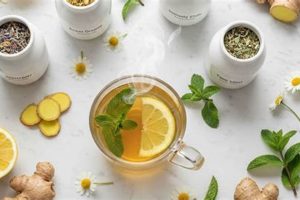
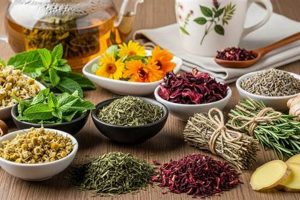
Beverages derived from botanical sources, excluding Camellia sinensis (true teas), can contribute to fluid intake. These infusions, prepared by steeping herbs, flowers, roots, or spices in water, offer an alternative to plain water and other conventional drinks. Chamomile, peppermint, and rooibos are examples of such preparations.
Maintaining adequate fluid levels is vital for numerous physiological processes, including temperature regulation, nutrient transport, and waste removal. The consumption of certain plant-based infusions can assist in meeting daily fluid requirements, potentially offering benefits beyond simple hydration. Historically, these preparations have been used for various perceived health benefits, although scientific evidence supporting all claims may be limited.
The following sections will explore the specific attributes of various botanical infusions, their potential contribution to overall well-being, and considerations regarding their use as a component of a balanced lifestyle.
Guidance on Leveraging Botanical Infusions for Fluid Intake
The following recommendations are intended to provide practical guidance regarding the incorporation of plant-derived beverages into a daily regimen for the purpose of maintaining adequate fluid balance.
Tip 1: Select infusions with naturally appealing flavors. The absence of added sugars or artificial sweeteners is preferable to promote healthy consumption habits. Consider herbal blends containing ingredients like hibiscus, rosehip, or citrus peels for natural flavor enhancement.
Tip 2: Establish a consistent schedule for intake. Integrating a cup of herbal infusion into established routines, such as after meals or during work breaks, can facilitate regular fluid consumption.
Tip 3: Prepare infusions at the correct temperature. Overly hot water can negatively impact the delicate flavor profiles of certain botanicals. Adhere to recommended brewing temperatures to optimize taste and minimize the risk of scalding.
Tip 4: Experiment with different steeping durations. The optimal steeping time varies depending on the specific herbs or spices used. Adhering to recommended steeping times helps prevent bitterness or excessive astringency.
Tip 5: Consider the potential for diuretic effects. Some herbal ingredients, such as dandelion, may possess mild diuretic properties. Monitor fluid balance and adjust intake accordingly, particularly in individuals prone to dehydration.
Tip 6: Be mindful of potential interactions. Individuals taking prescription medications or with pre-existing health conditions should consult a healthcare professional before incorporating large quantities of herbal infusions into their diet, as certain herbs may interact with medications or exacerbate specific conditions.
Tip 7: Prioritize fresh, high-quality ingredients. Opt for loose-leaf herbs or tea bags from reputable sources to ensure optimal flavor and minimize the risk of contamination or adulteration.
Consistent application of these guidelines can contribute to a more effective and enjoyable experience with botanical infusions, supporting the attainment of optimal fluid intake.
The subsequent sections will delve into the diverse array of botanical options available and provide further insights into their potential benefits and considerations.
1. Botanical Composition

The specific plant materials used in herbal infusions directly determine their contribution to hydration and overall well-being. Different herbs, spices, flowers, and roots possess varying concentrations of electrolytes, antioxidants, and other compounds that influence the body’s fluid balance and physiological processes. For example, infusions containing electrolytes like potassium can assist in replenishing losses sustained through perspiration during physical activity. In contrast, certain botanical components may exhibit diuretic properties, potentially increasing fluid excretion rather than promoting retention. Understanding the specific properties of each botanical ingredient is, therefore, essential for predicting the hydrating effect of the resulting infusion.
Variations in botanical composition also affect palatability, which, in turn, influences consumption volume. An infusion with an appealing flavor profile is more likely to be consumed regularly and in sufficient quantities to contribute meaningfully to daily fluid intake. For instance, a blend of hibiscus, rosehips, and citrus peel may offer a naturally sweet and tangy taste, encouraging more frequent consumption compared to a less palatable infusion. The selection of botanicals should, therefore, consider not only their individual properties but also their combined effect on the overall sensory experience. Conversely, an infusion with an unpleasant taste could deter intake, negating any potential hydrating benefits.
In summary, botanical composition is a primary determinant of both the hydrating potential and the palatability of herbal infusions. A careful consideration of the specific ingredients and their properties is crucial for optimizing the use of these beverages as a component of a comprehensive hydration strategy. Challenges include identifying herbs with a balance of hydrating properties and appealing flavors, as well as understanding individual sensitivities to certain botanicals. This aspect links to the broader theme of personalized hydration, where individual preferences and physiological needs dictate the optimal fluid sources and intake levels.
2. Infusion Temperature

Infusion temperature is a critical factor influencing the efficacy of plant-derived beverages in contributing to hydration. Water temperature affects the extraction of bioactive compounds from herbs, flowers, roots, and spices. An insufficient temperature may result in incomplete extraction, limiting the bioavailability of beneficial substances and potentially compromising the beverage’s intended effects. Conversely, excessive temperature can degrade delicate volatile oils and other heat-sensitive compounds, altering the flavor profile and reducing the overall quality of the infusion. For example, brewing green tea with boiling water can lead to a bitter taste due to the release of tannins, whereas a lower temperature yields a smoother flavor. Therefore, precise temperature control is essential for optimizing both the taste and potential health benefits associated with herbal infusions, ultimately affecting the desirability and subsequent consumption volume, directly influencing fluid intake.
The optimal temperature range varies depending on the specific botanical ingredients used. Delicate flowers and leaves, such as chamomile or peppermint, typically require lower infusion temperatures (approximately 170-185F or 77-85C) to preserve their delicate flavors and volatile oils. Harder, more robust ingredients like roots and barks (e.g., ginger, cinnamon) can withstand higher temperatures (closer to boiling point, 212F or 100C) to facilitate a more thorough extraction of their active compounds. Failing to adhere to these temperature guidelines can impact the concentration of flavor compounds, potentially making the infusion less appealing and, consequently, reducing the likelihood of consistent consumption. A properly prepared, palatable infusion promotes regular intake and therefore significantly contributes to daily fluid requirements.
In conclusion, infusion temperature plays a pivotal role in determining the hydrating potential and palatability of herbal infusions. Precise temperature control is necessary to extract beneficial compounds effectively, preserve flavor profiles, and encourage consistent consumption, thereby supporting overall hydration. Challenges include accurately gauging water temperature without specialized equipment and adapting brewing methods to accommodate diverse botanical blends. This consideration highlights the importance of informed preparation techniques in maximizing the health benefits and hydration potential of herbal infusions, linking to the broader need for consumer education and standardization within the herbal beverage industry. A focus on accurate brewing methods ensures a more reliable and enjoyable experience, fostering a sustainable approach to fluid intake and overall wellness.
3. Steeping Duration

Steeping duration, or the length of time botanical ingredients are immersed in hot water, profoundly impacts the resulting infusion’s flavor, concentration, and potential hydrating effects. Inadequate steeping fails to fully extract the beneficial compounds, reducing flavor and minimizing any secondary effects that could encourage further fluid intake. Conversely, excessive steeping can lead to a bitter or astringent taste, diminishing palatability and thereby reducing the likelihood of sufficient consumption for effective hydration. For instance, over-steeping black tea releases tannins, resulting in a bitter brew, while a shorter steeping time yields a milder, more appealing taste. Similar effects are observed in herbal preparations, where the correct steeping duration is crucial for achieving optimal flavor and maximizing the hydrating potential.
The ideal steeping duration varies based on the specific botanical components. Delicate floral or leaf infusions, such as chamomile or green tea, generally require shorter steeping times (3-5 minutes) to prevent bitterness. More robust ingredients like roots, barks, or seeds may necessitate longer steeping times (5-10 minutes or more) to fully release their flavors and bioactive compounds. Consistent adherence to recommended steeping times is essential for producing a palatable and effective hydrating beverage. Consider the practical example of preparing ginger tea: too short a steeping duration results in a weak, watery infusion, while too long a duration can lead to an overly spicy and potentially unpleasant drink. This variation demonstrates the direct link between steeping time and the ultimate quality of the hydrating beverage. Additionally, the amount of herb used relative to the amount of water used to steep the herbal tea is important. More water will dilute the tea and affect flavor and potency, and less water will have the reverse effects. It’s a delicate balance based on the ingredients and the steeping time.
In summary, steeping duration directly influences the flavor profile and potential hydrating benefits of herbal infusions. Optimizing steeping time based on the botanical composition is crucial for creating a palatable beverage that encourages consistent consumption and contributes effectively to overall fluid intake. Challenges include the lack of standardized steeping guidelines for all herbal blends and the need for individual experimentation to determine personal preferences. Nonetheless, understanding the principles of steeping duration enables informed preparation and enhances the hydrating experience, thereby supporting a healthier lifestyle. This appreciation of steeping as a variable connects to the broader theme of mindful beverage consumption and the importance of tailoring hydration strategies to individual needs and preferences.
4. Consumption Volume

The volume of plant-based infusions consumed directly dictates their contribution to overall hydration. While the inherent hydrating potential of these beverages stems from their water content, the actual impact on fluid balance depends on the quantity ingested regularly. Therefore, understanding the factors influencing consumption volume is crucial for effectively leveraging herbal infusions as a component of a comprehensive hydration strategy.
- Palatability and Flavor Profile
The taste and aroma of an herbal infusion significantly affect consumption volume. Beverages with appealing flavor profiles are more likely to be consumed in larger quantities and with greater frequency. Factors such as natural sweetness, tartness, or the presence of aromatic compounds can enhance palatability. For instance, infusions containing fruits or floral elements often exhibit higher consumption rates compared to those with bitter or earthy notes. The addition of natural flavor enhancers, such as citrus peels or spices, can also improve palatability and thereby increase consumption volume. A negative example includes over-steeped tea, which tastes bitter and is thus less likely to be consumed.
- Accessibility and Convenience
The ease with which herbal infusions can be prepared and accessed influences consumption volume. Readily available and simple-to-prepare options are more likely to be incorporated into daily routines. Pre-packaged tea bags, instant herbal mixes, or readily accessible water sources contribute to convenience and facilitate higher consumption rates. Conversely, complex preparation methods or limited access to necessary ingredients may reduce consumption volume. Ready-to-drink bottled herbal teas also represent a convenient option, but their sugar content should be considered.
- Perceived Health Benefits
Consumer beliefs regarding the health benefits associated with specific herbal infusions can impact consumption volume. Individuals who perceive a beverage as offering health-promoting properties are more inclined to consume it regularly and in larger quantities. Marketing claims, cultural traditions, or personal experiences can shape these perceptions. For example, individuals who believe chamomile tea promotes relaxation may consume it more frequently before bedtime. This aspect is tied to overall wellness goals and affects consumption choices.
- Individual Hydration Needs and Habits
Existing hydration habits and individual fluid requirements affect the volume of herbal infusions consumed. Individuals with established routines of regular fluid intake are more likely to incorporate herbal infusions into their diets. Furthermore, factors such as activity level, climate, and underlying health conditions influence overall hydration needs. Athletes or individuals living in hot climates may require higher fluid intake and may therefore consume larger volumes of herbal infusions to meet their hydration demands. For example, someone with a kidney condition may need to carefully monitor and adjust their fluid intake, including herbal teas.
These facets collectively highlight the complex interplay of factors determining the consumption volume of herbal infusions. Understanding and addressing these influences are crucial for maximizing the contribution of these beverages to overall hydration. The effective use of plant-based infusions as a fluid source depends not only on their inherent hydrating properties but also on strategies to promote consistent and adequate consumption. This reinforces the understanding of “herbal tea hydrating” as a process dependent on the individual and on contextual elements such as lifestyle and access.
5. Individual Needs

Individual physiological requirements and lifestyle factors critically influence the suitability and effectiveness of plant-based infusions for hydration. A standardized approach to fluid intake fails to account for variations in metabolic rate, activity level, environmental conditions, and underlying health status, all of which significantly impact daily fluid needs. Therefore, a personalized approach is essential to optimize hydration strategies involving botanical beverages.
- Activity Level and Sweat Rate
Physical activity significantly increases fluid loss through perspiration. Individuals engaged in strenuous exercise or manual labor require higher fluid intake to compensate for these losses. The composition of sweat, including electrolytes such as sodium and potassium, further influences hydration requirements. Certain herbal infusions containing electrolytes can aid in replenishing these losses, while others may lack sufficient electrolyte content to be effective rehydration beverages for active individuals. A sedentary individual will have drastically different needs.
- Climate and Environmental Conditions
Exposure to high temperatures and humidity increases fluid loss through sweating, necessitating a higher daily fluid intake. Conversely, individuals living in colder climates may experience lower sweat rates but still require adequate hydration to maintain optimal physiological function. The diuretic effect of certain herbal infusions may exacerbate fluid loss in already dehydrated individuals, particularly in hot environments. Therefore, the selection of herbal beverages should consider the prevailing environmental conditions.
- Health Status and Medical Conditions
Certain medical conditions, such as kidney disease, heart failure, and diabetes, can significantly impact fluid balance and hydration requirements. Individuals with these conditions may require specific fluid restrictions or electrolyte management strategies. Certain herbal infusions may be contraindicated due to potential interactions with medications or exacerbation of underlying health conditions. Consultation with a healthcare professional is recommended to determine the suitability of specific herbal beverages for individuals with pre-existing medical conditions.
- Age and Physiological State
Hydration needs vary across different age groups and physiological states. Infants, children, and the elderly are particularly vulnerable to dehydration due to differences in body composition and physiological function. Pregnant and lactating women require increased fluid intake to support fetal development and milk production. The suitability of specific herbal infusions for these vulnerable populations should be carefully evaluated, considering potential risks and benefits.
Consideration of individual needs is paramount to leveraging the hydrating potential of herbal infusions effectively. Personalized hydration strategies, informed by physiological requirements, lifestyle factors, and health status, optimize the benefits of these beverages while mitigating potential risks. Ignoring the individual context undermines the premise of “herbal tea hydrating” as an effective approach to wellness. Therefore, a tailored approach is essential.
Frequently Asked Questions
This section addresses common inquiries and clarifies misconceptions regarding the role of plant-based infusions in maintaining adequate hydration.
Question 1: Does all herbal tea contribute equally to hydration?
No. The hydrating potential varies based on the botanical composition, preparation method, and individual physiological factors. Some herbs may have mild diuretic effects, potentially offsetting some hydrating benefits.
Question 2: Can herbal tea completely replace water for hydration purposes?
While herbal tea contributes to fluid intake, it should not be considered a complete replacement for water. Water is a neutral fluid, devoid of additives or compounds that may influence fluid balance. A balanced approach is advisable.
Question 3: Is commercially prepared bottled herbal tea as hydrating as homemade infusions?
Bottled herbal teas often contain added sugars or artificial sweeteners, which may impact their overall health profile and potentially affect hydration. Careful review of product labels is recommended.
Question 4: How does steeping time affect the hydrating properties of herbal tea?
Improper steeping, either too short or too long, can alter the flavor and concentration of bioactive compounds in herbal tea, potentially affecting its palatability and, consequently, the volume consumed. Adherence to recommended steeping times is crucial.
Question 5: Are there specific herbal teas that are more effective for hydration than others?
Herbal teas without significant diuretic effects, such as chamomile or rooibos, may be more suitable for hydration purposes. However, individual preferences and tolerances should be considered.
Question 6: Can herbal tea contribute to electrolyte balance in addition to hydration?
Some herbal teas contain trace amounts of electrolytes, but generally, they are not a significant source. Reliance on electrolyte-rich beverages or foods is necessary for individuals with increased electrolyte needs.
In summary, herbal tea can contribute to hydration as part of a balanced fluid intake strategy. However, its effectiveness is subject to various factors, and it should not be considered a direct replacement for water. Individual circumstances and preferences should guide informed consumption.
The following section will explore strategies for incorporating herbal tea into a comprehensive hydration plan.
Herbal Tea Hydrating
This exploration has elucidated the multifaceted nature of incorporating plant-based infusions into hydration practices. The efficacy of herbal tea hydrating is contingent upon botanical composition, infusion temperature, steeping duration, consumption volume, and, critically, individual needs. While certain herbal infusions can contribute to daily fluid intake, they should not be regarded as a universal solution or direct substitute for water. Thoughtful consideration of each factor is essential to maximizing the hydrating potential and mitigating potential drawbacks.
Moving forward, continued research is necessary to fully characterize the specific hydrating properties of diverse botanical ingredients. A nuanced understanding will empower individuals to make informed choices, integrating herbal infusions into a balanced and personalized approach to fluid maintenance. Prioritizing evidence-based practices will ensure the responsible and effective utilization of herbal tea hydrating for optimizing well-being.