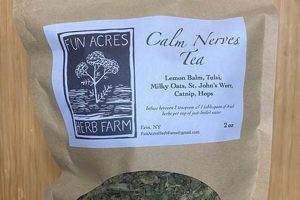
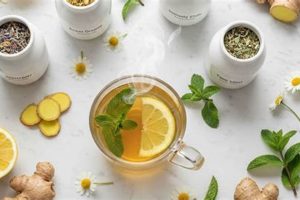
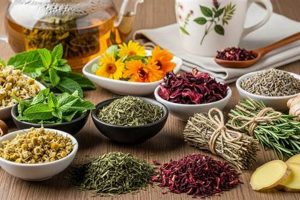
Infusions derived from plants other than Camellia sinensis are commonly categorized based on their ingredients and preparation methods. These beverages, distinct from true teas like black, green, or oolong, are created by steeping herbs, flowers, fruits, seeds, or roots in hot water. Chamomile, peppermint, and rooibos exemplify this diverse group.
The consumption of these plant-based infusions is rooted in traditional medicine and culinary practices worldwide. They are frequently valued for their perceived therapeutic properties, ranging from relaxation and digestive support to immune system enhancement. Historically, different cultures have utilized various plant species to create soothing and beneficial beverages for both medicinal and recreational purposes.
The following sections will delve into a wider range of plant-derived infusions, examining their specific characteristics, purported health benefits, and cultural significance. This exploration will further clarify the diverse applications and botanical origins of these popular beverages.
Choosing among plant-based infusions requires consideration of individual preferences and intended uses. Understanding the characteristics and potential effects of each type is essential for informed selection.
Tip 1: Research the Source. Prior to consumption, investigate the origin and cultivation practices of the plants used in the infusion. Opt for reputable brands that prioritize sustainable and ethical sourcing.
Tip 2: Identify Desired Effects. Different plants offer various purported benefits. Chamomile is often associated with relaxation, while ginger may aid digestion. Select infusions based on desired therapeutic properties.
Tip 3: Consider Potential Interactions. Certain plant-based infusions may interact with medications or pre-existing health conditions. Consult with a healthcare professional before incorporating new infusions into a regular routine, especially for individuals with allergies or sensitivities.
Tip 4: Pay Attention to Ingredients. Scrutinize the ingredient list for added sugars, artificial flavors, or preservatives. Opt for infusions with minimal processing and natural ingredients.
Tip 5: Mind Brewing Time and Temperature. Adhere to recommended brewing times and water temperatures to optimize flavor extraction and minimize the risk of bitterness. Refer to product instructions for specific guidelines.
Tip 6: Start with Small Quantities. When trying a new infusion, begin with a small serving to assess tolerance and identify any potential adverse reactions.
Tip 7: Storage Matters. Store plant-based infusions in airtight containers away from direct sunlight and moisture to preserve freshness and potency.
By following these recommendations, consumers can make informed choices and safely enjoy the diverse range of plant-based infusions available.
These tips provide a foundation for exploring the world of plant-derived infusions. The subsequent sections will address frequently asked questions and offer additional resources for further exploration.
1. Botanical Diversity

The essence of infusions derived from plants other than Camellia sinensis lies in their botanical diversity. This diversity directly dictates the flavor, aroma, and potential therapeutic properties inherent in these beverages. The specific plant or combination of plants used serves as the primary determinant of the infusions character and effect on the consumer. For instance, a peppermint infusion, derived from the Mentha piperita plant, offers a distinctively minty flavor and is often associated with digestive benefits. In contrast, a chamomile infusion, sourced from Matricaria chamomilla, exhibits a floral aroma and is commonly used for its relaxing properties.
The selection of plant material extends beyond the commonly known herbs and flowers. Roots, such as ginger ( Zingiber officinale), provide spicy and warming infusions, while fruits like rosehips ( Rosa canina) contribute tart and vitamin C-rich beverages. The geographical origin of the plant also plays a role, as environmental factors influence the plant’s chemical composition and, consequently, the infusion’s characteristics. This dependence on source contributes significantly to the variation in taste and effects observed across different brands and regions. Understanding the botanical source is therefore fundamental to predicting and appreciating the nuanced qualities of each infusion.
Ultimately, the extensive array of plant species used in their creation underscores the importance of botanical diversity. This understanding empowers consumers to make informed choices based on their desired flavor profiles and anticipated health benefits. However, it also necessitates careful attention to sourcing and quality control to ensure both the efficacy and safety of these plant-derived beverages.
2. Caffeine Content

The defining characteristic differentiating plant-derived infusions from true teas lies primarily in caffeine content. Beverages made from Camellia sinensis, such as black, green, white, and oolong teas, naturally contain caffeine. In contrast, the majority of infusions created from other plants, categorized within the context of this article, are inherently caffeine-free. This absence of caffeine is a critical factor influencing consumer choice, particularly for individuals sensitive to stimulants or seeking beverages for evening consumption.
Examples of caffeine-free infusions include chamomile, peppermint, rooibos, and hibiscus. These beverages offer alternatives to caffeinated options and are often selected for their perceived relaxation or sleep-promoting qualities. However, it is crucial to note that some blended herbal products may contain additions of Camellia sinensis or other naturally caffeinated ingredients like guaran. Consequently, careful scrutiny of product labels is essential to accurately determine the caffeine content of any plant-derived infusion. Furthermore, the lack of caffeine substantially influences the physiological effects of these beverages, directing their usage toward specific purposes such as stress reduction or digestive support, contrasting with the stimulating effects associated with true teas.
In summary, the absence of caffeine is a key attribute of most infusions derived from plants other than Camellia sinensis. This factor dictates their suitability for specific consumer needs and differentiates them significantly from true teas. While the inherent nature of these beverages is generally caffeine-free, vigilance in examining product ingredients remains paramount to ensure accurate understanding of a product’s composition. The impact of this characteristic touches many key aspects of using teas.
3. Preparation Methods

The methods employed to prepare plant-based infusions significantly impact their final flavor profile, potency, and therapeutic properties. Varying techniques extract different compounds from the plant material, influencing the characteristics of the resulting beverage.
- Steeping Time and Temperature
Different plant species require specific steeping times and water temperatures to optimize flavor extraction and prevent bitterness. Delicate flowers like chamomile benefit from shorter steeping times and lower temperatures, while tougher roots such as ginger require longer steeping times and higher temperatures to release their active compounds.
- Water Quality
The quality of the water used in preparation substantially affects the taste of the infusion. Filtered water is recommended to remove impurities that can mask the plant’s natural flavors. Hard water, with high mineral content, can also alter the taste and potentially inhibit the extraction of certain beneficial compounds.
- Plant Material Preparation
The form of the plant material, whether fresh, dried, whole, or cut and sifted, influences the extraction process. Fresh herbs generally yield more volatile aromatic compounds, while dried herbs often have a more concentrated flavor. Cut and sifted herbs offer a larger surface area for extraction compared to whole leaves or roots.
- Infusion Vessels
The type of vessel used for steeping can also impact the final infusion. Materials like glass and ceramic are generally preferred, as they are inert and do not impart any unwanted flavors. Metal vessels, particularly those made of reactive metals like aluminum, can potentially alter the infusion’s taste or react with certain plant compounds.
These preparation methods collectively determine the final characteristics of these plant-based infusions. Understanding these nuances enables consumers to tailor their preparation techniques to achieve the desired flavor and therapeutic effects, contributing to a more satisfying and effective experience with these beverages.
4. Therapeutic Properties
The perceived therapeutic properties are a primary driver for the consumption of plant-derived infusions. These beverages are often chosen for their potential to address specific health concerns or promote overall well-being. The link between particular plants and their attributed benefits is rooted in traditional medicine and, increasingly, scientific research. For example, ginger ( Zingiber officinale) infusions are frequently consumed to alleviate nausea and aid digestion, a practice supported by studies demonstrating ginger’s anti-emetic and pro-kinetic effects. Similarly, chamomile ( Matricaria chamomilla) infusions are commonly used for their calming properties, with research suggesting a mild anxiolytic effect. The selection of a particular infusion is, therefore, frequently guided by the desired therapeutic outcome.
However, the understanding and application of therapeutic properties must be approached with careful consideration. While many plant-based infusions have a long history of traditional use, scientific evidence supporting their efficacy is often limited or inconclusive. Furthermore, the concentration of active compounds can vary significantly depending on factors such as plant variety, growing conditions, and preparation methods. Therefore, the therapeutic effects of plant-derived infusions are not always predictable or consistent. Individuals with pre-existing health conditions or those taking medications should consult with a healthcare professional before incorporating these beverages into their routine, as potential interactions or contraindications may exist. Despite these cautions, the historical and cultural significance, combined with emerging research, continues to fuel interest in the therapeutic potential of plant-derived infusions.
In summary, the perceived therapeutic properties play a crucial role in defining and driving the use of plant-derived infusions. While anecdotal evidence and traditional practices suggest a range of benefits, scientific validation is ongoing and caution is warranted. Responsible consumption necessitates informed choices, consideration of individual health circumstances, and consultation with healthcare professionals when necessary. This approach ensures the safe and effective integration of plant-derived infusions into a holistic wellness strategy, balancing tradition with scientific scrutiny.
5. Flavor Profiles

Flavor profiles constitute a defining characteristic of plant-derived infusions, substantially influencing consumer preferences and usage patterns. These profiles, ranging from floral and fruity to earthy and spicy, stem directly from the specific plant or blend of plants used in the infusion. This connection between botanical origin and flavor is a critical component in understanding the diverse landscape of plant-based beverages. The varying flavor profiles of different infusions allow consumers to select options that align with their personal taste preferences and intended applications, be it relaxation, invigoration, or culinary pairings. For instance, the cooling and slightly sweet flavor of peppermint makes it a popular choice after meals, while the delicate, floral notes of chamomile are often preferred for promoting relaxation before sleep. The importance of flavor in shaping consumer choices cannot be overstated. The market success of plant-derived infusions is intrinsically linked to their appealing and diverse range of flavors.
The creation of unique flavor profiles often involves blending different plant materials. This blending process requires careful consideration of the individual components’ characteristics and their potential interactions. Skilled herbalists and tea blenders can create complex and nuanced flavor profiles by combining herbs, spices, fruits, and flowers in specific proportions. For example, a blend of hibiscus, rosehips, and orange peel can create a tart and fruity infusion rich in vitamin C, while a combination of ginger, cinnamon, and cardamom can produce a warming and spicy beverage ideal for cold weather. Furthermore, the method of preparation, including steeping time and temperature, can significantly impact the perceived flavor. Over-steeping can lead to bitterness, while insufficient steeping may result in a weak and underdeveloped flavor. Understanding these factors is crucial for both producers and consumers in maximizing the enjoyment and benefits of plant-derived infusions. The flavor profiles must be carefully curated to provide an enjoyable experience.
In conclusion, flavor profiles are an indispensable aspect of plant-derived infusions, directly influenced by botanical sources, blending techniques, and preparation methods. These diverse and appealing flavors are a key factor driving consumer interest and market growth. While the health benefits associated with plant-derived infusions are often emphasized, the pleasurable sensory experience provided by their unique flavor profiles remains a central element in their appeal. As the market continues to expand, further research into the flavor chemistry of different plant species will undoubtedly contribute to the development of even more innovative and appealing infusions, but one must recognize the challenges in balancing flavor with potential therapeutic efficacy.
6. Cultural Significance

The cultural significance of plant-derived infusions extends beyond mere beverage consumption, reflecting deeply ingrained traditions, rituals, and medicinal practices across diverse societies. The use of specific plants for infusions is often intertwined with cultural identity and historical events, shaping social customs and beliefs related to health and well-being.
- Traditional Medicine Systems
In many cultures, plant-derived infusions are integral to traditional medicine systems like Ayurveda and Traditional Chinese Medicine (TCM). These systems utilize specific herbal blends to address imbalances and promote healing, with formulations passed down through generations. For instance, in TCM, chrysanthemum tea is valued for its cooling properties and is traditionally consumed to alleviate heat-related ailments.
- Social Rituals and Hospitality
The preparation and sharing of plant-derived infusions frequently serve as social rituals that reinforce community bonds and express hospitality. In certain regions of South America, mate is a communal beverage shared using a gourd and bombilla, symbolizing friendship and connection. Similarly, in Moroccan culture, mint tea is a customary offering to guests, signifying warmth and welcome.
- Religious and Spiritual Practices
Certain plant-derived infusions hold symbolic significance in religious and spiritual practices. In some indigenous cultures, specific herbs are used to create infusions for ceremonial purposes, believed to facilitate communication with the spiritual realm or promote altered states of consciousness. The use of ayahuasca in Amazonian shamanic traditions is one such example, though it is not typically consumed as a daily beverage.
- Culinary Traditions and Regional Identity
Plant-derived infusions often play a significant role in culinary traditions and contribute to regional identity. In South Africa, rooibos tea is a staple beverage deeply rooted in the region’s history and culture, representing a unique aspect of South African identity. The infusion’s distinctive flavor and purported health benefits have contributed to its popularity both locally and internationally.
These facets illustrate how the cultural significance of plant-derived infusions extends far beyond simple refreshment. Their role in medicine, social customs, religious practices, and culinary traditions reflects the enduring connection between people and the botanical world, underscoring the importance of understanding and preserving this rich cultural heritage in the context of contemporary beverage consumption.
7. Source and Quality

The intrinsic link between the source and quality of ingredients used in plant-derived infusions critically defines the characteristics and potential benefits of these beverages. The origin of the plant material directly impacts its chemical composition, influencing both flavor and the presence of bioactive compounds responsible for purported therapeutic effects. Infusions derived from plants cultivated in regions with optimal growing conditions, adhering to sustainable agricultural practices, are more likely to exhibit superior flavor profiles and higher concentrations of beneficial constituents. Conversely, plants grown in suboptimal environments or treated with synthetic pesticides and fertilizers may yield inferior infusions with diminished flavor, reduced therapeutic value, and potential contamination risks. As an illustrative example, chamomile flowers sourced from organic farms in Europe, known for their meticulous cultivation practices, generally produce infusions with a more pronounced floral aroma and a higher concentration of apigenin, a compound associated with calming effects, compared to chamomile sourced from regions with less stringent quality control measures.
The processing methods employed after harvesting also play a crucial role in determining the final quality of plant-derived infusions. Proper drying and storage techniques are essential to preserve the plant’s volatile oils and prevent degradation. For instance, herbs dried slowly in shaded conditions retain more of their aromatic compounds than those dried rapidly under direct sunlight. Similarly, storage in airtight containers protects against moisture and oxidation, extending shelf life and preventing the loss of potency. Instances of adulteration, where lower-grade plant material or synthetic additives are mixed with higher-quality ingredients, further underscore the importance of stringent quality control measures throughout the supply chain. These practices impact not only the sensory experience but also the safety and efficacy of the infusion.
In summary, the source and quality of plant-derived ingredients are paramount in determining the overall value and potential benefits. Consumers should prioritize infusions sourced from reputable suppliers who prioritize sustainable practices, rigorous quality control, and transparent sourcing information. Understanding the connection between origin, processing, and final product characteristics empowers consumers to make informed choices, maximizing their enjoyment and minimizing potential risks. The challenge lies in establishing robust traceability mechanisms and independent certification programs to ensure consistent quality standards and build consumer trust within the diverse market of plant-derived infusions. This understanding makes teas what are herbal can be the basis to better choices.
Frequently Asked Questions Regarding Plant-Derived Infusions
This section addresses common inquiries and misconceptions surrounding plant-derived infusions, offering clear and concise answers based on current understanding.
Question 1: Are all teas caffeine-free?
No, not all beverages commonly referred to as “teas” are caffeine-free. True teas, derived from the Camellia sinensis plant (black, green, white, oolong), naturally contain caffeine. Infusions created from other plants are typically caffeine-free, but it is essential to check labels for blends containing true tea or other caffeinated ingredients.
Question 2: Can plant-derived infusions interact with medications?
Yes, certain plant-derived infusions can potentially interact with medications. Plants contain bioactive compounds that may affect drug metabolism or have additive or antagonistic effects. Individuals taking prescription medications should consult with a healthcare professional before regularly consuming plant-derived infusions.
Question 3: How should plant-derived infusions be stored to maintain freshness?
Plant-derived infusions should be stored in airtight containers away from direct sunlight, heat, and moisture. This helps prevent oxidation and degradation of volatile oils, preserving flavor and potency.
Question 4: Are there any risks associated with consuming plant-derived infusions during pregnancy?
Some plant-derived infusions are considered safe for consumption during pregnancy, while others may pose potential risks. Certain herbs have been associated with uterine contractions or other adverse effects. Pregnant individuals should consult with their healthcare provider before consuming any plant-derived infusions.
Question 5: How can one determine the quality of a plant-derived infusion?
The quality of a plant-derived infusion can be assessed by considering the source of the plant material, the aroma and flavor of the infusion, and the presence of any additives or contaminants. Opting for reputable brands that prioritize sustainable sourcing and rigorous quality control is recommended.
Question 6: Can plant-derived infusions replace medical treatment?
No, plant-derived infusions should not be considered a replacement for conventional medical treatment. While some infusions may offer supportive or complementary benefits, they are not intended to diagnose, treat, cure, or prevent any disease. Seeking professional medical advice for health concerns is crucial.
The information provided in this FAQ section is intended for general knowledge and informational purposes only and does not constitute medical advice.
Further exploration of specific plant species and their associated properties is encouraged. The following section will provide resources for continued learning.
Conclusion
The preceding exploration has clarified the diverse landscape of infusions derived from plants other than Camellia sinensis. The properties discussed, including botanical diversity, caffeine content, preparation methods, therapeutic properties, flavor profiles, cultural significance, and source and quality, collectively define what are herbal beverages. Understanding these facets enables informed consumer choices and appreciation for the complexities inherent in these plant-based drinks.
Continued research and responsible sourcing practices are essential for maximizing the potential benefits and minimizing the risks associated with plant-derived infusions. As consumer interest in natural and holistic wellness solutions grows, a commitment to quality and transparency within the industry will be crucial for fostering trust and ensuring the safe and effective utilization of these botanical resources.