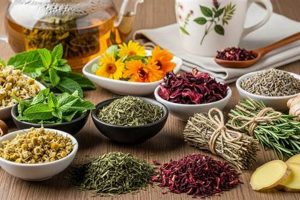
The beverage in question is an infusion derived from the vibrant, often deep-red or purple, petals of the hibiscus flower. This botanical preparation offers a tart, cranberry-like flavor profile and is commonly consumed both hot and cold. It is frequently marketed as a caffeine-free alternative to traditional teas.
Its significance stems from both its appealing taste and perceived health benefits. Historically, various cultures have utilized the hibiscus plant for medicinal purposes. Modern research suggests potential positive effects on blood pressure and cholesterol levels, contributing to cardiovascular wellness. The drink is also valued for its antioxidant properties.
Subsequent sections will delve into the cultivation and sourcing of the hibiscus plant, exploring the specific compounds responsible for its characteristic flavor and potential health advantages. Further examination will be dedicated to preparation methods, variations in regional recipes, and potential contraindications or side effects associated with its consumption.
Tips Regarding Hibiscus Herbal Tea
This section provides practical advice for consumers interested in incorporating the beverage into their routine. The information aims to optimize the experience and ensure safe consumption.
Tip 1: Source Reputable Brands: Prioritize purchasing from established companies with transparent sourcing practices. This ensures the quality and purity of the hibiscus flowers used in the tea. Check for certifications indicating organic or fair-trade practices.
Tip 2: Observe Water Temperature: Use water that is heated just below boiling (approximately 200-212F or 93-100C). Overly hot water can scorch the delicate petals, resulting in a bitter taste. A temperature-controlled kettle is recommended for precision.
Tip 3: Steep for the Appropriate Duration: Allow the tea to steep for 5-7 minutes. Steeping for too long can lead to an overly tart or astringent flavor. Experiment with steeping times to find the preferred intensity.
Tip 4: Consider Blending: Enhance the flavor profile by blending hibiscus with complementary herbs and spices, such as ginger, lemon, mint, or cinnamon. These additions can create a more balanced and complex taste.
Tip 5: Be Mindful of Potential Interactions: Individuals taking medications for high blood pressure or other cardiovascular conditions should consult with a healthcare professional before regularly consuming hibiscus tea. Potential interactions may occur.
Tip 6: Monitor Consumption Levels: While generally safe, excessive consumption may lead to mild side effects such as upset stomach or electrolyte imbalances. Moderation is advised.
Tip 7: Store Properly: To maintain freshness and prevent degradation, store dried hibiscus flowers or tea bags in an airtight container in a cool, dark, and dry place.
Following these guidelines can help ensure a positive and beneficial experience with hibiscus herbal tea. Careful consideration of sourcing, preparation, and individual health factors is paramount.
The concluding section will summarize the key aspects of hibiscus tea and provide final recommendations for its responsible enjoyment.
1. Floral Source

The term “Floral Source” is fundamental to understanding the characteristics and quality of hibiscus herbal tea. It directly refers to the origin of the hibiscus flowers used to create the beverage, impacting flavor, aroma, and potential health benefits.
- Hibiscus Species
The species of hibiscus plant used significantly influences the tea’s characteristics. Hibiscus sabdariffa is the most common variety, prized for its deep red color and tart flavor. Other species may yield different flavor profiles or have varying levels of beneficial compounds. Understanding the specific species used can help predict the tea’s overall qualities.
- Geographic Origin
The geographical location where the hibiscus is grown affects the plant’s composition. Soil type, climate, and altitude all contribute to variations in flavor and nutrient content. For example, hibiscus grown in tropical climates may have a more intense flavor compared to that grown in cooler regions. Knowing the geographic origin provides insight into potential nuances in the tea.
- Cultivation Practices
Whether the hibiscus is organically grown or cultivated using conventional methods has a direct impact on the final product. Organic cultivation avoids synthetic pesticides and fertilizers, potentially leading to a purer and healthier tea. Conversely, conventional farming may result in higher yields but could also introduce unwanted chemical residues. The cultivation practices employed influence both the quality and ethical considerations associated with the tea.
- Harvesting and Processing
The timing and methods used to harvest and process the hibiscus flowers are crucial to preserving their flavor and beneficial properties. Flowers harvested at peak maturity and properly dried will yield a higher quality tea. Improper drying or storage can lead to mold growth or loss of flavor. Understanding the harvesting and processing techniques offers insight into the care taken to ensure the integrity of the final product.
In summary, the “Floral Source” encompasses a range of factors that determine the quality and characteristics of hibiscus herbal tea. From the specific species and geographic origin to the cultivation and processing methods employed, each aspect plays a vital role in shaping the final beverage. Consumers who are aware of these factors can make more informed choices and appreciate the nuances of different hibiscus teas.
2. Tart Flavor
The tart flavor of hibiscus herbal tea is a defining characteristic, largely responsible for its appeal and perceived refreshing qualities. This tanginess distinguishes it from other herbal infusions and contributes significantly to its unique sensory profile.
- Organic Acid Content
The primary contributors to the tart flavor are organic acids, notably citric acid and malic acid, naturally present within the hibiscus flower. The concentration of these acids varies depending on the hibiscus species, growing conditions, and processing methods. These acids stimulate saliva production and contribute to a crisp, clean taste sensation. This characteristic distinguishes the beverage from sweeter herbal teas.
- pH Level
The pH level of the brewed tea is directly correlated with its tartness. Lower pH values indicate higher acidity and, consequently, a more pronounced tart flavor. The pH typically ranges between 2.5 and 3.5. The perception of tartness is also influenced by individual taste preferences and the presence of other flavor compounds that may either accentuate or mitigate the sourness.
- Influence of Steeping Time
The duration of steeping significantly impacts the intensity of the tart flavor. Extended steeping times result in a greater extraction of organic acids, leading to a more intensely tart beverage. Conversely, shorter steeping times produce a milder, less acidic infusion. Consumers can adjust the steeping time to modulate the tartness according to their preference.
- Flavor Balancing Agents
To counterbalance the tartness, various additives are frequently incorporated. Sweeteners such as honey, sugar, or stevia are commonly used. Blending with other herbs, such as mint or licorice root, can introduce complementary flavors that soften the acidic edge. The addition of citrus fruits, like lemon or lime, can enhance the tartness for those who prefer a more intensely sour beverage.
The tart flavor of hibiscus herbal tea is a complex characteristic arising from a combination of organic acids, pH level, steeping duration, and balancing agents. This interplay determines the final taste profile and ultimately contributes to the overall enjoyment of the beverage. Understanding these factors allows consumers to tailor the preparation to achieve their desired level of tartness.
3. Caffeine-Free
Hibiscus herbal tea is inherently devoid of caffeine, a property that distinguishes it from beverages derived from Camellia sinensis (true teas like black, green, and white tea) and coffee. This characteristic arises from its botanical source; hibiscus flowers naturally lack caffeine. The absence of this stimulant is a primary reason for its appeal to individuals seeking to avoid caffeine’s physiological effects, such as increased heart rate, anxiety, and insomnia. A direct consequence of this is its suitability for consumption in the evening or by those sensitive to stimulants.
The importance of its caffeine-free nature extends to specific populations. Pregnant women, individuals with cardiovascular conditions, and those prone to anxiety disorders often seek alternatives to caffeinated beverages. Hibiscus tea provides a palatable and potentially healthful option for these groups. The prevalence of its use in relaxation teas and sleep aids further underscores its value as a caffeine-free alternative. Consumer demand for naturally caffeine-free options in the beverage market has also contributed to the increased popularity and availability of hibiscus tea.
In summary, the connection between “caffeine-free” and “hibiscus herbal tea” is fundamental to its market position and health benefits. Its inherent lack of caffeine facilitates its consumption by a wide range of individuals, particularly those seeking to avoid the stimulatory effects associated with caffeinated drinks. This characteristic, stemming directly from its botanical composition, contributes significantly to its commercial and therapeutic value. Challenges remain in educating consumers on the distinctions between true teas and herbal infusions to ensure informed choices regarding caffeine intake. The future likely holds continued growth in the hibiscus tea market as awareness of its caffeine-free properties expands.
4. Antioxidant Properties

The presence of antioxidant compounds in hibiscus herbal tea is a significant factor contributing to its perceived health benefits. Antioxidants function by neutralizing free radicals, unstable molecules that can damage cells and contribute to the development of chronic diseases. The concentration and types of antioxidants in the tea directly influence its capacity to mitigate oxidative stress within the body. For example, individuals consuming hibiscus tea regularly may experience a reduction in cellular damage, potentially lowering the risk of conditions such as heart disease and certain cancers.
Specific polyphenolic compounds, including flavonoids and anthocyanins, are primarily responsible for the antioxidant activity. Anthocyanins, which impart the vibrant red color to the hibiscus flower, are potent antioxidants that have been shown to possess anti-inflammatory properties. Studies suggest that these compounds can protect against cellular damage caused by environmental toxins and metabolic processes. The degree to which these compounds are extracted during brewing is influenced by factors such as water temperature and steeping time, highlighting the importance of proper preparation techniques. Furthermore, variations in the hibiscus plant’s genetics and growing conditions can also affect the concentration of these beneficial compounds.
In conclusion, the antioxidant properties of hibiscus herbal tea are a key aspect of its potential health benefits, directly stemming from the presence of specific polyphenolic compounds like flavonoids and anthocyanins. While further research is needed to fully elucidate the extent of these benefits, the existing evidence supports the notion that regular consumption can contribute to cellular protection and overall well-being. Understanding the factors influencing antioxidant concentration, such as brewing methods and plant genetics, is crucial for maximizing the potential health advantages of this herbal beverage.
5. Blood Pressure

The relationship between blood pressure and hibiscus herbal tea is a subject of ongoing investigation and public interest. While not a substitute for conventional medical treatments, hibiscus tea has shown promise in influencing blood pressure levels in some individuals. This potential effect warrants careful examination and consideration.
- Systolic Blood Pressure Reduction
Clinical studies have indicated that regular consumption of hibiscus tea may contribute to a modest reduction in systolic blood pressure (the upper number in a blood pressure reading). Meta-analyses of multiple trials suggest a statistically significant, though not always clinically significant, decrease. However, the magnitude of this reduction varies across individuals and studies, highlighting the need for personalized assessment. Examples include studies where participants with mildly elevated blood pressure experienced a noticeable decrease after several weeks of regular hibiscus tea consumption. This systolic reduction is important because elevated systolic pressure is a key risk factor for cardiovascular diseases.
- Diastolic Blood Pressure Reduction
Similar to its effect on systolic pressure, hibiscus tea has also been associated with a decrease in diastolic blood pressure (the lower number in a blood pressure reading). The consistency and magnitude of this effect are debated, with some studies reporting significant reductions and others showing minimal impact. Individual responses may depend on factors such as baseline blood pressure, overall health status, and lifestyle choices. Some trials involving participants with pre-hypertension demonstrated a reduction in diastolic pressure approaching the normal range. The diastolic value reflects the pressure in the arteries when the heart rests between beats, and its reduction can contribute to improved cardiovascular health.
- Mechanisms of Action
Several mechanisms have been proposed to explain the potential blood pressure-lowering effects of hibiscus tea. These include vasodilation (the widening of blood vessels), increased nitric oxide production (which promotes vasodilation), and diuretic effects (which help reduce blood volume). The presence of antioxidants, particularly anthocyanins, may also contribute to improved endothelial function, which plays a role in blood pressure regulation. The interaction of these mechanisms is complex and not fully understood, requiring further research to clarify the precise pathways involved in the hypotensive effects of the beverage.
- Considerations and Cautions
It is essential to acknowledge that hibiscus tea is not a replacement for prescribed antihypertensive medications. Individuals with hypertension should consult with a healthcare professional before incorporating hibiscus tea into their routine. Potential interactions with certain medications, particularly diuretics and ACE inhibitors, should be carefully considered. Furthermore, excessive consumption of hibiscus tea may lead to electrolyte imbalances in some individuals. Monitoring blood pressure regularly and maintaining open communication with a healthcare provider are crucial when considering hibiscus tea as a complementary approach to managing blood pressure.
In summary, the relationship between hibiscus herbal tea and blood pressure is characterized by potential benefits and important considerations. While evidence suggests a possible role in reducing both systolic and diastolic blood pressure, the magnitude of this effect varies, and it is not a substitute for conventional medical management. Understanding the proposed mechanisms of action and potential interactions is crucial for informed and responsible use. Individuals with concerns about their blood pressure should seek guidance from qualified healthcare professionals.
6. Preparation Method
The method by which hibiscus herbal tea is prepared significantly influences its final characteristics, encompassing flavor intensity, nutrient extraction, and overall sensory experience. The selection of a specific preparation technique should be predicated on desired outcomes and individual preferences.
- Water Temperature
Water temperature is a critical parameter. Overly hot water, near or at boiling point (100C or 212F), can extract bitter compounds from the hibiscus petals, resulting in an undesirable taste profile. Conversely, water that is too cool may not adequately extract the beneficial compounds and flavorful acids. An optimal range typically lies between 80C (176F) and 90C (194F). Thermometers or kettles with temperature control settings are useful for maintaining precision. This control directly affects the balance between desired flavor and unwanted bitterness.
- Steeping Time
The duration of steeping dictates the concentration of flavors and organic acids. Shorter steeping times, around 3-5 minutes, yield a lighter, more delicate infusion. Extended steeping, exceeding 7 minutes, can lead to a more intensely tart and potentially astringent beverage. Monitoring the steeping time and adjusting it according to personal preference is essential. Visual observation of the tea’s color can also serve as a guide; a deep red hue typically indicates a more potent infusion. Adjusting the steeping time, allows tailoring the beverage’s flavor profile.
- Water Quality
The quality of the water used directly impacts the taste of the tea. Hard water, containing high mineral concentrations, can mask the delicate flavors of the hibiscus. Filtered or purified water is recommended to ensure a clean and unadulterated taste. The pH of the water can also influence the extraction process; slightly acidic water may enhance the extraction of the organic acids. Distilled water, while pure, can result in a flat taste due to the absence of any minerals. This ensures the pure flavour of the hibiscus is present in the brewed outcome.
- Flower to Water Ratio
The proportion of dried hibiscus flowers to water determines the strength of the infusion. A general guideline is 1-2 teaspoons of dried flowers per 8 ounces (240 ml) of water. Adjusting this ratio allows one to control the intensity of the flavor and concentration of beneficial compounds. Using too few flowers results in a weak and watery tea, while excessive use leads to an overpowering and potentially unpalatable beverage. Careful measurement promotes a balanced and enjoyable outcome.
These facets collectively demonstrate the importance of precise control over the preparation method. Water temperature, steeping time, water quality, and the flower-to-water ratio all interact to influence the final characteristics of hibiscus herbal tea. Mastering these elements allows individuals to tailor the beverage to their specific taste preferences and optimize its potential benefits.
7. Potential Interactions
The concept of “Potential Interactions” constitutes a critical consideration when evaluating the safety and suitability of hibiscus herbal tea for individual consumption. This aspect encompasses the possibility of adverse effects arising from the concurrent use of hibiscus tea with specific medications, pre-existing health conditions, or other dietary supplements. A failure to acknowledge and address these potential interactions can lead to compromised therapeutic efficacy or, in certain cases, adverse health outcomes. The interaction occurs due to hibiscus, as a natural substance containing numerous bioactive compounds, might influence the absorption, metabolism, or excretion of pharmaceutical drugs. In some instances, hibiscus tea may potentiate or diminish the effects of medications, leading to unexpected clinical results. For example, concurrent consumption of hibiscus tea with antihypertensive drugs could theoretically result in an excessive reduction in blood pressure, requiring careful monitoring and dosage adjustments. The lack of comprehensive understanding by consumer or healthcare provider increases the risk of unfavorable effects, hence there is requirement to have clear information.
Specific examples highlight the clinical significance of considering potential interactions. Hibiscus tea possesses mild diuretic properties, and its concomitant use with diuretic medications may potentiate fluid and electrolyte imbalances. Individuals taking medications for diabetes should exercise caution, as hibiscus tea may have hypoglycemic effects, potentially leading to episodes of low blood sugar. Furthermore, evidence suggests that hibiscus may influence estrogen levels; therefore, individuals taking hormone replacement therapy or oral contraceptives should consult with their healthcare provider before regular consumption. The limited availability of robust clinical trials specifically addressing these interactions necessitates a cautious approach, relying on pharmacological principles and case reports to guide clinical decision-making. The severity of interactions can vary depending on factors such as the dosage of hibiscus tea consumed, individual patient characteristics, and the specific medication involved. The understanding of this is a matter of high importance for the health of consumer who takes hibiscus herbal tea.
In conclusion, the acknowledgement and evaluation of “Potential Interactions” represent an indispensable component of a responsible approach to hibiscus herbal tea consumption. Healthcare providers and consumers should be cognizant of the potential for adverse effects arising from the concurrent use of hibiscus tea with medications or in individuals with specific health conditions. The integration of this consideration into clinical practice and personal decision-making can mitigate risks and ensure the safe and appropriate utilization of this herbal beverage. As with any bioactive substance, a thorough understanding of potential interactions is crucial for maximizing benefits and minimizing harm. Further research is warranted to fully elucidate the scope and magnitude of these interactions, providing a more evidence-based framework for clinical guidance and consumer education.
Frequently Asked Questions Regarding Hibiscus Herbal Tea
The following questions and answers address common inquiries and misconceptions surrounding the consumption and properties of hibiscus herbal tea. The information is intended to provide clarity and promote informed decision-making.
Question 1: Does hibiscus herbal tea contain caffeine?
No. Hibiscus herbal tea is inherently caffeine-free. It is derived from the hibiscus flower and not from the Camellia sinensis plant, the source of true teas like black, green, and white tea, which naturally contain caffeine.
Question 2: Can hibiscus herbal tea lower blood pressure?
Studies suggest that regular consumption may contribute to a modest reduction in blood pressure in some individuals. However, it is not a substitute for prescribed antihypertensive medications, and consultation with a healthcare professional is recommended before incorporating it into a treatment plan.
Question 3: What is the optimal water temperature for brewing hibiscus herbal tea?
Water heated to between 80C (176F) and 90C (194F) is generally recommended. Overly hot water can extract bitter compounds, while cooler water may not adequately extract the desirable flavors and beneficial constituents.
Question 4: How long should hibiscus herbal tea be steeped?
A steeping time of 5-7 minutes is typically recommended. Shorter steeping times result in a lighter flavor, while longer steeping can produce a more intense and potentially tart beverage.
Question 5: Are there any potential side effects associated with hibiscus herbal tea consumption?
While generally considered safe, excessive consumption may lead to mild side effects such as upset stomach or electrolyte imbalances in some individuals. Moderation is advised, and those with pre-existing health conditions should consult with a healthcare provider.
Question 6: Can hibiscus herbal tea interact with medications?
Hibiscus tea may potentially interact with certain medications, including diuretics, ACE inhibitors, and medications for diabetes. Consultation with a healthcare professional is recommended for individuals taking prescription medications.
In summary, hibiscus herbal tea offers a caffeine-free beverage option with potential health benefits, but responsible consumption and awareness of potential interactions are crucial. Individual responses may vary, and professional medical advice should be sought for specific health concerns.
The next section will provide a comprehensive summary of the key considerations discussed in this article regarding hibiscus herbal tea.
Conclusion Regarding Hibiscus Herbal Tea
The preceding exploration has elucidated various aspects of hibiscus herbal tea, encompassing its botanical origins, flavor profile, potential health implications, and preparation considerations. It is imperative to recognize that, while evidence suggests potential benefits, hibiscus herbal tea is not a panacea and should not be considered a replacement for conventional medical interventions. Responsible consumption necessitates awareness of potential interactions with medications and pre-existing health conditions. Furthermore, the quality and composition of hibiscus herbal tea can vary depending on sourcing and preparation methods, emphasizing the importance of informed consumer choices.
Therefore, individuals considering the incorporation of hibiscus herbal tea into their dietary regimen are advised to approach the matter with discernment, seeking guidance from qualified healthcare professionals when appropriate. Ongoing research will undoubtedly further refine our understanding of the multifaceted properties of hibiscus herbal tea, informing best practices and promoting its safe and judicious utilization. The ultimate responsibility for health-related decisions rests with the individual, and a balanced perspective, grounded in evidence-based information, is paramount.