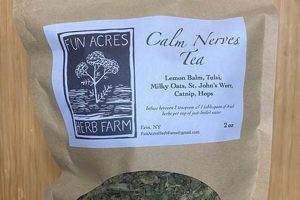
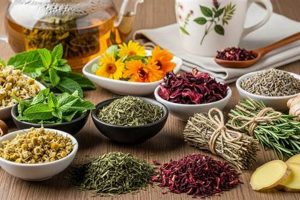
Infusions prepared from various herbs and plants, commonly steeped in hot water, are employed as a home remedy to alleviate symptoms associated with upper respiratory infections. These preparations utilize the inherent properties of botanicals to provide relief from congestion, sore throat, and related discomforts. For example, chamomile and peppermint are frequently used for their soothing effects.
The consumption of these botanical infusions offers several potential advantages. The warm liquid helps to soothe irritated throat tissues and loosen mucus, promoting expectoration. Furthermore, certain herbs contain compounds with anti-inflammatory, antimicrobial, and antioxidant properties, which may contribute to immune system support during illness. Historically, diverse cultures have utilized plant-based remedies for generations to manage coughs and colds, passing down knowledge of effective herbal combinations.
The following sections will delve into specific herbal ingredients commonly found in these remedies, examining their properties and potential benefits in the context of managing cold and cough symptoms. Preparation methods, potential contraindications, and scientific evidence supporting their efficacy will also be discussed.
Guidance on Using Herbal Infusions for Cough and Cold Relief
The following recommendations aim to provide practical guidance on the safe and effective use of herbal infusions as a supportive measure for managing cough and cold symptoms.
Tip 1: Prioritize Safety and Identify Sensitivities: Before consuming any herbal infusion, research potential allergens or contraindications, particularly when co-administered with medications. Consult a healthcare professional if uncertainties exist.
Tip 2: Select Quality Ingredients: Opt for reputable sources when acquiring dried herbs. Ensure the ingredients are properly stored and free from contaminants such as mold or pesticides.
Tip 3: Use Proper Steeping Techniques: Adhere to recommended steeping times and water temperatures to extract optimal therapeutic compounds from the herbs without compromising flavor or safety. Generally, 5-10 minutes in freshly boiled water is sufficient.
Tip 4: Consider Synergistic Herbal Blends: Combining herbs with complementary properties may yield enhanced benefits. For example, pairing a demulcent herb (e.g., marshmallow root) with an expectorant herb (e.g., thyme) can address both throat irritation and congestion.
Tip 5: Hydrate Adequately: The consumption of herbal infusions contributes to overall hydration, which is crucial for thinning mucus and supporting immune function during illness. Supplement intake with water throughout the day.
Tip 6: Monitor Symptoms: Closely observe the body’s response to the herbal infusion. If symptoms worsen or new symptoms emerge, discontinue use and seek medical advice.
Tip 7: Do not Substitute for Medical Care: Herbal infusions should be viewed as a complementary approach and not a replacement for conventional medical treatment. If symptoms are severe or persistent, consult a physician.
Adhering to these recommendations promotes informed and responsible utilization of herbal infusions for cough and cold symptom management.
The subsequent section will discuss specific herbal ingredients and their demonstrated effects in the context of respiratory health, providing evidence-based insights for selection and usage.
1. Soothing Properties

The association between soothing properties and herbal infusions for cough and cold relief is foundational to their perceived therapeutic value. The sensation of warmth and the intrinsic biochemical characteristics of particular herbs combine to alleviate discomfort in inflamed mucous membranes. This modulation of physiological responses provides temporary relief from the acute symptoms associated with upper respiratory infections. For example, constituents in chamomile and licorice possess demulcent qualities, forming a protective layer over irritated tissues in the throat, thereby diminishing pain and coughing impulses. This effect creates a tangible sensation of comfort and improved well-being.
The importance of soothing properties in the context of herbal infusions extends beyond mere symptomatic relief. By mitigating irritation and reducing the urge to cough, these effects promote rest and recovery, essential components in overcoming illness. Furthermore, the placebo effect, potentiated by the soothing sensation, can contribute to a perceived improvement in overall condition. Practical application involves the strategic selection of herbs known for their soothing properties based on the specific characteristics of the cough or cold symptoms being experienced. For instance, a dry, hacking cough may benefit from herbs with mucilaginous compounds, while a sore throat may respond more favorably to herbs with mild anesthetic properties.
In summary, the soothing properties of herbal infusions constitute a key factor in their utilization for cough and cold symptom management. While not addressing the underlying cause of the infection, these properties offer valuable symptomatic relief, promoting comfort and facilitating the body’s natural healing processes. Challenges include the variability in individual responses and the need for rigorous scientific validation of the efficacy of specific herbs in providing these soothing effects. The understanding of this connection underscores the importance of informed herb selection and responsible usage within a holistic approach to respiratory health.
2. Immune Support
The concept of immune support, when considered in the context of herbal infusions used for cough and cold relief, refers to the potential of certain botanicals to bolster the body’s natural defenses against pathogens and to modulate inflammatory responses. This is not a claim of curing illness, but rather an exploration of how specific herbs may contribute to a more resilient immune system.
- Antimicrobial Properties
Certain herbs possess inherent antimicrobial compounds that can inhibit the growth or activity of bacteria and viruses. For instance, tea infusions containing elderberry are traditionally used due to the presence of compounds demonstrated in vitro to interfere with viral replication. While these findings offer promise, it is essential to acknowledge that the impact on human immunity within the complex environment of the body remains subject to ongoing research.
- Antioxidant Effects
Oxidative stress, often heightened during infection, can impair immune function. Herbal infusions rich in antioxidants, such as those containing green tea or rose hips, may help neutralize free radicals and mitigate this oxidative damage. The consumption of such infusions is aimed at supporting the body’s capacity to respond effectively to immunological challenges.
- Modulation of Inflammatory Responses
While inflammation is a necessary component of the immune response, excessive or prolonged inflammation can be detrimental. Certain herbs, like ginger and turmeric, contain compounds that can help regulate inflammatory pathways, preventing the immune system from overreacting. This modulation can potentially alleviate some of the discomfort associated with coughs and colds.
- Enhancement of Immune Cell Activity
Some botanical compounds have been suggested to stimulate the activity of specific immune cells, such as natural killer cells and macrophages, which play crucial roles in pathogen clearance. However, the extent to which these effects translate into clinically significant improvements in immune function during a cough or cold requires further investigation through rigorous scientific studies.
It is imperative to approach the topic of immune support through herbal infusions with a critical and evidence-based perspective. While some herbs may offer promising benefits in modulating immune function, they should not be considered a replacement for conventional medical care or other established strategies for preventing and managing respiratory infections. Moreover, individual responses to herbal remedies can vary considerably, and potential interactions with medications must be carefully considered.
3. Mucus Reduction
Excessive mucus production is a hallmark symptom of many upper respiratory infections, contributing to congestion, coughing, and breathing difficulties. The use of specific botanical infusions, often referred to as herbal teas, is a traditional approach aimed at alleviating these symptoms by promoting mucus reduction and facilitating expectoration.
- Expectorant Action
Expectorant herbs stimulate the clearing of mucus from the airways. This can be achieved through various mechanisms, such as increasing the hydration of the mucus, reducing its viscosity, or directly stimulating the expulsion of mucus via coughing. An example includes herbs like thyme and eucalyptus, which contain volatile oils known for their expectorant properties. These herbs are believed to help loosen and thin the mucus, making it easier to cough up and clear from the respiratory system. The practical implication is improved airflow and reduced chest congestion.
- Demulcent Effect on Irritated Tissues
Irritated and inflamed respiratory tissues often respond by producing more mucus. Herbs with demulcent properties can help soothe these irritated tissues, potentially leading to a reduction in mucus production. Marshmallow root and licorice root are examples of herbs with demulcent qualities. These herbs contain mucilage, a gel-like substance that coats and protects the mucous membranes, reducing inflammation and irritation. This, in turn, may help to regulate and decrease excessive mucus secretion.
- Anti-inflammatory Influence
Inflammation is a significant contributor to mucus overproduction. Certain herbs possess anti-inflammatory properties that can target this underlying cause. Ginger and turmeric, for example, contain compounds with known anti-inflammatory effects. By reducing inflammation in the respiratory tract, these herbs may help to normalize mucus production and alleviate related symptoms. This effect is particularly relevant in cases where inflammation is a primary driver of excessive mucus.
- Hydration and Mucus Thinning
Adequate hydration is crucial for maintaining healthy mucus consistency. The act of consuming warm herbal infusions contributes to overall hydration, which can help to thin thickened mucus. Thinning the mucus makes it easier to clear from the airways, reducing congestion and coughing. While not a direct mechanism of herbal action, the hydrating effect is an important component of the overall therapeutic benefit. Certain herbal infusions also have mild diuretic effects, so maintaining adequate fluid intake beyond the tea is important.
The effectiveness of herbal infusions in reducing mucus is multifaceted, involving expectorant action, demulcent effects, anti-inflammatory influence, and the benefits of hydration. The selection of specific herbs should be guided by the nature of the cough and associated symptoms, with a consideration for potential interactions and contraindications. While anecdotal evidence and traditional use support these applications, rigorous scientific research is needed to fully elucidate the mechanisms of action and establish evidence-based guidelines for optimal utilization.
4. Herbal Synergy
Herbal synergy, in the context of herbal infusions designed for cough and cold relief, refers to the phenomenon where the combined effect of multiple herbs is greater than the sum of their individual effects. This principle recognizes that botanical compounds interact in complex ways, potentially enhancing therapeutic benefits, modulating side effects, or improving bioavailability of active constituents. The strategic combination of herbs, based on their complementary properties, forms a cornerstone of traditional herbal medicine and aims to create a more effective and balanced remedy. For example, combining an expectorant herb like thyme with a demulcent herb like marshmallow root can address both the congestion and throat irritation often present during a cold. The thyme helps to loosen and expel mucus, while the marshmallow root soothes the inflamed tissues, addressing two distinct symptoms simultaneously.
The practical significance of understanding herbal synergy lies in the potential to create more potent and targeted formulations. Instead of relying on a single herb to address all aspects of a cough or cold, practitioners can select a combination of herbs that work together to provide comprehensive relief. Another illustration is combining ginger, known for its anti-inflammatory properties, with lemon, a source of vitamin C, to bolster immune function and alleviate inflammation concurrently. The interaction extends beyond merely additive effects; certain compounds may enhance the absorption or activity of others. However, a nuanced understanding of herbal interactions is crucial to avoid antagonistic effects or potential toxicity. In traditional Chinese medicine, for instance, herbal formulas are meticulously crafted to balance the energetic properties of different herbs, ensuring that the overall effect is harmonious and beneficial.
In conclusion, herbal synergy represents a key principle in the formulation of effective herbal infusions for cough and cold relief. It acknowledges the complex interactions between botanical compounds and emphasizes the importance of combining herbs strategically to maximize therapeutic benefits. However, the practice necessitates a thorough understanding of individual herb properties, potential interactions, and safe dosage guidelines. While traditional knowledge provides a foundation for understanding herbal synergy, further scientific investigation is needed to elucidate the specific mechanisms of action and validate the efficacy of various herbal combinations. The challenge lies in translating traditional wisdom into evidence-based practices that can be safely and effectively applied to manage cough and cold symptoms.
5. Potential Interactions

The consideration of potential interactions is paramount when evaluating the use of herbal infusions for cough and cold relief. Concurrent administration of herbal remedies and conventional medications can result in unintended consequences, impacting drug efficacy, increasing the risk of adverse effects, or altering the metabolism of both the herbal and pharmaceutical agents. Thorough assessment and awareness are critical to ensure patient safety.
- Herb-Drug Interactions
This category encompasses interactions between herbal constituents and prescription or over-the-counter medications. For example, St. John’s Wort, sometimes included in herbal remedies for mood elevation, can induce hepatic enzymes, potentially reducing the effectiveness of numerous drugs, including certain anticoagulants and oral contraceptives. Similarly, licorice root, used for its soothing properties, can interact with certain blood pressure medications and diuretics, leading to electrolyte imbalances and increased blood pressure. Vigilance and consultation with a healthcare professional are necessary to identify and mitigate such risks.
- Herb-Herb Interactions
Combining multiple herbal ingredients within a single infusion can also result in interactions. Certain herbs may potentiate or inhibit the effects of others, altering the overall therapeutic outcome. For instance, combining herbs with sedative properties, such as chamomile and valerian, may lead to excessive drowsiness. Conversely, combining herbs with opposing effects may negate their individual benefits. Careful consideration of the pharmacological properties of each herb is essential to avoid unintended consequences and ensure synergistic effects.
- Interactions with Pre-existing Conditions
Certain pre-existing medical conditions can increase the risk of adverse interactions with herbal remedies. Individuals with bleeding disorders should exercise caution when using herbs with anticoagulant properties, such as ginger and ginkgo. Similarly, individuals with autoimmune diseases should consult a healthcare professional before using herbs that stimulate the immune system, such as echinacea. Awareness of individual health status is crucial for selecting appropriate herbal remedies and minimizing potential risks.
- Allergic Reactions and Sensitivities
Adverse reactions to herbal infusions can manifest as allergic reactions or sensitivities. Symptoms may range from mild skin irritation to severe anaphylaxis. Individuals with known allergies to plants in the same family as the herbal ingredients should exercise particular caution. Additionally, some individuals may develop sensitivities to certain herbs over time with repeated exposure. Careful monitoring for signs of allergic reactions and prompt discontinuation of use are essential for preventing serious adverse events.
These facets highlight the critical importance of considering potential interactions when utilizing herbal infusions for cough and cold relief. The complex pharmacological properties of herbs and their potential to interact with medications, pre-existing conditions, and other herbal ingredients necessitate a cautious and informed approach. Consultation with a healthcare professional is strongly recommended to ensure safe and effective use.
Frequently Asked Questions
The following addresses common inquiries regarding the use of herbal infusions as a supportive measure for cough and cold symptom management. The information provided is for educational purposes and does not constitute medical advice.
Question 1: Are herbal teas a substitute for conventional medical treatment for coughs and colds?
Herbal infusions should not be considered a replacement for conventional medical care. If symptoms are severe or persistent, consultation with a physician is crucial.
Question 2: Can herbal teas be used safely in conjunction with prescription medications?
Potential interactions between herbal ingredients and prescription medications exist. Consultation with a healthcare professional is essential prior to combining herbal remedies with pharmaceutical agents.
Question 3: What are the primary risks associated with consuming herbal teas for cough and cold relief?
Risks may include allergic reactions, interactions with medications, and exacerbation of pre-existing medical conditions. Careful consideration of individual health status and potential contraindications is necessary.
Question 4: How can the quality and safety of herbal tea ingredients be ensured?
Selection of reputable sources for dried herbs is paramount. Ensuring proper storage and freedom from contaminants such as mold or pesticides is also vital.
Question 5: What is the appropriate steeping time and water temperature for preparing herbal infusions?
Generally, a steeping time of 5-10 minutes in freshly boiled water is sufficient to extract therapeutic compounds without compromising flavor or safety. However, specific recommendations may vary depending on the herb.
Question 6: Is there scientific evidence to support the efficacy of herbal teas for cough and cold symptoms?
While anecdotal evidence and traditional use support certain applications, rigorous scientific research is ongoing to fully elucidate the mechanisms of action and establish evidence-based guidelines for optimal utilization. The efficacy of herbal teas varies across different herbs and individual responses.
The responsible utilization of herbal infusions involves informed decision-making, careful consideration of potential risks and benefits, and integration with conventional medical approaches when appropriate.
The concluding section will summarize key takeaways and provide guidance on integrating herbal remedies into a holistic approach to respiratory health.
Conclusion
This exploration has illuminated the multifaceted nature of “herbal tea for cough and cold” as a traditional and complementary approach to managing upper respiratory symptoms. Key points encompass the soothing properties of certain herbs, the potential for immune support, the facilitation of mucus reduction, and the synergistic effects achieved through strategic herbal combinations. Crucially, the potential for interactions with medications and pre-existing conditions was underscored, emphasizing the need for informed and cautious utilization.
The integration of “herbal tea for cough and cold” into a holistic health regimen necessitates a balanced perspective, acknowledging both the potential benefits and inherent limitations. Further research is essential to solidify evidence-based recommendations and ensure safe and effective application. Individuals are encouraged to consult with healthcare professionals to determine the suitability of “herbal tea for cough and cold” within their specific health context, fostering responsible and informed self-care practices.