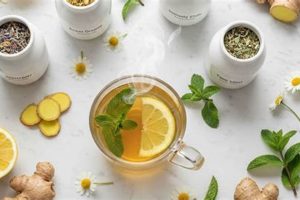
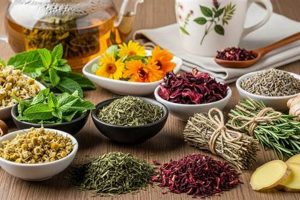
Formulations created from infusing herbs, spices, flowers, or other plant materials in hot water offer flavorful and healthful beverage options. These preparations diverge from commercially produced teas derived from the Camellia sinensis plant, instead relying on a diverse range of botanicals. As an example, combining dried chamomile flowers with hot water results in a calming infusion.
The practice of creating such beverages boasts a long history, with various cultures employing indigenous plants for their therapeutic properties. These infusions can provide hydration, antioxidants, and targeted benefits depending on the ingredients selected. Interest in these customized beverages has surged as individuals seek natural alternatives and control over the ingredients they consume.
The following discussion will explore the selection of appropriate ingredients, preparation techniques, and potential health considerations related to creating these personalized infusions.
Guidelines for Crafting Herbal Infusions
Optimizing the outcome of individualized herbal infusions requires careful consideration of several critical factors, from ingredient selection to proper preparation techniques.
Tip 1: Source High-Quality Ingredients: Acquire dried herbs, spices, and flowers from reputable suppliers who prioritize quality and freshness. Inspect materials for vibrancy and avoid those with signs of discoloration or degradation.
Tip 2: Prioritize Ingredient Safety: Thoroughly research the properties and potential interactions of each botanical ingredient prior to use. Consult reliable botanical resources and be aware of potential allergens or contraindications.
Tip 3: Utilize Appropriate Water Temperature: Employ water that is heated to the appropriate temperature for the specific herbs being used. Delicate flowers like chamomile benefit from lower temperatures (around 170F), while tougher roots and barks can withstand higher temperatures (around 200F).
Tip 4: Adhere to Recommended Steeping Times: Allow the herbs to steep for the recommended duration, typically between 5-15 minutes, depending on the desired strength and the type of herb. Over-steeping can lead to bitter flavors.
Tip 5: Experiment with Flavor Combinations: Explore different flavor profiles by combining various herbs and spices. Start with simple blends and gradually add complexity based on personal preference. For example, combining peppermint and ginger can create a refreshing and digestive-supporting beverage.
Tip 6: Consider Infusion Strength: Adjust the amount of herbs used per cup of water to control the strength of the infusion. Start with a small amount and gradually increase until the desired potency is achieved.
Tip 7: Strain Thoroughly: Use a fine-mesh strainer or cheesecloth to remove all solid particles from the infusion before consumption. This will improve the overall taste and texture.
By adhering to these guidelines, individuals can ensure the creation of flavorful, healthful, and safe herbal infusions tailored to their specific needs and preferences. Careful attention to detail throughout the process is key to maximizing the benefits of this traditional practice.
The following section will address potential considerations related to health and safety when creating personalized infusions.
1. Ingredient Sourcing

The creation of effective and safe herbal infusions depends fundamentally on the origin and quality of the constituent ingredients. Sourcing practices directly impact the chemical composition, potency, and potential contamination levels of the final beverage. For instance, herbs grown in areas with heavy metal contamination can accumulate these toxins, rendering the infusion unsafe for consumption. Similarly, misidentification of plant species during harvesting can introduce toxic or allergenic substances into the preparation.
Reputable suppliers adhere to stringent quality control measures, including botanical identification verification, testing for pesticides and heavy metals, and proper drying and storage protocols. Purchasing from such sources mitigates the risk of adulteration and ensures the consistency of the herbal material. Farmers’ markets and local growers can offer opportunities to acquire fresh herbs, allowing for direct assessment of plant health and cultivation practices. However, verification of species identification and awareness of potential pesticide use remain crucial even in these settings.
In conclusion, responsible ingredient sourcing is paramount to the safe and effective preparation of herbal infusions. Neglecting this aspect can undermine the potential health benefits and introduce significant health risks. Consumers should prioritize transparency and traceability when selecting herbal ingredients, seeking suppliers with robust quality assurance programs. This proactive approach ensures the integrity and safety of the final product.
2. Botanical Knowledge

Comprehensive understanding of botany is essential for safely and effectively creating personalized herbal infusions. Lacking such knowledge can lead to misidentification of plants, improper use of plant parts, and potentially harmful health consequences.
- Plant Identification and Safety
Accurate identification of plant species is paramount. Mistaking a toxic plant for a beneficial one can lead to severe poisoning. For example, water hemlock, a deadly plant, can be confused with edible plants in the carrot family. Confidently distinguishing between plant species is a prerequisite for safe herbal infusion preparation.
- Understanding Plant Properties
Different plant parts possess varying chemical compositions and therapeutic properties. Roots, leaves, flowers, and seeds may have distinct effects on the body. For instance, the root of a plant may have sedative properties, while the leaves are stimulating. A botanical foundation facilitates targeted use of plant components for desired effects.
- Awareness of Plant Interactions
Certain plants can interact negatively with medications or existing health conditions. St. John’s Wort, for example, can interfere with various prescription drugs. Knowledge of potential interactions is crucial for avoiding adverse effects. Individuals must be aware of their own health status and consult credible sources before using unfamiliar herbs.
- Proper Harvesting and Handling Techniques
Harvesting plants at the correct time of year and employing appropriate drying and storage methods preserves their potency and prevents spoilage. Improperly dried herbs can develop mold or lose their active compounds. Understanding best practices for handling botanicals ensures that the final infusion retains its intended properties.
These facets of botanical knowledge are indispensable for creating safe and effective herbal infusions. They reduce the risk of adverse reactions and maximize the therapeutic benefits of personalized herbal preparations. Thorough research and consultation with qualified experts are advisable for individuals lacking formal botanical training.
3. Proper Preparation

The success and safety of infusions are directly contingent upon adherence to proper preparation methods. Variations in technique, such as water temperature, steeping duration, and ingredient ratios, exert significant influence over the resulting beverage’s flavor profile, potency, and potential for adverse effects. Improper preparation can lead to suboptimal extraction of beneficial compounds, rendering the infusion ineffective, or the release of undesirable substances, resulting in bitterness or toxicity. For example, over-steeping tannins-rich herbs like black tea can lead to a bitter, astringent taste, while insufficient steeping of certain medicinal roots may fail to release their therapeutic constituents.
Furthermore, the physical state of the ingredients prior to infusion plays a critical role. Finely ground herbs offer a larger surface area for extraction compared to coarsely chopped or whole ingredients, leading to a faster and more complete infusion. However, finely ground materials may also release more sediment into the liquid, requiring thorough straining. The use of appropriate filtration methods, such as fine-mesh strainers or muslin cloths, ensures the removal of particulate matter, improving the palatability and visual appeal of the beverage. The selection of suitable brewing vessels, such as glass or stainless steel, prevents unwanted interactions between the infusion and the container material, preserving the purity and flavor of the final product.
In summary, diligent attention to preparation protocols is essential for realizing the full potential of such beverages. Mastery of these techniques not only enhances the sensory experience but also safeguards the health and well-being of the consumer. Ignoring these critical steps can compromise the integrity and efficacy of the resulting infusion, underscoring the importance of precision and expertise in the practice of preparing homemade herbal beverages.
4. Dosage Awareness
Accurate dosage determination is a crucial aspect of preparing herbal infusions. The concentration of active compounds in the final beverage directly influences its effects, both therapeutic and potentially adverse. Therefore, understanding appropriate quantities and concentrations is essential for safe consumption.
- Standardized Measurement and Ratios
Employing standardized measuring tools (teaspoons, tablespoons, grams) ensures consistent herb-to-water ratios. General guidelines often recommend 1-2 teaspoons of dried herb per cup of water. However, this serves as a starting point, requiring adjustment based on the specific herb, individual sensitivity, and desired strength. Deviation from established ratios can lead to unintended consequences.
- Potency Variations in Herbal Material
The concentration of active constituents varies significantly between different batches of herbs, influenced by factors such as growing conditions, harvesting time, and storage methods. Therefore, relying solely on standardized measurements may not account for these inherent variations. Starting with lower concentrations and gradually increasing the dosage allows for individual titration and reduces the risk of overconsumption.
- Individual Sensitivity and Physiological Factors
Age, weight, health status, and individual metabolism influence the response to herbal infusions. Children, pregnant women, and individuals with pre-existing medical conditions require particularly cautious dosage adjustments. Certain herbs are contraindicated in specific populations. Consideration of these factors is paramount to avoid adverse reactions.
- Cumulative Effects and Long-Term Use
The cumulative effects of regular consumption must be considered. Some herbs, while safe in small doses, can lead to adverse effects with prolonged use. Monitoring physiological responses and adjusting dosage or discontinuing use as needed is essential for responsible long-term consumption. Consulting with a qualified healthcare professional is advisable for individuals considering regular, long-term use of herbal infusions, especially when managing pre-existing medical conditions or taking prescription medications.
Dosage, therefore, is not a static value but a dynamic parameter that depends on a confluence of factors. A nuanced approach, incorporating standardized measurements, awareness of herbal potency variations, consideration of individual physiology, and monitoring long-term effects, contributes significantly to the safe and beneficial use of individually prepared herbal beverages.
5. Health Considerations

The preparation of individualized herbal beverages necessitates a thorough understanding of potential health considerations. These formulations, while often perceived as natural and benign, can exert significant physiological effects, necessitating careful attention to safety and suitability for specific individuals.
- Allergies and Sensitivities
Herbal ingredients can trigger allergic reactions in susceptible individuals. Identifying potential allergens within a chosen formulation is crucial. For example, individuals with ragweed allergies may experience cross-reactivity to chamomile. Awareness of personal sensitivities and meticulous review of ingredient lists is essential to prevent adverse reactions.
- Drug Interactions
Certain herbs can interact with prescription and over-the-counter medications, altering their efficacy or increasing the risk of side effects. St. John’s Wort, known for its antidepressant properties, can interfere with various medications, including oral contraceptives and anticoagulants. Consulting a healthcare professional or pharmacist is advisable to assess potential interactions before combining herbal infusions with pharmaceutical drugs.
- Pre-existing Medical Conditions
Individuals with specific medical conditions require caution when consuming herbal infusions. For instance, those with kidney disease should avoid herbs high in oxalates, such as spinach and rhubarb, which can exacerbate their condition. Pregnant and breastfeeding women also require special consideration, as certain herbs can be harmful to the fetus or infant. Tailoring herbal formulations to individual health profiles is critical.
- Dosage and Potential Toxicity
Even seemingly innocuous herbs can become toxic if consumed in excessive amounts. Understanding appropriate dosages and potential toxicity levels is vital for safe use. Foxglove, a plant used medicinally for heart conditions, is highly toxic and can be fatal if ingested improperly. Adhering to recommended dosage guidelines and seeking professional guidance when necessary minimizes the risk of adverse events.
Therefore, considering potential health implications is paramount when creating and consuming personalized herbal infusions. A proactive approach, incorporating awareness of allergies, drug interactions, pre-existing conditions, and potential toxicity, is essential for maximizing the benefits while minimizing the risks associated with these natural preparations.
Frequently Asked Questions
The following addresses common inquiries regarding the creation and consumption of customized herbal infusions, providing clear, factual responses.
Question 1: What distinguishes herbal infusions from traditional tea?
Traditional teas originate exclusively from the Camellia sinensis plant. Herbal infusions, conversely, comprise a diverse range of botanicals, including herbs, spices, flowers, and roots, excluding Camellia sinensis.
Question 2: Is it necessary to use organic ingredients?
Employing organic ingredients minimizes exposure to pesticides and herbicides. While not strictly required, sourcing organic materials is recommended to reduce potential health risks.
Question 3: Can such preparations replace conventional medication?
Herbal infusions should not substitute prescribed medication without consultation with a qualified healthcare professional. They may complement conventional treatments but are not intended as replacements for prescribed therapies.
Question 4: How should herbal infusions be stored?
Dried herbal materials should be stored in airtight containers, away from direct sunlight and moisture. Proper storage preserves potency and prevents degradation.
Question 5: Are these beverages safe for children?
Certain herbs are contraindicated for children. Consulting with a pediatrician or qualified herbalist is essential before administering herbal infusions to children. Dosages must be carefully adjusted based on age and weight.
Question 6: Can they cause allergic reactions?
Herbal ingredients can trigger allergic reactions in susceptible individuals. Prior to consumption, review ingredient lists to identify potential allergens. Discontinue use immediately if allergic symptoms develop.
These answers provide fundamental guidance on the nature and safety of personalized herbal infusions. Prioritizing informed practices ensures a safe and beneficial experience.
The subsequent discussion will explore advanced techniques for formulating complex herbal blends.
Conclusion
The preceding examination of “homemade herbal tea recipes” has underscored several critical aspects. These individualized formulations, while offering potential health benefits and sensory experiences, require careful attention to ingredient sourcing, botanical knowledge, preparation techniques, dosage awareness, and health considerations. A responsible approach mitigates risks and maximizes the potential advantages associated with this practice.
The formulation and consumption of such beverages represent a nuanced endeavor, demanding informed decision-making and a commitment to safety. Continued research and education in the realm of botanical medicine are essential to further optimize the creation and application of individualized herbal infusions for the benefit of all.