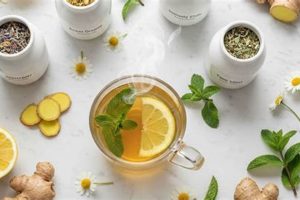
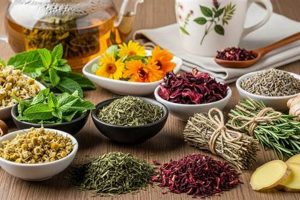
The process of extracting flavors and beneficial compounds from dried herbs by immersing them in hot water is a common practice. This infusion method allows the water to become enriched with the herb’s properties, creating a flavorful and potentially therapeutic beverage. For example, chamomile flowers steeped in hot water yield a calming, floral-scented drink.
This method holds significant cultural and health value across various societies. Throughout history, different cultures have utilized this technique for its purported medicinal properties, employing various plants to address a range of ailments. The resulting beverages often contribute to relaxation, hydration, and the potential intake of antioxidants and other beneficial phytonutrients.
The subsequent sections will delve into optimal steeping times, appropriate water temperatures, specific herbal blends, and potential health considerations related to this practice. These factors all play a critical role in maximizing the flavor profile and potential benefits derived from the final product.
Enhancing Herbal Infusions
Maximizing the flavor and benefits extracted from dried herbs requires careful attention to several key factors during the infusion process. By adhering to the following recommendations, individuals can optimize their experience and potentially enhance the therapeutic value of these beverages.
Tip 1: Water Temperature Matters: Utilizing water that is too hot can scorch delicate herbs, resulting in a bitter taste. Generally, water just below boiling point (around 200-212F or 93-100C) is optimal for most herbal infusions. Certain herbs, such as green tea, benefit from slightly cooler water to prevent bitterness.
Tip 2: Steeping Time is Critical: The duration of the infusion directly impacts the strength and flavor profile of the beverage. Over-steeping can lead to bitterness, while under-steeping may result in a weak and flavorless drink. Consult specific guidelines for individual herbs, but a general range of 5-10 minutes is often recommended.
Tip 3: Herb Quality Influences Results: The quality of the dried herbs significantly affects the final product. Opt for organically grown, whole-leaf herbs whenever possible, as they tend to retain more of their essential oils and flavor compounds. Store herbs in airtight containers away from direct sunlight to preserve their potency.
Tip 4: Covering the Infusion Vessel: Covering the cup or pot during the infusion process helps to prevent the loss of volatile aromatic compounds, resulting in a more flavorful and fragrant beverage. This simple step can significantly enhance the overall sensory experience.
Tip 5: Consider the Herb-to-Water Ratio: The appropriate ratio of dried herbs to water is essential for achieving a balanced and flavorful infusion. As a general guideline, use approximately one teaspoon of dried herbs per cup (8 ounces) of water. Adjust the ratio to suit personal preferences.
Tip 6: Experiment with Blends: Combining different herbs can create unique and complex flavor profiles, as well as potentially synergistic health benefits. Research compatible herbs and experiment with various blends to discover your personal preferences.
Tip 7: Filtering the Infusion Thoroughly: Before consumption, ensure that all herbal particles are thoroughly filtered out to prevent a gritty or unpleasant texture. Utilize a fine-mesh strainer, cheesecloth, or tea infuser for optimal results.
By carefully considering these factors, individuals can consistently achieve a superior and more enjoyable beverage. Paying attention to water temperature, steeping time, herb quality, and other nuances will unlock the full potential of this preparation.
The following sections will examine specific herbal varieties and their unique characteristics, providing a more in-depth understanding of their potential health benefits and optimal preparation methods.
1. Water temperature control

Water temperature exerts a profound influence on the quality and efficacy of any steeped herbal tea. The temperature determines the rate and extent to which desirable compounds are extracted from the dried plant material. Suboptimal water temperature can result in incomplete extraction, yielding a weak and flavorless infusion, while excessively high temperatures can degrade delicate volatile oils and phenolic compounds, leading to bitterness or the loss of therapeutic properties. For instance, green teas, when exposed to boiling water, often develop an undesirable astringency due to the release of tannins. Conversely, robust herbal blends featuring roots or barks, such as ginger or cinnamon, may require near-boiling water to fully unlock their characteristic flavors and medicinal qualities.
The accurate control of water temperature necessitates the use of a reliable thermometer. General recommendations suggest temperatures ranging from 170F (77C) for delicate green and white teas to 212F (100C) for black teas and most herbal infusions. However, specific herbs often benefit from nuanced temperature adjustments. Chamomile, for example, retains its delicate floral aroma best when steeped in water around 190F (88C), preventing the development of bitter notes. The pragmatic application of this knowledge involves considering the specific botanical composition of the herbal blend and adjusting water temperature accordingly. In commercial settings, precision brewing systems ensure consistent temperature control to maintain product quality and uniformity.
In summary, water temperature is not merely a procedural detail but a critical factor governing the overall character and potential therapeutic value of the final herbal infusion. Neglecting precise temperature control can compromise the flavor, aroma, and beneficial properties inherent in various herbal teas. Consistent application of appropriate water temperatures, informed by knowledge of the specific herbs involved, is essential for achieving optimal results and maximizing the potential benefits of the steeped product.
2. Optimal steeping duration

Optimal steeping duration serves as a critical determinant in the quality and characteristics of steeped herbal tea. The time allotted for infusion directly impacts the extraction of volatile oils, flavonoids, and other beneficial compounds from the dried herbs. Insufficient steeping yields a weak, underdeveloped flavor profile, failing to fully capture the herb’s potential. Conversely, excessive steeping can lead to an over-extraction of tannins and bitter compounds, resulting in an unpalatable and potentially less beneficial brew. For instance, green tea, if steeped for too long, releases excessive tannins, causing a bitter taste. Chamomile, when over-steeped, develops a medicinal, less enjoyable flavor. Understanding and adhering to the recommended steeping time for each specific herb is therefore essential for achieving the desired taste and therapeutic benefits.
The practical significance of controlling steeping duration extends to both commercial production and home preparation. In commercial settings, standardized steeping times are crucial for ensuring product consistency and consumer satisfaction. Tea bag manufacturers and pre-packaged herbal blends rely on established protocols to deliver a predictable taste experience. At home, the steeping duration allows for personalization; individuals can adjust the time to cater to their preferences for stronger or milder infusions. Furthermore, precise timing is particularly vital when preparing herbal remedies, as the concentration of active compounds can directly influence the therapeutic effect. For example, a longer steeping time for ginger root might be employed to create a more potent brew for alleviating nausea.
In summary, optimal steeping duration represents a key variable in the steeping herbal tea process, directly influencing flavor, aroma, and potential therapeutic efficacy. Mastering this aspect requires a nuanced understanding of the specific herbs characteristics and desired outcome. While general guidelines exist, experimentation within a controlled timeframe allows for the development of personalized steeping protocols that maximize enjoyment and optimize the extraction of beneficial compounds. The challenge remains in disseminating clear, accurate information on steeping times for a wide array of herbs, empowering individuals to create consistently high-quality infusions.
3. Herb quality impacts

The quality of the herbs used in steeping directly influences the resulting flavor profile, aroma, and potential therapeutic benefits. Selecting high-quality ingredients is paramount to achieving a desirable and effective herbal tea.
- Source and Harvesting Practices
The origin and harvesting methods of herbs significantly affect their chemical composition. Herbs grown in optimal conditions, harvested at peak potency, and processed carefully retain higher concentrations of essential oils and beneficial compounds. Wildcrafted herbs, sustainably harvested, can possess unique properties due to their adaptation to specific environments. Conversely, herbs from contaminated or poorly managed sources may contain pesticides, heavy metals, or other undesirable substances, compromising the safety and efficacy of the steeped beverage.
- Storage and Handling
Improper storage and handling degrade the quality of dried herbs. Exposure to light, air, heat, and moisture accelerates the loss of volatile oils and other sensitive compounds. Herbs should be stored in airtight containers, away from direct sunlight and excessive heat, to preserve their potency and flavor. Commercially available herbs that have been improperly stored or handled often exhibit a muted aroma, faded color, and reduced therapeutic value.
- Form and Freshness
The form of the herb (whole leaf, cut and sifted, powdered) and its freshness also contribute to the quality of the final product. Whole-leaf herbs generally retain their essential oils and flavor compounds better than cut or powdered forms. Freshly dried herbs possess a more vibrant aroma and flavor compared to those that have been stored for extended periods. Checking the expiration date or assessing the aroma and appearance of the herbs can help determine their freshness.
- Presence of Adulterants
The presence of adulterants or contaminants in herbal products poses a significant concern. Some commercially available herbs may be mixed with lower-quality or even unrelated plant materials to reduce costs. Microscopic analysis and chemical testing are often required to detect adulteration. Selecting reputable suppliers who adhere to quality control standards is essential for ensuring the authenticity and purity of herbal ingredients.
The collective impact of these factors underscores the importance of sourcing high-quality herbs for steeping. The effort invested in selecting superior ingredients translates directly into a more flavorful, aromatic, and potentially therapeutic beverage, maximizing the benefits derived from the infusion process. This diligent approach ensures that the consumer is not only enjoying a pleasant drink, but also reaping the intended benefits of the chosen herbal blend.
4. Covering infusion vessel

The practice of covering the infusion vessel during the steeping process is a critical, yet often overlooked, aspect of optimal herbal tea preparation. This technique directly influences the retention of volatile aromatic compounds and the overall quality of the final beverage. Covering the vessel creates a contained environment, minimizing the escape of essential oils and other beneficial components that contribute to the tea’s flavor, aroma, and potential therapeutic effects.
- Aromatic Compound Retention
Volatile aromatic compounds, responsible for the distinctive scents of various herbs, are particularly susceptible to evaporation during infusion. Covering the vessel traps these compounds, allowing them to condense and return to the liquid, thereby enriching the aroma and flavor profile. Without a cover, a significant portion of these compounds dissipates into the surrounding environment, resulting in a less fragrant and flavorful tea. For example, the delicate floral aroma of lavender tea is markedly diminished if the infusion vessel is left uncovered.
- Temperature Maintenance
Covering the infusion vessel helps to maintain a consistent water temperature throughout the steeping period. Reduced heat loss promotes more efficient extraction of beneficial compounds from the herbs. A stable temperature ensures that the herbs are fully immersed in a consistent environment, leading to a more uniform and predictable infusion. This is especially important for herbs with longer steeping times, such as roots and barks, where temperature fluctuations can significantly impact the extraction process.
- Prevention of Contamination
A covered infusion vessel protects the tea from airborne contaminants, such as dust, insects, and other particulates. This is particularly relevant when preparing tea in outdoor environments or areas with poor air quality. While a brief exposure to such contaminants may not pose a significant health risk, it can detract from the overall sensory experience and potentially alter the flavor profile of the tea. A simple lid or cover effectively mitigates this risk.
In summary, covering the infusion vessel during the steeping process is a simple yet essential technique for maximizing the flavor, aroma, and potential therapeutic benefits of steeped herbal tea. By retaining volatile aromatic compounds, maintaining consistent water temperature, and preventing contamination, this practice contributes to a superior sensory experience and a more potent infusion. Adherence to this seemingly minor detail can significantly enhance the overall quality and enjoyment of the resulting beverage.
5. Herb-to-water ratio

The herb-to-water ratio constitutes a fundamental determinant in the preparation of any steeped herbal tea. This ratio directly governs the concentration of extracted compounds, influencing the beverage’s flavor intensity, aroma, and potential therapeutic effects. An insufficient ratio, characterized by too few herbs relative to the water volume, results in a weak and diluted infusion, failing to fully capture the plant’s inherent properties. Conversely, an excessive ratio, involving an overabundance of herbs, can lead to an intensely flavored, potentially bitter, and unbalanced brew. The ideal ratio, therefore, strikes a delicate balance, ensuring optimal extraction without compromising palatability or creating undesirable side effects. For instance, a chamomile infusion using too much herb may result in an overly bitter, less relaxing tea.
The practical significance of mastering the herb-to-water ratio extends to both culinary and medicinal applications. In culinary contexts, achieving a precise ratio allows for the consistent creation of flavorful herbal beverages, suitable for daily consumption or use as flavoring agents in culinary preparations. For example, restaurants rely on standardized ratios to ensure that their herbal tea offerings maintain a consistent taste profile. In medicinal applications, the herb-to-water ratio directly impacts the concentration of active compounds, influencing the therapeutic efficacy of the infusion. Herbalists carefully adjust the ratio based on the specific herb, the intended purpose, and the individual’s constitution. A stronger infusion of ginger, for instance, might be prepared to alleviate severe nausea, while a weaker infusion would suffice for milder digestive discomfort. Understanding the nuances of this ratio allows for a more targeted and effective approach to herbal medicine.
In conclusion, the herb-to-water ratio is an indispensable element in the preparation of steeped herbal tea, exerting a profound influence on the beverage’s characteristics and potential benefits. While general guidelines exist, experimentation within a controlled framework is essential for developing a refined understanding of individual preferences and the specific properties of various herbs. Challenges remain in disseminating standardized ratios for a wide range of herbs and in educating consumers on the importance of precise measurement. Nevertheless, a diligent approach to the herb-to-water ratio represents a fundamental step in unlocking the full potential of steeped herbal infusions.
6. Filtration effectiveness

The effectiveness of filtration is a crucial factor in determining the overall quality and enjoyability of steeped herbal tea. Inadequate filtration can result in a beverage marred by sediment and undesirable textures, while optimal filtration yields a clear, palatable infusion that accentuates the flavors and aromas of the herbs.
- Sediment Removal and Palatability
The primary role of filtration is to remove particulate matter from the liquid infusion. This matter typically consists of small herb fragments that become detached during the steeping process. The presence of excessive sediment can create a gritty or muddy texture, detracting from the sensory experience of drinking the tea. Effective filtration ensures a smooth, clean beverage, enhancing its overall palatability. For example, a chamomile tea with poor filtration may have a cloudy appearance and an unpleasant mouthfeel due to the presence of numerous flower fragments.
- Prevention of Over-Steeping
While filtration primarily addresses sediment, it also plays a subtle role in preventing over-steeping. Removing the spent herbs from the water halts the extraction process, preventing the release of bitter compounds that can accumulate with prolonged steeping. This is particularly important for herbs known to become bitter if steeped for too long, such as green tea or certain varieties of sage. Filtration, therefore, helps to maintain a balanced flavor profile and avoid unwanted bitterness.
- Filtration Methods and Equipment
Various filtration methods and equipment options exist, each with its own level of effectiveness. Fine-mesh strainers, tea infusers, tea bags, and French presses are commonly used. The choice of method depends on the type of herbs being steeped and the desired level of clarity. Fine-mesh strainers and tea bags generally provide the most effective filtration, removing even the smallest particles. Coarser filters, such as those found in French presses, may allow some sediment to pass through. Selecting the appropriate filtration method is crucial for achieving optimal results.
- Impact on Visual Appeal
Filtration significantly impacts the visual appeal of herbal tea. A clear, sediment-free infusion is generally perceived as more appealing and higher quality. The clarity allows the natural colors of the herbs to shine through, enhancing the overall sensory experience. Conversely, a cloudy or murky tea may be perceived as less desirable, even if the flavor is acceptable. Visual presentation plays a significant role in the enjoyment of any beverage, and effective filtration contributes directly to the aesthetic appeal of steeped herbal tea.
In conclusion, the effectiveness of filtration is an integral component in the preparation of steeped herbal tea, influencing its palatability, flavor profile, and visual appeal. Implementing appropriate filtration methods ensures a smooth, clean, and visually appealing beverage that accentuates the inherent qualities of the herbs, thereby maximizing the overall sensory experience. From the selection of the filtration method to the diligent execution of the process, attention to filtration contributes significantly to the final product.
Frequently Asked Questions
This section addresses common inquiries regarding the preparation and consumption of steeped herbal tea. The information provided aims to clarify best practices and potential considerations.
Question 1: What is the optimal water temperature for steeping most herbal teas?
Generally, water just below boiling, approximately 200-212F (93-100C), is suitable. However, certain delicate herbs, such as chamomile, benefit from slightly cooler temperatures around 190F (88C) to prevent bitterness.
Question 2: How long should herbal tea be steeped?
Steeping times vary depending on the specific herbs. A general range of 5-10 minutes is common, but consulting specific guidelines for individual herbs is recommended. Over-steeping can lead to bitterness, while under-steeping may result in a weak flavor.
Question 3: Does the quality of the water used impact the final result?
Yes. Filtered water is generally preferred to eliminate impurities and chlorine, which can negatively affect the flavor of the tea. Soft water is generally better than hard water for flavor extraction.
Question 4: Can herbal teas interact with medications?
Certain herbs can interact with medications. Individuals taking prescription drugs should consult with a healthcare professional before regularly consuming herbal teas, particularly those with known pharmacological effects.
Question 5: Is it possible to reuse already steeped herbs for a second infusion?
While possible, the second infusion will generally be weaker in flavor and potentially in therapeutic properties. The initial steeping extracts the majority of the available compounds. Subsequent infusions will yield diminishing returns.
Question 6: How should dried herbs be stored to maintain their quality?
Dried herbs should be stored in airtight containers, away from direct sunlight, heat, and moisture. Proper storage helps preserve their volatile oils and flavor compounds, ensuring a more potent and flavorful infusion.
In summary, achieving optimal results from steeped herbal tea involves careful attention to water temperature, steeping time, herb quality, and potential interactions with medications. Following these guidelines can enhance the sensory experience and maximize the potential benefits.
The subsequent sections will explore specific herbal varieties and their unique characteristics in greater detail.
Steep Herbal Tea
This exploration has illuminated the multifaceted nature of preparation. Key factors, including water temperature, steeping duration, herb quality, and filtration effectiveness, are not merely procedural details, but critical determinants of the final product’s quality and potential benefits. The deliberate application of these principles is essential for achieving a consistently superior beverage.
Therefore, a continued commitment to understanding and refining the preparation techniques for steeped herbal tea is warranted. Further research and dissemination of knowledge regarding specific herbs, their optimal preparation methods, and potential therapeutic applications will contribute to the responsible and informed consumption of these botanical infusions. The future of steeped herbal tea rests on a foundation of scientific rigor and informed consumer practices.