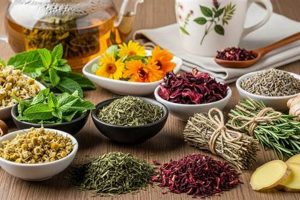
The optimal water heat level for steeping botanical infusions significantly impacts the resulting beverage’s flavor profile and therapeutic properties. A water supply that is either too hot or not hot enough can lead to a bitter taste or an incomplete extraction of beneficial compounds. For example, delicate floral infusions often require a lower heat to prevent scorching, while harder, root-based preparations generally benefit from a hotter pour to release their essence.
Employing the correct water heating practice is crucial for realizing the full potential of the herbal ingredients. Proper temperature usage maximizes the beverage’s aromatic qualities and bioactive elements. Historically, various cultures have understood the importance of precise heating for herbal preparations, passing down traditional methods tailored to specific plants and desired outcomes.
Understanding how different plant types react to varying heat levels will allow one to craft a more palatable and effective herbal infusion. The following sections will delve into specific recommendations based on plant category, providing a practical guide to achieving optimal results in herbal tea preparation.
Optimal Heating Practices for Herbal Infusions
The following guidelines provide a framework for achieving superior herbal tea extraction through careful temperature control.
Tip 1: Prioritize Precision. Invest in a thermometer to accurately gauge the water’s heat level. Visual cues are unreliable, and inconsistent readings undermine optimal results.
Tip 2: Categorize by Plant Type. Leafy and floral herbs typically require cooler infusions, ranging from 170-185F (77-85C), whereas roots, barks, and seeds generally benefit from 200-212F (93-100C).
Tip 3: Account for Altitude. At higher elevations, water boils at a lower point. Adjust downwards to prevent over-extraction or bitterness in delicate infusions.
Tip 4: Consider Infusion Time. A lower heat might require a longer steeping duration, whereas a hotter pour might necessitate a shorter brew period to prevent an acrid taste.
Tip 5: Preheat the Teapot. Warming the brewing vessel before pouring the water helps to maintain a consistent heating level and prevents thermal shock, which can negatively affect extraction.
Tip 6: Filtered Water is Essential. Impurities in tap water can mask the subtle nuances of the herbs. Use filtered water for a cleaner and more accurate flavor profile.
Tip 7: Observe and Adjust. Pay attention to the resulting flavor. If a brew is consistently weak, slightly increase the heat. If it’s bitter, lower the heating and shorten the brewing duration.
Adhering to these tips enhances the flavor, aroma, and potential therapeutic benefits of herbal infusions, ensuring a more satisfying and effective experience.
The subsequent sections will delve into specific heating recommendations for popular herbal varieties.
1. Precision

The role of precise heating in herbal tea preparation directly influences the extraction of the plants’ beneficial compounds and flavor notes. The careful measurement and maintenance of the water’s heating is not merely a suggestion but a critical factor determining the quality and efficacy of the final infusion.
- Thermometer Use and Accuracy
Employing a reliable thermometer ensures accurate monitoring. Visual estimates lack the precision necessary to consistently achieve optimal conditions. Digital thermometers provide the fastest, most exact readings, crucial for repeatable results. Inaccurate measurement undermines the entire brewing process, leading to sub-optimal extraction.
- Heating Stability
Maintaining a stable heat level throughout the brewing process is essential. Fluctuations can cause uneven extraction, resulting in a beverage that is either too weak or overly bitter. Devices with consistent heat output and regulation capabilities are preferable. In contrast, sudden drops or spikes compromise the infusion’s intended flavor profile.
- Calibration Considerations
Even precise thermometers require occasional calibration. Over time, devices can drift from their initial accuracy. Regular calibration against a known standard, like boiling or freezing water, ensures readings remain reliable. Neglecting this step can invalidate otherwise careful efforts.
- Impact on Bioactive Compounds
The extraction of specific bioactive compounds found in herbs is sensitive to heating levels. Compounds may degrade if over-heated, leading to reduced therapeutic value. Conversely, under-heating may prevent full extraction, diminishing benefits. Precise control is thus paramount for realizing the full potential of the herbs’ medicinal properties.
Together, accurate measurement, stable maintenance, and proper calibration constitute the pillars of precision in herbal tea creation. Mastery ensures each brew expresses the herbs’ best characteristics, maximizing both flavor and potential therapeutic effects. Neglecting any one of these elements directly undermines the objective of crafting a superior herbal infusion.
2. Herb Type

The selection of herbs fundamentally dictates the heating needed for optimal infusion. The cellular structure, volatile oil content, and chemical composition vary widely across different plant species, influencing their behavior when exposed to hot water. Failure to account for herb type during the steeping process results in either incomplete extraction of beneficial compounds or the release of undesirable bitter elements, compromising the intended outcome. For instance, delicate chamomile flowers, rich in volatile oils, require a lower heating to preserve their aromatic qualities and prevent burning, while tough roots like ginger, containing heat-stable compounds, necessitate a higher heating for adequate extraction. Understanding this cause-and-effect relationship is not merely academic; it is crucial for maximizing both flavor and potential therapeutic benefits.
Consider the practical application: green tea, although technically a Camellia sinensis variety rather than an herb, serves as an illustrative example. Its delicate leaves are best infused at a lower heat (around 170-185F or 77-85C) to prevent the release of tannins that create a bitter taste. Conversely, a hardy herb like cinnamon bark benefits from nearly boiling water (200-212F or 93-100C) to fully extract its cinnamaldehyde and other flavor compounds. These examples emphasize that the heating choice cannot be generalized; it must be tailored to the specific properties of the herb being used, impacting the final result drastically. Moreover, blending diverse herbs requires careful consideration of the optimal heating to find a compromise that serves each component effectively.
In summary, the herb type represents a critical variable in determining the appropriate heating for an infusion. Ignoring this connection risks a suboptimal extraction, leading to a less palatable or therapeutically effective beverage. While general guidelines exist, experimentation and careful observation remain essential for refining the process and achieving consistent, desirable outcomes. The challenge lies in balancing the individual needs of multiple herbs within a blend and recognizing that environmental factors, such as water hardness, may also influence the result, necessitating further adjustments.
3. Water Quality
Water quality significantly influences the extraction process and the overall taste profile of herbal infusions. The presence of minerals, chlorine, or other contaminants can react with the herbs, altering their flavor and potentially inhibiting the release of beneficial compounds. For instance, hard water, with its high mineral content, may leave a chalky aftertaste and interfere with the proper unfolding of delicate floral herbs, regardless of precise heat application. Conversely, heavily chlorinated water imparts an unpleasant taste and can neutralize some of the herbs’ volatile oils, diminishing their aromatic qualities. Therefore, the initial state of the water source is as important as the heating in determining the final outcome.
The heating serves to accentuate or mitigate the effects of existing water impurities. High heat applied to water with elevated chlorine levels accelerates the release of trihalomethanes, potentially harmful byproducts. Similarly, heating hard water increases the precipitation of minerals, creating a cloudy appearance and a less palatable infusion. These effects are further magnified when dealing with herbs that are particularly sensitive to water chemistry, such as those with delicate essential oil profiles. The practical implication is clear: investing in a filtration system to remove impurities from the water supply becomes a prerequisite for achieving optimal herbal tea results, irrespective of the heating applied.
In summary, water quality acts as a fundamental variable alongside heat in shaping the characteristics of herbal teas. The interaction between water impurities and specific herbs, exacerbated or mitigated by the heating, emphasizes the need for a holistic approach. Addressing water quality through filtration or purification is not merely a suggestion but a necessary step to ensure a clean, flavorful, and therapeutically effective herbal infusion. Overlooking this crucial aspect undermines efforts to achieve precise heating and extract the full potential of the chosen herbs.
4. Steeping Time

Steeping duration inextricably links to heating in herbal tea preparation. It significantly modulates the extraction of flavors and beneficial compounds. Short durations may yield a weak infusion, while prolonged steeping can result in bitterness. The appropriate duration is contingent upon heating and herb type.
- Heating Level Impact
Higher heating requires shorter steeping times. Elevated water heat expedites the extraction of soluble compounds. Extended exposure at high heats leads to over-extraction, resulting in an acrid flavor profile. Conversely, lower heating necessitates longer steeping durations to achieve sufficient extraction. Delicate herbs steeped at low heats for extended periods release subtle flavor notes without becoming bitter. The relationship is inversely proportional, demanding careful adjustment to achieve balance.
- Herb Density Considerations
Dense plant matter, such as roots or bark, requires longer steeping. Their compact cellular structure hinders the rapid release of compounds. Therefore, extended steeping times, even at higher heats, are necessary for adequate extraction. In contrast, light and airy leaves or flowers release their flavors quickly. Prolonged steeping can saturate the infusion, leading to diminished flavor quality. Plant density significantly influences the ideal steeping duration for herbal preparations.
- Taste Preference Adjustment
Steeping duration can be modified to suit individual taste preferences. Those who prefer a milder flavor can shorten the steeping time, even if the heating is optimal. Conversely, individuals seeking a bolder, more concentrated flavor may lengthen the duration, monitoring carefully to avoid bitterness. Taste provides a subjective parameter for fine-tuning the steeping duration, allowing for customization of the herbal tea experience.
- Bioactive Compound Release
Steeping time directly affects the extraction of specific bioactive compounds. Certain compounds release readily, while others require longer exposure to hot water. Prolonged steeping can maximize the concentration of certain therapeutic elements. However, over-extraction can degrade these compounds, diminishing their effectiveness. Balancing steeping duration with heat is essential for optimizing both flavor and the potential therapeutic benefits of herbal infusions.
Optimal herbal tea preparation necessitates a careful consideration of steeping duration alongside heating. These interdependent variables directly influence the flavor profile and bioactive compound concentration. Mastery of this relationship enables consistent production of high-quality herbal infusions tailored to individual preferences and desired health outcomes.
5. Vessel Material
Vessel material significantly influences heat retention and distribution during herbal tea preparation, indirectly impacting the effective temperature experienced by the herbs. Different materials possess varying thermal properties, causing water to cool at different rates. This differential cooling necessitates adjustments in the initial water heating or steeping duration to achieve optimal extraction. For example, a thin glass vessel will lose heat more rapidly than a thick ceramic one, potentially requiring a higher initial water heating to compensate for heat loss during the steeping process. The vessel therefore becomes a critical factor in the broader equation of achieving precise control of “what temperature to brew herbal tea”.
The material also impacts flavor. Certain vessel types, especially those that are unglazed or reactive, can impart their own flavors to the infusion. This alteration can mask the subtle nuances of the herbs or even react with the herbal compounds, changing their chemical structure and potentially their therapeutic properties. Stainless steel, being non-reactive and heat-stable, offers a more neutral environment for herbal infusion. Clay or earthenware, on the other hand, may contribute an earthy flavor that complements some herbal blends but clashes with others. Porcelain and glazed ceramic fall somewhere in between, depending on the composition of the glaze. Choosing an appropriate vessel material is a crucial step in achieving the desired flavor and avoiding unwanted contamination or alterations.
In conclusion, vessel material plays a pivotal role in achieving the desired heating and extraction in herbal tea brewing. The materials thermal properties affect the water cooling rate, influencing the appropriate initial water heat. The reactivity of the material can influence the flavor of the infusion. Careful selection of vessel material enables greater consistency and control over the final product, aligning with the broader objective of maximizing the flavor and therapeutic benefits of herbal teas. The integration of vessel material considerations into the preparation process underlines a holistic approach to herbal tea making.
6. Altitude Effect

The influence of altitude on boiling temperature is a crucial consideration in herbal tea preparation. As elevation increases, atmospheric pressure decreases, resulting in a lower boiling point for water. Failing to account for this phenomenon can lead to under-extraction of herbal constituents or an overestimation of the effective water temperature.
- Reduced Boiling Point
At sea level, water boils at 212F (100C). However, this temperature decreases by approximately 2F (1.1C) for every 1,000 feet (305 meters) above sea level. At 5,000 feet, water boils around 202F (94C). Herbal tea preparation instructions often assume sea-level conditions. Ignoring this reduction can cause inadequate compound extraction from herbs requiring near-boiling water, such as root-based infusions.
- Impact on Extraction
When using water that boils at a lower heat, increasing steeping time can partially compensate for under-extraction. However, it is crucial to monitor taste closely, as prolonged steeping can also lead to bitterness, especially with delicate herbs. Alternatively, water can be heated to a specific lower heating, based on altitude-adjusted calculations, to achieve optimal results without over-extraction. For example, if a recipe calls for 200F water at sea level, and brewing at 5000 ft, using water that reaches a boil point will be around 202F, that temperature may scorch the herbs, so temperature can be monitored when using the stove top or using temperature-controlled kettle is recommended.
- Altitude-Specific Adjustments
Adapt heating to the altitude to ensure proper extraction. Calculate the boiling point for location, and adjust heating accordingly. For instance, at 7,000 feet above sea level, water will boil at roughly 198F (92C). If a recipe requires 212F, the brewing parameters must be carefully adapted to extract all potential compounds. Employing altitude-specific resources can improve tea making at higher altitudes. This will improve your temperature extraction.
- Equipment Considerations
Using temperature-controlled kettles allows for setting a precise heating. Such devices negate the reliance on boiling, which will allow proper heat. Standard kettles do not possess this feature, so the temperature needs to be checked. Choosing appropriate equipment ensures reliable and replicable heat-controlled settings, vital for maintaining quality.
The altitude is a crucial consideration for proper herbal tea brewing. Neglecting its impact on boiling point can lead to lower quality taste and diminished effectiveness. Adjustments must be carefully done to extract flavorful, therapeutic herbal infusions at any elevation.
Frequently Asked Questions
This section addresses prevalent inquiries regarding proper heating during herbal tea preparation, providing evidence-based insights for optimal results.
Question 1: Does water heating always equate to boiling?
No, not all herbal teas require boiling water. Boiling water is only necessary when infusing herbs that require high heat for compound extraction. Certain delicate herbs are best infused below boiling to prevent scalding.
Question 2: Is precise heating truly necessary, or is approximation sufficient?
While approximation may yield acceptable results, precise heating optimizes flavor and therapeutic properties. Fluctuations in water temperature impact compound extraction. Precision provides more control and consistency.
Question 3: Can herbal teas be heated in a microwave?
Microwave heating is generally discouraged due to its uneven heating patterns. Inconsistent heating can affect extraction quality, potentially leading to hot spots and diminished flavor profiles.
Question 4: How does vessel material impact the heating requirements?
Vessel material influences heat retention. Porous materials lose heat more rapidly than non-porous materials, necessitating adjustments in water heating or steeping duration to compensate for thermal loss.
Question 5: Does altitude affect optimal heating for herbal tea?
Yes, altitude affects the boiling point of water. As altitude increases, boiling point decreases. Adjustments in water heating are essential to compensate for this effect, ensuring proper compound extraction.
Question 6: How does one correct for under-extraction or over-extraction?
Under-extraction manifests as a weak or bland flavor, correctable through increased heating or steeping time. Over-extraction results in bitterness, addressable through reduced heating or shortened steeping duration.
In summation, achieving optimal extraction requires careful consideration of heating, influenced by herb type, water quality, altitude, vessel material, and steeping duration. Precision improves flavor and enhances the therapeutic potential of herbal teas.
The subsequent section provides a summary of optimal heating strategies.
The Criticality of Precise Heating in Herbal Infusion
This exploration has underscored the essential role that precise water heating plays in herbal tea preparation. Factors ranging from altitude to vessel composition exert influence, necessitating a nuanced understanding of their individual and collective effects. The proper extraction of beneficial compounds and desirable flavors hinges upon careful manipulation of these variables.
Continued diligence in refining these techniques will inevitably enhance the quality and consistency of herbal infusions. Further research into the specific heating requirements of lesser-known botanicals promises expanded possibilities. Recognizing and implementing these principles empowers practitioners to elevate herbal tea from a simple beverage to a potent expression of botanical potential.