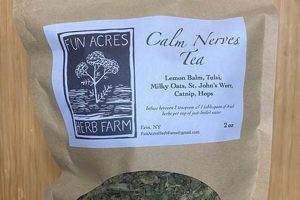
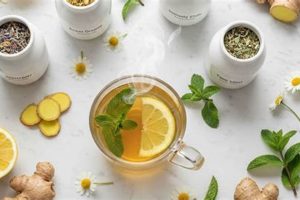
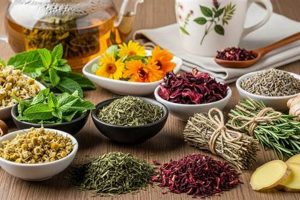
Infusions derived from plants other than Camellia sinensisthe source of black, green, and oolong teasoffer a diverse range of flavors and potential wellness properties. Common instances include chamomile, celebrated for its calming effects; peppermint, often consumed to aid digestion; and ginger, recognized for its anti-inflammatory characteristics. Rooibos, originating from South Africa, and hibiscus, known for its vibrant color and tart taste, also represent readily available choices. These beverages are prepared by steeping dried flowers, leaves, roots, or seeds in hot water.
The consumption of these plant-based infusions holds significance due to their potential health benefits and cultural relevance. Historically, various cultures have utilized them for medicinal purposes and as a source of hydration. Their appeal lies in the absence of caffeine (in most varieties) and the presence of antioxidants and other plant compounds, believed to contribute to overall well-being. Furthermore, they provide a flavorful alternative to water, encouraging increased fluid intake.
The subsequent sections will delve into the specific properties, preparation methods, and potential benefits associated with a variety of popular botanical infusions, providing detailed information on their usage and cultural significance.
Preparation and Consumption Guidelines for Plant-Based Infusions
Optimizing the enjoyment and potential benefits of plant-based infusions requires attention to specific preparation and consumption practices. The following guidelines offer insights into maximizing the flavor and properties of these beverages.
Tip 1: Water Temperature Matters. The ideal water temperature varies depending on the specific plant material. Delicate flowers like chamomile benefit from water around 200-200F (93-99C) to prevent scalding and preserve delicate flavors, while tougher roots and barks, such as ginger, can withstand boiling water.
Tip 2: Steeping Time Influences Flavor and Potency. Adherence to recommended steeping times is crucial. Over-steeping can result in a bitter taste, while under-steeping may not fully extract the beneficial compounds. Typically, 5-7 minutes is sufficient for most leaf and flower infusions.
Tip 3: Utilize High-Quality Water. The quality of the water significantly impacts the taste. Filtered water, free from chlorine and other impurities, enhances the inherent flavors of the botanical ingredients.
Tip 4: Consider the Source and Storage of Ingredients. Sourcing ingredients from reputable suppliers ensures quality and freshness. Proper storage in airtight containers, away from direct sunlight and moisture, preserves the potency and flavor profile of dried herbs and botanicals.
Tip 5: Explore Blending Possibilities. Combining different botanicals can create unique flavor profiles and potentially synergistic effects. For example, peppermint and ginger can be blended for digestive support, while lavender and chamomile may promote relaxation.
Tip 6: Adjust Sweetness Mindfully. If desired, sweeten with natural alternatives such as honey or stevia. Refined sugars should be avoided to maintain the health benefits associated with these infusions.
Tip 7: Consume Regularly for Potential Benefits. Consistent consumption, as part of a balanced lifestyle, is often necessary to experience the potential health benefits associated with plant-based infusions. However, moderation is advised, and individuals with pre-existing conditions should consult with a healthcare professional.
By following these guidelines, individuals can optimize their experience with plant-based infusions, maximizing both the enjoyment and potential wellness properties associated with these beverages.
The following sections will explore potential contraindications and discuss the importance of consulting with healthcare professionals, especially when consuming these infusions for medicinal purposes.
1. Chamomile (Relaxation)

Chamomile, frequently cited for its calming properties, represents a prominent example of plant-based infusions recognized for specific health benefits. Its association with relaxation positions it as a notable instance within the broader category, demonstrating the potential therapeutic applications of botanical beverages.
- Chemical Constituents and Mechanisms of Action
Chamomile contains apigenin, a flavonoid that binds to benzodiazepine receptors in the brain. This interaction is believed to contribute to its anxiolytic and sedative effects, potentially reducing anxiety and promoting sleep. Studies suggest that regular consumption may alleviate symptoms of generalized anxiety disorder.
- Traditional and Contemporary Uses
Historically, chamomile has been employed in traditional medicine for centuries to treat insomnia, anxiety, and digestive disturbances. Contemporary usage extends to its inclusion in sleep aids, stress relief products, and aromatherapy. Its mild flavor profile renders it palatable for a wide range of consumers.
- Preparation and Consumption Considerations
The preparation of chamomile involves steeping dried flower heads in hot water, typically for 5-10 minutes. Over-steeping may result in a bitter taste. Consumption is generally considered safe, but individuals with allergies to ragweed or other members of the Asteraceae family should exercise caution. Furthermore, potential interactions with certain medications should be considered.
- Evidence-Based Research and Clinical Trials
While anecdotal evidence supports the efficacy of chamomile for relaxation, scientific research is ongoing. Some clinical trials have demonstrated positive effects on sleep quality and anxiety reduction. However, further rigorous studies with larger sample sizes are needed to definitively establish its therapeutic benefits and optimal dosages.
Chamomile exemplifies how specific botanical infusions can offer targeted health benefits, aligning with the broader category. Its established association with relaxation highlights the potential for plant-derived beverages to contribute to well-being, albeit with the need for continued scientific investigation to validate its efficacy definitively.
2. Peppermint (Digestion)
Peppermint, recognized for its digestive properties, represents a significant category of plant-based infusions traditionally utilized to alleviate gastrointestinal discomfort. Its prevalence and historical use underscore its relevance within the broader context, showcasing a specific instance of a plant-derived beverage with potential therapeutic applications.
- Active Components and Physiological Effects
Peppermint contains menthol and menthone, compounds that exhibit antispasmodic and carminative properties. Menthol can relax the smooth muscles of the gastrointestinal tract, potentially relieving spasms and reducing bloating. Carminative effects aid in the expulsion of gas, further contributing to digestive comfort. These mechanisms contribute to the perceived relief from indigestion and irritable bowel syndrome (IBS) symptoms in some individuals.
- Traditional and Contemporary Applications
Historically, peppermint has been employed across various cultures to address digestive ailments. Contemporary applications extend to its use as a natural remedy for indigestion, bloating, and nausea. It is commonly consumed after meals to facilitate digestion and reduce discomfort associated with overeating. Peppermint oil is also utilized in enteric-coated capsules to target the lower gastrointestinal tract for IBS symptom management.
- Preparation Guidelines and Consumption Recommendations
Peppermint is prepared by steeping dried leaves in hot water for approximately 5-10 minutes. Over-steeping may result in a slightly bitter flavor. Moderate consumption is generally considered safe for most individuals. However, those with gastroesophageal reflux disease (GERD) should exercise caution, as peppermint can relax the lower esophageal sphincter, potentially exacerbating reflux symptoms. Infants and young children should avoid peppermint due to the risk of respiratory distress.
- Scientific Evidence and Clinical Efficacy
Research supports the potential of peppermint to alleviate certain digestive symptoms. Several studies have demonstrated the efficacy of peppermint oil in reducing abdominal pain and bloating associated with IBS. However, evidence regarding the effectiveness of peppermint infusion alone for specific digestive disorders remains limited. Further research is warranted to fully elucidate the therapeutic potential of peppermint infusion for various gastrointestinal conditions.
Peppermint, owing to its long-standing use and potential digestive benefits, exemplifies how specific plant-derived infusions can address targeted health concerns. Its inclusion in the broader landscape underscores the diverse applications of plant-based beverages in promoting well-being, while simultaneously highlighting the necessity for judicious consumption and continued scientific investigation to validate its efficacy definitively.
3. Ginger (Anti-inflammatory)

Ginger, recognized for its anti-inflammatory properties, represents a notable inclusion within the array of plant-based infusions. Its long-standing use in traditional medicine, coupled with growing scientific interest, underscores its significance as a specific instance within the broader category, showcasing the potential of botanical beverages for health support.
- Active Compounds and Mechanisms of Action
Ginger contains bioactive compounds, most notably gingerol, shogaol, and zingerone, which are understood to mediate its anti-inflammatory effects. These compounds inhibit the production of pro-inflammatory cytokines, such as tumor necrosis factor-alpha (TNF-) and interleukin-1 beta (IL-1). This mechanism potentially reduces inflammation and associated pain in various conditions.
- Traditional and Contemporary Medicinal Applications
Ginger has been employed in traditional medicine for centuries to address a variety of ailments, including arthritis, muscle soreness, and menstrual cramps, all of which involve inflammatory processes. Contemporary usage includes its incorporation into dietary supplements and as a complementary therapy for individuals with osteoarthritis and other chronic inflammatory conditions. Furthermore, it is widely used to alleviate nausea, including morning sickness during pregnancy.
- Preparation and Consumption Recommendations
Ginger infusion is typically prepared by steeping fresh or dried ginger root in hot water for 10-20 minutes. Longer steeping times result in a more potent and spicier flavor. Consumption is generally considered safe for most individuals, but excessive intake may cause mild gastrointestinal discomfort, such as heartburn. Individuals taking blood-thinning medications should consult with a healthcare professional before consuming ginger regularly due to its potential antiplatelet effects.
- Scientific Evidence and Clinical Research
Numerous studies have investigated the anti-inflammatory properties of ginger. Clinical trials have demonstrated its efficacy in reducing pain and improving function in individuals with osteoarthritis. Research also suggests that ginger may alleviate muscle soreness after exercise and reduce inflammatory markers in individuals with metabolic syndrome. However, further rigorous studies are needed to definitively establish the optimal dosage and long-term effects of ginger infusion for various inflammatory conditions.
Ginger, with its established anti-inflammatory effects and versatile applications, exemplifies the potential of plant-based infusions to provide targeted health benefits. Its inclusion serves to highlight the diverse range of options available and the growing recognition of botanical beverages as a complementary approach to health management, emphasizing the need for careful consideration of individual health conditions and ongoing scientific investigation to validate its efficacy definitively.
4. Rooibos (Antioxidant)
Rooibos, derived from the Aspalathus linearis plant native to South Africa, represents a significant instance within the category of plant-based infusions, demonstrating the antioxidant potential of botanical beverages. Its unique origin, coupled with its characteristic flavor profile and purported health benefits, positions it as a noteworthy example.
- Source and Cultivation
Rooibos cultivation is geographically restricted to the Cederberg region of South Africa, contributing to its unique phytochemical composition. The plant undergoes a fermentation process, similar to that of tea ( Camellia sinensis), resulting in its characteristic reddish-brown color and distinct flavor. This fermentation process also influences its antioxidant activity, increasing the concentration of certain flavonoids.
- Antioxidant Properties and Bioactive Compounds
Rooibos is rich in various antioxidants, including aspalathin, nothofagin, and quercetin. These compounds scavenge free radicals, thereby reducing oxidative stress and potentially protecting against cellular damage. Studies suggest that regular consumption may contribute to reduced risk of chronic diseases associated with oxidative stress, such as cardiovascular disease and certain types of cancer.
- Preparation and Sensory Characteristics
Rooibos is prepared by steeping the fermented leaves in hot water for 5-7 minutes. It possesses a naturally sweet and slightly nutty flavor, often described as being less astringent than traditional black tea. It can be consumed plain or with milk and sweeteners. Its caffeine-free nature makes it a suitable alternative to caffeinated beverages, particularly for individuals sensitive to stimulants.
- Health Benefits and Scientific Evidence
Research indicates that rooibos may offer various health benefits beyond its antioxidant properties. Studies suggest potential positive effects on cardiovascular health, including improved blood pressure and cholesterol levels. Additionally, some evidence suggests that it may have anti-inflammatory and anti-diabetic properties. However, further rigorous clinical trials are necessary to definitively confirm these benefits and establish optimal dosages.
Rooibos exemplifies the diverse array of plant-based infusions and highlights the potential of botanical beverages to contribute to health and well-being. Its unique origin, distinct flavor, and antioxidant properties position it as a valuable example within the broader category. Further research is crucial to fully elucidate its therapeutic potential and validate its long-term health benefits.
5. Hibiscus (Vitamin C)
Hibiscus infusions, derived from the Hibiscus sabdariffa flower, constitute a distinct category within the spectrum of plant-based infusions. The connection between the botanical and the broader classification resides in its preparation method: the dried calyces of the hibiscus flower are steeped in hot water, mirroring the process used for other plant-derived infusions. The effect of this process is the extraction of water-soluble compounds, including vitamin C, organic acids, and anthocyanins, resulting in a tart, vibrant red beverage. Its importance within the overall category is multifaceted; hibiscus provides a notable source of vitamin C, an essential nutrient, differentiating it from many other plant-based infusions primarily valued for other compounds. Furthermore, its distinct flavor profile broadens the sensory experiences available within the broader category.
Considering real-life examples, hibiscus is consumed globally in various forms. In some cultures, it is served as a refreshing iced beverage, while in others, it is utilized in traditional medicinal practices. Commercially, it appears as an ingredient in blended plant-based infusions, adding both flavor and nutritional value. Understanding the significance of hibiscus as a component of the larger class is practically important for both consumers and manufacturers. Consumers can make informed choices about their beverage consumption based on its vitamin C content, while manufacturers can strategically incorporate hibiscus to enhance the nutritional profile of their products.
In summary, hibiscus occupies a significant niche within the diverse world of plant-based infusions. Its vitamin C content, distinctive flavor, and widespread use contribute to its prominence. While challenges exist in quantifying the precise vitamin C content due to variations in plant origin and preparation methods, the practical understanding of hibiscus as a viable source of this nutrient remains valuable. This understanding serves to enrich the appeal and utility of the broader range of plant-derived beverage options available.
6. Lavender (Calming)

Lavender, specifically infusions prepared from the Lavandula angustifolia plant, exemplifies the principle of plant-based infusions intended to induce a calming effect. This connection is demonstrated by the cause-and-effect relationship between the consumption of lavender infusion and a perceived reduction in anxiety or improved sleep quality. The active compounds within lavender, primarily linalool and linalyl acetate, are believed to interact with the central nervous system, modulating neurotransmitter activity to produce a sedative effect. The inclusion of lavender within this category is significant due to its established history of use in traditional medicine and aromatherapy for promoting relaxation.
Real-world examples include individuals consuming lavender infusion before sleep to alleviate insomnia or during periods of stress to manage anxiety symptoms. Lavender-infused products are also prevalent in aromatherapy, massage therapy, and bath products, further illustrating its association with relaxation and stress reduction. The practical significance of understanding lavender’s role in this context lies in providing a natural alternative to pharmaceutical interventions for managing mild anxiety and sleep disturbances. However, it is crucial to acknowledge the potential for variations in efficacy based on individual physiology, preparation methods, and the concentration of active compounds within the infusion. Further, lavender, like all infusions, may interact with medications and should be used with caution in individuals with pre-existing medical conditions.
In summary, lavender infusion represents a tangible instance of a plant-based beverage employed for its calming properties. Its significance derives from its historical use, purported mechanism of action, and application in managing stress and promoting sleep. Despite the potential benefits, it is essential to approach its consumption with awareness of individual sensitivities and potential interactions, underscoring the need for informed decision-making within the broader landscape of plant-derived infusions.
7. Echinacea (Immunity)

Echinacea, specifically infusions derived from Echinacea purpurea, Echinacea angustifolia, or Echinacea pallida plants, serves as a specific instance within the domain, demonstrating the potential for botanical beverages to support immune function. Its inclusion is grounded in historical and contemporary usage, as well as growing scientific interest in its immunomodulatory effects.
- Active Compounds and Immunomodulatory Effects
Echinacea species contain a variety of bioactive compounds, including alkylamides, polysaccharides, and caffeic acid derivatives. These compounds are believed to exert immunomodulatory effects by stimulating phagocytosis, increasing the production of cytokines, and enhancing the activity of natural killer (NK) cells. These actions potentially enhance the body’s ability to fight off infections.
- Traditional and Contemporary Applications for Immune Support
Historically, Echinacea has been employed by Native American cultures to treat infections and promote wound healing. Contemporary applications include its use as a natural remedy for the common cold, influenza, and upper respiratory tract infections. It is commonly consumed during periods of increased susceptibility to illness or as a preventative measure to bolster immune defenses.
- Preparation and Consumption Guidelines for Immune Enhancement
Echinacea infusion is typically prepared by steeping dried roots, leaves, or flowers in hot water for 10-15 minutes. Longer steeping times may result in a more potent flavor. Consumption is generally considered safe for most individuals, but prolonged or excessive intake may cause mild gastrointestinal discomfort or allergic reactions in sensitive individuals. Individuals with autoimmune disorders should consult with a healthcare professional before consuming Echinacea, as it may potentially stimulate the immune system.
- Scientific Evidence and Clinical Efficacy in Immune Defense
Research regarding the efficacy of Echinacea for immune support is mixed. Some studies have demonstrated its potential to reduce the duration and severity of cold symptoms, while others have shown no significant benefit. Variations in study design, Echinacea species used, and preparation methods may contribute to the conflicting results. Further rigorous studies with standardized Echinacea extracts are needed to definitively establish its therapeutic benefits for various immune-related conditions.
Echinacea, owing to its purported immunomodulatory effects and widespread use, represents a notable component of this landscape. Its inclusion underscores the potential of botanical beverages to provide complementary support for immune function, while simultaneously acknowledging the need for judicious consumption and continued scientific investigation to validate its efficacy definitively. The variability in Echinacea species and preparation methods further emphasizes the complexity of understanding the true immunomodulatory potential of this botanical infusion.
Frequently Asked Questions Regarding Plant-Based Infusions
The subsequent questions address common inquiries and misconceptions surrounding infusions derived from plants other than Camellia sinensis.
Question 1: Are all plant-based infusions caffeine-free?
While many instances do not contain caffeine, this is not universally true. Yerba mate and guayusa, for example, contain caffeine. Individuals seeking to avoid caffeine should carefully examine the ingredient list and nutritional information before consumption.
Question 2: Can plant-based infusions interact with medications?
Potentially, yes. Certain botanicals can interact with various prescription and over-the-counter medications. For example, St. John’s Wort can interfere with the efficacy of some antidepressants and birth control pills. Individuals taking medications should consult with a healthcare professional before regularly consuming plant-based infusions.
Question 3: Are there potential allergens in plant-based infusions?
Indeed. Individuals with known allergies to specific plants should exercise caution. Chamomile, for instance, belongs to the Asteraceae family, which also includes ragweed. Individuals with ragweed allergies may experience allergic reactions to chamomile infusions. Careful ingredient review is essential.
Question 4: Can plant-based infusions be consumed during pregnancy and breastfeeding?
Some are generally considered safe in moderation, while others should be avoided. Certain botanicals, such as peppermint, may be safe in small quantities, whereas others, such as sage, possess compounds that could be detrimental during pregnancy. Consultation with a healthcare provider is imperative before consuming any plant-based infusion during pregnancy or breastfeeding.
Question 5: How should plant-based infusions be stored to maintain freshness?
Proper storage is crucial for preserving flavor and potency. Plant-based infusions should be stored in airtight containers, away from direct sunlight, heat, and moisture. This prevents degradation of the active compounds and maintains the quality of the infusion.
Question 6: Are organic plant-based infusions superior to non-organic options?
Organic options reduce the risk of exposure to pesticides and herbicides. However, the absence of pesticides does not automatically guarantee superior quality or efficacy. Ultimately, the choice between organic and non-organic options depends on individual preferences and concerns regarding pesticide exposure.
In conclusion, plant-based infusions offer diverse benefits and potential risks. Informed consumption necessitates careful consideration of individual health conditions, potential interactions, and proper preparation and storage techniques.
The subsequent section will provide information on selecting high-quality botanical ingredients for preparation.
Concluding Remarks on Botanical Infusions
The preceding discussion has illuminated various instances of plant-derived infusions, exploring their origins, preparation methods, potential benefits, and associated risks. Specific examples such as chamomile, peppermint, ginger, rooibos, hibiscus, lavender, and echinacea have been presented, each offering unique characteristics and purported effects on human health. The information underscores the diverse range of botanical options available, extending beyond traditional Camellia sinensis infusions. Furthermore, emphasis has been placed on the importance of informed consumption, considering individual health conditions, potential interactions with medications, and the necessity for careful preparation and storage practices.
While these infusions hold promise as complementary additions to a healthy lifestyle, continued scientific investigation is essential to validate their efficacy and establish definitive guidelines for their safe and effective use. A critical approach to information and consultation with healthcare professionals are warranted to ensure responsible utilization within the broader context of wellness practices. The future may bring further understanding of the synergistic effects of combining different botanicals and personalized recommendations tailored to individual needs and genetic predispositions. The realm of plant-derived infusions offers a complex and evolving landscape that requires continuous evaluation and critical assessment.