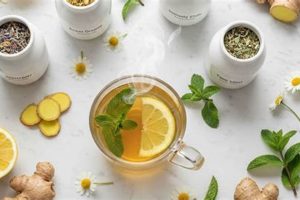
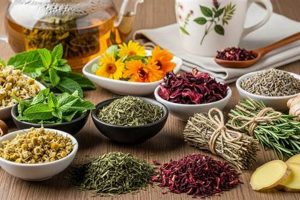
Carefully selected botanical infusions can offer a soothing and potentially beneficial beverage option for pregnant individuals. The selection requires diligent scrutiny due to the potential effects certain herbs may have on both maternal and fetal well-being. Examples of commonly considered options include chamomile, ginger, and rooibos, although individual circumstances and pre-existing conditions should always be considered.
The consumption of these specific infusions has historical roots in traditional medicine, with some cultures employing them to alleviate morning sickness, promote relaxation, and support overall hydration. The appeal lies in the possibility of enjoying a warm beverage while minimizing the intake of caffeine and artificial additives often found in other drinks. However, the potential impact on the gestation necessitates informed decision-making based on reliable research and expert guidance.
The following sections will delve into specific herbal infusions frequently discussed in relation to gestation, outlining their purported benefits, potential risks, and relevant safety considerations. Individual consultation with a healthcare provider is strongly encouraged prior to incorporating any herbal infusion into a prenatal regimen.
Considerations for Selecting Botanical Infusions During Gestation
Prioritizing safety requires diligence when choosing herbal infusions during gestation. This section outlines vital considerations to inform responsible selection.
Tip 1: Consult a Healthcare Provider: Pre-existing conditions and individual health profiles significantly impact the suitability of specific herbs. Consultation with a physician or qualified healthcare provider is paramount prior to consumption.
Tip 2: Research Potential Effects: Thoroughly investigate the known effects of each herb on both the pregnant individual and the developing fetus. Reputable sources, such as peer-reviewed scientific studies, should be prioritized.
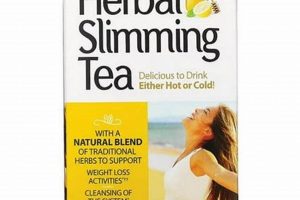
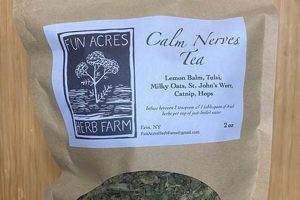
Tip 3: Scrutinize Ingredient Lists: Carefully review the complete ingredient list of any herbal infusion blend. Ensure clarity and transparency regarding the herbs included, and avoid blends with undisclosed or potentially harmful components.
Tip 4: Moderate Consumption: Even when deemed generally safe, moderation is crucial. Excessive consumption of any herbal infusion may pose unforeseen risks. Adhere to recommended serving sizes.
Tip 5: Choose Reputable Brands: Opt for reputable brands that prioritize quality control and third-party testing. This helps mitigate the risk of contamination and ensures accurate labeling.
Tip 6: Be Aware of Potential Interactions: Herbal infusions may interact with prescription medications or existing health conditions. Disclose all herbal supplement use to healthcare providers to avoid adverse interactions.
Tip 7: Recognize Potential Allergic Reactions: Be vigilant for any signs of an allergic reaction, such as skin rashes, itching, or difficulty breathing. Discontinue use immediately and seek medical attention if symptoms occur.
Safe and informed selection of botanical infusions during gestation necessitates a thorough understanding of potential risks and benefits. Individual consultation with healthcare professionals remains paramount for personalized guidance.
The concluding section will summarize key insights and reiterate the importance of informed decision-making in regard to herbal infusion consumption during gestation.
1. Safety Profile

The safety profile of any substance, including herbal infusions, is paramount when considering its consumption during gestation. This profile encompasses a comprehensive understanding of potential adverse effects, contraindications, and interactions with physiological processes relevant to both maternal and fetal health. Absence of robust safety data necessitates caution, as potential teratogenic effects or disruptions to the pregnancy’s natural progression cannot be definitively ruled out. An incomplete safety profile introduces unacceptable levels of risk.
For example, while peppermint tea is often used to alleviate nausea, its potential to relax the esophageal sphincter could exacerbate heartburn, a common ailment in later stages of gestation. Similarly, certain herbal constituents may possess emmenagogue properties, potentially stimulating uterine contractions and posing a risk of preterm labor. A thorough review of available scientific literature, coupled with expert consultation, is indispensable to ascertain the safety profile of any herbal infusion under consideration. This allows for informed decision-making, prioritizing the health and well-being of both the mother and the developing child.
In summary, the safety profile acts as a critical filter, guiding responsible selection and use of botanical infusions during pregnancy. Challenges remain in the limited availability of comprehensive research for many herbs. Therefore, a conservative approach is advised, emphasizing caution and professional medical guidance to ensure the safest possible outcome for both the pregnant individual and the developing fetus.
2. Herbal properties

The intrinsic properties of herbs dictate their suitability during gestation. These properties, encompassing a range of bioactive compounds, influence physiological processes, potentially affecting both maternal and fetal well-being. Understanding these properties is thus crucial for discerning which infusions are considered appropriate during pregnancy. For example, ginger possesses antiemetic properties, potentially alleviating morning sickness; however, excessive consumption could exert anticoagulant effects. Conversely, some herbs are contraindicated due to their emmenagogue effects, potentially stimulating uterine contractions and increasing the risk of preterm labor. Therefore, a thorough analysis of each herb’s specific properties is a prerequisite for determining its safety during pregnancy.
Further, the method of preparation and concentration significantly impact the expression of herbal properties. Infusions, typically involving a lower concentration of active compounds compared to tinctures or essential oils, may present a reduced risk profile. However, even seemingly innocuous preparations require careful consideration. For instance, chamomile, often touted for its calming properties, contains compounds that may interact with blood-thinning medications. Similarly, raspberry leaf tea, traditionally used to prepare the uterus for labor, is typically recommended only in the later stages of gestation and under professional guidance. Thus, understanding both the inherent properties of the herb and the specific characteristics of its preparation is essential.
In summary, the relationship between herbal properties and the suitability of botanical infusions during gestation is complex and multifaceted. A comprehensive understanding of each herb’s bioactive compounds, potential physiological effects, and preparation methods is paramount for making informed decisions. This knowledge, coupled with professional medical guidance, forms the basis for selecting herbal infusions that are most likely to support a healthy pregnancy, mitigating potential risks and promoting maternal and fetal well-being.
3. Dosage considerations
Dosage considerations are a critical element in the safe consumption of herbal infusions during gestation. Even herbs generally regarded as safe may pose risks if consumed in excessive quantities. Precise control and awareness of dosage levels are necessary to mitigate potential adverse effects on both maternal and fetal health.
- Concentration of Active Compounds
The concentration of active compounds within an herbal infusion varies depending on factors such as the quantity of herb used, the steeping time, and the temperature of the water. Higher concentrations increase the likelihood of physiological effects, both beneficial and adverse. Precise measurement of the herb and adherence to recommended steeping times are crucial for maintaining predictable concentrations. Exceeding recommended concentrations can lead to unexpected and potentially harmful outcomes.
- Frequency of Consumption
The frequency with which herbal infusions are consumed is directly correlated with the cumulative exposure to active compounds. Even small dosages, when consumed frequently, can result in a significant overall intake, potentially exceeding safe limits. Limiting consumption to occasional use or adhering to prescribed frequencies is essential for preventing accumulation and minimizing risk. Constant or near-daily consumption of even mild herbal infusions requires careful monitoring and professional consultation.
- Individual Sensitivity
Individual sensitivity to herbal compounds varies considerably. Factors such as body weight, metabolic rate, pre-existing health conditions, and genetic predisposition influence how an individual responds to a specific dosage. Individuals with heightened sensitivity may experience adverse effects at dosages considered safe for the general population. Starting with very low dosages and carefully monitoring for any adverse reactions is crucial for assessing individual tolerance and determining appropriate dosage levels.
- Herb-Drug Interactions
Herbal compounds can interact with prescription medications, altering their effectiveness or increasing the risk of side effects. Dosage adjustments of either the herbal infusion or the prescription medication may be necessary to prevent adverse interactions. Consulting with a healthcare provider or pharmacist is essential for identifying potential herb-drug interactions and determining appropriate dosage adjustments to maintain both safety and efficacy.
In conclusion, dosage considerations are fundamental to ensuring the safe and responsible use of herbal infusions during gestation. Careful attention to concentration, frequency, individual sensitivity, and potential herb-drug interactions is essential for minimizing risk and promoting maternal and fetal well-being. Professional guidance from healthcare providers is strongly recommended for establishing safe and effective dosage regimens.
4. Potential risks
Consumption of botanical infusions during gestation necessitates a thorough evaluation of potential risks. While some herbal infusions are generally regarded as safe, the possibility of adverse effects on both maternal and fetal well-being cannot be disregarded. These risks stem from various factors, including the inherent pharmacological properties of the herbs, potential contaminants, and individual sensitivities. Failure to adequately assess these risks can lead to undesirable outcomes, ranging from mild discomfort to severe complications, including miscarriage or developmental abnormalities.
Specific examples illustrate the practical significance of understanding potential risks. Certain herbs possess emmenagogue properties, stimulating uterine contractions and potentially inducing preterm labor. Others may interfere with nutrient absorption, affecting fetal development. Additionally, the unregulated nature of the herbal supplement industry raises concerns about product purity and accurate labeling. Contamination with heavy metals or misidentification of plant species can further exacerbate these risks. Therefore, the absence of comprehensive safety data for many herbs underscores the need for cautious consumption and informed decision-making.
In conclusion, a comprehensive understanding of potential risks is an indispensable component of selecting botanical infusions during pregnancy. This understanding necessitates careful scrutiny of herbal properties, awareness of potential contaminants, and consideration of individual health factors. Reliance on credible sources of information, coupled with consultation with healthcare professionals, is essential for mitigating these risks and promoting a healthy gestation. Ultimately, prioritizing safety requires a conservative approach, recognizing that the potential consequences of uninformed herbal consumption can be profound.
5. Individual needs

The selection of botanical infusions during gestation cannot be divorced from the specific health profile and requirements of the individual. A universal recommendation regarding these infusions is inherently flawed, given the variability in pre-existing conditions, sensitivities, and gestational stages. What may be considered a safe and beneficial choice for one pregnant person could present significant risks for another. For instance, an individual with a history of low blood pressure might benefit from infusions known to elevate blood pressure, while such infusions would be contraindicated for someone with hypertension. Similarly, individuals with gestational diabetes require careful monitoring of carbohydrate content in infusions, as even seemingly innocuous choices could impact blood glucose levels. Therefore, recognizing and addressing individual needs is paramount when navigating the selection of botanical infusions during gestation.
Real-life examples underscore the practical significance of this individualized approach. Consider a pregnant individual experiencing persistent nausea and vomiting. While ginger tea is often recommended to alleviate these symptoms, excessive consumption could potentially interact with certain medications or exacerbate heartburn. Alternatively, an individual with iron deficiency anemia might need to avoid or limit the intake of infusions containing tannins, which can inhibit iron absorption. Furthermore, a person with a known allergy to a particular plant family must exercise extreme caution when selecting infusions, as cross-reactivity is a distinct possibility. These examples highlight the necessity of a tailored approach, guided by a healthcare provider who possesses a comprehensive understanding of the individual’s medical history and current health status.
In summary, the connection between individual needs and the appropriate selection of botanical infusions during gestation is inextricable. A generalized approach is insufficient and potentially dangerous. A comprehensive assessment of pre-existing conditions, sensitivities, and gestational stage is essential for making informed decisions. Prioritizing individual needs, guided by professional medical advice, maximizes the potential benefits of herbal infusions while minimizing the risk of adverse effects. This individualized approach is crucial for safeguarding the health and well-being of both the pregnant person and the developing fetus.
6. Professional guidance

The utilization of professional guidance is paramount when considering the incorporation of botanical infusions into a prenatal regimen. The complexities inherent in herbal pharmacology and the potential for adverse interactions necessitate expert oversight to ensure maternal and fetal well-being.
- Personalized Risk Assessment
Healthcare providers possess the expertise to conduct thorough risk assessments, considering individual medical histories, pre-existing conditions, and potential drug interactions. This personalized approach allows for the identification of specific contraindications or precautions that may not be readily apparent through general research. For example, a physician can evaluate the potential impact of chamomile tea on individuals taking blood-thinning medications, mitigating the risk of adverse events.
- Evidence-Based Recommendations
Medical professionals can provide evidence-based recommendations, drawing upon scientific literature and clinical experience to guide decision-making. This ensures that recommendations are grounded in verifiable data rather than anecdotal evidence or unsubstantiated claims. A qualified herbalist, working in conjunction with a physician, can offer insights into the potential benefits and risks of specific herbs, based on established research and traditional uses.
- Dosage and Monitoring Protocols
Healthcare providers can establish appropriate dosage guidelines and monitoring protocols to minimize the risk of adverse effects. This includes advising on safe consumption levels, frequencies, and preparation methods. Regular monitoring can help detect any signs of intolerance or adverse reactions, allowing for timely intervention and adjustments to the regimen.
- Navigating Conflicting Information
The abundance of information, often conflicting or inaccurate, surrounding herbal remedies can be overwhelming. Medical professionals can serve as reliable sources of information, filtering out misinformation and providing clarity on complex issues. This empowers individuals to make informed choices based on credible data and expert opinions, reducing the risk of relying on misleading or potentially harmful advice.
The integration of professional guidance into the decision-making process regarding botanical infusions during gestation promotes responsible and informed consumption. The expertise of healthcare providers ensures that individual needs are addressed, potential risks are mitigated, and evidence-based recommendations are followed, ultimately safeguarding maternal and fetal health.
7. Source quality

The origin and processing of herbs significantly influence the safety profile of botanical infusions, particularly during gestation. Source quality encompasses several critical aspects that collectively determine the risk of contamination, misidentification, and the presence of undesirable compounds, thereby directly impacting the suitability of herbal infusions for pregnant individuals.
- Geographic Origin and Growing Conditions
The geographical location where herbs are cultivated significantly affects their composition. Soil composition, water quality, and environmental pollutants vary across regions, influencing the uptake of heavy metals and other contaminants by plants. Herbs sourced from regions with known soil contamination or unsustainable agricultural practices pose elevated risks. Therefore, transparency regarding the geographic origin and adherence to sustainable growing practices are essential indicators of source quality. For example, herbs grown near industrial areas may exhibit higher levels of lead or arsenic contamination, rendering them unsuitable for consumption during pregnancy.
- Cultivation Practices and Pesticide Use
Cultivation practices, including the use of pesticides, herbicides, and fertilizers, directly impact the purity and safety of herbs. Conventional agricultural practices often involve the application of synthetic chemicals, which can leave residual traces in the harvested plant material. Organic cultivation methods, which prohibit the use of synthetic chemicals, minimize this risk. Herbs certified as organic provide assurance that they have been grown and processed according to stringent standards, reducing the likelihood of exposure to harmful substances. Conversely, herbs sourced from uncertified farms may carry an elevated risk of pesticide contamination.
- Harvesting and Processing Techniques
Harvesting and processing techniques can introduce contaminants or degrade the quality of herbs. Improper drying, storage, or transportation can lead to mold growth, microbial contamination, or the loss of volatile compounds. Herbs that are handled and processed in hygienic facilities, adhering to Good Manufacturing Practices (GMP), are less likely to be contaminated. Additionally, the use of appropriate drying methods, such as low-temperature drying, can preserve the integrity of the plant’s active constituents. Transparency regarding harvesting and processing techniques is crucial for assessing source quality and mitigating the risk of contamination.
- Authentication and Species Identification
Accurate species identification is essential to prevent adulteration and ensure the authenticity of herbs. Misidentification or substitution of plant species can have serious consequences, as different species may possess varying pharmacological properties and safety profiles. Reputable suppliers employ rigorous authentication methods, such as macroscopic and microscopic examination, chemical fingerprinting, and DNA barcoding, to verify the identity of herbs. Certificates of analysis (COAs) provide documentation of species authentication and chemical composition, offering further assurance of product quality. The absence of proper authentication protocols increases the risk of consuming adulterated or misidentified herbs, potentially jeopardizing maternal and fetal health.
Collectively, these facets of source quality underscore the importance of selecting herbal infusions from reputable suppliers who prioritize transparency, quality control, and sustainable practices. Vigilance in assessing these factors is essential for minimizing the risks associated with herbal consumption during gestation and promoting a healthy outcome. The absence of robust quality control measures at any stage of the supply chain can compromise the safety of herbal infusions, rendering them unsuitable for use during pregnancy.
Frequently Asked Questions
This section addresses frequently asked questions concerning the consumption of herbal infusions during gestation, aiming to clarify common concerns and misconceptions.
Question 1: What constitutes a “pregnancy safe herbal tea?”
A pregnancy safe herbal tea refers to an infusion prepared from specific herbs deemed unlikely to pose a significant risk to either the pregnant individual or the developing fetus, when consumed in moderation and under the guidance of a healthcare professional. This determination requires careful consideration of the herb’s pharmacological properties, potential for adverse effects, and individual health factors.
Question 2: Are all herbal teas inherently safe during gestation?
No. Not all herbal teas are safe for consumption during gestation. Many herbs possess potent pharmacological properties that could potentially disrupt pregnancy, induce preterm labor, or negatively impact fetal development. Thorough research and consultation with a healthcare provider are essential before consuming any herbal tea during pregnancy.
Question 3: How can one determine if a specific herbal tea is safe for pregnancy?
Determining the safety of an herbal tea during gestation requires a multi-faceted approach. This includes researching the herb’s known effects on pregnancy, consulting with a physician or qualified herbalist, scrutinizing ingredient lists for potentially harmful components, and choosing reputable brands that prioritize quality control. Individual circumstances and pre-existing conditions must also be considered.
Question 4: Are there any herbal teas generally considered safe for pregnant individuals?
Certain herbal teas, such as chamomile, ginger, and rooibos, are often considered relatively safe for pregnant individuals when consumed in moderation. However, individual sensitivities and potential interactions with medications must always be taken into account. Healthcare provider consultation remains crucial even for these generally regarded as safe options.
Question 5: What are the potential risks associated with consuming unsafe herbal teas during pregnancy?
The potential risks associated with consuming unsafe herbal teas during pregnancy vary depending on the specific herb and the individual’s health profile. These risks can include miscarriage, preterm labor, birth defects, adverse interactions with medications, and allergic reactions. Vigilance and professional guidance are essential to minimize these risks.
Question 6: Where can reliable information on the safety of herbal teas during pregnancy be found?
Reliable information on the safety of herbal teas during pregnancy can be obtained from reputable sources, such as peer-reviewed scientific studies, healthcare providers, qualified herbalists, and professional organizations specializing in maternal and fetal health. Information from unverified sources or anecdotal accounts should be treated with caution.
In conclusion, the consumption of herbal infusions during gestation necessitates informed decision-making, careful consideration of potential risks, and reliance on credible sources of information. Professional guidance from healthcare providers is paramount for ensuring maternal and fetal well-being.
The following section will provide a concluding summary of key points regarding the use of herbal infusions during gestation.
Conclusion
This exploration of botanical infusions during gestation reveals a nuanced landscape requiring careful consideration. The suitability of specific herbs hinges upon their inherent properties, potential risks, source quality, and the unique health profile of the individual. Reliance on anecdotal evidence or generalized recommendations is insufficient to ensure maternal and fetal well-being. A comprehensive understanding of these factors, coupled with professional guidance, is essential for informed decision-making.
The prudent selection of botanical infusions during gestation demands vigilance, continuous education, and a commitment to evidence-based practices. Prioritizing safety requires ongoing dialogue with healthcare providers and a willingness to adapt practices based on evolving scientific understanding. The responsibility for informed consumption rests with each individual, ensuring the health and safety of both mother and child throughout the gestational period. Failure to uphold these standards introduces unacceptable risks.