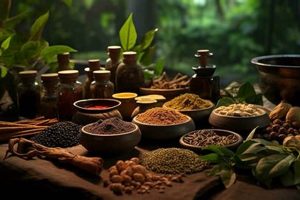
The utilization of botanical medicines to manage herpes simplex virus (HSV) infections encompasses a variety of approaches. These methods often involve employing plant-derived substances believed to possess antiviral, anti-inflammatory, and immune-modulating properties. For example, preparations containing Melissa officinalis (lemon balm) or Hypericum perforatum (St. John’s Wort) are sometimes applied topically to alleviate symptoms of outbreaks.
Throughout history, traditional medicine systems globally have incorporated plants into regimens intended to address viral infections. The perceived advantages include accessibility, lower cost, and, in some cases, fewer reported side effects compared to conventional antiviral drugs. However, it’s crucial to recognize that the scientific evidence supporting the efficacy and safety of these approaches is often limited and requires further rigorous investigation.
The subsequent sections will delve into specific plant-based remedies commonly discussed in relation to managing HSV, examine the existing research regarding their potential effects, and emphasize the necessity of consulting with healthcare professionals before initiating any alternative or complementary therapies for HSV infections.
Guidance on Botanical Approaches for HSV Management
The following points provide informed guidance regarding the use of plant-derived substances in managing herpes simplex virus (HSV) infections. These are presented for informational purposes and should not be interpreted as medical advice.
Tip 1: Research Specific Botanicals. Conduct thorough research on any herb considered for HSV management. Examine available scientific literature regarding its antiviral properties, potential side effects, and interactions with other medications. Examples include exploring studies on acyclovir’s interaction with herbal supplements.
Tip 2: Consult with Healthcare Professionals. Prior to incorporating any botanical treatment into an HSV management plan, consult with a physician or qualified herbalist. Professional guidance ensures safety and avoids potentially harmful interactions with existing medical conditions or treatments.
Tip 3: Prioritize Standardized Extracts. When possible, opt for standardized herbal extracts. Standardization ensures a consistent concentration of active compounds, leading to more predictable and reliable results. For instance, verify the concentration of hypericin in St. John’s Wort extracts.
Tip 4: Be Aware of Potential Interactions. Certain herbs can interact with conventional antiviral medications or other pharmaceuticals. Research potential interactions using reputable sources like the National Center for Complementary and Integrative Health (NCCIH) or Lexicomp.
Tip 5: Monitor for Adverse Reactions. Closely monitor for any adverse reactions while using botanical remedies. Discontinue use immediately and seek medical attention if any concerning symptoms arise, such as allergic reactions or gastrointestinal distress.
Tip 6: Understand Limited Scientific Evidence. Acknowledge that scientific evidence supporting the effectiveness of many herbal remedies for HSV management is often limited or preliminary. Do not rely solely on anecdotal evidence or testimonials.
Tip 7: Consider Topical Applications Carefully. When applying herbal preparations topically, perform a patch test on a small area of skin to assess for potential allergic reactions or irritation before applying to larger areas affected by HSV outbreaks.
Careful consideration and informed decision-making are essential when exploring botanical approaches for managing HSV. Prioritizing safety and consulting with qualified healthcare professionals are paramount.
The subsequent sections will provide a more in-depth analysis of the specific botanicals discussed and conclude with an overview of safety concerns.

The concept of antiviral properties represents a cornerstone in the evaluation of botanical interventions aimed at managing herpes simplex virus (HSV) infections. Antiviral activity, in this context, refers to a substance’s ability to inhibit the replication or infectivity of HSV. This inhibition can occur through various mechanisms, including direct interference with viral entry into host cells, disruption of viral DNA or RNA synthesis, or impairment of viral assembly and release. The presence of demonstrable antiviral properties is a critical prerequisite for considering a botanical agent as a potential component of any approach to HSV management.
The practical significance of understanding the connection between antiviral properties and botanical remedies lies in the potential for developing effective and safe alternative or complementary treatment options. For example, compounds such as flavonoids and polyphenols found in plants like Prunella vulgaris have demonstrated in vitro antiviral activity against HSV. While these laboratory findings are promising, it is important to note that in vivo (in living organisms) efficacy and safety must be rigorously established through controlled clinical trials before widespread use can be recommended. The absence of strong evidence confirming antiviral activity in human subjects underscores the necessity for caution and reliance on conventional antiviral medications as the primary treatment for HSV until further research substantiates the benefits of botanical alternatives.
In summary, while the presence of antiviral properties in botanical substances represents a potential pathway for HSV management, the lack of robust clinical evidence supporting their effectiveness necessitates a cautious and evidence-based approach. Further research is required to determine the true clinical value of plant-derived antiviral agents in combating HSV infections, and patient care should always be guided by established medical guidelines and the advice of qualified healthcare professionals.
2. Immune modulation

Immune modulation represents a critical facet of HSV management when considering the use of botanical interventions. Unlike direct antiviral effects, immune modulation focuses on enhancing the host’s own immune response to combat the virus. This approach aims to strengthen the body’s natural defenses, potentially reducing the frequency, duration, and severity of outbreaks.
- Enhancement of Cellular Immunity
Certain herbs are theorized to stimulate cellular immunity, specifically the activity of cytotoxic T lymphocytes (CTLs) and natural killer (NK) cells. These cells play a crucial role in identifying and eliminating HSV-infected cells. For example, compounds in Echinacea may enhance NK cell activity. However, the extent to which this translates to clinically meaningful HSV control requires further investigation.
- Cytokine Regulation
Botanical agents may influence the production and balance of cytokines, signaling molecules that regulate immune responses. Some herbs are believed to promote the production of Th1 cytokines (e.g., interferon-gamma), which are associated with antiviral immunity, while suppressing Th2 cytokines, which can contribute to viral persistence. For instance, Astragalus membranaceus is traditionally used for immune support and is thought to modulate cytokine production. Nevertheless, the precise effects on cytokine profiles in the context of HSV infection remain to be fully elucidated.
- Indirect Immunomodulation via Gut Health
Emerging research suggests a link between gut microbiota and immune function. Some herbal remedies may indirectly modulate the immune system by promoting a healthy gut microbiome. A balanced gut microbiome can enhance overall immune competence, potentially improving the body’s ability to control HSV replication. Prebiotic-rich herbs, for example, might support gut health, but direct effects on HSV infection are yet to be definitively established.
- Adaptogenic Effects and Stress Response
Adaptogenic herbs, such as Rhodiola rosea, are thought to help the body adapt to stress. Since stress can trigger HSV outbreaks, adaptogens may indirectly reduce outbreak frequency by mitigating the impact of stress on the immune system. However, specific studies examining the effect of adaptogens on HSV infection are limited.
In summary, while the potential for immune modulation through botanical interventions holds promise for HSV management, the mechanisms of action are often complex and not fully understood. Further rigorous research is needed to determine the clinical efficacy and safety of these approaches, and any use should be integrated into a comprehensive treatment plan under the guidance of qualified healthcare professionals. Understanding the potential, and the limits of our current understanding of, hsv herbal treatment is essential when considering its role in managing the virus.
3. Inflammation reduction
The reduction of inflammation constitutes a significant aspect of managing herpes simplex virus (HSV) infections, and certain botanical agents are purported to possess anti-inflammatory properties relevant to alleviating the symptoms associated with viral outbreaks. HSV infections trigger a localized inflammatory response characterized by redness, swelling, pain, and blistering at the site of viral replication. Reducing this inflammation can mitigate discomfort and potentially accelerate the healing process. Certain herbs, such as those containing compounds like flavonoids and phenolic acids, are believed to exert anti-inflammatory effects by inhibiting the production of pro-inflammatory mediators such as cytokines and prostaglandins. The topical application of aloe vera gel, for instance, is often cited for its soothing and anti-inflammatory properties in managing HSV outbreaks, though rigorous scientific evidence supporting its efficacy remains limited. It is crucial to understand that while inflammation reduction can provide symptomatic relief, it does not directly address the underlying viral infection.
The practical significance of understanding the connection between inflammation reduction and botanical remedies lies in the potential for adjunct therapies that complement conventional antiviral treatments. For example, if acyclovir is used to control viral replication, topical application of an anti-inflammatory herbal preparation might help to alleviate the associated pain and swelling. However, caution is advised regarding the use of such remedies in conjunction with prescription medications, as potential interactions and contraindications must be considered. Furthermore, it is vital to ensure that any topical preparation is applied in a manner that minimizes the risk of secondary bacterial infections, particularly to open lesions. The choice of botanical agent and its mode of application should be guided by a healthcare professional who is knowledgeable about both conventional and alternative therapies.
In summary, inflammation reduction represents a valuable, albeit indirect, approach to managing the discomfort associated with HSV outbreaks. Botanical agents with anti-inflammatory properties may offer symptomatic relief, but they should not be considered a substitute for antiviral medications. The integration of inflammation reduction strategies into an HSV management plan should be carefully considered in consultation with a healthcare professional to ensure safety and efficacy, as inflammation is the key to unlock to the hsv herbal treatment.
4. Symptom alleviation

Symptom alleviation represents a primary goal in herpes simplex virus (HSV) management. The discomfort associated with outbreaks, including pain, itching, and visible lesions, often prompts individuals to seek relief. Botanical remedies are sometimes explored as a means to mitigate these symptoms, focusing on reducing inflammation, promoting healing, and providing topical analgesia. These remedies, however, do not eradicate the virus or prevent future outbreaks; they address the manifestation of the infection. For example, topical application of Melissa officinalis (lemon balm) has been investigated for its potential to reduce healing time and alleviate symptoms of labial herpes. Such interventions aim to improve the patient’s quality of life during active infections.
The use of botanical agents for symptom alleviation in HSV infections is supported by traditional medicine practices and anecdotal reports. However, the scientific evidence supporting the efficacy of many such treatments is often limited. While some herbal preparations may exhibit anti-inflammatory or antiviral properties in vitro, their effectiveness in clinical settings may vary due to factors such as bioavailability, dosage, and individual response. Furthermore, the lack of standardization in herbal products can introduce variability in their composition and potency, making it challenging to draw definitive conclusions about their efficacy. For instance, a standardized extract of Hypericum perforatum (St. John’s Wort) may demonstrate more consistent symptom relief compared to a non-standardized preparation, but potential drug interactions must be carefully considered.
In conclusion, symptom alleviation remains a significant component of HSV management, and botanical remedies may offer a complementary approach to conventional treatments. However, individuals considering the use of herbal preparations should approach them with caution, recognizing the limitations of available scientific evidence and the potential for adverse effects or drug interactions. Consultation with a healthcare professional is crucial to ensure safe and effective management of HSV infections. The symptom alleviation is the main goal of hsv herbal treatment.
5. Safety profile

The safety profile constitutes a critical component in the evaluation of any herpes simplex virus (HSV) intervention, including those involving botanical agents. The term “safety profile” encompasses the potential adverse effects, contraindications, and drug interactions associated with a particular treatment. A comprehensive understanding of the safety profile is paramount before recommending or initiating any form of HSV management, as the potential benefits must always be weighed against the risks. Failure to adequately assess safety can result in unintended harm, ranging from mild allergic reactions to severe systemic complications. For example, while some topical herbal preparations may offer symptomatic relief, they may also cause contact dermatitis or interact with concurrently administered medications. The determination of a botanical’s safety profile involves preclinical studies, clinical trials, and post-market surveillance to identify and characterize potential adverse events.
The practical significance of understanding the safety profile in the context of HSV treatment is underscored by the fact that many individuals self-administer herbal remedies without consulting healthcare professionals. This increases the risk of adverse events, particularly in individuals with pre-existing medical conditions or those taking prescription medications. For example, St. John’s Wort, often touted for its antiviral properties, can significantly interact with numerous pharmaceuticals, including antiretroviral drugs and immunosuppressants. Such interactions can reduce the efficacy of essential medications or increase the risk of toxicity. Additionally, the lack of standardization in herbal products can lead to inconsistent dosages and potential contamination, further complicating safety assessments. Therefore, comprehensive safety data, including information on potential drug interactions and contraindications, must be readily available to both healthcare providers and consumers to facilitate informed decision-making.
In summary, the safety profile is an indispensable consideration when evaluating botanical interventions for HSV management. The potential for adverse effects and drug interactions necessitates a cautious and evidence-based approach. Thorough safety assessments, coupled with professional medical guidance, are crucial to ensure that the benefits of botanical treatments outweigh the risks and that patient well-being remains the primary focus. In order to have HSV herbal treatment the safety profile should be the main importance.
6. Scientific evidence

The role of verifiable scientific data is paramount when evaluating the efficacy and safety of any medical intervention, including botanical approaches to herpes simplex virus (HSV) management. In the absence of rigorous scientific evidence, claims regarding the benefits of herbal remedies remain speculative and potentially misleading. This necessitates a critical examination of available research to determine the true value of such treatments.
- Randomized Controlled Trials (RCTs)
RCTs represent the gold standard for assessing treatment efficacy. These trials involve randomly assigning participants to either a treatment group (receiving the herbal remedy) or a control group (receiving a placebo or standard treatment). By comparing outcomes between these groups, researchers can determine whether the herbal remedy has a statistically significant effect. For example, an RCT might evaluate the impact of topical Melissa officinalis on the healing time of labial herpes lesions compared to a placebo ointment. The absence of well-designed RCTs with positive results limits the confidence in the effectiveness of a particular herbal remedy.
- Mechanism of Action Studies
Understanding the biological mechanisms by which an herbal remedy exerts its effects is crucial. In vitro studies can investigate the antiviral properties of plant extracts, such as their ability to inhibit viral replication or interfere with viral entry into cells. In vivo studies, typically conducted in animal models, can further explore these mechanisms and assess the remedy’s bioavailability and toxicity. For instance, research might examine how compounds in Prunella vulgaris interact with HSV proteins to prevent viral replication. However, in vitro and animal studies alone are insufficient to demonstrate clinical efficacy in humans.
- Systematic Reviews and Meta-Analyses
Systematic reviews and meta-analyses synthesize the findings from multiple studies to provide a comprehensive overview of the available evidence. These analyses can identify trends, assess the overall quality of the evidence, and determine whether there is sufficient support for a particular intervention. For example, a meta-analysis might combine the results from several RCTs evaluating the efficacy of lysine supplementation in preventing HSV outbreaks. The presence of high-quality systematic reviews and meta-analyses strengthens the evidence base for a particular herbal remedy, while the absence of such analyses highlights the need for further research.
- Adverse Event Reporting and Surveillance
Monitoring the safety of herbal remedies is essential. Adverse event reporting systems allow healthcare professionals and consumers to report any unexpected or harmful effects associated with a particular product. Post-market surveillance studies can further investigate the safety of herbal remedies in real-world settings. For instance, reports of liver toxicity associated with a specific herbal ingredient would raise concerns about its overall safety profile. Robust adverse event reporting and surveillance systems are necessary to ensure that the risks associated with herbal remedies are adequately understood and communicated.
In conclusion, the application of rigorous scientific methods is crucial for evaluating the potential benefits and risks of botanical approaches to HSV management. Without strong scientific evidence supporting their efficacy and safety, reliance on herbal remedies as primary treatments for HSV infections is not advisable. Established medical guidelines and the advice of qualified healthcare professionals should always guide patient care.
Frequently Asked Questions
This section addresses common inquiries surrounding the utilization of botanical remedies for the management of herpes simplex virus (HSV) infections. The information presented is intended for educational purposes and should not substitute professional medical advice.
Question 1: What constitutes “HSV herbal treatment” and what are its intended goals?
The term refers to the use of plant-derived substances with the aim of managing HSV infections. Intended goals typically include alleviating symptoms, reducing outbreak frequency, and modulating the immune response. These approaches, however, do not represent a cure for HSV.
Question 2: Is there conclusive scientific evidence supporting the efficacy of “HSV herbal treatment”?
The scientific evidence supporting the efficacy of many herbal remedies for HSV management is often limited or preliminary. Rigorous clinical trials are frequently lacking, and results can vary depending on the specific botanical, dosage, and individual factors. Caution is advised when interpreting anecdotal evidence.
Question 3: What are the potential risks and side effects associated with “HSV herbal treatment”?
Potential risks and side effects vary depending on the specific botanical used. Allergic reactions, drug interactions, and gastrointestinal distress are possible. Certain herbs can also interact with conventional antiviral medications, potentially reducing their effectiveness or increasing the risk of toxicity. Consultation with a healthcare professional is essential.
Question 4: Can “HSV herbal treatment” completely eliminate the herpes simplex virus from the body?
No. Herbal remedies do not eliminate the herpes simplex virus from the body. HSV is a lifelong infection, and while botanical agents may help manage symptoms or reduce outbreaks, they do not eradicate the virus.
Question 5: How does “HSV herbal treatment” compare to conventional antiviral medications like acyclovir?
Conventional antiviral medications, such as acyclovir, valacyclovir, and famciclovir, are the established standard of care for HSV infections. These medications have undergone extensive clinical testing and have demonstrated efficacy in reducing viral shedding, shortening outbreak duration, and preventing recurrences. While some herbal remedies may offer complementary benefits, they are not considered a substitute for conventional antiviral therapy.
Question 6: Where can reliable information about “HSV herbal treatment” be found?
Reliable information can be obtained from reputable sources such as the National Center for Complementary and Integrative Health (NCCIH), peer-reviewed scientific journals, and qualified healthcare professionals with expertise in both conventional and botanical medicine. Information from non-credible websites or anecdotal sources should be viewed with skepticism.
Key takeaways include the understanding that while certain herbal remedies may offer complementary benefits for managing HSV symptoms, they are not a substitute for conventional antiviral medications. Safety and efficacy should be carefully considered, and consultation with a healthcare professional is essential.
The following section will provide concluding remarks regarding the integration of botanical medicine into an overall strategy for HSV management.
Conclusion
This exploration has critically examined the role of botanical substances in managing herpes simplex virus (HSV) infections, often termed “HSV herbal treatment.” While some plant-derived compounds exhibit potential antiviral or immunomodulatory properties in vitro, the scientific evidence supporting their clinical efficacy remains limited. The absence of robust, well-controlled clinical trials necessitates caution when considering these remedies as alternatives to conventional antiviral medications. Safety concerns, including potential drug interactions and variations in product standardization, further underscore the need for judicious evaluation.
The integration of botanical medicine into an HSV management plan should be approached with informed skepticism and a commitment to evidence-based practices. Patients seeking alternative or complementary therapies must consult with qualified healthcare professionals to ensure safe and effective treatment strategies. Further rigorous research is essential to fully elucidate the potential benefits and risks associated with hsv herbal treatment and to determine its appropriate place within the spectrum of care.