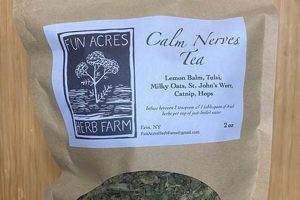
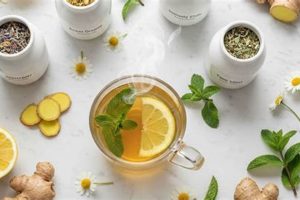
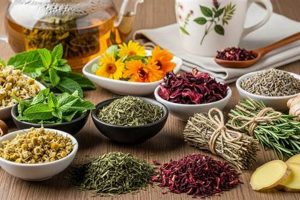
This beverage is derived from the leaves of the Ocimum tenuiflorum plant, also known as tulsi. It’s prepared by infusing the dried or fresh leaves in hot water, resulting in a flavorful and aromatic drink. The resulting liquid can range in color from light green to a deeper amber, depending on the concentration and steeping time.
Consumption of this specific herbal infusion has a long history in traditional Ayurvedic medicine, where it is valued for its adaptogenic properties. Proponents suggest potential benefits including stress reduction, immune system support, and antioxidant activity. Historically, the plant from which it originates has been considered sacred and used in religious ceremonies and for general wellness.
The subsequent sections will examine the botanical characteristics, cultivation practices, preparation methods, and purported health benefits associated with this traditional herbal preparation.
Preparation and Consumption Guidance
To maximize the experience and potential benefits associated with this beverage, consider the following guidelines:
Tip 1: Source High-Quality Ingredients. Obtain dried or fresh tulsi leaves from reputable suppliers to ensure purity and potency. Look for organically grown options to minimize exposure to pesticides.
Tip 2: Use Filtered Water. Utilize filtered water for infusion to avoid introducing impurities that may affect the taste and perceived benefits.
Tip 3: Control Water Temperature. Avoid using boiling water, which can scorch the leaves and result in a bitter taste. Aim for a temperature between 170-180F (77-82C).
Tip 4: Observe Steeping Time. Allow the leaves to steep for 5-7 minutes to extract the optimal flavor and active compounds. Adjust steeping time to personal preference.
Tip 5: Consider Blending. Combine tulsi with other complementary herbs, such as lemon balm or ginger, to create unique flavor profiles and potentially enhance synergistic effects.
Tip 6: Moderate Consumption. While generally considered safe, excessive consumption may cause mild digestive upset in some individuals. Limit intake to 2-3 cups per day.
Tip 7: Consult a Healthcare Professional. Individuals with pre-existing medical conditions or those taking medications should consult a healthcare professional before incorporating this herbal tea into their daily routine.
Adhering to these guidelines can improve the overall experience and potentially maximize the benefits associated with this traditional herbal preparation.
The concluding section will summarize the key attributes and offer concluding thoughts on the topic.
1. Adaptogenic Properties

The presence of adaptogenic compounds is a defining characteristic of tulsi and, consequently, the beverage derived from it. These properties are central to its traditional use and perceived benefits.
- Stress Response Modulation
Adaptogens are believed to help the body regulate its response to stress, both physical and psychological. The compounds in the resulting tea may influence the hypothalamic-pituitary-adrenal (HPA) axis, a key system involved in the stress response. By modulating the HPA axis, the tea may assist in maintaining homeostasis during stressful periods.
- Cortisol Level Regulation
Cortisol, a hormone released in response to stress, can have detrimental effects on the body when levels are chronically elevated. Adaptogens in tulsi have been observed to potentially help regulate cortisol levels, preventing them from spiking excessively during stressful situations and returning them to baseline more efficiently.
- Immune System Support Under Stress
Chronic stress can suppress the immune system, making individuals more susceptible to illness. The adaptogenic properties of the source material may support immune function by mitigating the negative impact of stress hormones on immune cells.
- Enhanced Cognitive Function Under Stress
Stress can impair cognitive functions such as memory and concentration. Adaptogens are thought to help maintain cognitive performance during periods of stress by supporting neuronal function and protecting against oxidative stress in the brain. The compounds present in the beverage may promote mental clarity and focus during challenging situations.
The adaptogenic properties of tulsi contribute significantly to its potential therapeutic applications. While further research is warranted, the existing evidence suggests that regular consumption of the tea derived from it may support overall well-being, particularly in the context of chronic stress.
2. Traditional Ayurvedic Uses
Ayurveda, a traditional system of medicine originating in India, holds Ocimum tenuiflorum in high regard, considering it a sacred herb with profound therapeutic properties. This reverence directly translates to the application of infusions made from the plant, as these teas represent a readily accessible and palatable means of harnessing its perceived health benefits. Ayurvedic texts frequently mention tulsi as a rasayana, an herb that promotes longevity and overall well-being. The tea prepared from it is employed to balance the body’s doshas (Vata, Pitta, and Kapha), fundamental energies believed to govern physiological and psychological functions. Imbalances in these doshas are considered the root cause of disease, and regular consumption of the beverage is one way to restore equilibrium. For example, in individuals experiencing Kapha imbalances characterized by congestion and sluggishness, the warming and stimulating properties of this drink are intended to alleviate these symptoms.
The specific applications of this herbal tea within Ayurveda are diverse. It is often recommended as a daily tonic to enhance immunity and resilience against infections. The purported expectorant properties are leveraged to relieve respiratory ailments, such as coughs and colds, and the calming effects are employed to manage anxiety and stress. Additionally, the drink is believed to possess digestive benefits, aiding in the assimilation of nutrients and preventing gastrointestinal discomfort. Historically, Ayurvedic practitioners prescribed it as an adjunct therapy for various chronic conditions, recognizing its potential to complement conventional treatments and improve overall quality of life. Instances of this include using it as a supportive measure in managing diabetes by potentially influencing blood sugar levels, and employing its anti-inflammatory properties in cases of arthritis to mitigate pain and swelling.
In essence, the significance of traditional Ayurvedic uses to the understanding and application of this beverage lies in the foundational context it provides. The practices, beliefs, and prescribed uses within Ayurveda shape the perception of the drink, guiding its application as a therapeutic tool for maintaining health and addressing imbalances within the body. While modern scientific validation of all Ayurvedic claims is ongoing, the extensive historical usage and continued integration of the infusion into Ayurvedic practices highlight its enduring importance and relevance as a traditional remedy.
3. Antioxidant compounds

The presence of antioxidant compounds in the source plant contributes significantly to the perceived health benefits attributed to the resulting beverage. These compounds combat oxidative stress, a process implicated in cellular damage and the development of chronic diseases. The primary antioxidant constituents within the herb include eugenol, rosmarinic acid, and various flavonoids. These molecules function by neutralizing free radicals, unstable atoms or molecules that can damage cells and tissues. For instance, eugenol, a prominent component, exhibits a scavenging effect against superoxide radicals, a type of free radical produced during normal metabolic processes. The concentration of these compounds in the final infused product depends on factors such as the quality of the leaves used, the water temperature, and the steeping time.
The practical significance of understanding the antioxidant capacity of this herbal tea lies in its potential role as a preventative measure against oxidative stress-related ailments. Regular consumption of beverages with high antioxidant content may contribute to reducing the risk of cardiovascular disease, neurodegenerative disorders, and certain types of cancer. For example, studies have suggested a correlation between diets rich in antioxidants and improved cognitive function in older adults. Furthermore, the anti-inflammatory properties associated with some of these antioxidant compounds may alleviate symptoms in conditions such as arthritis. The extraction of these antioxidants during the brewing process ensures that the consumer can benefit from their activity.
In summary, the antioxidant compounds present in this herbal infusion contribute substantially to its perceived health-promoting effects. While further research is necessary to fully elucidate the mechanisms of action and optimal dosage, the existing evidence supports the notion that the consumption of this beverage can play a role in mitigating oxidative stress and promoting overall well-being. The challenge lies in standardizing the preparation methods and accurately quantifying the antioxidant content to ensure consistent and predictable outcomes.
4. Flavor Profile
The flavor profile is a defining characteristic of this tea, influencing consumer perception and contributing to its widespread consumption. The taste is complex, often described as a blend of peppery, minty, and slightly sweet notes, with hints of clove and lemon. This multi-faceted character originates from the plant’s volatile oils, including eugenol, caryophyllene, and linalool. The proportions of these compounds vary depending on factors such as the plant’s variety, growing conditions, and harvesting methods, resulting in subtle but noticeable differences in the taste of the final product. For example, plants grown in sunnier locations may exhibit a more pronounced peppery flavor due to higher concentrations of certain volatile oils.
The flavor profile of this herbal tea significantly impacts its application and acceptance. Its unique taste distinguishes it from other herbal infusions, such as chamomile or peppermint, making it appealing to consumers seeking novel and complex flavors. The inherent sweetness, albeit subtle, allows for consumption without the addition of sugar, aligning with health-conscious preferences. The peppery and slightly spicy notes can create a warming sensation, making it a popular choice during colder months. The characteristic aroma, closely linked to the flavor, contributes to the overall sensory experience and can influence mood and perception of relaxation. For instance, a tea with a strong clove-like aroma might be perceived as more invigorating than one with a predominantly minty scent.
Understanding the intricacies of the flavor profile is crucial for optimizing cultivation, processing, and preparation methods. Controlling factors that influence the volatile oil composition can enable producers to tailor the taste to specific consumer preferences. Selecting particular cultivars known for desirable flavor attributes, carefully regulating drying temperatures to preserve volatile oils, and recommending optimal steeping times to extract the full flavor potential are all ways to enhance the sensory experience. The unique and complex flavor of this beverage plays a critical role in its overall appeal, influencing consumer choices, and shaping its position within the herbal tea market.
5. Preparation Methods

The methodology employed in preparing Ocimum tenuiflorum infusions profoundly influences the final product’s characteristics, impacting flavor, potency, and potential health benefits. Precise control over these methods is essential for optimizing the extraction of desirable compounds while minimizing the introduction of undesirable elements.
- Leaf Selection and Preparation
The choice between fresh and dried Ocimum tenuiflorum leaves significantly affects the outcome. Fresh leaves offer a brighter, more vibrant flavor profile, but their availability is limited by seasonality and geographical location. Dried leaves, conversely, provide a consistent and readily accessible alternative. Regardless of the form, leaves should be inspected for quality, discarding any showing signs of mold, discoloration, or damage. Prior to infusion, gently crushing or tearing the leaves can increase the surface area exposed to water, facilitating more efficient extraction.
- Water Temperature and Quality
Water temperature is a critical variable in the preparation process. Boiling water can degrade delicate volatile oils, resulting in a bitter or astringent taste. An ideal temperature range is between 170-180F (77-82C). Furthermore, water quality plays a pivotal role; filtered water is recommended to eliminate impurities that can interfere with the flavor and clarity of the infusion. The mineral content of the water can also influence the extraction process and the resulting taste profile.
- Steeping Time and Vessel
The duration of steeping directly affects the concentration of extracted compounds. Shorter steeping times (3-5 minutes) produce a lighter-bodied infusion with a milder flavor, while longer steeping times (7-10 minutes) result in a more robust and potentially more bitter beverage. The choice of steeping vessel can also influence the outcome; ceramic or glass vessels are preferred as they are non-reactive and do not impart any unwanted flavors. Metal vessels, if used, should be of high quality to prevent leaching of metallic ions into the tea.
- Storage and Serving
Proper storage of prepared infusions is essential for preserving their quality. The beverage should be stored in an airtight container in the refrigerator and consumed within 24 hours to minimize oxidation and microbial growth. Serving the tea hot or iced depends on personal preference, but it is important to note that temperature can influence the perception of flavor; iced preparations may require a slightly longer steeping time to achieve the desired strength.
The careful consideration of these preparation methods is paramount to maximizing the enjoyment and potential benefits associated with Ocimum tenuiflorum infusions. By controlling these variables, consumers can tailor the resulting beverage to their individual preferences and optimize its therapeutic potential. Consistent application of these guidelines will ensure a consistently high-quality product, whether prepared at home or commercially.
6. Potential Benefits
The array of purported health benefits associated with this specific herbal tea represents a primary driver of its consumption and ongoing research. The connection arises from the bioactive compounds present in the tulsi plant, which are extracted during the infusion process. These compounds, including eugenol, rosmarinic acid, and ursolic acid, are believed to exert various physiological effects, ranging from antioxidant and anti-inflammatory actions to adaptogenic and antimicrobial properties. The potential benefits, therefore, are not inherent to the tea itself but rather are consequences of the plant’s chemical composition and the effectiveness of the preparation method in releasing these compounds. For example, studies suggest that the tea may help manage stress by modulating cortisol levels, an effect attributed to adaptogenic compounds found in tulsi leaves. In practice, this could translate to a reduction in anxiety symptoms and improved sleep quality in regular consumers.
Understanding these potential benefits is critical, as it informs consumer choices and guides scientific inquiry. The claims surrounding stress reduction, immune support, and blood sugar regulation, while promising, necessitate rigorous scientific validation. Several preliminary studies have investigated the effects of tulsi on various health parameters, but larger, well-controlled clinical trials are needed to confirm these findings and establish optimal dosages. For instance, research on tulsi’s impact on blood glucose levels has shown some encouraging results, but more studies are required to determine its efficacy as a standalone or adjunctive therapy for diabetes. The practical application of this knowledge lies in the responsible promotion and consumption of the tea, emphasizing the need for evidence-based information and personalized healthcare advice.
In summary, the potential benefits linked to this tea are intricately connected to its composition and preparation. While anecdotal evidence and preliminary studies suggest a range of positive effects, conclusive scientific evidence remains limited. Addressing this gap requires continued research, coupled with responsible communication to consumers. The ongoing investigation into the health benefits of this beverage represents an important step toward fully understanding its therapeutic potential and integrating it appropriately into wellness practices.
Frequently Asked Questions About Holy Basil Herbal Tea
The following section addresses common inquiries regarding Ocimum tenuiflorum infusions, providing concise and evidence-based answers to frequently asked questions.
Question 1: What are the primary components contributing to the flavor?
The distinct flavor arises from volatile oils, notably eugenol, caryophyllene, and linalool. Proportions vary based on plant variety, cultivation, and processing.
Question 2: Is organic cultivation necessary for optimal quality?
Organic cultivation minimizes pesticide exposure, potentially enhancing safety and flavor. Selecting reputable suppliers prioritizing organic practices is recommended.
Question 3: Does the steeping time affect the potential benefits?
Steeping time impacts the concentration of extracted compounds. Longer steeping may increase the extraction of both beneficial and potentially bitter substances.
Question 4: Are there contraindications to consuming the product?
Individuals with pre-existing medical conditions or those taking medication should consult a healthcare professional before regular consumption.
Question 5: Can one consume it daily?
Moderate daily consumption is generally considered safe for healthy individuals. Limiting intake to 2-3 cups per day is advisable.
Question 6: Does preparation using dried versus fresh leaves influence the final result?
Fresh leaves produce a brighter flavor; dried leaves offer consistency and accessibility. Both forms can yield beneficial infusions if properly prepared.
These answers provide a foundational understanding of various aspects. Consultation with qualified professionals is essential for personalized advice.
The succeeding section will comprehensively summarize the attributes and provide conclusive insights regarding this herbal preparation.
Conclusion
This exploration has detailed the multi-faceted nature of holy basil herbal tea, moving from its botanical origins and Ayurvedic applications to its flavor profile, preparation methods, and potential health benefits. Key points emphasized include its adaptogenic properties, the role of antioxidant compounds, and the significance of proper preparation techniques for optimal extraction and enjoyment. The information presented reflects current understanding based on traditional usage and ongoing scientific research.
Continued study into the efficacy and safety of holy basil herbal tea is warranted. While anecdotal evidence and preliminary research suggest potential health-promoting effects, rigorous clinical trials are necessary to validate these claims and establish evidence-based recommendations. It is incumbent upon both researchers and consumers to approach this beverage with informed awareness, recognizing its potential while acknowledging the need for further investigation.