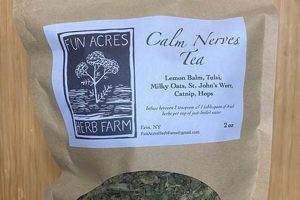
Certain natural infusions, prepared from dried plants, are sometimes considered in the context of nephrolithiasis. These beverages, created by steeping various herbs in hot water, are investigated for their potential influence on the development or management of mineral concretions within the urinary tract. As an example, individuals experiencing discomfort from diagnosed renal calculi might explore the consumption of specific botanical infusions, seeking supportive or alleviating effects.
The perceived value in utilizing plant-based beverages centers on potential diuretic properties and the presence of compounds that may inhibit crystal formation. Historically, traditional medicine systems have employed numerous botanicals for kidney health, often integrated into dietary practices. Exploring such options necessitates considering both potential advantages and possible interactions with existing medical conditions or pharmaceutical treatments.
This article will now delve into the specific types of botanical infusions that have been studied concerning their relationship to renal calculi, examining both evidence-based research and anecdotal reports. Attention will be given to the potential mechanisms of action, any identified risks or contraindications, and the importance of consulting with a healthcare professional prior to incorporating such beverages into a treatment plan.
Guidance Regarding the Consumption of Botanical Infusions and Renal Calculi
The following points outline important considerations when evaluating the role of plant-derived beverages in the context of kidney stone formation or management. Prudent implementation of these suggestions, in consultation with qualified medical professionals, is paramount.
Tip 1: Identify Stone Composition: Determining the specific mineral composition of existing renal calculi is critical. Different types of stones (e.g., calcium oxalate, uric acid) may respond differently to various botanical compounds. A 24-hour urine collection analysis can provide valuable insights.
Tip 2: Research Specific Herbs: Thoroughly investigate the purported effects of any chosen herb on urinary pH, calcium excretion, or oxalate levels. Not all botanicals are beneficial, and some may exacerbate existing conditions. Reputable scientific databases and peer-reviewed studies are essential resources.
Tip 3: Monitor Hydration Levels: Adequate fluid intake is a cornerstone of kidney stone prevention. Ensure that the chosen botanical infusion contributes to, rather than detracts from, overall hydration goals. Monitor urine output and color as indicators of hydration status.
Tip 4: Be Aware of Potential Interactions: Certain herbs can interact with medications or pre-existing medical conditions. Consult with a physician or pharmacist to rule out any potential adverse reactions before incorporating botanical infusions into the diet. Pay particular attention to anticoagulants, diuretics, and blood pressure medications.
Tip 5: Start Slowly and Monitor Symptoms: When introducing a new botanical infusion, begin with a small amount and gradually increase consumption while carefully observing for any changes in urinary symptoms, pain levels, or overall health. Discontinue use if adverse effects are noted.
Tip 6: Understand Limitations: Recognize that botanical infusions are not a substitute for conventional medical treatment. They should be considered, at best, as a potential adjunct to established therapies, under the guidance of a healthcare provider.
Tip 7: Prioritize Evidence-Based Strategies: Lifestyle modifications, such as dietary changes based on stone composition and increased fluid intake, remain the primary prevention strategies. Do not rely solely on botanical infusions to address existing renal calculi.
These guidelines emphasize the importance of informed decision-making and professional consultation when considering the role of plant-based beverages in relation to renal calculi. While some herbs may offer potential benefits, a cautious and evidence-based approach is crucial.
The subsequent sections of this article will explore specific botanical examples and their documented effects on kidney health, further elaborating on the considerations outlined above.
1. Botanical Composition

The inherent chemical makeup of any plant-derived infusion directly influences its potential impact on kidney stone formation or management. Understanding the specific compounds present is paramount for assessing the risk-benefit profile.
- Oxalate Levels
Many plants naturally contain oxalates, which can bind with calcium in the kidneys to form calcium oxalate stones, the most common type of renal calculi. Infusions prepared from plants with high oxalate concentrations, such as spinach or rhubarb, may theoretically increase the risk of stone formation in susceptible individuals. It’s important to note that the bioavailability of oxalates can vary depending on preparation methods and individual factors.
- Purine Content
Certain botanical sources contain purines, which metabolize into uric acid. Elevated uric acid levels in the urine can contribute to the formation of uric acid stones. Therefore, individuals prone to uric acid stones should exercise caution when consuming botanical infusions derived from plants with high purine content.
- Mineral Content (Calcium, Magnesium, Potassium)
The presence and relative proportions of minerals like calcium, magnesium, and potassium in botanical infusions can impact urinary saturation and stone formation. For example, magnesium and potassium can act as inhibitors of calcium oxalate crystallization. Conversely, excessive calcium intake from certain botanical sources, if not properly balanced, could contribute to stone formation in predisposed individuals.
- Phytochemicals (Polyphenols, Flavonoids)
Many plants contain phytochemicals with antioxidant and anti-inflammatory properties. Some of these compounds, such as certain polyphenols and flavonoids, have been investigated for their potential to inhibit crystal growth and reduce oxidative stress in the kidneys. However, the exact mechanisms and efficacy of these compounds in preventing or treating kidney stones require further research.
In summary, the specific chemical composition of a botanical infusion is a critical determinant of its potential effect on kidney stone development. Assessing oxalate and purine levels, considering mineral content, and evaluating the presence of potentially beneficial phytochemicals are crucial steps in determining the suitability of a particular botanical tea for individuals concerned about nephrolithiasis. The potential impacts of these factors underscore the importance of informed decision-making and consultation with healthcare professionals.
2. Diuretic Potential

Diuretic potential, the ability to increase urine production, represents a significant, albeit complex, factor in the context of botanical infusions and nephrolithiasis. Increased urinary output serves to dilute the concentration of minerals and salts within the kidneys, potentially reducing the risk of crystal formation and facilitating the passage of existing calculi. However, the diuretic effect must be carefully balanced with the risk of dehydration, which can paradoxically increase the concentration of stone-forming substances. Certain botanicals, such as dandelion and parsley, are traditionally recognized for their diuretic properties. If consumed in sufficient quantities, infusions prepared from these plants could theoretically promote increased urinary flow.
The practical significance of understanding diuretic potential lies in the need for tailored hydration strategies. A blanket recommendation for increased fluid intake may not suffice, as the type and timing of fluid consumption can significantly influence its effectiveness. For instance, consuming diuretic infusions throughout the day, coupled with adequate water intake, may be more beneficial than infrequent consumption of large volumes. Furthermore, the individual response to diuretic botanical infusions can vary considerably based on factors such as kidney function, electrolyte balance, and concurrent medication use. Caution is advised when patients with compromised renal function are taking herbal teas with diuretic potential.
In conclusion, while the diuretic potential of specific herbal teas holds promise as a supportive measure in kidney stone management, it should not be viewed as a standalone solution. A thorough assessment of individual risk factors, proper hydration monitoring, and professional medical guidance are essential to optimize the potential benefits and mitigate any associated risks. The key takeaway is that increased urine output, while generally favorable, must be achieved safely and in conjunction with other evidence-based preventive strategies.
3. Oxalate Content

The oxalate content of specific herbal infusions is a critical determinant of their potential to influence nephrolithiasis, particularly the formation of calcium oxalate stones. Oxalates, naturally occurring compounds found in many plants, can bind with calcium in the kidneys, leading to the precipitation of calcium oxalate crystals. Elevated urinary oxalate levels significantly increase the risk of stone formation in susceptible individuals. Therefore, herbal infusions derived from plants with high oxalate concentrations represent a potential source of concern for those prone to calcium oxalate nephrolithiasis. For example, infusions brewed from sorrel or star fruit leaves, known to have elevated oxalate levels, might contribute to increased urinary oxalate excretion and, consequently, an elevated risk of stone formation. Conversely, infusions prepared from plants with low oxalate content are less likely to pose such a risk.
The effect of dietary oxalate on kidney stone formation is not solely dependent on the oxalate content of the ingested substances. Factors such as dietary calcium intake, gut microbiome composition, and individual oxalate metabolism play crucial roles. For example, consuming calcium-rich foods concurrently with high-oxalate infusions can reduce oxalate absorption in the gut. Certain gut bacteria can also degrade oxalates, reducing their bioavailability. Additionally, individuals with certain metabolic disorders, such as primary hyperoxaluria, are at a significantly higher risk of oxalate stone formation regardless of dietary oxalate intake. Therefore, evaluating the safety of herbal infusions necessitates considering the overall dietary context and individual metabolic factors. It also highlight the benefit from the consumption of low oxalate infusions to maintain good oxalate level in kidney, as long as still balance the dietary intake with calcium-rich foods.
In summary, the oxalate content of herbal infusions is a pertinent consideration in the context of nephrolithiasis. While high-oxalate infusions may increase the risk of calcium oxalate stone formation in susceptible individuals, the overall impact depends on a complex interplay of dietary, metabolic, and microbial factors. Prudent selection of herbal teas, with preference given to low-oxalate options, coupled with attention to dietary calcium intake and individual risk factors, is advisable for individuals seeking to minimize their risk of oxalate stone development. It also necessary for individuals to understand the risk related to oxalate content for consumption of certain herbal tea.
4. Urinary pH Influence

The pH of urine, a measure of its acidity or alkalinity, significantly affects the solubility of various minerals and salts. This, in turn, has a direct impact on the formation and dissolution of certain types of kidney stones. The consumption of herbal teas can influence urinary pH, potentially either mitigating or exacerbating the risk of nephrolithiasis, depending on the specific herbal composition. For instance, certain botanical infusions may possess alkaline-promoting properties, increasing urinary pH and potentially dissolving uric acid stones or inhibiting their formation. Conversely, other herbal teas could acidify the urine, increasing the risk of calcium oxalate or cystine stone development.
The practical significance of understanding the impact of herbal teas on urinary pH lies in the ability to tailor dietary choices to specific stone types. Individuals with uric acid stones may benefit from consuming alkaline-promoting herbal infusions, while those with calcium oxalate stones may need to exercise caution with acidic herbal teas or take steps to counteract their effects. For example, individuals consuming herbal teas known to acidify urine could increase their intake of alkaline-producing foods, such as fruits and vegetables, to maintain a more neutral urinary pH. Monitoring urinary pH using readily available test strips can provide valuable feedback on the effectiveness of dietary adjustments. The influence of urinary pH is a critical determinant in the prevention and management of nephrolithiasis, necessitating informed choices regarding herbal tea consumption.
In summary, the influence of herbal teas on urinary pH represents a key factor in the complex relationship between botanical infusions and kidney stone disease. While some herbal teas may offer potential benefits by altering urinary pH to promote stone dissolution or inhibit formation, others may pose a risk by exacerbating existing conditions. Therefore, individuals should carefully consider the pH-altering properties of herbal teas and tailor their consumption to their specific stone type and overall dietary strategy, under the guidance of a healthcare professional. Proper understanding can enable optimal decision-making and consumption of herbal tea.
5. Mineral Excretion

The excretion of minerals through urine is fundamentally linked to the development and prevention of nephrolithiasis. Certain herbal teas can influence the renal handling of minerals, potentially affecting urinary saturation levels and, consequently, the risk of kidney stone formation. An understanding of this interplay is crucial for assessing the safety and potential benefits of botanical infusions.
- Calcium Excretion
Calcium is a primary component of many kidney stones, particularly calcium oxalate. Some herbal teas can either increase or decrease urinary calcium excretion, depending on their composition and diuretic properties. Increased calcium excretion may elevate the risk of stone formation in predisposed individuals, while decreased excretion may be beneficial. For example, certain diuretics present in herbal teas can paradoxically increase calcium excretion, counteracting the intended effect of stone prevention. The effect depends on the overall diet and individual physiology.
- Oxalate Excretion
As previously discussed, oxalate is a critical factor in calcium oxalate stone formation. Certain herbal teas, particularly those derived from high-oxalate plants, can significantly increase urinary oxalate excretion. This effect may override any potential benefits from increased urine volume or pH alteration. In contrast, herbal teas with low oxalate content are less likely to contribute to this risk. An example to avoid would be excessive consumption of teas brewed from rhubarb leaves, known to be high in oxalates.
- Uric Acid Excretion
Uric acid stones are another common type of renal calculi. Some herbal teas contain purines, which are metabolized into uric acid. Increased purine intake from these teas can elevate urinary uric acid levels, increasing the risk of uric acid stone formation in susceptible individuals. Conversely, other herbal teas may promote uric acid excretion without increasing its production, potentially lowering the risk. It’s crucial to evaluate purine content before suggesting an infusion for uric acid stone management.
- Citrate Excretion
Citrate acts as an inhibitor of calcium oxalate crystal formation. Certain herbal teas can influence urinary citrate excretion, potentially affecting the risk of stone formation. Increased citrate excretion can be beneficial, as it reduces the saturation of calcium oxalate in urine. However, decreased citrate excretion may increase the risk. The effect depends on various factors, including the overall acid-base balance and the presence of other inhibitors or promoters of crystal formation. The interplay among pH, diet, and genetics impact the levels of citrate.
In conclusion, the influence of herbal teas on mineral excretion is a complex and multifaceted consideration in the context of nephrolithiasis. The effect on calcium, oxalate, uric acid, and citrate excretion must be carefully evaluated to determine the potential risks and benefits of specific herbal infusions. Individual risk factors, stone composition, and overall dietary habits should be considered when making recommendations regarding herbal tea consumption for kidney stone prevention or management. Consumption requires a cautious and individualized approach.
6. Drug Interactions

The potential for drug interactions constitutes a significant concern when considering the consumption of herbal teas, particularly for individuals with pre-existing medical conditions or those taking prescription medications. Herbal teas contain a variety of bioactive compounds that can influence drug metabolism, absorption, and excretion, potentially leading to adverse effects or reduced therapeutic efficacy. These interactions are often complex and difficult to predict, necessitating a cautious approach and professional medical guidance.
- Cytochrome P450 Enzyme Inhibition/Induction
Many herbal constituents can interact with the cytochrome P450 (CYP) enzyme system in the liver, which is responsible for metabolizing a large number of drugs. Some herbal teas can inhibit CYP enzymes, leading to increased drug levels and a heightened risk of side effects. Conversely, other herbal teas can induce CYP enzymes, resulting in decreased drug levels and reduced therapeutic efficacy. For example, St. John’s Wort, a common herbal ingredient, is a known CYP3A4 inducer and can significantly reduce the effectiveness of certain medications, such as oral contraceptives and immunosuppressants. This example highlights the importance of assessing the potential for CYP-mediated interactions before consuming herbal teas while on medication.
- Effects on Anticoagulant Medications
Certain herbal teas can possess anticoagulant or antiplatelet properties, potentially increasing the risk of bleeding when taken in conjunction with anticoagulant medications such as warfarin or aspirin. For instance, teas containing ginger, garlic, or ginkgo biloba may enhance the effects of these drugs, leading to prolonged bleeding times or increased susceptibility to bruising. Conversely, other herbal teas may contain compounds that counteract the effects of anticoagulants, potentially reducing their effectiveness. It is crucial to carefully monitor blood clotting parameters and consult with a healthcare professional before combining herbal teas with anticoagulant medications.
- Impact on Diuretics and Blood Pressure Medications
The diuretic properties of some herbal teas can interact with diuretic medications, potentially leading to electrolyte imbalances or dehydration. Additive diuretic effects can result in excessive potassium loss, increasing the risk of cardiac arrhythmias. Furthermore, herbal teas with blood pressure-lowering effects can potentiate the effects of antihypertensive medications, leading to hypotension or dizziness. Careful monitoring of electrolyte levels and blood pressure is essential when consuming diuretic herbal teas in conjunction with diuretic or antihypertensive medications.
- Alteration of Drug Absorption
Certain herbal constituents can interfere with the absorption of medications from the gastrointestinal tract. For example, tannins present in some herbal teas can bind to certain drugs, reducing their absorption and bioavailability. Similarly, herbal teas with laxative effects can decrease the time that drugs spend in the digestive system, reducing their absorption. Conversely, other herbal teas may enhance drug absorption, potentially leading to increased drug levels and a heightened risk of side effects. Taking medications at a different time than herbal teas can mitigate some, but not all, of these concerns. A healthcare professional can offer specific guidance.
In summary, the potential for drug interactions represents a significant consideration when evaluating the use of herbal teas, particularly in individuals taking prescription medications. The complex interplay between herbal constituents and drug metabolism, absorption, and excretion necessitates a cautious approach and professional medical guidance. The potential for these interactions highlight the need for open communication between patients and healthcare providers regarding the use of herbal products, to ensure safe and effective medication management. Careful consideration minimizes the risk of adverse effects and maximizes therapeutic outcomes.
7. Individual Variation
Individual physiological differences significantly influence the effects of botanical infusions on nephrolithiasis. Factors such as genetics, metabolic rate, pre-existing conditions, and dietary habits can alter the way an individual responds to herbal teas, impacting their potential benefits or risks. This necessitates a personalized approach when considering herbal teas for kidney stone management.
- Genetic Predisposition
Genetic factors influence the expression of genes involved in oxalate metabolism, calcium handling, and urinary pH regulation. For example, individuals with a genetic predisposition to hyperoxaluria (excessive oxalate production) may be more susceptible to calcium oxalate stone formation, regardless of herbal tea consumption. Similarly, genetic variations can affect the expression of proteins involved in calcium reabsorption in the kidneys, impacting urinary calcium levels and stone risk. These genetic predispositions influence the individual response to any botanical interventions.
- Metabolic Rate and Kidney Function
Metabolic rate and overall kidney function affect the body’s ability to process and excrete minerals and waste products. Individuals with impaired kidney function may be more susceptible to adverse effects from herbal teas, particularly those with diuretic properties. A slower metabolic rate may also prolong the exposure of the kidneys to certain herbal constituents, potentially increasing the risk of adverse reactions. The effects of botanical compounds are therefore mediated by these physiological parameters.
- Pre-existing Medical Conditions
Pre-existing medical conditions such as diabetes, hypertension, and inflammatory bowel disease can influence the risk of nephrolithiasis and alter the response to herbal teas. For example, individuals with diabetes may have an increased risk of uric acid stone formation due to insulin resistance and impaired uric acid excretion. Similarly, inflammatory bowel disease can increase oxalate absorption and increase the risk of calcium oxalate stones. The presence of these underlying conditions modifies the risk-benefit profile of herbal teas.
- Dietary Habits
Dietary habits, including overall fluid intake, calcium consumption, and intake of oxalate-rich foods, significantly affect the risk of nephrolithiasis and the response to herbal teas. Individuals with a high-oxalate diet may be more sensitive to the oxalate content of herbal teas, increasing their risk of calcium oxalate stone formation. Conversely, those with adequate fluid intake may experience a greater benefit from the diuretic properties of certain herbal infusions. The overall dietary context is therefore crucial in determining the individual response.
These considerations highlight the importance of individualizing recommendations regarding herbal tea consumption for kidney stone management. A thorough assessment of an individual’s genetic predisposition, metabolic rate, kidney function, pre-existing medical conditions, and dietary habits is essential to determine the potential benefits and risks of specific herbal infusions. It also shows that a single approach may not fit all of individuals.
Frequently Asked Questions
The following addresses common inquiries and misconceptions regarding the role of herbal teas in the context of kidney stone formation and management. Information presented is for general understanding and does not constitute medical advice.
Question 1: Are all herbal teas beneficial for individuals with kidney stones?
No, not all herbal teas offer benefits in the presence of kidney stones. Some may exacerbate the condition due to high oxalate content or other factors. Understanding the specific composition of each infusion is crucial.
Question 2: Can herbal teas dissolve existing kidney stones?
While some herbal teas may promote increased urine flow and alter urinary pH, there is limited evidence to support their ability to dissolve existing, established kidney stones. Conventional medical treatments often remain necessary.
Question 3: Are there specific herbal teas that should be avoided by individuals prone to calcium oxalate stones?
Yes, herbal teas derived from plants with high oxalate content, such as rhubarb leaves or spinach, should be avoided or consumed in moderation due to the potential to increase urinary oxalate levels.
Question 4: Do herbal teas interact with prescription medications used to manage kidney stones?
Potential drug interactions are a significant concern. Certain herbal constituents can interfere with drug metabolism, absorption, or excretion. Consultation with a healthcare professional is essential to assess potential risks.
Question 5: Is increased fluid intake from herbal teas sufficient to prevent kidney stone formation?
Increased fluid intake is a crucial aspect of kidney stone prevention, but it is not the sole determinant. The type of fluid, overall dietary habits, and individual metabolic factors all play a significant role.
Question 6: Should herbal teas be considered a primary treatment for kidney stones?
Herbal teas should not be considered a primary treatment for kidney stones. They may potentially serve as a complementary measure under the guidance of a healthcare provider, but conventional medical interventions remain essential.
The role of botanical infusions in nephrolithiasis is complex and varies greatly based on individual factors and the specific herbal composition. Reliance on herbal teas alone is discouraged.
The next section will delve into evidence-based strategies for kidney stone prevention and management.
Conclusion
This exploration has elucidated the multifaceted relationship between herbal tea kidney stones and the broader context of nephrolithiasis. The influence of botanical infusions on stone formation is governed by several factors, including oxalate content, diuretic properties, impact on urinary pH, and potential drug interactions. Individual physiological differences significantly impact the effects of herbal teas, necessitating a personalized approach.
Given the complex interplay of factors influencing the interaction between herbal tea and kidney stones, individuals at risk of or suffering from nephrolithiasis should consult with qualified healthcare professionals before incorporating herbal teas into their management plan. Responsible decision-making, supported by medical guidance, remains paramount in mitigating risk and promoting optimal outcomes.