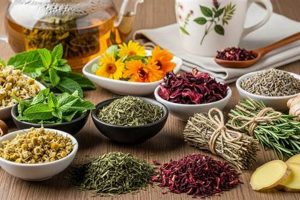
A beverage prepared by infusing herbs, spices, or other plant material in hot water, often consumed for its perceived medicinal properties, provides a potential remedy for the discomfort associated with menstruation. This warm infusion leverages the bioactive compounds present in specific plants to alleviate pain and related symptoms.
The consumption of such botanical infusions has a long history in traditional medicine across various cultures. Certain herbs are believed to possess anti-inflammatory, antispasmodic, and analgesic properties, contributing to the reduction of uterine contractions and associated pain. These properties can offer a natural and holistic approach to managing menstrual discomfort, potentially minimizing the reliance on pharmaceutical interventions.
The subsequent sections will explore specific botanical ingredients known for their potential to ease menstrual pain, detailing their mechanisms of action and outlining practical considerations for incorporating them into a wellness routine.
Guidance on Botanical Infusions for Menstrual Discomfort
The following suggestions provide information on the safe and effective use of botanical infusions for managing menstrual discomfort. Adherence to these guidelines can maximize benefits and minimize potential adverse effects.
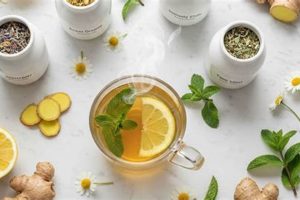
Tip 1: Selection of Appropriate Herbs: Choose herbs specifically recognized for their potential to alleviate menstrual cramps, such as chamomile, ginger, peppermint, or raspberry leaf. Verify the purity and quality of the herbs from a reputable source.
Tip 2: Proper Preparation Method: Adhere to recommended brewing instructions. Typically, steep a teaspoon of dried herb in a cup of hot (not boiling) water for 5-10 minutes. Covering the infusion during steeping retains volatile oils.
Tip 3: Timing of Consumption: Initiate consumption a few days before the anticipated onset of menstruation. Consistent intake throughout the duration of the menstrual period may provide sustained relief.
Tip 4: Monitoring Dosage: Begin with a small amount and gradually increase as needed, paying close attention to any adverse reactions. Excessive consumption may lead to gastrointestinal upset.
Tip 5: Consideration of Potential Interactions: Be aware of potential interactions with medications or pre-existing health conditions. Consult with a healthcare professional before incorporating herbal infusions into a regimen, particularly if taking prescription medications.
Tip 6: Hydration Maintenance: While consuming botanical infusions, ensure adequate hydration by drinking sufficient water throughout the day. Dehydration can exacerbate cramps.
Tip 7: Adherence to Safety Precautions: Discontinue use immediately and seek medical advice if any allergic reactions or unusual symptoms occur. Certain herbs may be contraindicated during pregnancy or breastfeeding.
These guidelines provide a foundation for the responsible utilization of botanical infusions for addressing menstrual discomfort. Individual responses may vary, and professional medical guidance is recommended.
The subsequent section will address common misconceptions and frequently asked questions concerning the use of such infusions for managing menstrual-related symptoms.
1. Herb Selection

Herb selection constitutes a foundational element in determining the effectiveness of botanical infusions intended for the alleviation of menstrual cramps. The pharmacological properties of specific plant materials directly influence the physiological response, therefore, purposeful selection, guided by scientific evidence and traditional knowledge, is crucial. For instance, employing chamomile, which contains apigenin, may exert antispasmodic effects due to apigenin’s affinity for GABA receptors, potentially reducing uterine muscle contractions. Conversely, the use of herbs lacking these properties would yield negligible benefits.
The identification of appropriate herbal remedies requires careful consideration of their chemical constituents and mechanisms of action. Ginger, for example, contains gingerols, which exhibit anti-inflammatory properties by inhibiting prostaglandin synthesis, thereby mitigating pain. Raspberry leaf, rich in fragarine, is traditionally used to tone the uterine muscles, potentially reducing the intensity of cramps. Substituting these herbs with alternatives devoid of these active compounds negates the potential therapeutic effects. Furthermore, understanding potential contraindications and interactions with other medications is a prerequisite for safe herb selection.
Effective herb selection integrates knowledge of phytochemistry, pharmacology, and potential adverse effects. The choice of appropriate plant materials, informed by scientific understanding and historical usage, directly impacts the efficacy and safety of botanical infusions for menstrual cramp relief. This underlines herb selection as a key determinant in achieving desired therapeutic outcomes and ensuring responsible utilization.
2. Preparation Method

The method by which botanical infusions are prepared significantly impacts the extraction and preservation of bioactive compounds, thereby influencing the beverage’s potential efficacy in alleviating menstrual discomfort. Improper preparation can diminish or negate the therapeutic benefits.
- Water Temperature
Water temperature is critical for extracting desired compounds without degrading heat-sensitive components. Using boiling water may damage delicate volatile oils, such as those found in chamomile or peppermint, reducing their therapeutic value. Conversely, water that is not hot enough may result in incomplete extraction, leaving beneficial compounds trapped within the plant material.
- Steeping Time
The duration of steeping directly affects the concentration of active constituents in the infusion. Insufficient steeping yields a weak infusion with limited therapeutic potential, while excessive steeping can release undesirable compounds, potentially affecting flavor and, in some cases, causing adverse effects. Optimal steeping times vary depending on the herb; longer steeping is generally required for denser plant parts like roots or barks.
- Container Material and Closure
The material of the steeping container can influence the stability of the infusion. Reactive materials may interact with the herbal components, altering their chemical structure or bioavailability. Furthermore, using a closed container during steeping helps retain volatile aromatic compounds, maximizing their presence in the final beverage.
- Filtration and Separation
The process of filtering or separating the plant material from the infusion is essential for palatability and to prevent continued extraction. Leaving plant material in the liquid for prolonged periods after steeping can lead to an overly bitter or astringent taste, potentially reducing the beverage’s appeal and impacting consumption.
The preparation method represents a critical control point in the process of creating botanical infusions intended to alleviate menstrual discomfort. Precise attention to water temperature, steeping time, container material, and filtration optimizes the extraction and preservation of bioactive compounds, maximizing the potential therapeutic benefits and minimizing adverse effects.
3. Dosage Control
Dosage control is a critical determinant in the safe and effective utilization of botanical infusions for the management of menstrual cramps. The pharmacological activity of herbal constituents necessitates careful regulation of intake to optimize therapeutic benefits while minimizing potential adverse effects. Excessive consumption of certain herbs, despite their purported benefits, can lead to unintended physiological consequences, undermining their value as a therapeutic intervention.
For instance, while ginger possesses anti-inflammatory properties that may alleviate menstrual pain, excessive consumption can result in gastrointestinal distress, including heartburn, nausea, or diarrhea. Similarly, chamomile, valued for its relaxing effects, may induce drowsiness or, in rare cases, allergic reactions when consumed in high doses. Raspberry leaf, traditionally used to tone uterine muscles, might, in excessive amounts, stimulate contractions, potentially contraindicating its use during specific phases of the menstrual cycle or in individuals with a history of certain gynecological conditions. Therefore, precise dosage control, guided by established guidelines and individual sensitivities, is paramount to achieving therapeutic benefits without incurring undesirable side effects.
In summary, the efficacy and safety of employing botanical infusions for managing menstrual cramps are inextricably linked to dosage control. Careful consideration of herb-specific characteristics, individual physiological responses, and potential interactions is essential to achieving optimal therapeutic outcomes. Dosage control, therefore, constitutes a fundamental principle in the responsible application of herbal remedies for menstrual symptom management, ensuring both efficacy and patient safety.
4. Timing of Intake

The temporal relationship between the consumption of botanical infusions and the menstrual cycle significantly impacts their potential efficacy in mitigating period cramps. The proactive initiation of herbal intake, prior to the anticipated onset of menstruation, allows for the accumulation of bioactive compounds within the system, potentially modulating physiological responses before the exacerbation of symptoms. Conversely, commencing intake only upon the manifestation of cramps may result in a delayed therapeutic response, diminishing the overall benefit.
For instance, raspberry leaf infusions, traditionally used to tone the uterus, are often recommended for regular consumption in the weeks leading up to menstruation. This preemptive approach aims to strengthen uterine muscles, potentially reducing the intensity of contractions during menstruation. Similarly, beginning the intake of ginger infusions a few days before the expected period allows for the build-up of anti-inflammatory compounds, potentially preempting the prostaglandin surge associated with menstrual pain. The specific timing, therefore, directly influences the ability of these infusions to address the underlying mechanisms contributing to cramps.
Effective utilization of botanical infusions for period cramp management necessitates a strategic approach to the timing of intake. Preemptive commencement of intake, tailored to the specific properties of the chosen herbs, can optimize their therapeutic impact. While retrospective intake may provide some relief, proactive integration offers the potential for more significant and sustained benefits, underscoring the practical importance of this temporal consideration.
5. Potential Interactions
The concurrent consumption of botanical infusions and pharmaceutical medications necessitates careful consideration due to the potential for herb-drug interactions. Such interactions can alter the efficacy of prescription drugs, potentiate adverse effects, or attenuate the therapeutic benefits of the herbal infusion itself. Understanding these potential interactions is a critical component of safely incorporating botanical infusions into a regimen for managing period cramps.
For instance, ginger, often consumed for its anti-inflammatory properties, possesses mild anticoagulant effects. Concomitant use with anticoagulant medications, such as warfarin, may increase the risk of bleeding. Similarly, St. John’s Wort, sometimes used for mood regulation, can interact with numerous medications, including oral contraceptives, potentially reducing their effectiveness. Furthermore, certain herbs may affect liver enzymes responsible for drug metabolism, leading to altered drug concentrations in the bloodstream. Awareness of these interactions necessitates a comprehensive review of all medications and supplements prior to initiating herbal therapies.
In conclusion, the potential for interactions between botanical infusions and pharmaceutical drugs is a significant consideration for individuals seeking relief from menstrual cramps. Comprehensive assessment of potential interactions, along with consultation with healthcare professionals, is crucial for ensuring the safety and effectiveness of integrated treatment strategies. Disregarding these potential interactions may lead to adverse outcomes, highlighting the practical significance of informed decision-making in the utilization of herbal remedies.
Frequently Asked Questions Regarding Botanical Infusions for Menstrual Cramps
The following addresses common inquiries concerning the use of herbal teas for alleviating menstrual discomfort, providing evidence-based information and guidance.
Question 1: Are all herbal teas equally effective for relieving period cramps?
No. The efficacy varies depending on the specific herbs used, their concentration, and the individual’s physiological response. Certain herbs, such as chamomile, ginger, and raspberry leaf, have demonstrated potential benefits, while others may offer minimal or no relief.
Question 2: How quickly can one expect to experience relief from drinking herbal tea for period cramps?
The onset of relief varies. Some individuals may experience noticeable symptom reduction within 30-60 minutes of consumption, while others may require consistent intake over several days or menstrual cycles to observe significant improvements.
Question 3: Can herbal teas completely eliminate period cramps?
Herbal teas may alleviate the severity of cramps but are unlikely to eliminate them entirely for all individuals. Their effectiveness depends on the underlying cause of the cramps and individual factors.
Question 4: Are there any risks associated with drinking herbal tea for period cramps?
Potential risks include allergic reactions, interactions with medications, and gastrointestinal discomfort from excessive consumption. Individuals with pre-existing medical conditions should consult with a healthcare professional before using herbal teas.
Question 5: How much herbal tea should one drink to relieve period cramps?
The optimal dosage varies depending on the herb and individual tolerance. A general guideline is to consume 1-3 cups per day, starting a few days before the expected onset of menstruation. Monitoring for adverse effects is advised.
Question 6: Can herbal tea replace conventional pain relievers for period cramps?
Herbal tea may serve as a complementary therapy but should not replace conventional pain relievers without consulting a healthcare professional. The severity of cramps and individual needs should guide treatment decisions.
The information provided herein serves as a guide and should not substitute for professional medical advice. Consultation with a healthcare provider is recommended for personalized treatment plans.
The subsequent section will provide a summary of key considerations regarding the safe and effective use of herbal remedies for managing menstrual symptoms.
Conclusion
The examination of herbal tea for period cramps reveals a complex interplay of factors influencing its efficacy and safety. The appropriate selection of herbs, adherence to proper preparation methods, meticulous dosage control, strategic timing of intake, and awareness of potential interactions are critical determinants of the overall therapeutic outcome. These elements collectively contribute to the potential benefits and risks associated with this approach to managing menstrual discomfort.
The responsible utilization of botanical infusions for period cramps necessitates informed decision-making, incorporating scientific evidence, traditional knowledge, and individual physiological considerations. While herbal tea may offer a complementary approach to symptom management, it should not replace conventional medical interventions without appropriate consultation. Further research is warranted to fully elucidate the mechanisms of action and long-term effects of specific herbal remedies for menstrual pain.