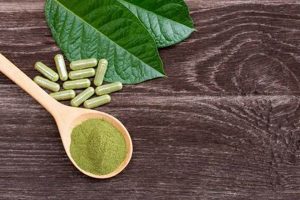
Botanical remedies intended to address Small Intestinal Bacterial Overgrowth consist of concentrated plant extracts administered to reduce excessive bacterial populations in the small intestine. These natural preparations are distinct from conventional antibiotics and are often chosen for their broader spectrum of activity and potentially lower risk of bacterial resistance. For example, formulations containing berberine or oregano oil are frequently utilized.
The appeal of plant-derived treatments for this condition stems from several factors, including a desire for more natural interventions and concerns regarding the side effects of pharmaceutical options. Historically, traditional medicine systems have long employed specific herbs for their antimicrobial and digestive properties. Modern research is increasingly investigating the efficacy and mechanisms of action of these compounds, validating some of these traditional uses.
The subsequent sections will delve into the specific categories of botanical agents used in this context, examining their proposed mechanisms, supporting scientific evidence, potential risks, and considerations for their safe and effective implementation within a comprehensive management strategy.
Guidance on Plant-Based Approaches for Addressing Small Intestinal Bacterial Overgrowth
The following guidance is intended to provide informed considerations regarding the integration of plant-derived remedies into a comprehensive strategy aimed at managing dysbiosis in the small intestine. These points emphasize responsible and evidence-informed decision-making.
Tip 1: Consult a Qualified Healthcare Professional: Prior to initiating any botanical regimen, seek advice from a physician, naturopathic doctor, or registered dietitian experienced in the management of this condition. Accurate diagnosis and personalized treatment plans are paramount.
Tip 2: Prioritize Targeted Antimicrobials: Focus on botanical agents with established antimicrobial activity against common bacterial strains implicated in overgrowth, such as oregano oil, berberine-containing herbs (e.g., goldenseal, barberry), and allicin from garlic.
Tip 3: Implement a Low-FODMAP Diet: Combine botanical interventions with a dietary approach that restricts fermentable oligosaccharides, disaccharides, monosaccharides, and polyols. This synergistic approach deprives the excessive bacteria of their primary fuel source.
Tip 4: Monitor Symptoms and Adjust Dosage: Closely observe symptom response (e.g., bloating, abdominal pain, altered bowel habits) and adjust dosages accordingly under professional supervision. Start with low doses and gradually increase to minimize potential die-off effects.
Tip 5: Consider Prokinetic Agents: Impaired intestinal motility can contribute to bacterial stasis. Explore the potential benefits of prokinetic botanicals such as ginger or Iberogast to promote healthy gut movement and prevent bacterial accumulation.
Tip 6: Address Underlying Contributing Factors: Identify and manage potential root causes of bacterial overgrowth, such as hypochlorhydria (low stomach acid), enzyme deficiencies, or structural abnormalities of the digestive tract.
Tip 7: Reassess and Re-evaluate: Regularly reassess treatment effectiveness and re-evaluate the need for continued intervention based on symptom resolution and repeat testing, if indicated.
Adherence to these guidelines can promote the safer and more effective utilization of botanical remedies as part of a holistic strategy aimed at restoring balance within the intestinal ecosystem.
The subsequent section will provide a summary of safety concerns associated with the long-term use of these interventions.
1. Antimicrobial Mechanisms

The efficacy of botanical agents in addressing Small Intestinal Bacterial Overgrowth (SIBO) hinges significantly on their antimicrobial mechanisms. These mechanisms represent the means by which specific herbal compounds inhibit the growth or eradicate excessive bacterial populations within the small intestine. Understanding these mechanisms is crucial for selecting appropriate herbal interventions and predicting their potential therapeutic outcomes. A primary example involves berberine, a compound found in herbs like goldenseal and barberry. Berberine disrupts bacterial cell division and inhibits the synthesis of essential proteins, thereby hindering bacterial proliferation. Similarly, oregano oil, rich in carvacrol and thymol, disrupts bacterial cell membranes, leading to cell death. These actions directly reduce the bacterial load contributing to SIBO symptoms.
The importance of antimicrobial mechanisms as a component of herbal supplements for SIBO is multifaceted. First, it dictates the spectrum of bacteria targeted. Some herbal agents exhibit broad-spectrum activity, affecting various bacterial species, while others are more selective. Second, the specific mechanism influences the likelihood of bacterial resistance. Agents with complex or multiple mechanisms may be less prone to resistance development compared to single-target antibiotics. Third, understanding the mechanism helps predict potential interactions with other medications or supplements. For instance, certain herbal antimicrobials can affect liver enzymes responsible for drug metabolism, potentially altering drug efficacy or increasing the risk of side effects. Thus, a clear understanding of these mechanisms guides the selection and application of botanical treatments to minimize adverse events.
In summary, the antimicrobial mechanisms of action are a critical determinant of the therapeutic potential of herbal supplements for SIBO. Knowledge of these mechanisms facilitates informed selection of specific herbal agents, enhances the prediction of treatment outcomes, and assists in mitigating potential risks. While herbal antimicrobials offer a potentially gentler approach to managing SIBO, a comprehensive understanding of their underlying mechanisms is paramount for ensuring responsible and effective clinical application. The investigation and application of these natural substances should be done under the supervision of a trained medical professional.
2. Dysbiosis Reduction

The reduction of dysbiosis, an imbalance in the gut microbiota, is a primary therapeutic goal when utilizing botanical remedies for Small Intestinal Bacterial Overgrowth (SIBO). Herbal supplements frequently employed in SIBO management exert their beneficial effects by modulating the composition and activity of the microbial communities within the small intestine. A common example involves the use of berberine-containing herbs. Berberine exhibits selective antimicrobial properties, targeting specific bacterial species that are often overrepresented in SIBO while sparing other beneficial commensal bacteria. This targeted approach to dysbiosis reduction contrasts with broad-spectrum antibiotics, which can disrupt the entire gut ecosystem, potentially leading to further complications. The ability of certain botanicals to selectively inhibit or reduce the populations of problematic bacteria is a key factor in their therapeutic application.
The importance of dysbiosis reduction as a component of herbal supplements for SIBO extends beyond simply suppressing bacterial overgrowth. Restoring a more balanced microbial environment can have profound effects on digestive function, nutrient absorption, and immune modulation. For example, reducing the overgrowth of bacteria that produce excessive amounts of methane gas can alleviate bloating and constipation, common symptoms associated with SIBO. Furthermore, a balanced gut microbiota is essential for the proper digestion of carbohydrates and the production of short-chain fatty acids, which serve as important energy sources for the intestinal epithelium. Dysbiosis reduction, therefore, not only addresses the immediate symptoms of SIBO but also supports the long-term health and function of the digestive system.
In summary, dysbiosis reduction is a central mechanism through which herbal supplements exert their therapeutic effects in SIBO. By selectively modulating the gut microbiota, these natural remedies can help restore a more balanced and functional intestinal environment, leading to improved digestive health and symptom relief. However, it’s crucial to recognize that the effectiveness of herbal interventions for dysbiosis reduction can vary depending on the individual’s unique microbial composition and the underlying factors contributing to SIBO. Therefore, a comprehensive approach that includes dietary modifications, lifestyle adjustments, and, when necessary, pharmaceutical interventions is often required to achieve optimal outcomes.
3. Digestive Support

Digestive support constitutes a critical aspect of Small Intestinal Bacterial Overgrowth (SIBO) management, complementing the direct antimicrobial effects of botanical interventions. Addressing impaired digestive function can mitigate the conditions that foster bacterial overgrowth and enhance symptom relief.
- Promotion of Gastric Acid Secretion
Hypochlorhydria, or low stomach acid, can impair the initial breakdown of food, allowing undigested material to enter the small intestine and serve as a substrate for bacterial fermentation. Bitter herbs, such as gentian and centaury, stimulate gastric acid secretion, facilitating improved digestion and reducing the availability of nutrients for bacterial proliferation.
- Enhancement of Bile Flow
Bile acids possess inherent antimicrobial properties and aid in the digestion and absorption of fats. Cholagogue herbs, including dandelion root and milk thistle, promote bile production and flow, supporting both digestive function and the suppression of bacterial growth in the small intestine.
- Support of Pancreatic Enzyme Activity
Pancreatic enzymes are essential for the breakdown of proteins, carbohydrates, and fats. Impaired pancreatic enzyme activity can contribute to maldigestion and nutrient malabsorption, creating an environment conducive to bacterial overgrowth. Certain herbs, such as ginger, possess mild stimulant effects on pancreatic enzyme secretion, enhancing digestive capacity.
- Regulation of Intestinal Motility
Impaired intestinal motility can lead to stasis, promoting bacterial accumulation in the small intestine. Prokinetic herbs, such as ginger and Iberogast, stimulate intestinal contractions and accelerate the transit of food through the digestive tract, reducing the opportunity for bacterial overgrowth.
The integration of digestive support strategies alongside antimicrobial herbal supplements provides a comprehensive approach to SIBO management. By addressing underlying digestive dysfunction, these strategies aim to reduce the conditions that contribute to bacterial overgrowth and improve overall digestive health. A multifaceted approach, incorporating dietary modifications and lifestyle adjustments, is frequently required to achieve optimal and sustained outcomes.
4. Symptom Management

The alleviation of symptoms associated with Small Intestinal Bacterial Overgrowth (SIBO) represents a primary objective in therapeutic interventions. Herbal supplements are frequently utilized to address the diverse manifestations of this condition, including bloating, abdominal pain, altered bowel habits, and associated systemic effects. However, the efficacy of these remedies in providing symptomatic relief is contingent upon various factors, including the specific herbal formulation, the individual’s physiological characteristics, and the underlying cause of SIBO.
- Reduction of Bloating and Distension
Excessive gas production by bacteria in the small intestine contributes to abdominal bloating and distension, hallmark symptoms of SIBO. Herbal carminatives, such as peppermint and ginger, promote the expulsion of gas and reduce abdominal discomfort. Peppermint oil, for example, relaxes intestinal muscles, facilitating gas passage and alleviating bloating. Similarly, ginger stimulates intestinal motility, preventing gas accumulation. The effectiveness of these herbal carminatives in reducing bloating varies based on individual sensitivity and the severity of bacterial overgrowth.
- Alleviation of Abdominal Pain and Discomfort
Abdominal pain in SIBO arises from inflammation and distension of the intestinal wall. Certain herbal anti-inflammatory agents, such as chamomile and turmeric, may mitigate abdominal pain by reducing inflammation and modulating pain perception. Chamomile contains compounds that exert antispasmodic effects, relaxing intestinal muscles and reducing cramping. Turmeric, with its active compound curcumin, inhibits inflammatory pathways, potentially diminishing pain signals. The degree of pain relief provided by these herbs depends on the underlying inflammatory processes and individual pain thresholds.
- Regulation of Bowel Habits
SIBO can manifest as diarrhea, constipation, or alternating bowel habits. Herbal remedies can assist in regulating bowel function by modulating intestinal motility and stool consistency. For diarrhea-predominant SIBO, astringent herbs, such as bilberry and blackberry leaf, can reduce intestinal secretions and slow down bowel movements. For constipation-predominant SIBO, gentle laxative herbs, such as senna and cascara, can stimulate bowel contractions and promote stool evacuation. However, the long-term use of stimulant laxatives should be approached with caution to avoid dependency.
- Mitigation of Associated Systemic Symptoms
SIBO can lead to systemic symptoms, such as fatigue, brain fog, and skin problems, due to nutrient malabsorption and the production of bacterial byproducts. Herbal adaptogens, such as ashwagandha and rhodiola, may alleviate fatigue and improve cognitive function by modulating the stress response and supporting adrenal function. Furthermore, herbal remedies that promote liver detoxification, such as milk thistle, may help eliminate bacterial toxins and improve skin health. The impact of these herbs on systemic symptoms varies based on individual sensitivity and the severity of the underlying nutrient deficiencies and toxic exposures.
The use of herbal supplements for symptom management in SIBO provides a multifaceted approach to alleviating the diverse manifestations of this condition. While herbal remedies can offer symptomatic relief, it is crucial to address the underlying bacterial overgrowth and associated digestive dysfunction for long-term resolution. A comprehensive management strategy, incorporating dietary modifications, lifestyle adjustments, and, when necessary, pharmaceutical interventions, is often required to achieve optimal and sustained outcomes.
5. Individual variability

The response to botanical interventions for Small Intestinal Bacterial Overgrowth (SIBO) is significantly influenced by individual variability. This necessitates a nuanced approach to treatment, considering the unique physiological and microbial characteristics of each patient.
- Gut Microbiome Composition
The existing microbial community in the gut varies substantially among individuals. The types and quantities of bacteria present prior to herbal intervention can influence the effectiveness of the supplements. For instance, an individual with a high abundance of resistant bacteria may require a higher dosage or a different combination of herbs compared to someone with a less complex microbial ecosystem. Understanding the pre-existing gut flora, through stool testing when appropriate, is crucial for tailoring effective herbal regimens.
- Genetic Predisposition
Genetic factors can influence an individual’s response to herbal supplements. Genes encoding for drug-metabolizing enzymes, such as cytochrome P450 enzymes, can impact the breakdown and clearance of herbal compounds. Individuals with genetic variations affecting these enzymes may experience altered bioavailability and efficacy of herbal treatments. Furthermore, genetic predispositions to conditions like histamine intolerance or mast cell activation can exacerbate symptoms, complicating the response to herbal interventions.
- Underlying Health Conditions
The presence of comorbid conditions, such as inflammatory bowel disease (IBD), irritable bowel syndrome (IBS), or autoimmune disorders, can significantly affect the response to herbal supplements for SIBO. Individuals with IBD, for example, may exhibit altered intestinal permeability and immune dysregulation, potentially influencing the absorption and efficacy of herbal compounds. Moreover, the interactions between herbal supplements and medications prescribed for these underlying conditions must be carefully considered.
- Dietary Habits and Lifestyle Factors
Dietary habits and lifestyle factors, such as stress levels, sleep patterns, and exercise frequency, can modulate the gut microbiome and influence the effectiveness of herbal treatments. A diet high in processed foods and refined sugars can promote bacterial overgrowth, potentially counteracting the benefits of herbal interventions. Similarly, chronic stress can disrupt gut motility and immune function, affecting the overall response to treatment. Addressing these lifestyle factors is essential for optimizing the therapeutic effects of herbal supplements.
In conclusion, the efficacy of herbal supplements for SIBO is significantly influenced by individual variability, encompassing differences in gut microbiome composition, genetic predispositions, underlying health conditions, and lifestyle factors. A personalized approach, integrating comprehensive assessment and tailored treatment strategies, is essential for optimizing therapeutic outcomes and minimizing potential adverse effects. Relying solely on generalized recommendations may lead to suboptimal results and warrants caution.
6. Long-term safety

The long-term safety profile of botanical agents used in the treatment of Small Intestinal Bacterial Overgrowth (SIBO) warrants careful consideration due to the potential for prolonged use and the complex interactions of these substances within the gut microbiome. While some herbal supplements offer promising antimicrobial and symptom-reducing effects, their chronic use may lead to unforeseen consequences. For example, prolonged use of certain herbal antimicrobials, such as oregano oil, may disrupt the balance of beneficial gut bacteria alongside the targeted pathogens. This disruption can contribute to dysbiosis, potentially exacerbating gastrointestinal symptoms over time, a paradoxical effect necessitating vigilance.
The importance of long-term safety assessments is further highlighted by the potential for hepatotoxicity or other systemic effects associated with specific herbal compounds. Certain herbs, such as pyrrolizidine alkaloid-containing plants, can cause liver damage with prolonged exposure. Furthermore, the bioavailability and metabolism of herbal constituents can vary significantly among individuals, influenced by factors like genetic polymorphisms and concurrent medications. This variability underscores the need for personalized monitoring and dosage adjustments to minimize potential adverse effects. Practical application of this understanding involves regular liver function tests and careful assessment of any new or worsening symptoms during long-term herbal supplementation.
In summary, the long-term safety of herbal supplements for SIBO is a critical factor that must be carefully evaluated and monitored. While these agents can offer therapeutic benefits, their potential for disrupting the gut microbiome, causing systemic toxicity, or interacting with other medications necessitates a cautious and individualized approach. Ongoing research is crucial to establish definitive safety profiles and guidelines for the chronic use of herbal therapies in SIBO management. A collaborative approach between healthcare practitioners and patients, emphasizing informed decision-making and diligent monitoring, is essential to mitigate potential risks and ensure positive long-term outcomes.
Frequently Asked Questions Regarding Herbal Supplements for SIBO
This section addresses common inquiries and clarifies critical aspects of utilizing botanical agents in the management of Small Intestinal Bacterial Overgrowth.
Question 1: Are herbal supplements a universally effective treatment for SIBO?
The efficacy of botanical interventions is not uniform across all individuals. Factors such as the specific bacterial species involved, the severity of the overgrowth, and individual physiological characteristics influence the response to herbal treatment. A comprehensive diagnostic approach is essential to determine suitability.
Question 2: Can herbal supplements completely replace conventional antibiotic therapy for SIBO?
While some individuals may experience symptom resolution with herbal treatments alone, others may require conventional antibiotic therapy, either as a primary intervention or in conjunction with botanical remedies. The decision should be based on a thorough clinical evaluation and, when appropriate, diagnostic testing.
Question 3: What are the potential risks associated with long-term use of herbal supplements for SIBO?
Prolonged use of certain herbal supplements can disrupt the balance of the gut microbiome, potentially leading to dysbiosis or other adverse effects. Additionally, some herbs may interact with medications or possess inherent toxicity. Regular monitoring by a qualified healthcare professional is advised.
Question 4: Are all herbal supplements marketed for SIBO safe and effective?
The quality and purity of herbal supplements can vary significantly. It is imperative to select products from reputable manufacturers that adhere to stringent quality control standards. Independent testing by third-party organizations can provide additional assurance of product integrity. The absence of regulation in the supplement industry necessitates careful evaluation.
Question 5: How long does it typically take to experience symptomatic relief with herbal supplements for SIBO?
The time frame for symptom improvement varies depending on individual factors and the specific herbal protocol employed. Some individuals may experience noticeable relief within a few weeks, while others may require several months. Consistent adherence to the prescribed regimen and close communication with a healthcare provider are crucial.
Question 6: Can herbal supplements eradicate SIBO completely, preventing recurrence?
While herbal supplements can effectively reduce bacterial overgrowth and alleviate symptoms, they may not always prevent recurrence. Addressing underlying factors that contribute to SIBO, such as impaired intestinal motility or digestive enzyme deficiencies, is essential for long-term management and relapse prevention.
In summary, the utilization of herbal supplements for SIBO necessitates a judicious and informed approach. Consultation with a healthcare professional experienced in this area is paramount to ensure safe and effective implementation. Further investigation into the multifaceted components discussed may be required.
The subsequent section will provide a conclusive summary of the use of herbal supplements.
Conclusion
The preceding discussion has explored the multifaceted role of herbal supplements for SIBO, emphasizing the complexities inherent in their application. From antimicrobial mechanisms to digestive support and symptom management, the utility of these interventions is influenced by individual variability and long-term safety considerations. A nuanced understanding of these factors is essential for informed decision-making.
While botanical remedies offer a potentially valuable approach to managing SIBO, their implementation necessitates careful evaluation and professional guidance. The responsible integration of herbal supplements within a comprehensive treatment strategy, coupled with ongoing research and diligent monitoring, holds promise for improving patient outcomes and advancing the understanding of this challenging condition.