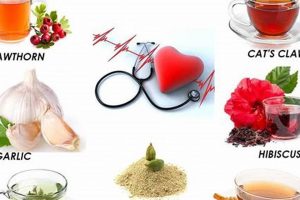
The exploration of botanical treatments for chronic inflammatory bowel conditions focuses on utilizing plant-derived substances to alleviate symptoms and potentially modulate the disease course. One such target is a chronic inflammatory condition characterized by ulceration and inflammation of the colon and rectum. Specific interventions involve the use of various plant extracts and compounds believed to possess anti-inflammatory, immunomodulatory, or wound-healing properties. For example, Aloe vera and curcumin have been investigated for their potential to reduce inflammation and promote healing in the affected areas.
The investigation into these alternative approaches stems from a desire to complement or potentially replace conventional pharmaceutical interventions, particularly when facing challenges like adverse effects or limited efficacy. Historically, many cultures have relied on traditional plant-based medicine to address gastrointestinal ailments. Modern research seeks to validate these traditional uses through scientific investigation, aiming to identify specific compounds and mechanisms of action responsible for observed clinical benefits. Benefits may include symptom management, improved quality of life, and potentially, a reduction in the need for conventional therapies. However, rigorous scientific validation is crucial.
The following discussion will delve into specific botanical agents that have been studied for their potential in managing this particular inflammatory bowel condition. The discussion will also address the current state of evidence regarding their efficacy, safety considerations, and potential mechanisms of action. Furthermore, it will underscore the importance of consulting with qualified healthcare professionals before initiating any alternative treatment regimen.
Important Considerations Regarding Botanical Interventions for Ulcerative Colitis
The following points offer key considerations when exploring plant-derived remedies for the management of this chronic inflammatory bowel disease. These are intended for informational purposes and do not constitute medical advice.
Tip 1: Consultation with a Healthcare Provider is Paramount: Prior to initiating any botanical intervention, consultation with a qualified physician or gastroenterologist is essential. This ensures appropriate diagnosis, evaluation of disease severity, and monitoring for potential drug interactions.
Tip 2: Understand Potential Interactions with Conventional Medications: Certain herbal agents can interact with prescription medications commonly used to treat ulcerative colitis, such as aminosalicylates, corticosteroids, and immunomodulators. Comprehensive disclosure of all supplements and remedies used is crucial for minimizing adverse effects.
Tip 3: Source Products from Reputable Manufacturers: The quality and purity of botanical products can vary significantly. Selecting products from manufacturers adhering to Good Manufacturing Practices (GMP) ensures a higher degree of product consistency and reduces the risk of contamination.
Tip 4: Be Aware of Potential Side Effects: While often perceived as “natural” and therefore safe, botanical agents can possess significant pharmacological activity and induce side effects. Common side effects may include gastrointestinal upset, allergic reactions, or other adverse events. Vigilant monitoring for any untoward symptoms is advised.
Tip 5: Dosage and Administration Require Careful Consideration: The optimal dosage and administration route for botanical remedies may vary depending on the specific agent, individual patient characteristics, and disease severity. Adherence to recommended guidelines and close monitoring of therapeutic response are important.
Tip 6: Scientific Evidence Varies Widely: The level of scientific evidence supporting the efficacy of different botanical remedies for ulcerative colitis varies substantially. Some agents have been subjected to rigorous clinical trials, while others are supported primarily by anecdotal evidence or preclinical studies. Critically evaluate the available evidence before making any treatment decisions.
Tip 7: Long-Term Safety Data May Be Limited: While short-term studies may indicate relative safety, long-term data on the safety and efficacy of many botanical interventions for ulcerative colitis are lacking. This underscores the importance of ongoing monitoring and reassessment of treatment strategies.
These considerations highlight the importance of a cautious and informed approach to the use of plant-derived remedies for this chronic condition. Collaboration with healthcare professionals and a thorough understanding of potential risks and benefits are vital for optimizing treatment outcomes.
The subsequent section will explore the current research landscape, offering a closer look at promising botanical agents and the challenges inherent in their integration into standard medical practice.
1. Anti-inflammatory Properties

The reduction of inflammation is a central goal in managing ulcerative colitis. Many plant-derived compounds are investigated for their potential to modulate inflammatory pathways within the gastrointestinal tract, offering a possible avenue for symptom management and disease modification.
- Inhibition of Pro-inflammatory Cytokine Production
Certain botanical extracts may suppress the production of pro-inflammatory cytokines, such as TNF-, IL-1, and IL-6, which are key mediators of inflammation in ulcerative colitis. For example, compounds found in Boswellia serrata (Indian frankincense) have been shown to inhibit the activity of lipoxygenases, enzymes involved in the synthesis of pro-inflammatory leukotrienes. This mechanism of action can potentially reduce the inflammatory cascade and alleviate symptoms.
- Modulation of Immune Cell Activity
The immune system plays a critical role in the pathogenesis of ulcerative colitis. Some botanical agents can modulate the activity of immune cells, such as T cells and macrophages, thereby influencing the inflammatory response. For instance, curcumin, a constituent of turmeric, has demonstrated the ability to suppress the activation of NF-B, a transcription factor involved in the regulation of genes encoding pro-inflammatory cytokines and chemokines. By modulating immune cell function, these agents may help to restore immune homeostasis in the gut.
- Antioxidant Effects
Oxidative stress, characterized by an imbalance between the production of reactive oxygen species (ROS) and the antioxidant defense system, contributes to the inflammatory process in ulcerative colitis. Many plant-derived compounds possess antioxidant properties, enabling them to neutralize ROS and protect cells from oxidative damage. Examples include resveratrol, found in grapes and red wine, and quercetin, present in various fruits and vegetables. By reducing oxidative stress, these antioxidants may help to mitigate inflammation and protect the intestinal mucosa.
- Promotion of Intestinal Barrier Integrity
A compromised intestinal barrier, often referred to as “leaky gut,” allows for the translocation of bacteria and other luminal contents into the intestinal tissue, triggering an inflammatory response. Certain botanical agents can enhance intestinal barrier integrity by promoting the expression of tight junction proteins, which form a physical barrier between epithelial cells. For example, glutamine, an amino acid found in wheat and some vegetables, can strengthen the intestinal barrier and reduce the passage of harmful substances. Supporting barrier function can help reduce inflammation and prevent further damage.
These varied anti-inflammatory mechanisms underscore the complex potential of botanical approaches in addressing ulcerative colitis. While promising, rigorous clinical trials are crucial to determine efficacy, safety, and optimal application strategies. Further research will help refine our understanding of the specific role of these plant-derived compounds in managing this chronic inflammatory condition.
2. Gut Microbiome Modulation

The composition and function of the gut microbiome exert a profound influence on the pathogenesis of ulcerative colitis. Dysbiosis, characterized by an imbalance in the microbial community, is a consistent feature of the disease, often marked by a reduction in beneficial bacteria and an increase in potentially pathogenic species. Consequently, the modulation of the gut microbiome through botanical interventions represents a potential therapeutic strategy. Herbal remedies ulcerative colitis could affect the inflammation and dysbiosis.
Certain botanical agents possess prebiotic-like effects, promoting the growth of beneficial bacteria such as Lactobacillus and Bifidobacterium. For example, compounds found in psyllium husk serve as a substrate for these bacteria, fostering their proliferation and contributing to a more balanced microbial ecosystem. Other herbal extracts may exhibit antimicrobial activity, selectively inhibiting the growth of pathogenic bacteria without significantly disrupting the overall microbial diversity. Berberine, a compound found in several plants, including goldenseal and barberry, has demonstrated antimicrobial effects against a range of bacteria, including Clostridium difficile, a common opportunistic pathogen in inflammatory bowel disease. The effects of gut microbiome modulation may reduce symptom severity and improve overall disease management. In particular, the modulation of gut microbiome may promote better immune regulation.
The manipulation of the gut microbiome through botanical interventions is a multifaceted approach that requires careful consideration of the complex interactions within the microbial community. While promising, the efficacy and safety of these interventions must be rigorously evaluated in well-designed clinical trials. Furthermore, personalized approaches that take into account individual variations in the gut microbiome may be necessary to optimize therapeutic outcomes. The challenge lies in developing targeted strategies that selectively promote beneficial bacteria while minimizing the disruption of the overall microbial ecosystem. In summary, gut microbiome modulation presents a promising avenue for the development of novel therapies for ulcerative colitis, but further research is needed to fully elucidate its potential and optimize its application.
3. Symptom Relief Focus

The primary objective of any therapeutic intervention for ulcerative colitis centers on alleviating patient distress and enhancing overall quality of life. In the context of herbal remedies ulcerative colitis, this focus translates into the selection and application of botanical agents specifically aimed at reducing the severity and frequency of characteristic symptoms. These symptoms encompass abdominal pain, diarrhea, rectal bleeding, and urgency. The cause-and-effect relationship is straightforward: effective botanical remedies should directly mitigate these symptoms, thereby improving the patient’s daily functioning and sense of well-being. For example, chamomile tea, known for its anti-spasmodic properties, may reduce abdominal cramping, offering short-term relief. Similarly, psyllium husk, acting as a bulk-forming agent, can help regulate bowel movements, reducing diarrhea and improving stool consistency. These examples highlight the importance of understanding the specific mechanisms of action of individual herbal remedies in relation to the array of symptoms experienced by ulcerative colitis patients. In summary, the therapeutic usefulness hinges on the demonstrable ability of herbal interventions to alleviate the disabling symptoms associated with the condition.
The implementation of a symptom relief focus within botanical interventions necessitates a comprehensive assessment of the patient’s individual symptom profile. A tailored approach, considering the specific predominance and severity of each symptom, is essential. This contrasts with a one-size-fits-all approach and acknowledges the heterogeneity of ulcerative colitis manifestations. Certain herbal remedies may excel in managing specific symptoms while having limited effect on others. For example, aloe vera juice may soothe inflamed intestinal tissue and reduce rectal bleeding, but it may not effectively address abdominal pain. Moreover, the symptom relief focus underscores the importance of monitoring treatment response closely. Regular assessment of symptom severity, frequency, and impact on quality of life allows for timely adjustments to the herbal regimen, ensuring optimal symptom control. This necessitates active communication between the patient and the healthcare provider, facilitating a collaborative approach to symptom management.
In conclusion, the symptom relief focus serves as a central tenet in the utilization of herbal remedies ulcerative colitis. Its practical significance lies in its ability to drive treatment decisions, promote individualized care, and enhance patient outcomes. By prioritizing symptom alleviation and closely monitoring therapeutic response, botanical interventions can contribute to a more manageable and improved quality of life for individuals living with this chronic inflammatory bowel disease. However, symptom relief is not synonymous with disease remission, and ongoing monitoring for disease progression and potential complications remains crucial. While not curative, the strategic application of herbal remedies to address specific symptoms can significantly improve the daily lives of ulcerative colitis patients, especially as a complimentary strategy to established treatments.
4. Potential Drug Interactions
The concurrent use of botanical agents and conventional medications in individuals with ulcerative colitis presents a significant risk of pharmacological interactions. The consumption of herbal remedies, often perceived as innocuous due to their natural origin, can alter the absorption, distribution, metabolism, and excretion (ADME) of prescription drugs. This can lead to either a reduction in the efficacy of essential treatments or an increase in the risk of adverse events. The cause and effect relationship is direct: the chemical constituents of herbal remedies can interact with the metabolic pathways of pharmaceuticals, potentially compromising therapeutic outcomes.
Examples of potential drug interactions are numerous and varied. St. John’s Wort, an herbal supplement sometimes used for mood disorders, is a known inducer of cytochrome P450 enzymes. This induction can accelerate the metabolism of certain corticosteroids, aminosalicylates, or immunomodulators, thereby reducing their circulating levels and potentially exacerbating ulcerative colitis symptoms. Conversely, other herbal remedies, such as grapefruit juice, can inhibit cytochrome P450 enzymes, leading to increased drug concentrations and heightened risk of toxicity. The practical significance of understanding these interactions lies in the ability to prevent iatrogenic complications and optimize the therapeutic benefits of both conventional and complementary treatments.
A comprehensive understanding of potential drug interactions is paramount when considering herbal remedies for ulcerative colitis. Open communication between patients and healthcare providers is essential to ensure that all medications and supplements are disclosed, allowing for informed risk assessment and appropriate dosage adjustments. Given the complex pharmacological profiles of many herbal remedies, it is often prudent to avoid their concurrent use with conventional medications, especially in individuals with complex medical conditions. Further research is necessary to fully elucidate the interaction potential of specific herbal remedies and to develop evidence-based guidelines for their safe and effective use in conjunction with conventional ulcerative colitis therapies. The safe and effective usage of herbal remedies ulcerative colitis is highly dependable on the deep-down understandings of the drug interaction between herbal and conventional remedies.
5. Evidence-Based Validation

The integration of botanical agents into the treatment paradigm for ulcerative colitis requires rigorous evaluation and substantiation through evidence-based methodologies. This necessity arises from the potential for both therapeutic benefit and harm, demanding a critical assessment of efficacy, safety, and mechanism of action.
- Randomized Controlled Trials (RCTs)
RCTs represent the gold standard for evaluating the efficacy of any therapeutic intervention, including herbal remedies. These trials involve the random assignment of participants to either the treatment group (receiving the herbal remedy) or the control group (receiving a placebo or standard treatment). By comparing outcomes between these groups, researchers can determine whether the herbal remedy has a statistically significant effect on ulcerative colitis symptoms or disease activity. An example is a well-designed RCT evaluating the effect of curcumin supplementation on clinical remission rates in patients with mild to moderate ulcerative colitis. Positive results from such a trial would provide strong evidence supporting the use of curcumin as an adjunctive therapy.
- Systematic Reviews and Meta-Analyses
Systematic reviews and meta-analyses synthesize the findings from multiple RCTs to provide a comprehensive overview of the evidence for a particular intervention. These analyses use statistical methods to combine the results of individual studies, increasing the power to detect a true treatment effect. A systematic review examining the efficacy of aloe vera in treating ulcerative colitis, for instance, would collate and analyze data from all relevant RCTs, providing a more robust estimate of its potential benefits and risks. Such reviews are crucial for guiding clinical decision-making and identifying areas where further research is needed.
- Preclinical Studies (In Vitro and In Vivo)
Preclinical studies, conducted in laboratory settings using cell cultures (in vitro) or animal models (in vivo), play a critical role in elucidating the mechanisms of action of herbal remedies and identifying potential safety concerns. These studies can provide insights into how specific botanical compounds interact with the immune system, modulate inflammation, or affect the gut microbiome. For example, in vitro studies might investigate the ability of a particular herbal extract to inhibit the production of pro-inflammatory cytokines in immune cells. In vivo studies, using animal models of ulcerative colitis, can assess the effects of the extract on disease severity and intestinal inflammation. While preclinical studies cannot directly translate to clinical efficacy, they provide essential information for prioritizing and designing clinical trials.
- Adverse Event Monitoring and Pharmacovigilance
The ongoing monitoring of adverse events and the implementation of robust pharmacovigilance systems are essential for ensuring the safety of herbal remedies used in ulcerative colitis. Even seemingly benign natural products can cause adverse reactions, drug interactions, or exacerbate existing medical conditions. Rigorous reporting and analysis of adverse events are necessary to identify potential safety signals and to inform appropriate warnings and precautions. For example, if multiple reports emerge linking a specific herbal remedy to liver damage in ulcerative colitis patients, regulatory agencies may issue advisories or even restrict its use. Pharmacovigilance programs, which actively monitor the safety of medications and supplements, play a vital role in protecting public health.
The application of evidence-based methodologies to the study of botanical agents for ulcerative colitis is crucial for distinguishing between unsubstantiated claims and genuine therapeutic potential. The rigorous evaluation of herbal remedies through well-designed clinical trials, systematic reviews, preclinical studies, and adverse event monitoring is essential for ensuring patient safety and promoting informed decision-making. It is only through such a commitment to evidence-based validation that herbal remedies can be responsibly integrated into the treatment paradigm for ulcerative colitis.
6. Personalized Treatment Strategies

The integration of botanical agents into the management of ulcerative colitis necessitates a highly individualized approach, recognizing the heterogeneity of the disease and the variability in patient responses. Personalized treatment strategies acknowledge that factors such as genetic predispositions, microbiome composition, disease severity, and concurrent medications can significantly influence the efficacy and safety of herbal remedies. The consideration of these variables ensures that the selection and application of botanical interventions are tailored to the unique needs of each individual, rather than adhering to a standardized protocol. For instance, patients with a history of allergic reactions may require a more cautious approach, with gradual dose escalation and close monitoring for adverse events. Similarly, individuals with specific genetic variations affecting drug metabolism may require adjustments in the dosage of herbal remedies to avoid potential toxicities. The incorporation of personalized strategies optimizes therapeutic outcomes while minimizing the risk of adverse effects.
The practical application of personalized treatment strategies in the context of herbal remedies ulcerative colitis involves a comprehensive assessment of the patient’s medical history, current symptoms, and overall health status. Diagnostic tools, such as microbiome analysis and genetic testing, can provide valuable insights into the individual’s unique characteristics, informing treatment decisions. For example, microbiome analysis may reveal an imbalance in the gut microbiota, guiding the selection of herbal remedies with prebiotic or antimicrobial properties to restore microbial equilibrium. Furthermore, personalized treatment strategies emphasize the importance of patient education and shared decision-making. Patients should be actively involved in the selection and implementation of their treatment plan, ensuring that their preferences and values are taken into account. This collaborative approach fosters a sense of ownership and promotes adherence to the therapeutic regimen. Real-life examples include the use of specific herbal combinations tailored to address individual symptom profiles. Patients with predominant diarrhea may benefit from herbal remedies with anti-diarrheal properties, while those with significant abdominal pain may require agents with analgesic or anti-spasmodic effects.
In conclusion, the adoption of personalized treatment strategies represents a crucial advancement in the utilization of herbal remedies ulcerative colitis. By acknowledging the individual variability in disease presentation and response to treatment, healthcare providers can optimize therapeutic outcomes and enhance patient satisfaction. However, the implementation of personalized approaches requires access to advanced diagnostic tools, a thorough understanding of herbal pharmacology, and a commitment to patient-centered care. The development of evidence-based guidelines for personalized herbal medicine in ulcerative colitis is essential to ensure the safe and effective integration of these interventions into clinical practice. Ultimately, personalized treatment strategies offer the potential to revolutionize the management of ulcerative colitis, moving away from a one-size-fits-all approach and towards a more targeted and individualized model of care. The future of herbal remedies ulcerative colitis will undoubtedly involve the refinement and expansion of personalized approaches, driven by ongoing research and technological advancements.
Frequently Asked Questions
This section addresses common inquiries regarding the use of botanical interventions in managing ulcerative colitis. The information presented is for educational purposes and should not be considered medical advice.
Question 1: Are herbal remedies a cure for ulcerative colitis?
Herbal remedies are not considered a cure for ulcerative colitis. Current scientific understanding indicates that ulcerative colitis is a chronic condition with no definitive cure. Botanical interventions may offer symptomatic relief and potentially modulate the disease course, but they do not eliminate the underlying pathology.
Question 2: Are herbal remedies safe for all individuals with ulcerative colitis?
Herbal remedies are not universally safe for all individuals with ulcerative colitis. Certain botanical agents can interact with conventional medications, exacerbate existing medical conditions, or cause allergic reactions. Consultation with a qualified healthcare provider is essential to assess individual suitability and mitigate potential risks.
Question 3: What is the level of scientific evidence supporting the use of herbal remedies for ulcerative colitis?
The level of scientific evidence supporting the use of herbal remedies for ulcerative colitis varies widely. Some botanical agents have been subjected to rigorous clinical trials, while others are supported primarily by anecdotal evidence or preclinical studies. A critical evaluation of the available evidence is crucial before considering any herbal intervention.
Question 4: Can herbal remedies replace conventional medications for ulcerative colitis?
Herbal remedies should not replace conventional medications for ulcerative colitis without the explicit guidance and supervision of a qualified healthcare provider. Conventional medications, such as aminosalicylates, corticosteroids, and immunomodulators, have been proven effective in managing ulcerative colitis and preventing disease complications. Abruptly discontinuing these medications in favor of herbal remedies can lead to disease flare-ups and potentially irreversible damage.
Question 5: How should herbal remedies be sourced and administered?
Herbal remedies should be sourced from reputable manufacturers adhering to Good Manufacturing Practices (GMP). This ensures product quality, purity, and consistency. The dosage and administration route should be determined in consultation with a qualified healthcare provider, taking into account individual patient characteristics and disease severity.
Question 6: What are the potential side effects of herbal remedies for ulcerative colitis?
The potential side effects of herbal remedies for ulcerative colitis vary depending on the specific agent. Common side effects may include gastrointestinal upset, allergic reactions, skin rashes, or other adverse events. Vigilant monitoring for any untoward symptoms is advised. Serious adverse events, such as liver damage or drug interactions, are also possible and warrant immediate medical attention.
In summary, the use of herbal remedies for ulcerative colitis requires a cautious and informed approach. Consultation with a healthcare provider, a thorough understanding of potential risks and benefits, and a critical evaluation of the available evidence are essential for optimizing treatment outcomes.
The following section will provide concluding remarks and highlight future directions in the exploration of botanical interventions for managing ulcerative colitis.
Conclusion
The investigation into “herbal remedies ulcerative colitis” reveals a complex landscape of potential benefits and inherent risks. While botanical agents may offer symptomatic relief and potentially modulate inflammatory pathways, a critical need for rigorous scientific validation remains paramount. The interaction potential with conventional medications, variability in product quality, and limited long-term safety data necessitate a cautious and informed approach. A collaborative model involving open communication between patients and healthcare professionals is essential for mitigating risks and optimizing therapeutic outcomes.
The pursuit of effective and safe treatments for ulcerative colitis demands continued research into the efficacy and mechanisms of action of botanical interventions. A commitment to evidence-based practices, personalized treatment strategies, and robust monitoring systems is crucial for ensuring responsible integration of herbal remedies into the clinical management of this chronic inflammatory bowel disease. The exploration into potential alternative medicinal treatments should be backed up by studies with a large cohort, while also accounting for pre-existing health conditions to guarantee patients’ safety.