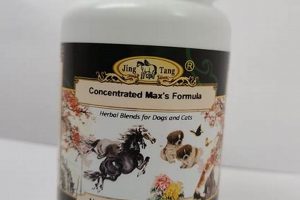
Products marketed to increase vitality and reduce fatigue, using ingredients derived from plants, are available in various forms, including capsules, tablets, powders, and liquids. These formulations often contain a blend of botanicals purported to enhance physical and mental performance. A common example is a capsule containing ginseng, guarana, and green tea extract, intended to provide a sustained boost in energy levels.
The appeal of plant-derived energizers stems from a perceived association with naturalness and holistic well-being. Historically, numerous cultures have utilized plants for their invigorating properties. Contemporary use is driven by the desire for increased productivity, improved athletic performance, and enhanced cognitive function. Potential advantages may include increased alertness, reduced perceived exertion during physical activity, and improved mood. However, it is crucial to recognize that the efficacy and safety profiles of these products can vary significantly, dependent on factors such as ingredient quality, dosage, and individual physiological responses.
The following sections will delve into the specific ingredients commonly found in these products, examine the scientific evidence supporting their purported effects, and address important considerations regarding potential risks and interactions. Regulatory oversight and the responsible use of these products will also be discussed.
Guidance on the Use of Plant-Based Vitality Enhancers
The following recommendations offer guidance for individuals considering the incorporation of plant-derived products designed to boost energy levels into their routines. These tips emphasize safety, informed decision-making, and responsible consumption.
Tip 1: Research Ingredients Thoroughly: Before initiating use, conduct comprehensive research on the specific botanical components included in the product. Understanding the purported mechanisms of action, potential side effects, and known interactions is crucial for informed decision-making. Consult reputable sources, such as scientific publications and evidence-based databases.
Tip 2: Consult with a Healthcare Professional: Prior to commencing use, particularly for individuals with pre-existing medical conditions, pregnant or breastfeeding women, and those taking prescription medications, seek advice from a qualified healthcare professional. A healthcare provider can assess potential risks and interactions based on individual health status.
Tip 3: Adhere to Recommended Dosages: Follow the manufacturer’s instructions regarding dosage and frequency of use. Exceeding recommended dosages may increase the risk of adverse effects. Start with a lower dose to assess individual tolerance before gradually increasing, if necessary.
Tip 4: Monitor for Adverse Reactions: Pay close attention to any changes in physical or mental well-being following the consumption of these products. Discontinue use immediately if any adverse reactions, such as palpitations, insomnia, anxiety, or gastrointestinal distress, occur.
Tip 5: Prioritize Quality and Source: Select products from reputable manufacturers that adhere to quality control standards and provide transparent information regarding ingredient sourcing and manufacturing processes. Look for certifications from independent testing organizations.
Tip 6: Be Mindful of Potential Interactions: Plant-derived substances can interact with prescription medications, over-the-counter drugs, and other supplements. Inform healthcare providers of all supplements being taken to avoid potentially harmful interactions.
Tip 7: Consider Cycling Use: Prolonged, continuous use may diminish effectiveness and increase the risk of dependence. Consider cycling use, such as taking breaks every few weeks, to maintain efficacy and minimize potential adverse effects.
Incorporating these plant-based options requires careful consideration and responsible usage. By following these guidelines, individuals can make informed decisions and minimize potential risks associated with these substances.
The subsequent sections will explore regulatory aspects and long-term considerations relevant to the responsible use of plant-derived energy products.
1. Plant Sources

The efficacy and safety of products marketed for increased energy, derived from plant matter, are inextricably linked to their botanical origins. The specific plant species employed, the geographical location where they are cultivated, and the methods used for harvesting and processing significantly influence the chemical composition and, consequently, the physiological effects of the final product. For example, ginseng supplements may contain Panax ginseng (Asian ginseng), Panax quinquefolius (American ginseng), or other related species. Each species possesses a unique profile of ginsenosides, the active compounds believed to be responsible for ginseng’s energizing properties. Therefore, the source of the ginseng directly impacts the product’s potential benefits and risks.
Contamination is another crucial consideration related to plant origins. Plants grown in polluted environments may accumulate heavy metals or pesticides, which can then be concentrated in the finished supplement. Similarly, misidentification of plant species can lead to the inclusion of inactive or even harmful botanicals. The rise in adulteration of energy-enhancing products with synthetic stimulants underscores the importance of transparent sourcing and rigorous testing protocols. A product claiming to contain guarana, a natural source of caffeine, might be adulterated with synthetic caffeine, presenting undisclosed risks to the consumer.
In conclusion, the botanical source is a primary determinant of the quality, safety, and efficacy of plant-derived energy products. Understanding the origin, cultivation practices, and processing methods employed is critical for making informed consumer choices. While such products may offer potential benefits, a cautious and discerning approach, prioritizing transparency and quality assurance, is essential to mitigate potential risks. Further investigation into sustainable and ethical sourcing practices within this industry is warranted to ensure both consumer safety and environmental responsibility.
2. Active Compounds

The purported energizing effects of plant-derived supplements are attributed to a variety of naturally occurring chemical compounds. These substances interact with physiological systems to influence energy metabolism, cognitive function, and perceived fatigue. Understanding the specific compounds and their mechanisms of action is crucial for evaluating the potential benefits and risks associated with these products.
- Caffeine and Methylxanthines
Caffeine, a methylxanthine found in guarana, coffee, and tea, acts as a central nervous system stimulant. It blocks adenosine receptors, reducing feelings of fatigue and promoting alertness. Examples include increased wakefulness after consuming caffeine-containing supplements and enhanced cognitive performance in tasks requiring sustained attention. However, excessive caffeine intake can lead to anxiety, insomnia, and cardiovascular issues.
- Ginsenosides
Ginsenosides, found in ginseng species, are steroidal saponins thought to influence energy levels by modulating the hypothalamic-pituitary-adrenal (HPA) axis and improving cellular energy production. Research suggests that ginsenosides may enhance physical endurance and reduce mental fatigue. However, the specific effects can vary depending on the type and concentration of ginsenosides present in the supplement.
- Adaptogens
Adaptogens, such as Rhodiola rosea and ashwagandha, are believed to help the body adapt to stress and maintain homeostasis. They may exert their effects by modulating the release of stress hormones and supporting immune function. Examples include reduced symptoms of burnout and improved resilience to stressful situations. However, further research is needed to fully elucidate the mechanisms of action and long-term effects of adaptogens.
- Polyphenols
Polyphenols, such as those found in green tea extract, possess antioxidant and anti-inflammatory properties. They may contribute to increased energy levels by protecting cells from oxidative damage and improving mitochondrial function. Studies suggest that polyphenols can enhance exercise performance and reduce muscle soreness. However, bioavailability and absorption rates can vary, affecting the overall effectiveness.
The interplay of these active compounds determines the overall effect of plant-derived energy products. While individual compounds may offer specific benefits, the synergistic or antagonistic interactions between them can influence the final outcome. The complexity of these interactions highlights the need for careful consideration of ingredient combinations and individual responses when using such supplements. Furthermore, the variability in active compound concentrations across different products underscores the importance of choosing reputable brands that provide transparent information about their formulations.
3. Efficacy Research
Efficacy research forms the cornerstone of understanding whether plant-derived products, marketed for increased vitality, deliver on their claims. The link between the consumption of these supplements and a demonstrable enhancement in energy levels or reduction in fatigue requires rigorous scientific investigation. Without such research, claims of efficacy remain speculative, and consumers are left to rely on anecdotal evidence or marketing assertions. Randomized, controlled trials, the gold standard in scientific research, are necessary to determine whether these products produce a statistically significant improvement compared to a placebo. Real-life examples highlight the importance of this: studies on Rhodiola rosea, an adaptogen, have yielded mixed results, with some trials showing improvements in fatigue symptoms while others report no significant effect. This variability underscores the need for well-designed studies with clearly defined outcomes to ascertain true efficacy.
The significance of efficacy research extends beyond simply validating marketing claims. It informs healthcare professionals, allowing them to provide evidence-based recommendations to patients. A clear understanding of which plant-derived products demonstrably enhance energy levels, and under what conditions, is crucial for integrating these supplements into a comprehensive approach to managing fatigue and improving overall well-being. Consider the example of guarana: while it contains caffeine, and caffeine’s energizing effects are well-documented, research must ascertain whether the form and delivery of caffeine within guarana offer any advantages or disadvantages compared to other caffeine sources. Furthermore, efficacy research must address the long-term effects of consuming these supplements, including potential tolerance, dependence, or adverse effects that may not be immediately apparent in short-term studies.
In conclusion, efficacy research is indispensable for establishing the credibility and practical value of plant-derived energy products. It allows for informed decision-making by consumers and healthcare providers, ensures responsible marketing practices, and promotes the safe and effective integration of these supplements into health management strategies. Challenges remain in standardizing research methodologies and accounting for the inherent variability in plant-based products, but continued investment in rigorous scientific investigation is essential for unlocking the full potential, and mitigating the risks, associated with these substances.
4. Dosage Control

Dosage control is paramount in the context of plant-derived energy products. The effectiveness and safety of these supplements are directly dependent on the quantity consumed. Suboptimal dosages may render the product ineffective, failing to produce the desired energizing effects. Conversely, excessive dosages can lead to adverse effects, ranging from mild discomfort to serious health complications. The active compounds within these botanicals, such as caffeine in guarana or ginsenosides in ginseng, exhibit dose-dependent responses. A small amount of ginseng might improve focus, but a large dose could cause insomnia or anxiety. Therefore, careful regulation of intake is essential for optimizing benefits and minimizing risks.
The variability in individual responses to plant-derived energy products further underscores the importance of dosage control. Factors such as body weight, metabolism, age, and pre-existing health conditions can influence how individuals react to these supplements. What constitutes an effective and safe dose for one person may be excessive or insufficient for another. For instance, individuals sensitive to stimulants may experience adverse effects even at relatively low doses of caffeine-containing products. Moreover, the interaction of these supplements with medications necessitates meticulous dosage management to avoid potential drug interactions. A real-world example is the interaction between ginseng and warfarin, an anticoagulant medication; ginseng can potentially reduce the effectiveness of warfarin, increasing the risk of blood clots if the dosage is not carefully managed under medical supervision.
In conclusion, dosage control is a critical component of the responsible use of plant-derived energizers. Recognizing the dose-dependent effects of active compounds, individual variability in responses, and potential interactions with medications is essential for maximizing benefits and minimizing risks. Consumers should adhere to recommended dosages, consult with healthcare professionals when necessary, and carefully monitor their responses to these supplements to ensure safe and effective utilization. The absence of stringent regulatory oversight in some regions emphasizes the responsibility of both manufacturers and consumers to prioritize dosage control and prioritize consumer safety.
5. Safety Profile

The safety profile of plant-derived energy supplements is a critical aspect of their overall evaluation and responsible consumption. This profile encompasses the range of potential adverse effects, contraindications, and interactions associated with these products. Understanding the safety profile is paramount, as it directly impacts the risk-benefit assessment for individuals considering their use. For instance, a supplement containing high levels of caffeine may present significant risks to individuals with pre-existing cardiovascular conditions, even if it effectively boosts energy levels. The composition and preparation methods also influence the safety profile. Improperly processed herbal ingredients may contain contaminants or toxins, leading to adverse reactions. The severity of these reactions can range from mild gastrointestinal discomfort to serious health complications, including liver damage or neurological effects. Real-life examples of supplements being recalled due to adulteration or contamination emphasize the importance of rigorous safety testing and transparent manufacturing practices.
Furthermore, the safety profile is intricately linked to dosage. Many plant-derived substances exhibit a dose-dependent toxicity, meaning that the risk of adverse effects increases with higher doses. Individual factors, such as age, weight, and underlying health conditions, can also influence the safety profile. For example, children and pregnant women are generally considered to be more vulnerable to the potential adverse effects of these supplements. The concurrent use of other medications or supplements can also alter the safety profile, potentially leading to harmful interactions. A practical application of this understanding involves healthcare professionals conducting thorough patient assessments to identify potential risk factors and provide personalized recommendations regarding the use of plant-derived energizers. This includes educating patients about potential adverse effects and instructing them to monitor for any unusual symptoms.
In conclusion, the safety profile is an indispensable component of plant-derived energy products. A comprehensive understanding of the potential risks, contraindications, and interactions is essential for informed decision-making and responsible consumption. Challenges remain in fully characterizing the safety profile of all plant-derived ingredients, given the complexity of their chemical composition and the variability in individual responses. However, prioritizing safety through rigorous testing, transparent labeling, and ongoing research is crucial for ensuring the well-being of consumers and promoting the responsible use of these supplements. A proactive approach, involving collaboration between manufacturers, regulators, and healthcare professionals, is necessary to continually refine the safety profile and mitigate potential risks associated with these products.
6. Regulatory Status
The regulatory status of plant-derived energy products directly influences consumer safety, product quality, and market access. The lack of uniform global standards creates a complex landscape where the level of oversight varies significantly between countries and regions. In some jurisdictions, these products are classified as dietary supplements and are subject to less stringent regulations compared to pharmaceuticals. This classification often means that manufacturers are not required to demonstrate efficacy or undergo rigorous pre-market approval processes. A consequence of this lighter regulatory touch is the potential for inconsistent ingredient quality, inaccurate labeling, and the presence of adulterants. For instance, a study revealed that a significant percentage of herbal supplements sold online contained ingredients not listed on the label or were contaminated with heavy metals or synthetic compounds. The absence of robust regulatory enforcement mechanisms exacerbates these issues, leaving consumers vulnerable to potentially harmful products. The causal relationship between regulatory oversight and product safety is evident: stronger regulations generally correlate with a higher level of consumer protection.
The practical significance of understanding the regulatory status lies in enabling informed consumer choices and promoting responsible manufacturing practices. Consumers should be aware of the regulatory framework in their jurisdiction and seek products from reputable manufacturers who adhere to quality control standards and provide transparent information about their sourcing and manufacturing processes. Healthcare professionals also need to be cognizant of the regulatory landscape to provide appropriate advice to patients considering the use of these supplements. Furthermore, the regulatory status impacts the availability of reliable scientific evidence regarding the efficacy and safety of these products. In regions with less stringent regulations, there may be a dearth of high-quality clinical trials to support marketing claims. In contrast, countries with stricter regulations may require manufacturers to provide scientific evidence to substantiate their claims, leading to a greater understanding of the true benefits and risks associated with these supplements. An example would be the difference in standards between the United States and Germany. Germany’s more rigorous regulations on herbal products often result in higher quality control and more substantiated claims compared to some products marketed in the US.
In conclusion, the regulatory status is a pivotal determinant of the quality and safety of plant-derived energy products. The absence of global harmonization presents challenges for both consumers and manufacturers. Addressing these challenges requires collaborative efforts between regulatory agencies, industry stakeholders, and consumer advocacy groups to establish evidence-based standards, enhance enforcement mechanisms, and promote transparency. Consumers must exercise caution and seek reliable information to make informed decisions. Ultimately, a robust and consistent regulatory framework is essential to safeguard public health and ensure the responsible use of these supplements.
7. Potential Interactions
The potential for interactions between plant-derived energy products and other substances, including prescription medications, over-the-counter drugs, and other supplements, constitutes a significant safety concern. These interactions can alter the efficacy or toxicity of either the supplement or the other substance, leading to unpredictable and potentially harmful outcomes. Understanding these potential interactions is crucial for healthcare professionals and consumers alike to ensure the safe and effective use of these products.
- Pharmacokinetic Interactions
Pharmacokinetic interactions occur when a plant-derived ingredient affects the absorption, distribution, metabolism, or excretion of another drug. For instance, St. John’s Wort, while not typically marketed as an energy supplement, can induce the CYP3A4 enzyme, which is responsible for metabolizing numerous medications. Consequently, St. John’s Wort can reduce the blood levels and effectiveness of these medications. A real-world example is the reduced efficacy of oral contraceptives in women taking St. John’s Wort. The implications of such interactions can be severe, potentially leading to therapeutic failure or adverse drug reactions.
- Pharmacodynamic Interactions
Pharmacodynamic interactions involve synergistic or antagonistic effects between a plant-derived ingredient and another substance at the target site of action. For example, combining caffeine-containing supplements with stimulant medications can lead to excessive stimulation of the central nervous system, resulting in anxiety, insomnia, and cardiovascular complications. Conversely, a plant-derived ingredient with sedative properties may counteract the effects of stimulant medications, reducing their effectiveness. Healthcare professionals should be vigilant in assessing potential pharmacodynamic interactions when patients are taking both plant-derived energy products and prescription medications.
- Interactions with Cardiovascular Medications
Plant-derived ingredients can interact with cardiovascular medications, affecting blood pressure, heart rate, and blood clotting. For example, ginseng has been shown to potentially interfere with the effectiveness of warfarin, an anticoagulant medication, increasing the risk of blood clots. Similarly, caffeine-containing supplements can exacerbate hypertension in individuals taking antihypertensive medications. Patients with cardiovascular conditions should exercise caution and consult with their healthcare providers before using plant-derived energy products to avoid potentially dangerous interactions.
- Interactions with Psychiatric Medications
Plant-derived ingredients can also interact with psychiatric medications, affecting mood, anxiety, and cognitive function. For example, combining certain herbal ingredients with selective serotonin reuptake inhibitors (SSRIs) can increase the risk of serotonin syndrome, a potentially life-threatening condition characterized by agitation, confusion, and autonomic instability. Conversely, some plant-derived ingredients may counteract the effects of anxiolytic or antidepressant medications, reducing their effectiveness. Close monitoring and careful dose adjustments are essential when patients are taking both plant-derived energy products and psychiatric medications.
The potential for interactions underscores the importance of a comprehensive approach to the use of plant-derived energy products. Healthcare providers should inquire about all supplements and medications a patient is taking to assess potential risks and provide informed recommendations. Consumers should also exercise caution and consult with their healthcare providers or pharmacists before combining these products with other substances. Transparent labeling and rigorous quality control measures are essential to minimize the risk of interactions and ensure the safe use of plant-derived energy products.
Frequently Asked Questions
The following section addresses common queries concerning the use of plant-derived products marketed for enhanced energy and reduced fatigue. The information provided is intended to offer clarity and promote informed decision-making regarding these supplements.
Question 1: Are plant-derived products marketed for enhanced energy inherently safe?
The designation of “natural” does not automatically equate to safety. Plant-derived substances can possess potent pharmacological effects and may interact with physiological systems in complex ways. The safety profile depends on factors such as the specific plant species, dosage, individual health status, and potential interactions with other medications or supplements. Consultation with a qualified healthcare professional is recommended prior to use, particularly for individuals with pre-existing medical conditions or those taking prescription medications.
Question 2: How can the effectiveness of products marketed for enhanced energy be determined?
The efficacy of these products varies depending on the specific ingredients and individual responses. Consumers should seek products that have undergone rigorous scientific testing to support their claims. Randomized, placebo-controlled trials are considered the gold standard for evaluating efficacy. Anecdotal evidence or testimonials should not be the sole basis for determining effectiveness. Reputable manufacturers typically provide information regarding clinical studies or scientific evidence supporting their products.
Question 3: What are the potential side effects associated with plant-derived energizers?
Potential side effects vary depending on the specific ingredients. Common side effects may include gastrointestinal distress, insomnia, anxiety, and increased heart rate. More serious adverse effects, such as liver damage or cardiovascular complications, are possible, particularly with excessive dosages or interactions with other substances. It is crucial to monitor for any changes in physical or mental well-being following the consumption of these products and to discontinue use immediately if any adverse reactions occur.
Question 4: Are plant-derived substances regulated in the same way as prescription medications?
In many jurisdictions, plant-derived supplements are regulated as dietary supplements, which are subject to less stringent regulations compared to prescription medications. This typically means that manufacturers are not required to demonstrate efficacy or undergo rigorous pre-market approval processes. As a result, there may be inconsistencies in product quality, labeling accuracy, and ingredient purity. Consumers should be aware of the regulatory framework in their region and seek products from reputable manufacturers who adhere to quality control standards.
Question 5: Can plant-derived supplements interact with prescription medications?
Yes, significant interactions are possible. Plant-derived substances can affect the absorption, distribution, metabolism, or excretion of medications, potentially altering their effectiveness or increasing the risk of adverse effects. Examples include interactions between ginseng and warfarin, St. John’s Wort and oral contraceptives, and caffeine-containing supplements and cardiovascular medications. It is essential to inform healthcare providers of all supplements being taken to avoid potentially harmful interactions.
Question 6: What is the recommended approach to selecting and using plant-derived energy products safely?
The responsible use of these supplements involves several key steps: conducting thorough research on ingredients, consulting with a healthcare professional, adhering to recommended dosages, monitoring for adverse reactions, prioritizing quality and sourcing, being mindful of potential interactions, and considering cycling use. Transparency, scientific backing, and a cautious approach are paramount. Consumers are advised to seek guidance from healthcare professionals to ensure personalized and informed decision-making.
The responsible use of these supplements requires informed decision-making, adherence to safety guidelines, and awareness of potential risks. Consult with a healthcare professional for personalized advice and to ensure the safe and effective use of these products.
The next section will delve into specific considerations for long-term use and potential dependence on plant-derived energy supplements.
Concluding Remarks on Plant-Derived Energy Augmentation
This exploration has underscored the complexities inherent in the utilization of plant-derived substances intended to elevate energy levels. Key considerations have included the importance of rigorous efficacy research, the potential for both beneficial and adverse effects stemming from active compounds, and the critical need for responsible dosage control. The variable regulatory landscape and the potential for interactions with other medications necessitate a cautious approach. It is clear that the simplistic notion of “natural” equating to “safe and effective” is fundamentally flawed when applied to these products.
Ultimately, the responsibility for informed consumption rests with the individual. A diligent investigation into the scientific evidence, coupled with professional medical guidance, is essential. While the allure of enhanced vitality is understandable, it must be tempered by a rational assessment of potential risks and a commitment to safeguarding personal health. Continued research and robust regulatory oversight remain crucial to ensuring the safety and efficacy of these substances in the future.