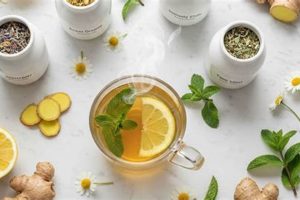
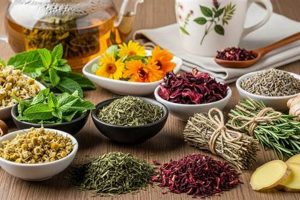
A beverage crafted from various herbs and spices, intended to support the body’s natural processes. These infusions often include ingredients known for their carminative, anti-inflammatory, and antispasmodic properties. Common examples incorporate peppermint, ginger, chamomile, and fennel seeds.
Consumption of such preparations has been practiced for centuries across diverse cultures, aiming to alleviate discomfort, bloating, and irregularities. The potential benefits range from easing occasional indigestion to promoting a more balanced gut environment. Historically, these concoctions were a primary means of addressing gastrointestinal complaints before modern pharmaceuticals.
Further examination will explore the specific herbs frequently utilized in these formulations, delve into the scientific evidence supporting their efficacy, and provide guidelines for safe and effective preparation and consumption. Understanding the nuances of these natural remedies empowers informed choices regarding their integration into a wellness routine.
Tips for Optimizing the Use of Digestive Herbal Tea
Employing herbal infusions requires an informed approach to maximize their potential benefits and minimize potential adverse effects. The following guidelines offer practical advice for incorporating these preparations into a wellness regimen.
Tip 1: Select Appropriate Herbs: Different herbs possess distinct properties. Choose ingredients specifically known for addressing the particular digestive issue. Peppermint and ginger, for instance, are beneficial for nausea, while chamomile is often used for calming the gastrointestinal tract.
Tip 2: Understand Dosage and Frequency: Overconsumption can lead to unintended consequences. Adhere to recommended serving sizes and avoid excessive daily intake. Start with smaller quantities to assess individual tolerance and sensitivity.
Tip 3: Consider Timing: Timing can influence effectiveness. Drinking the infusion approximately 30 minutes before meals may prepare the digestive system. Consumption after meals can aid in the breakdown of food and alleviate post-meal discomfort.
Tip 4: Prioritize Quality Ingredients: Opt for high-quality, organic herbs from reputable sources. Avoid products containing artificial additives, fillers, or preservatives. Freshly prepared infusions from whole herbs generally offer superior potency.
Tip 5: Be Aware of Potential Interactions: Certain herbs can interact with medications. Consult with a healthcare professional before incorporating herbal infusions, particularly when taking prescription drugs or managing chronic conditions.
Tip 6: Preparation Matters: Proper brewing techniques are essential for extracting the beneficial compounds. Use filtered water and steep the herbs according to the recommended time to optimize flavor and potency. Avoid boiling, which can degrade delicate constituents.
Tip 7: Monitor for Adverse Reactions: Discontinue use and consult a healthcare provider if any adverse reactions occur, such as allergic responses, skin rashes, or gastrointestinal distress. Individual sensitivities vary.
Implementing these strategies allows for a more responsible and effective integration of herbal infusions into a holistic approach to digestive well-being.
The subsequent sections will delve deeper into specific herbal blends and their applications, offering a comprehensive understanding of their potential roles in supporting gastrointestinal health.
1. Herb Composition

The composition of herbs within an infusion intended to aid digestion directly influences its efficacy and suitability for various digestive needs. Specific herbs contribute distinct properties, dictating the preparation’s targeted action within the gastrointestinal system.
- Carminative Herbs
Carminative herbs are frequently incorporated to reduce gas production and alleviate bloating. These herbs, such as fennel seed, anise, and caraway, contain volatile oils that relax the smooth muscles of the digestive tract, facilitating the expulsion of gas. Their inclusion can be particularly beneficial for individuals experiencing discomfort related to intestinal gas.
- Antispasmodic Herbs
Antispasmodic herbs, including peppermint and chamomile, help to soothe intestinal spasms and relieve cramping. These herbs contain compounds that relax the muscles of the digestive tract, reducing the severity and frequency of spasms. They are often used to address symptoms associated with irritable bowel syndrome (IBS) or other conditions characterized by abdominal pain.
- Anti-inflammatory Herbs
Inflammation within the digestive system can contribute to a range of symptoms, including abdominal pain, bloating, and diarrhea. Anti-inflammatory herbs, such as ginger and turmeric, can help to reduce inflammation and promote healing. These herbs contain bioactive compounds that inhibit inflammatory pathways and protect the lining of the gastrointestinal tract.
- Bitters
Bitter herbs stimulate digestive secretions, including saliva, stomach acid, and bile, which are essential for proper digestion. Herbs like gentian and dandelion root can enhance digestive function by promoting the breakdown of food and nutrient absorption. The inclusion of bitters can be particularly helpful for individuals with low stomach acid or sluggish digestion.
The careful selection and combination of these herbal categories within a digestive preparation allow for targeted support of various aspects of digestive function. Understanding the properties of individual herbs enables informed choices to address specific digestive concerns. Consider that efficacy also depends on concentration, preparation methods, and individual physiology.
2. Preparation Method

The procedure by which herbal ingredients are transformed into a consumable beverage significantly influences the final product’s potency and therapeutic effectiveness. Optimal extraction of bioactive compounds hinges on meticulous adherence to established techniques.
- Water Temperature
Water temperature directly affects the extraction of various constituents. Excessive heat can degrade volatile oils and delicate compounds, reducing the overall therapeutic value. Conversely, insufficient heat may result in incomplete extraction, leaving beneficial components untapped. Precise temperature control, typically ranging from 200-212F (93-100C) for most herbal infusions, is crucial.
- Steeping Time
The duration of steeping determines the concentration of extracted compounds. Prolonged steeping can release undesirable bitter compounds, while insufficient steeping may yield a weak and ineffective infusion. Recommended steeping times vary based on the specific herbs used, typically ranging from 5 to 15 minutes. Monitoring the infusion’s color and aroma can provide cues for optimal steeping.
- Herb Quantity and Quality
The ratio of herb to water impacts the final concentration of active compounds. Using an inadequate amount of herb will result in a weak infusion, while excessive herb may lead to an overpowering or potentially harmful concentration. Employing high-quality, properly dried herbs ensures a greater concentration of desirable constituents. Organic sources are preferable to minimize exposure to pesticides and other contaminants.
- Filtration and Storage
Proper filtration removes particulate matter, enhancing the beverage’s palatability and preventing further extraction of undesirable compounds. Filtration should occur promptly after steeping. Storing the prepared infusion in an airtight container, away from direct sunlight and heat, preserves its potency. Prepared infusions are best consumed within 24 hours to maintain optimal freshness and therapeutic activity.
Adhering to these methodological considerations during the preparation of botanical beverages maximizes the therapeutic benefits. Deviations from established protocols can compromise the final product’s effectiveness, potentially diminishing its value as a digestive aid. The method directly correlates to the final infusions medicinal value.
3. Timing of Consumption
The timing of herbal infusion consumption relative to meals significantly influences its impact on digestive processes. Strategic timing can optimize the intended effects of the preparation, either proactively preparing the digestive system or reactively addressing post-prandial discomfort.
- Pre-Meal Consumption
Consuming a suitable formulation approximately 15-30 minutes prior to a meal primes the digestive system. Bitter herbs, in particular, stimulate gastric acid secretion, enhancing the breakdown of food and nutrient absorption. This proactive approach can be beneficial for individuals with low stomach acid or sluggish digestion, potentially improving overall digestive efficiency.
- During-Meal Consumption
Sipping a mild formulation during a meal may aid in the digestive process, particularly with larger or heavier meals. The warm liquid can facilitate the movement of food through the digestive tract, while certain herbs, such as ginger, can assist in reducing bloating and nausea that may arise during consumption. This approach necessitates careful herb selection, avoiding potent bitters that could disrupt the natural digestive rhythm.
- Post-Meal Consumption
Consumption after a meal addresses post-prandial discomfort, such as bloating, gas, and indigestion. Carminative herbs, like peppermint and fennel, are frequently employed to alleviate these symptoms. This reactive approach can be particularly beneficial for individuals prone to indigestion or those consuming meals known to trigger digestive upset. However, excessive consumption immediately after a large meal may dilute gastric juices, potentially hindering digestion.
- Before Bed Consumption
Consuming a calming formulation, such as chamomile, before sleep can promote relaxation and reduce nocturnal digestive disturbances. This approach can be beneficial for individuals experiencing stress-related digestive issues or those prone to nighttime heartburn. The calming properties of certain herbs can also improve sleep quality, which is indirectly linked to improved digestive health.
Optimal timing is contingent upon individual digestive needs and the specific herbal blend employed. Experimentation and careful observation of bodily responses are essential to determine the most effective strategy. The relationship between timing and efficacy underscores the importance of a nuanced approach to herbal therapy, ensuring that the preparation complements, rather than disrupts, natural digestive processes. As a general rule, smaller and lighter dosages with more frequent consumption as compared to a heavier dosage all at once.
4. Potential Benefits
The consumption of carefully formulated botanical infusions is associated with a range of potential advantages related to gastrointestinal health. These benefits stem from the inherent properties of specific herbs known to influence digestive processes. Rigorous scientific validation of these benefits requires further research, but traditional use and preliminary studies suggest positive correlations.
- Alleviation of Gastrointestinal Discomfort
Certain herbal constituents exert carminative and antispasmodic effects, reducing bloating, gas, and abdominal cramping. For example, peppermint, a common ingredient, relaxes the smooth muscles of the digestive tract, facilitating the expulsion of gas. Individuals experiencing functional dyspepsia may find relief through regular consumption.
- Improved Digestion and Nutrient Absorption
Bitter herbs stimulate the production of digestive enzymes and gastric acid, enhancing the breakdown of food and improving nutrient absorption. Gentian root, for instance, is known to promote the secretion of digestive juices, optimizing the digestive process. This can be particularly beneficial for individuals with hypochlorhydria or age-related digestive decline.
- Reduction of Inflammation
Chronic inflammation within the digestive tract can contribute to various gastrointestinal disorders. Certain herbs, such as ginger and turmeric, possess anti-inflammatory properties, reducing inflammation and promoting gut health. These herbs contain bioactive compounds that inhibit inflammatory pathways, potentially mitigating symptoms associated with conditions like inflammatory bowel disease.
- Promotion of Gut Microbiome Balance
Emerging research suggests that certain herbal compounds may influence the composition and function of the gut microbiome. Prebiotic compounds found in some herbs can promote the growth of beneficial bacteria, while antimicrobial properties may help to control pathogenic organisms. A balanced gut microbiome is essential for optimal digestive function and overall health.
These potential benefits underscore the value of considering botanical infusions as a complementary approach to digestive health. While not a replacement for conventional medical treatments, the strategic incorporation of appropriate herbal preparations may offer relief from common gastrointestinal complaints and promote overall well-being. However, individual responses may vary, and consultation with a healthcare professional is recommended before initiating any new herbal regimen. Always consider herb-drug interactions when thinking about taking digestive herbal tea along with prescription medicines.
5. Safety Considerations

The implementation of herbal preparations requires careful consideration of potential risks and contraindications. The consumption of digestive herbal tea, while often perceived as a gentle remedy, necessitates a thorough understanding of potential adverse effects and interactions to ensure safe and effective utilization.
- Herb-Drug Interactions
Certain herbal constituents can interact with prescription medications, altering their absorption, metabolism, or excretion. For instance, St. John’s Wort, while not a typical ingredient in digestive blends, can interfere with the metabolism of various drugs, including antidepressants and anticoagulants. Individuals taking prescription medications must consult with a healthcare professional to assess potential interactions before consuming any herbal preparation. The combination of warfarin and ginger, for instance, could exacerbate bleeding risks.
- Allergic Reactions
Individuals with allergies to specific plants or plant families may experience allergic reactions to herbal infusions. For example, individuals with ragweed allergies may also be sensitive to chamomile. Allergic reactions can manifest as skin rashes, hives, itching, or, in severe cases, anaphylaxis. It is imperative to carefully review the ingredient list and discontinue use if any allergic symptoms arise. Starting with a small amount of the infusion can help gauge individual sensitivity.
- Pregnancy and Breastfeeding
The safety of many herbs during pregnancy and breastfeeding has not been definitively established. Some herbs, such as senna, are known to have strong laxative effects and should be avoided during pregnancy. Other herbs may possess hormonal properties that could interfere with fetal development or lactation. Pregnant or breastfeeding women should consult with a qualified healthcare provider before consuming any herbal tea, including those marketed for digestive support.
- Pre-existing Medical Conditions
Individuals with pre-existing medical conditions, such as liver disease, kidney disease, or bleeding disorders, may be at increased risk of adverse effects from certain herbs. For example, licorice root, often used to soothe the digestive tract, can elevate blood pressure and should be avoided by individuals with hypertension. Individuals with underlying health conditions should seek medical advice before incorporating herbal preparations into their regimen.
These safety considerations underscore the importance of responsible herbal use. While digestive herbal tea can offer potential benefits, a comprehensive assessment of individual health status and potential risks is essential to ensure safe and effective implementation. Due diligence and professional guidance are crucial to mitigate potential adverse effects and maximize the therapeutic value of herbal interventions. Always start with low doses and discontinue immediately if there is a reaction.
Frequently Asked Questions
This section addresses common inquiries regarding formulations intended to support digestive health, providing clarity on usage, potential benefits, and safety considerations.
Question 1: What constitutes a digestive herbal tea?
This beverage is an infusion crafted from various herbs, spices, and botanicals traditionally used to promote healthy digestive function. Common ingredients include peppermint, ginger, chamomile, fennel, and licorice root. The specific combination of herbs dictates the intended effects, such as reducing bloating, easing indigestion, or calming the gastrointestinal tract.
Question 2: How does it function to improve digestion?
The mechanisms of action vary based on the herbal composition. Certain herbs, like peppermint and ginger, possess antispasmodic properties, relaxing the smooth muscles of the digestive tract and reducing cramping. Other herbs, such as fennel and anise, exhibit carminative effects, minimizing gas production and alleviating bloating. Bitter herbs, like gentian, stimulate digestive secretions, enhancing the breakdown of food and nutrient absorption.
Question 3: When is the optimal time to consume these infusions?
The timing of consumption depends on the desired effect. Drinking the infusion approximately 15-30 minutes before meals can prime the digestive system. Consumption after meals can aid in the digestion of food and alleviate post-prandial discomfort. The specific timing is contingent upon individual digestive patterns and the composition of the herbal blend.
Question 4: Are there potential side effects associated with consumption?
Side effects are generally mild but can occur in sensitive individuals. Common side effects include allergic reactions, gastrointestinal upset, or herb-drug interactions. Certain herbs, like licorice root, can elevate blood pressure. Individuals with pre-existing medical conditions or those taking prescription medications should consult with a healthcare professional before consuming digestive herbal tea.
Question 5: Is it safe for pregnant or breastfeeding women?
The safety of many herbs during pregnancy and breastfeeding remains uncertain. Some herbs, such as senna, should be avoided due to their strong laxative effects. Pregnant or breastfeeding women should seek medical advice before consuming any herbal preparation, including those marketed for digestive support. A healthcare provider can offer personalized guidance based on individual circumstances.
Question 6: Where can one purchase high-quality digestive herbal tea?
High-quality formulations can be sourced from reputable herbal retailers, health food stores, and online vendors specializing in botanical products. Prioritize products containing organic herbs from trusted suppliers. Scrutinize ingredient lists to ensure transparency and avoid products containing artificial additives or fillers. Researching the supplier’s reputation and quality control measures can help ensure product authenticity and safety.
Digestive herbal tea is a complex topic. These are all generalities and there are many differences in individual needs.
The following sections will further explore specific herbal blends, delving into their unique applications and providing guidance for personalized selection based on individual digestive needs.
Digestive Herbal Tea
This exploration has presented a comprehensive overview of preparations intended to support digestive well-being. From understanding the nuances of herbal composition and preparation methods to considering timing and potential benefits, the complexities inherent in utilizing these infusions have been detailed. Emphasis has been placed on safety considerations, including herb-drug interactions and potential risks for specific populations. The information underscores that thoughtful and informed use is paramount when integrating these formulations into a health regimen.
The future of digestive health may well incorporate elements of traditional herbalism alongside conventional medical approaches. However, continuous research is vital to validate the efficacy and safety of various herbal interventions. Individuals are encouraged to engage in proactive discussions with healthcare providers to determine the suitability of digestive support within their personal health strategies. A balanced and evidence-based approach remains crucial for optimizing gastrointestinal wellness.