Natural substances derived from plants, traditionally employed to alleviate stress and promote relaxation, encompass a range of preparations. These solutions, utilizing botanical extracts, offer a pathway to reduce anxiety and foster a sense of tranquility. An example includes the use of chamomile tea before bedtime to induce a more restful sleep.
The significance of these natural solutions resides in their potential to provide gentle support for mental and emotional well-being. Throughout history, various cultures have recognized the therapeutic attributes of plants, utilizing them to manage daily pressures and promote a balanced state of mind. The advantages lie in their comparatively mild side effects and holistic approach, often working in harmony with the body’s natural processes.
The following sections will explore specific botanical options frequently used for their relaxing effects, examining their mechanisms of action and evidence-based applications. Furthermore, safety considerations and potential interactions will be addressed to ensure responsible and informed usage.
Guidance on Selecting and Utilizing Botanical Calmatives
The following guidance offers practical information on choosing and safely incorporating botanical options to promote a sense of calm. Individuals should consult with qualified healthcare professionals prior to implementing any new regimen.
Tip 1: Prioritize Third-Party Testing. Ensure any chosen product undergoes rigorous third-party testing for purity, potency, and the absence of contaminants. This verification helps guarantee the quality and safety of the botanical supplement.
Tip 2: Begin with a Low Dosage. Initiate usage with a minimal dosage to assess individual tolerance and response. Gradually increase the amount, if necessary, while carefully monitoring for any adverse effects.
Tip 3: Research Potential Interactions. Thoroughly investigate possible interactions with existing medications or medical conditions. Certain botanicals can potentiate or inhibit the effects of prescribed pharmaceuticals.
Tip 4: Consider Individual Sensitivities. Be mindful of potential allergic reactions or sensitivities to specific plants. Discontinue use immediately if any adverse symptoms arise, such as skin rashes or difficulty breathing.
Tip 5: Opt for Reputable Brands. Select botanical supplements from established and reputable manufacturers with a proven track record of quality control and ethical sourcing practices.
Tip 6: Understand Bioavailability. Research the bioavailability of different delivery methods (e.g., teas, capsules, tinctures). Certain formulations may offer superior absorption and efficacy.
Tip 7: Be Mindful of Long-Term Use. While generally considered safe, extended use of certain botanical calmatives may have unintended consequences. Consult with a healthcare professional regarding the suitability of long-term usage.
Careful consideration of these guidelines can contribute to the safe and effective integration of botanical solutions for promoting a sense of calm. Prioritizing informed decision-making and consulting with healthcare professionals remains paramount.
The subsequent section will address specific botanical examples, providing detailed information on their respective applications and potential benefits.
1. Effectiveness

The efficacy of botanical interventions intended to mitigate stress and induce a state of calm is a crucial consideration in their application. Effectiveness, in this context, refers to the capacity of a given botanical substance, administered in a specific form and dosage, to demonstrably reduce anxiety, promote relaxation, or improve sleep quality. A lack of demonstrable effectiveness renders such treatments functionally inert. For instance, while lavender is frequently cited for its soothing properties, its effectiveness depends on factors such as the concentration of active compounds, the method of delivery (e.g., aromatherapy vs. oral consumption), and individual physiological responses. If a lavender-infused product contains insufficient quantities of linalool and linalyl acetate (key active constituents), its impact on reducing anxiety may be negligible.
Evaluating the effectiveness of botanical solutions requires rigorous investigation, ideally through randomized, placebo-controlled clinical trials. Such studies can help determine whether observed benefits are directly attributable to the botanical substance or result from other factors, such as the placebo effect. The German Commission E, for example, has supported the use of valerian root for sleep disturbances, based on available clinical evidence suggesting its effectiveness in reducing sleep latency and improving sleep quality. However, it is essential to acknowledge that study results may vary depending on methodology, participant demographics, and other confounding variables. Furthermore, individual responses to botanical interventions can be highly variable, with some individuals experiencing significant benefits while others report minimal or no effects. This variability underscores the importance of personalized approaches and careful monitoring of individual responses.
In summary, the effectiveness of botanical approaches designed to foster tranquility is a multi-faceted concept encompassing the inherent properties of the plant substance, the method of administration, and the individual’s physiological and psychological characteristics. A comprehensive understanding of these factors is essential for making informed decisions regarding the selection and application of these remedies. Challenges remain in standardizing botanical preparations and conducting sufficiently powered clinical trials to definitively establish their effectiveness. Nevertheless, ongoing research continues to refine our understanding of the potential benefits and limitations of botanical approaches for promoting mental well-being.
2. Safety Profile
The safety profile of botanical agents intended for relaxation is a paramount consideration, directly influencing their responsible utilization. A comprehensive safety evaluation necessitates an understanding of potential adverse effects, contraindications, and interactions with other substances. The effect of ignoring the safety profile can range from mild discomfort to severe, life-threatening complications. For instance, St. John’s Wort, often employed for mood enhancement, can interact negatively with numerous prescription medications, including antidepressants, blood thinners, and birth control pills, potentially diminishing their efficacy or increasing the risk of side effects. The importance of the safety profile lies in its ability to guide informed decision-making, minimizing potential harm and maximizing therapeutic benefits.
The assessment of a botanical remedy’s safety profile typically involves considering factors such as dosage, duration of use, and individual patient characteristics. For example, while chamomile is generally regarded as safe for most individuals, high doses may induce nausea or vomiting in sensitive individuals. Similarly, individuals with allergies to plants in the Asteraceae family (e.g., ragweed, chrysanthemums) may experience allergic reactions to chamomile. Furthermore, the safety profile may vary depending on the method of preparation. Concentrated extracts may have different effects compared to teas prepared from dried herbs. Therefore, it is essential to consult with a qualified healthcare professional, such as a medical herbalist or physician familiar with botanical medicine, to assess individual risks and benefits before initiating any treatment.
In conclusion, a thorough understanding of the safety profile is indispensable for the judicious application of botanical relaxants. Failure to consider potential adverse effects and interactions can undermine the therapeutic potential of these remedies and pose significant risks to patient health. Prioritizing safety through informed decision-making and professional guidance is crucial for ensuring responsible and effective utilization of these natural substances.
3. Traditional Use

The historical employment of botanical substances to alleviate distress and foster tranquility, termed traditional use, provides a valuable lens through which to understand contemporary applications. Knowledge passed down through generations, often predating modern scientific validation, offers insights into efficacy, safety, and culturally appropriate applications of these remedies.
- Empirical Observation
Traditional applications are rooted in centuries of direct observation. Practitioners noted the effects of particular plants on emotional states, documented methods of preparation, and refined dosages based on observed outcomes. Chamomile, for example, has been used in various cultures for centuries as a gentle sedative, based on empirical observation of its calming effects. This cumulative experience forms a foundation for modern research, providing initial leads and hypotheses for scientific investigation.
- Cultural Context
The use of botanical relaxants is deeply embedded in cultural practices and beliefs. Certain plants may be associated with specific rituals or ceremonies, enhancing their perceived efficacy. For instance, kava, a traditional beverage in the South Pacific, is used in ceremonies to promote relaxation and social bonding. Understanding this cultural context is crucial for appreciating the nuanced applications and symbolic meanings associated with these remedies.
- Preparation Methods
Traditional knowledge encompasses specific methods of preparing botanical substances to maximize their therapeutic potential. These methods, such as decoction, infusion, and maceration, involve extracting active compounds from the plant material using different solvents and techniques. The traditional preparation of valerian root, for example, often involves macerating the root in alcohol to extract its sedative constituents. Understanding these traditional preparation methods can inform modern formulation strategies and ensure the optimal delivery of active compounds.
- Limitations of Traditional Knowledge
While valuable, traditional knowledge also has limitations. Lack of standardized dosages, absence of controlled clinical trials, and potential misidentification of plants can pose challenges. Furthermore, traditional practices may not always align with modern scientific understanding of safety and efficacy. Therefore, it is crucial to critically evaluate traditional uses in light of contemporary evidence, integrating traditional wisdom with modern scientific rigor.
In conclusion, traditional use offers a rich source of information about botanical solutions for calming the mind and reducing stress. Integrating traditional knowledge with modern scientific inquiry can provide a more holistic understanding of these remedies, optimizing their benefits while minimizing potential risks. This integrated approach can pave the way for more culturally sensitive and evidence-based applications of botanical approaches to mental well-being.
4. Preparation Methods
The processes employed to prepare botanical substances significantly influence the efficacy and safety profile of those substances when utilized as calming remedies. The chosen method directly impacts the extraction of active compounds, their concentration, and their subsequent bioavailability. Inadequate or inappropriate preparation can render a potentially therapeutic plant ineffective or, in some cases, create harmful byproducts.
- Extraction Efficiency
Different methods of extraction, such as infusion, decoction, maceration, and distillation, exhibit varying degrees of efficiency in extracting specific active compounds. For instance, lipophilic compounds found in some calming botanicals may be more efficiently extracted using alcohol-based tinctures compared to water-based infusions. The choice of extraction method must be aligned with the chemical properties of the desired active compounds to maximize their concentration in the final product. Using the incorrect extraction method can lead to a product that lacks the intended therapeutic properties.
- Chemical Alteration
Certain preparation methods can alter the chemical structure of active compounds, potentially affecting their therapeutic activity or creating new compounds with different properties. For example, prolonged boiling during decoction can degrade heat-sensitive compounds or lead to the formation of undesirable byproducts. Understanding the thermal stability of active compounds is crucial for selecting preparation methods that preserve their integrity and minimize the formation of potentially harmful substances. Overheated methods are damaging.
- Solvent Selection
The choice of solvent, such as water, alcohol, oil, or vinegar, influences the types of compounds extracted from the plant material. Water-based preparations are suitable for extracting water-soluble compounds, while alcohol-based preparations are more effective for extracting resins and oils. The selection of an appropriate solvent is essential for ensuring the extraction of a broad spectrum of therapeutic compounds. Incorrect solvent means no extraction.
- Dosage Control
Standardized preparation methods are necessary to ensure consistent dosage and predictable therapeutic effects. Variations in preparation techniques, such as steeping time or herb-to-water ratios, can significantly impact the concentration of active compounds in the final product. Implementing standardized protocols and quality control measures is crucial for producing botanical remedies with consistent potency and reliable effects. Uncontrolled dosage leads to inconsistency.
The effectiveness and safety of botanical calmative agents are inextricably linked to the preparation techniques employed. Understanding the nuances of extraction efficiency, chemical alteration, solvent selection, and dosage control is essential for producing high-quality remedies with predictable therapeutic effects. The careful selection and implementation of appropriate preparation methods are paramount for maximizing the benefits and minimizing the risks associated with these natural substances.
5. Specific Herbs

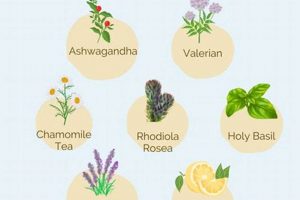
The efficacy of a “calming herbal remedy” is directly contingent upon the selection and utilization of specific herbs known for their anxiolytic or sedative properties. The inherent chemical constituents within these plants interact with the human nervous system, producing measurable physiological effects. The absence of appropriate herbs negates the possibility of achieving the desired calming effect. For instance, chamomile ( Matricaria chamomilla ) contains apigenin, a compound that binds to GABA receptors in the brain, promoting relaxation. Conversely, consuming an herb devoid of such constituents would not yield the same result.
Understanding the pharmacological actions of individual herbs is crucial for formulating effective remedies. Valerian ( Valeriana officinalis), for example, increases GABA levels in the synapse, inducing sedation, while lavender ( Lavandula angustifolia) primarily exerts its calming effect through olfactory pathways, reducing anxiety via the limbic system. These differences highlight the importance of selecting herbs based on the desired therapeutic outcome and the specific mechanisms involved. The practical application lies in personalized herbal blends, addressing individual anxiety profiles with tailored solutions.
Ultimately, the strategic incorporation of specific herbs constitutes the foundation of a “calming herbal remedy.” The understanding of each herb’s unique properties, combined with precise preparation methods, enables the creation of targeted formulations. Challenges remain in standardization and ensuring consistent potency, but ongoing research continues to elucidate the complexities of herbal pharmacology, furthering the safe and effective application of these natural interventions for promoting mental well-being.
6. Potential Interactions

The possibility of adverse reactions stemming from concurrent use of botanical relaxants and conventional pharmaceuticals or other herbal supplements constitutes a critical safety consideration. Overlooking these interactions can compromise the efficacy of prescribed medications or result in unforeseen and potentially hazardous side effects. Understanding the intricacies of these interactions is, therefore, paramount to ensuring patient safety.
- Herb-Drug Interactions
The most significant concern involves interactions between botanical remedies and prescription medications. Certain herbs can either enhance or inhibit the activity of specific drugs, leading to altered therapeutic effects. For example, St. John’s Wort, frequently employed for mood elevation, can interfere with the metabolism of numerous drugs, including antidepressants, oral contraceptives, and anticoagulants, potentially rendering them ineffective or increasing the risk of adverse reactions. Similarly, valerian root may potentiate the sedative effects of benzodiazepines, increasing the risk of excessive drowsiness or respiratory depression.
- Herb-Herb Interactions
Combining multiple herbal supplements simultaneously can also lead to unintended interactions. While individual herbs may be considered safe when used in isolation, their combined effects can be unpredictable. Certain combinations may exert synergistic effects, leading to excessive activity of a particular system, while others may antagonize each other, diminishing their therapeutic benefits. For instance, combining multiple sedative herbs, such as chamomile, lavender, and valerian, may result in over-sedation or impaired cognitive function. It’s important to be aware of the holistic effect.
- Interactions with Medical Conditions
Certain botanical substances can exacerbate pre-existing medical conditions or interfere with their management. For example, individuals with bleeding disorders should exercise caution when using herbs that possess anticoagulant properties, such as ginkgo biloba or ginger, as these may increase the risk of bleeding. Similarly, individuals with liver or kidney disease may be more susceptible to the toxic effects of certain herbs due to impaired detoxification or elimination pathways. This should be a thing to consider.
- Food Interactions
Although less common, interactions between botanical remedies and specific foods can occur. Certain foods may enhance or inhibit the absorption of active compounds from herbs, altering their bioavailability and therapeutic effects. For example, consuming grapefruit juice with certain medications can inhibit the activity of cytochrome P450 enzymes, which are involved in the metabolism of many drugs, potentially increasing their blood levels and the risk of side effects. While this is more commonly studied with medication interactions, there is a growing body of evidence that it can alter the absorption of herbs in the gastrointestinal system.
These interactions highlight the necessity of comprehensive medication and supplement reconciliation, including detailed information about all prescription medications, over-the-counter drugs, herbal supplements, and dietary practices. The guidance of a healthcare professional, such as a pharmacist or physician, with expertise in drug-herb interactions is crucial for identifying potential risks and making informed decisions regarding the safe and effective use of botanical calmative agents.
Frequently Asked Questions About Calming Herbal Remedies
This section addresses common inquiries regarding the use of botanical substances to promote relaxation and reduce anxiety. The information presented is intended to provide a general understanding and should not substitute professional medical advice.
Question 1: What constitutes a “calming herbal remedy?”
A calming herbal remedy refers to a preparation derived from plants that aims to alleviate symptoms of stress, anxiety, or insomnia. These remedies typically contain specific chemical compounds that interact with the nervous system to promote relaxation and a sense of tranquility. They are not a substitute for prescription medication in severe cases.
Question 2: How does one determine the appropriate dosage of a botanical calmative?
Dosage guidelines vary significantly depending on the specific herb, the individual’s physiological characteristics, and the method of preparation. Consulting with a qualified healthcare professional or herbalist is strongly recommended to determine a safe and effective dosage.
Question 3: Are there potential side effects associated with the use of these remedies?
Like all substances, botanical calmative agents can produce side effects in some individuals. Common side effects may include drowsiness, gastrointestinal upset, or allergic reactions. In rare cases, more serious adverse effects may occur. Monitoring individual responses is crucial, and any concerning symptoms should be promptly reported to a healthcare provider.
Question 4: Can “calming herbal remedies” interact with prescription medications?
Indeed, significant interactions can occur between botanical substances and pharmaceutical drugs. Certain herbs may enhance or inhibit the activity of specific medications, leading to altered therapeutic effects or increased risk of adverse events. Consulting with a healthcare professional to assess potential interactions is imperative before combining herbal remedies with prescription drugs.
Question 5: How does one ensure the quality and purity of botanical products?
Selecting products from reputable manufacturers who employ rigorous quality control measures is essential. Look for products that have undergone third-party testing to verify their purity, potency, and absence of contaminants. Certification seals from independent organizations can provide additional assurance of product quality.
Question 6: Is long-term use of botanical calmative agents advisable?
Prolonged use of certain botanical remedies may lead to tolerance or dependency in some individuals. Additionally, long-term safety data may be limited for certain herbs. Consulting with a healthcare professional to assess the appropriateness of long-term usage and to monitor for any adverse effects is recommended.
The responsible use of botanical agents for calming purposes necessitates careful consideration of dosage, potential side effects, and interactions with other substances. Consulting with qualified healthcare professionals is paramount for personalized guidance and to mitigate potential risks.
The subsequent section will provide resources for further exploration of this topic, including links to reputable organizations and research publications.
Conclusion
The exploration of “calming herbal remedies” reveals a complex landscape of potential benefits and inherent risks. Effective application necessitates a thorough understanding of each herb’s pharmacology, proper preparation methods, and potential interactions with medications or pre-existing conditions. The historical context of traditional use offers valuable insights, yet these must be critically evaluated against modern scientific findings to ensure safe and efficacious outcomes.
Ultimately, the responsible integration of botanical solutions for promoting mental well-being demands informed decision-making and professional guidance. Individuals considering these remedies should prioritize evidence-based knowledge, consult with qualified healthcare providers, and exercise caution to mitigate potential adverse effects. Further research is essential to standardize herbal preparations and establish definitive clinical efficacy, ensuring that the promise of “calming herbal remedies” translates into tangible and reliable benefits for those seeking natural pathways to tranquility.