This topic refers to specific plant-derived infusions that are considered most effective for alleviating infrequent or difficult bowel movements. These beverages utilize the natural properties of herbs known to stimulate digestive function and promote regularity. For example, teas containing senna or peppermint are often cited due to their respective stimulant and antispasmodic effects.
The selection and use of these herbal beverages are important for digestive health and overall well-being. They offer a potentially gentler alternative to pharmaceutical laxatives, with some boasting a long history of traditional use across various cultures. These beverages are often valued for their perceived naturalness and potential for fewer side effects compared to conventional medications. However, it’s crucial to acknowledge that potential interactions with medications and individual sensitivities need careful consideration.
The following sections will explore several examples of these beneficial herbal infusions, detailing their mechanisms of action, potential benefits, and important considerations for their safe and effective use.
Considerations for Selecting Helpful Herbal Infusions
The following guidelines provide insights into the safe and effective use of herbal teas intended to support regular bowel function.
Tip 1: Identify the Cause of Infrequent Bowel Movements: Dietary changes, dehydration, lack of exercise, and certain medications are common contributors. Addressing the root cause is often more effective than solely relying on herbal remedies.
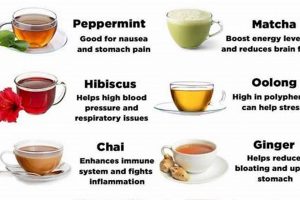
Tip 2: Begin with Gentle Options: Peppermint and ginger teas can soothe the digestive tract and promote movement without the potentially harsh effects of stimulant herbs.
Tip 3: Exercise Caution with Stimulant Herbs: Senna, cascara, and aloe should be used sparingly and only for short-term relief due to the potential for dependence and electrolyte imbalance.
Tip 4: Prioritize Hydration: Adequate fluid intake is crucial for softening stool and facilitating bowel movements. Herbal teas contribute to daily fluid intake, but plain water should remain a primary source.
Tip 5: Monitor for Side Effects: Discontinue use and consult a healthcare professional if experiencing abdominal cramping, diarrhea, nausea, or other adverse reactions.
Tip 6: Consult with a Healthcare Provider: Individuals with underlying medical conditions, pregnant or breastfeeding women, and those taking medications should seek professional guidance before using herbal teas for digestive support.
Tip 7: Understand Product Quality: Choose teas from reputable sources to ensure purity and accurate labeling of ingredients. Adulteration and inaccurate dosage information can pose health risks.
Selecting the appropriate herbal infusion requires careful consideration of individual needs and potential risks. A holistic approach that includes dietary adjustments, hydration, and exercise is often the most effective strategy for maintaining regular bowel function.
The subsequent section will discuss potential synergistic approaches to support digestive health further.
1. Herb's Active Compounds

The effectiveness of particular herbal teas in alleviating constipation is directly linked to the specific active compounds present within the herbs. These compounds exert various physiological effects on the digestive system, influencing bowel function and regularity.
- Anthraquinones: Stimulant Laxatives
Certain herbs, such as senna and cascara, contain anthraquinones, which are stimulant laxatives. These compounds irritate the intestinal lining, stimulating muscle contractions and promoting bowel movements. While effective for short-term relief, prolonged use can lead to dependence and electrolyte imbalance. The concentration of anthraquinones in the tea directly impacts its potency and potential side effects.
- Essential Oils: Carminative and Antispasmodic Effects
Herbs like peppermint and ginger contain essential oils with carminative and antispasmodic properties. These oils help to relax the smooth muscles of the digestive tract, reducing spasms and bloating. This action promotes the passage of gas and eases discomfort, contributing to a more regular bowel function. The specific composition of the essential oil, including compounds like menthol in peppermint, dictates its therapeutic effects.
- Mucilage: Bulk-Forming Agents
Some herbs, such as flaxseed and psyllium, are rich in mucilage, a soluble fiber that absorbs water in the digestive tract. This increases the bulk of the stool, making it easier to pass. Mucilage also acts as a lubricant, further facilitating bowel movements. The water-absorbing capacity of the mucilage is crucial for its effectiveness in alleviating constipation.
- Bitters: Digestive Stimulants
Bitter herbs, like dandelion root, stimulate the production of digestive enzymes and bile, which can improve digestion and promote bowel regularity. These compounds activate taste receptors in the mouth and stomach, triggering a cascade of physiological responses that enhance digestive function. The specific bitter compounds present, and their concentration, influence the extent of digestive stimulation.
The selection of an herbal tea should be guided by an understanding of the active compounds it contains and their potential effects on the digestive system. While stimulant herbs can provide rapid relief, gentler options with carminative, mucilage-forming, or bitter properties may be more suitable for long-term use. The interplay of these active compounds determines the tea’s overall effectiveness in addressing infrequent bowel movements.
2. Stimulant vs. Soothing

The distinction between stimulant and soothing herbal teas represents a crucial consideration when addressing infrequent bowel movements. Understanding this dichotomy is essential for selecting the most appropriate herbal remedy and minimizing potential adverse effects.
- Mechanism of Action
Stimulant teas, primarily those containing anthraquinones (e.g., senna, cascara), induce bowel movements by directly irritating the intestinal lining. This stimulation increases peristaltic activity, promoting the rapid expulsion of waste. Soothing teas, conversely, focus on alleviating discomfort and facilitating digestion through gentle mechanisms. These teas may reduce inflammation, relax intestinal muscles, or improve digestive enzyme production.
- Short-Term Relief vs. Long-Term Management
Stimulant teas are often favored for their rapid onset of action, providing quick relief from acute constipation. However, their use should be limited to short periods due to the risk of dependency and electrolyte imbalance. Soothing teas, while potentially slower to produce results, are generally better suited for long-term management of mild to moderate constipation, particularly when related to stress, diet, or digestive imbalances.
- Potential Side Effects
Stimulant teas carry a higher risk of side effects, including abdominal cramping, diarrhea, nausea, and dehydration. Prolonged use can lead to a weakened colon and a decreased ability to have bowel movements independently. Soothing teas, while generally well-tolerated, may still cause mild gastrointestinal upset in some individuals, especially those with sensitive digestive systems.
- Examples of Herbal Teas
Common examples of stimulant teas include senna, cascara sagrada, and aloe vera latex (although aloe vera is less commonly consumed as a tea). Soothing teas include peppermint, ginger, chamomile, and fennel. The choice between these categories depends on the individual’s specific needs, the severity of constipation, and the presence of any underlying medical conditions.
Ultimately, selecting the “best herbal tea for constipation” necessitates a careful evaluation of the individual’s specific circumstances and a clear understanding of the differences between stimulant and soothing options. While stimulant teas may provide immediate relief, soothing teas offer a gentler, more sustainable approach to managing digestive health.
3. Preparation Methods

The preparation method significantly influences the effectiveness and safety of herbal teas intended to alleviate infrequent bowel movements. The extraction of active compounds, potency of the final product, and potential for unwanted components depend on the brewing technique. Improper preparation can diminish therapeutic benefits or, conversely, lead to excessive concentrations of potent constituents, causing adverse reactions. For instance, steeping senna for an extended period at high temperatures may release an overabundance of anthraquinones, resulting in severe cramping and diarrhea, rather than gentle relief.
Infusion time, water temperature, and the use of specific plant parts each contribute to the outcome. Delicate herbs, such as peppermint or chamomile, benefit from shorter steeping times (5-7 minutes) at lower temperatures (around 200F or 93C) to preserve volatile oils and prevent bitterness. Conversely, roots and barks, like ginger or dandelion root, often require longer decoction periods (10-20 minutes) at simmering temperatures to adequately extract their beneficial compounds. The use of a covered vessel during steeping helps to retain volatile oils, enhancing the tea’s aromatic and therapeutic qualities. Proper grinding or crushing of the herbs before brewing can also increase the surface area exposed to water, improving extraction efficiency.
Effective use necessitates a nuanced understanding of optimal extraction methods for each herb. Standardized preparation guidelines provided by herbalists or reputable sources are valuable resources. By adhering to recommended infusion times, temperatures, and dosage, individuals can maximize the therapeutic potential of herbal teas while minimizing the risk of adverse effects. The importance of precise preparation underscores the fact that safety and efficacy are inextricably linked to the methods employed.
4. Dosage Guidelines
The selection and utilization of herbal teas to address infrequent bowel movements necessitate strict adherence to established dosage guidelines. Overconsumption, even of seemingly benign herbs, may induce adverse effects, undermining the intended therapeutic outcome. Conversely, insufficient dosage may render the treatment ineffective, prolonging discomfort and potentially masking underlying medical conditions. The “best herbal teas for constipation” are only beneficial when administered responsibly, with consideration for individual factors and the inherent potency of the plant material.
Examples underscore the critical nature of proper dosing. Senna, a potent stimulant laxative, requires precise measurement; exceeding the recommended amount can lead to severe abdominal cramping, diarrhea, and electrolyte imbalance. Similarly, while peppermint tea is generally considered safe, excessive consumption may exacerbate gastroesophageal reflux symptoms in susceptible individuals. Even teas rich in mucilage, such as flaxseed, necessitate adequate hydration to prevent impaction. Therefore, a blanket approach to herbal tea consumption is inappropriate; dosage must be tailored to the specific herb, the individual’s health status, and the severity of the infrequent bowel movements.
In conclusion, dosage guidelines are an indispensable component of any regimen involving herbal teas intended to alleviate infrequent bowel movements. Adherence to recommended quantities minimizes the risk of adverse effects while maximizing the potential for therapeutic benefit. A responsible approach necessitates consulting with healthcare professionals, especially for individuals with pre-existing medical conditions or those taking medications, ensuring safe and effective integration of herbal teas into a comprehensive digestive health strategy.
5. Potential Interactions

The selection of appropriate herbal infusions to alleviate infrequent bowel movements demands careful consideration of potential interactions with both pharmaceutical medications and other herbal supplements. The constituents within plant-based teas can alter drug metabolism, absorption, and excretion, leading to either reduced efficacy of prescribed treatments or increased risk of adverse effects. Neglecting these interactions introduces a significant element of risk when utilizing herbal remedies for digestive complaints.
For example, senna, a common ingredient in stimulant laxative teas, can enhance the effects of digoxin, a medication used to treat heart conditions, potentially leading to toxicity. Similarly, herbs with blood-thinning properties, such as ginger or chamomile, could amplify the effects of anticoagulant drugs like warfarin, increasing the risk of bleeding. Individuals taking diuretics should exercise caution with laxative teas as the combination can exacerbate electrolyte imbalances. Concurrent use of multiple herbal remedies also warrants scrutiny, as synergistic or antagonistic effects may occur, complicating the overall therapeutic outcome. Artichoke and milk thistle could interact if someone is using either of this “best herbal teas for constipation”.
A thorough assessment of potential interactions is therefore paramount when considering herbal teas to relieve infrequent bowel movements. This necessitates complete disclosure of all medications and supplements to a qualified healthcare professional, allowing for informed decisions and appropriate monitoring. The complexity of these interactions underscores the importance of evidence-based practices and the limitations of self-treatment when addressing digestive health concerns with herbal remedies. This is a crucial step in safe “best herbal teas for constipation” usage.
6. Individual Sensitivities

The determination of the most suitable herbal tea for addressing infrequent bowel movements is inextricably linked to individual sensitivities. Physiological variations, pre-existing conditions, and allergic predispositions can significantly alter the response to specific herbs, transforming a potentially beneficial remedy into a source of discomfort or even harm. Consequently, a personalized approach, informed by a thorough understanding of individual reactivity, is essential for safe and effective application of herbal teas.
For example, individuals with Irritable Bowel Syndrome (IBS) may react adversely to certain stimulant herbs like senna, experiencing exacerbated cramping and diarrhea, despite the herb’s intended use in promoting bowel movement. Similarly, those with known allergies to plants within the Asteraceae family, such as chamomile, should exercise caution due to the risk of cross-reactivity. Even seemingly benign herbs, like peppermint, can trigger heartburn in individuals with gastroesophageal reflux disease (GERD). Therefore, a careful assessment of an individual’s medical history, allergic tendencies, and pre-existing digestive sensitivities is paramount before recommending any herbal tea for alleviating infrequent bowel movements. A responsible approach necessitates starting with a low dosage and closely monitoring for any adverse reactions, such as skin rashes, gastrointestinal distress, or respiratory symptoms.
In conclusion, individual sensitivities represent a critical component of the “best herbal teas for constipation” selection process. The efficacy and safety of herbal remedies are contingent upon a personalized approach that acknowledges the inherent variability in human physiology. Recognizing and addressing these sensitivities is crucial for maximizing the therapeutic benefits of herbal teas while minimizing the potential for adverse effects, highlighting the importance of informed decision-making and, when necessary, consultation with a qualified healthcare professional.
Frequently Asked Questions
This section addresses common inquiries regarding the selection and utilization of herbal teas for the alleviation of infrequent bowel movements. These questions are designed to provide clarity and guidance for responsible and informed use.
Question 1: Are herbal teas a substitute for medical evaluation of constipation?
No. Persistent or severe constipation requires a thorough medical evaluation to identify underlying causes. Herbal teas may provide temporary relief, but do not address potentially serious medical conditions.
Question 2: How quickly can one expect results from drinking herbal tea for constipation?
The onset of action varies depending on the specific herb and individual physiology. Stimulant herbs, like senna, may produce results within several hours. Soothing herbs, such as peppermint, may require consistent use over several days to promote regularity.
Question 3: Is it safe to drink herbal tea for constipation daily?
Daily consumption of stimulant laxative teas is generally not recommended due to the risk of dependency and electrolyte imbalance. Soothing teas may be suitable for daily consumption, but monitoring for adverse effects is essential.
Question 4: Can herbal teas for constipation interact with medications?
Yes. Herbal teas can interact with various medications. Individuals taking prescription drugs should consult with a healthcare professional before using herbal remedies to avoid potential adverse interactions.
Question 5: Are all herbal teas labeled as “laxative” safe for consumption?
No. The term “laxative” encompasses a wide range of herbs with varying potencies and potential side effects. Careful evaluation of the ingredients and adherence to recommended dosage are crucial.
Question 6: Can herbal teas be used for constipation during pregnancy or breastfeeding?
Many herbal teas are contraindicated during pregnancy and breastfeeding due to potential risks to the developing fetus or infant. Consultation with a healthcare provider is essential before using any herbal remedy during these periods.
The information provided in these FAQs is for general knowledge purposes only and does not constitute medical advice. Individuals experiencing persistent or severe constipation should seek professional medical guidance.
The subsequent section will explore practical considerations for incorporating herbal teas into a holistic approach to digestive health.
Best Herbal Teas for Constipation
This exploration has detailed various herbal teas considered beneficial for infrequent bowel movements. It has emphasized the importance of distinguishing between stimulant and soothing herbs, understanding active compounds, adhering to proper preparation methods and dosage guidelines, and acknowledging potential interactions and individual sensitivities. The judicious selection and utilization of these infusions require careful consideration of these factors to maximize therapeutic benefits and minimize risks.
Given the complexities inherent in herbal medicine, and the potential for adverse effects, informed self-care practices, coupled with professional medical guidance when necessary, represent the most prudent approach. The pursuit of digestive wellness demands a comprehensive strategy that integrates dietary adjustments, adequate hydration, regular physical activity, and mindful consideration of herbal remedies.