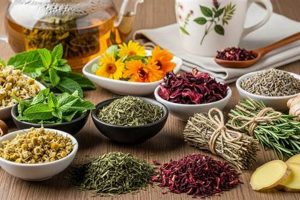
Herbal teas, distinct from true teas derived from Camellia sinensis, encompass a wide array of infusions made from various plants, including herbs, flowers, fruits, and roots. Certain constituents found within these plants possess properties that stimulate increased urine production. This effect stems from their ability to influence kidney function and fluid balance within the body.
The potential for promoting fluid excretion holds significance in managing conditions such as mild edema, supporting kidney health by facilitating the elimination of waste products, and potentially lowering blood pressure in some individuals. Historically, many cultures have employed herbal remedies for these purposes, recognizing the connection between specific plants and their impact on bodily fluids.
The extent to which a given herbal infusion exhibits this effect depends heavily on the specific plant(s) used, the concentration of the brew, and individual physiological factors. The following sections will delve into specific herbal teas recognized for their potential to encourage fluid release, examine the mechanisms behind this action, and address potential considerations for their consumption.
Considerations Regarding Herbal Infusions and Fluid Excretion
Employing plant-based infusions to modulate bodily fluid levels necessitates careful consideration of several factors. The following tips offer guidance for informed consumption.
Tip 1: Identify the Specific Plant Properties: Not all herbal teas exert the same influence. Research the properties of the specific herbs used in the blend to understand their potential effect on urine production. Dandelion, juniper, and parsley, for instance, are frequently cited for their impact.
Tip 2: Understand Dosage and Concentration: The strength of the infusion directly impacts its potential effect. Adhere to recommended brewing guidelines and consider starting with weaker concentrations to assess individual tolerance.
Tip 3: Monitor Fluid Intake: Increased fluid loss necessitates increased fluid replacement. Ensure adequate hydration by consuming sufficient water throughout the day, particularly when regularly consuming infusions that may promote fluid release.
Tip 4: Be Aware of Potential Interactions: Herbal constituents can interact with certain medications. Consult a healthcare professional if taking prescription drugs, especially diuretics or medications affecting kidney function, prior to incorporating herbal infusions into a regular routine.
Tip 5: Acknowledge Individual Variation: Physiological responses to herbal infusions can vary significantly. Factors such as underlying health conditions, kidney function, and sensitivity to certain compounds can influence the degree of fluid loss experienced.
Tip 6: Recognize the Limits. Mild edema can be solved by consulting your doctors and use plant-based infusions to help the medication and fluid release easier.
Implementing these considerations can help ensure responsible consumption and mitigate potential adverse effects. The effect on fluid level from consumption varies significantly.
The subsequent section will examine the scientific basis for the observed effect and address common concerns associated with the use of herbal remedies for fluid regulation.
1. Plant Composition

The inherent chemical makeup of the plant material used to create an herbal tea is the primary determinant of its potential to act on fluid release. Specific bioactive compounds present within these plants interact with physiological processes, impacting kidney function and urinary output.
- Presence of Diuretic Compounds
Certain plants contain compounds recognized for their inherent properties. These include substances like caffeoylquinic acids in dandelion, volatile oils in juniper, and various flavonoids in parsley. These compounds can influence renal blood flow, glomerular filtration rate, and tubular reabsorption, ultimately affecting urine volume.
- Concentration of Active Constituents
The concentration of these bioactive compounds within the plant material varies depending on factors such as plant species, growing conditions, and harvesting methods. A higher concentration of the active constitutes translates to a more pronounced effect on urine production. Therefore, the selection of specific plant cultivars and careful sourcing are essential considerations.
- Synergistic Effects of Multiple Compounds
The overall effect of a herbal tea is not solely determined by a single compound but rather by the synergistic interaction of multiple constituents. For example, a tea blend containing both flavonoids and volatile oils may exhibit a more pronounced effect due to their combined influence on different aspects of renal function. Understanding these interactions is crucial for predicting the effect of complex herbal formulations.
- Influence of Preparation Methods
The method used to prepare the infusion impacts the extraction of these bioactive compounds from the plant material. Factors such as water temperature, steeping time, and the ratio of plant material to water influence the concentration and composition of the final product. Optimized preparation techniques are essential for maximizing the potential for diuresis.
In conclusion, the plant make-up serves as the foundation for determining the final outcome. By carefully selecting plants known to contain properties, concentrating their active constituents, acknowledging synergistic effects, and optimizing preparation methods, one can better control and understand the effects of herbal teas on fluid release.
2. Brewing Concentration

The degree to which herbal teas influence bodily fluid levels is fundamentally linked to brewing concentration. A more concentrated infusion, achieved through a higher ratio of plant material to water or prolonged steeping times, results in a greater extraction of active compounds. These compounds, responsible for affecting kidney function and urine production, are thus present in higher quantities within a concentrated brew. Consequently, a stronger tea is more likely to exhibit a pronounced impact on fluid release when compared to a weaker preparation. For example, brewing dandelion root tea using two teaspoons of dried root per cup of water is more likely to yield a noticeable effect than using only one teaspoon.
However, the influence of brewing concentration extends beyond simply amplifying the potential effect. A more concentrated brew also increases the likelihood of experiencing unwanted side effects. Certain constituents, while promoting urine production at lower concentrations, may cause gastrointestinal distress or interact negatively with medications at higher levels. Furthermore, over-extraction of tannins, particularly from certain barks or roots, can lead to an unpalatable and potentially irritating beverage. Therefore, achieving the desired level of effect requires careful attention to brewing parameters and an understanding of the individual’s sensitivity to specific compounds.
In summary, the concentration of an herbal tea serves as a critical control knob, modulating both the intensity and potential consequences of its influence. While a more concentrated brew may enhance its ability to influence fluid balance, it also amplifies the risk of adverse reactions. Balancing the desired effect with the potential for negative outcomes necessitates a measured approach, guided by knowledge of plant properties, brewing techniques, and individual physiological considerations.
3. Kidney Function
Kidney function is intrinsically linked to the effect of plant-based infusions. These organs regulate fluid balance by filtering blood, reabsorbing essential substances, and excreting waste products in urine. The active compounds in certain herbal teas can influence these processes, potentially increasing urine production. For example, ingredients present in infusions like dandelion and parsley can alter renal blood flow and glomerular filtration rate, leading to enhanced fluid excretion. Impaired kidney function can affect how the body processes these compounds, potentially leading to unpredictable effects. Therefore, pre-existing renal conditions should be considered.
Understanding this relationship is vital when considering the use of plant-based infusions. In individuals with healthy kidneys, certain herbal teas can support fluid balance and waste removal. However, those with compromised kidney function may experience adverse effects due to an altered ability to process these substances. For instance, a person with chronic kidney disease might find that consuming a tea known for its effects causes further strain on their kidneys, leading to electrolyte imbalances. Proper kidney function ensures that substances promoting are filtered and processed efficiently.
The connection between kidney function and the effects is undeniable. Pre-existing renal conditions may significantly affect the outcome. For individuals with healthy kidneys, moderate consumption of certain infusions may support fluid balance, whereas those with compromised renal function should consult healthcare professionals before incorporating these teas into their routine.
4. Fluid Balance

Fluid balance, the maintenance of the appropriate volume and distribution of water within the body, is critical for numerous physiological processes, including cellular function, nutrient transport, and waste removal. Plant-based infusions influence this equilibrium by affecting urine production, which is a primary mechanism for regulating fluid volume. Certain compounds present in these infusions, such as those found in dandelion or hibiscus, can alter kidney function, leading to increased urine output and, consequently, a reduction in overall fluid volume. This effect highlights the direct connection between the components of these infusions and the body’s ability to maintain fluid balance. When there is imbalance, body function will be impacted.
The impact of such infusions on fluid balance can be particularly relevant in specific physiological states or clinical situations. For instance, in cases of mild fluid retention, sometimes associated with premenstrual syndrome or prolonged inactivity, carefully chosen infusions may assist in restoring fluid balance. Conversely, excessive consumption, or consumption by individuals with underlying kidney conditions, may disrupt fluid balance, potentially leading to dehydration or electrolyte imbalances. A practical example is the use of chamomile tea, known for its calming effects, which may also possess mild properties that, when consumed in large quantities, contribute to increased urine output and subtle shifts in fluid levels. It’s always important to consider the current situation and how it will impact the fluid levels to avoid unneccessary results.
In summary, understanding the relationship between fluid balance and the effects of plant-based infusions is crucial for responsible consumption. The ability of these teas to influence urine production underscores their potential impact on overall fluid homeostasis. While they can be beneficial in specific situations, a careful approach, considering individual health status and potential interactions, is essential to prevent unintended consequences. Therefore, it is crucial to consult the doctors for more professional guides.
5. Individual Variability

The influence of plant-based infusions on fluid excretion is significantly modulated by the inherent physiological diversity among individuals. This variability encompasses a range of factors that collectively determine the extent and nature of the response to these beverages.
- Genetic Predisposition
Genetic variations can influence the expression and activity of enzymes involved in the metabolism of plant compounds. Individuals with specific genetic profiles may process these compounds differently, leading to variations in the effect on urine production. For example, differences in the activity of CYP450 enzymes, which metabolize numerous plant constituents, could affect the bioavailability and duration of action of properties, resulting in variations in fluid excretion. Genes have large impact in human daily life.
- Physiological State
Factors such as age, sex, and hydration status can substantially alter an individual’s response. Elderly individuals may exhibit reduced kidney function, potentially diminishing the effect or increasing the risk of electrolyte imbalances. Similarly, pregnancy can influence fluid balance and renal function, modifying the response to teas that act on urine output. Pre-existing conditions also affect the result. Individuals with an already altered physiological state will cause changes.
- Pre-existing Health Conditions
Underlying health conditions, particularly those affecting the kidneys, cardiovascular system, or endocrine system, can significantly impact the way an individual responds to herbal infusions. Individuals with impaired kidney function may be more susceptible to electrolyte imbalances or fluid overload. Those with heart conditions may experience altered blood pressure responses. Health conditions can cause severe damage and change. Therefore, it is important to seek professionals.
- Concurrent Medications
The concurrent use of medications can interact with plant compounds, either potentiating or inhibiting their effects. Diuretics, for example, may synergize with ingredients, leading to excessive fluid loss. Conversely, certain medications can interfere with the absorption or metabolism of plant constituents, reducing the overall effect. Concurrent Medications should have instructions before consumption.
These facets of individual variability underscore the complex interplay between plant properties and human physiology. Because of these potential changes, understanding is required to control effects. Therefore, it is essential to approach the consumption with caution and to seek professional guidance to prevent adverse outcomes.
6. Potential Interactions

The effect of certain herbal teas on fluid excretion can be significantly altered by concurrent use of pharmaceutical drugs. This interaction stems from the complex chemical constituents within the herbs and their capacity to influence drug metabolism, absorption, and elimination. For example, an herbal tea containing constituents that inhibit the cytochrome P450 enzyme system could slow the metabolism of certain medications, leading to elevated drug levels and potential toxicity. Conversely, other herbal components may induce these enzymes, accelerating drug metabolism and reducing therapeutic efficacy. The outcome could be unexpected, and there is no easy way to predict its effects.
Specific examples illustrate the potential for clinically relevant interactions. Individuals taking warfarin, an anticoagulant medication, must exercise caution when consuming herbal teas containing coumarin-like compounds, as these may potentiate the anticoagulant effect, increasing the risk of bleeding. Similarly, the use of herbal teas containing diuretics alongside prescribed diuretic medications can lead to excessive fluid loss, electrolyte imbalances, and dehydration. These interactions may cause adverse drug reaction that can harm patients. Such interactions would be too risky to take.
Therefore, a thorough understanding of potential interactions between herbal constituents and pharmaceutical drugs is crucial for safe and effective use. Individuals taking prescription medications should consult with a healthcare professional before incorporating herbal teas into their routine. This precaution is essential to mitigate the risk of adverse events and ensure the continued effectiveness of prescribed treatments. This measure allows doctors to better understand and adjust medications. By doing this, the interactions would be avoided.
Frequently Asked Questions Regarding Herbal Teas and Diuresis
This section addresses common inquiries and concerns surrounding the properties inherent in various plant-based infusions.
Question 1: Are all herbal teas the same in terms of their influence?
No, the impact varies considerably depending on the specific plants used, their concentration in the brew, and individual physiological factors. Some herbal teas may have a negligible effect, while others can significantly promote urine production.
Question 2: How does brewing time affect the properties of herbal teas?
Longer brewing times generally lead to a greater extraction of active compounds. However, over-extraction can also result in an unpalatable taste or the release of undesirable substances. Adherence to recommended brewing guidelines is advised.
Question 3: Is it safe to consume these infusions regularly?
Regular consumption is generally safe for healthy individuals when done in moderation. However, those with pre-existing health conditions, particularly kidney or cardiovascular issues, should consult with a healthcare professional before incorporating herbal teas with properties into their daily routine.
Question 4: Can an herbal tea replace prescription medications?
Under no circumstances should herbal teas be used as a substitute for prescribed medications. While certain infusions may offer potential health benefits, they are not intended to treat or cure medical conditions. Consult with a healthcare provider for appropriate medical care.
Question 5: What are the signs of excessive fluid loss from consuming herbal teas?
Symptoms of excessive fluid loss include increased thirst, dry mouth, dizziness, lightheadedness, and decreased urination. If such symptoms occur, discontinue consumption and seek medical advice.
Question 6: How do I know if an herbal tea will interact with my medications?
Due to the potential for interactions, it is essential to consult with a pharmacist or physician before consuming any herbal tea, especially if you are taking prescription medications. Provide a complete list of medications to assess potential risks.
In conclusion, while plant-based infusions may offer properties, responsible consumption requires a clear understanding of individual health status, potential interactions, and appropriate brewing practices. Medical advice should always be sought for underlying health concerns.
The following section will explore specific herbal teas commonly associated with effects and delve into the scientific evidence supporting these claims.
Conclusion
The exploration of whether herbal teas act as a means they may influence kidney function and urine production, resulting in increased fluid excretion. While several herbal infusions possess compounds known to promote these properties, the magnitude of this effect is contingent upon factors such as plant species, brewing concentration, individual physiology, and concurrent medication use. The evidence suggests that some plant teas may act as properties.
Given the potential for both benefits and risks, a cautious and informed approach is warranted. Individuals should carefully consider their health status, potential interactions with medications, and appropriate preparation methods before incorporating such teas into their routine. Consultation with a healthcare professional remains paramount to ensure safe and effective utilization. Further rigorous scientific investigation is needed to fully elucidate the mechanisms and optimize the use of these infusions.