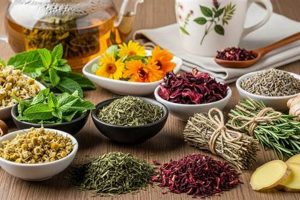
Infusions made from plants other than Camellia sinensis, commonly known as herbal teas or tisanes, have a significant presence within the United States beverage market. These products, derived from a diverse range of herbs, spices, flowers, and fruits, are consumed for various reasons, including perceived health benefits and enjoyment of their flavors.
The popularity of these botanical infusions in the U.S. stems from a confluence of factors. Consumers are increasingly interested in natural and wellness-oriented products, driving demand for beverages associated with health and relaxation. Historically, herbal remedies have played a role in traditional medicine, and this legacy continues to influence consumer perceptions. Furthermore, the variety of flavors and formulations available caters to a broad range of palates and preferences.
The subsequent sections will delve into specific aspects of these plant-based infusions within the United States. This will include an examination of prevalent types, regulatory considerations, market trends, and consumer preferences. The objective is to provide a comprehensive understanding of the role and significance of this beverage category within the broader U.S. market.
Guidelines for Sourcing and Consuming Botanical Infusions in the U.S.
This section provides essential guidelines for selecting and enjoying plant-based infusions available within the United States. Adherence to these suggestions can optimize the experience and mitigate potential risks.
Guideline 1: Prioritize Reputable Suppliers: Purchase from established brands or retailers with transparent sourcing practices. This helps ensure product quality and minimizes the risk of contamination or misidentification of plant material.
Guideline 2: Scrutinize Ingredient Lists: Carefully examine the ingredients list to identify potential allergens or interactions with medications. Verify that all listed components are clearly identified and understood.
Guideline 3: Adhere to Recommended Brewing Instructions: Follow the manufacturer’s recommended brewing time and water temperature. Deviating from these guidelines can impact flavor and potentially release undesirable compounds.
Guideline 4: Exercise Moderation in Consumption: While often perceived as benign, excessive consumption of certain herbal infusions can lead to adverse effects. Limit intake to reasonable levels and monitor individual responses.
Guideline 5: Consult Healthcare Professionals: Individuals with pre-existing medical conditions or those taking medications should consult a healthcare provider before incorporating novel plant-based infusions into their diet. This is particularly important for pregnant or breastfeeding individuals.
Guideline 6: Be Aware of Potential Interactions: Some herbal constituents can interact with pharmaceuticals, altering their efficacy or increasing the risk of side effects. Research potential interactions or consult with a pharmacist.
Guideline 7: Consider Organic Options: Opting for certified organic varieties minimizes exposure to pesticides and herbicides. This choice can contribute to a more wholesome and environmentally conscious consumption experience.
By adhering to these guidelines, consumers can make informed choices and enjoy the potential benefits of these plant-derived beverages responsibly.
The concluding section will summarize the key findings and offer final insights on the role of these botanical infusions in the U.S. market.
1. Market Size

The market size for herbal infusions within the United States constitutes a significant indicator of consumer demand and economic activity within this niche beverage category. Its expansion is directly correlated with heightened consumer interest in natural health products, wellness trends, and alternatives to traditional caffeinated beverages. Data on market size, typically measured in annual sales revenue, reveals the overall economic impact of this sector and informs investment decisions by manufacturers, distributors, and retailers. For example, a consistent upward trend in market size motivates companies to introduce new herbal blends, expand distribution networks, and invest in marketing campaigns tailored to specific consumer segments.
Analyzing the market size requires examination of contributing factors, such as demographics, consumer preferences, and availability of products. Increased awareness of potential health benefits associated with certain herbs for example, chamomile for relaxation or ginger for digestive support often leads to higher sales volumes. Similarly, effective marketing strategies that highlight these benefits, coupled with wider availability of diverse flavor profiles, can stimulate market growth. Conversely, negative publicity regarding product quality or safety can negatively impact market size. Understanding these dynamics is essential for stakeholders seeking to capitalize on market opportunities or mitigate potential risks.
Ultimately, the market size serves as a key performance indicator for the herbal infusion sector in the U.S. It reflects consumer sentiment, informs business strategies, and shapes the competitive landscape. While the industry’s growth trajectory is subject to evolving trends and regulatory influences, a comprehensive understanding of the current market size and its underlying drivers remains fundamental for informed decision-making and sustainable development within this sector.
2. Popular Ingredients

The composition of commercially available herbal infusions in the United States is defined by a relatively consistent set of frequently utilized botanical components. These ingredients dictate the flavor profiles, perceived health benefits, and overall consumer appeal of these beverages.
- Chamomile’s Prevalence
Chamomile, known for its purported calming properties, is a ubiquitous ingredient in many formulations. Its prevalence stems from its mild flavor, well-documented traditional uses, and established reputation as a sleep aid. The German variety is commonly used. Infusions containing chamomile are frequently marketed towards consumers seeking relaxation or stress relief.
- Peppermint’s Digestive Role
Peppermint, recognized for its menthol content and associated digestive benefits, holds a prominent position. Its refreshing flavor and perceived ability to alleviate gastrointestinal discomfort contribute to its popularity. Peppermint is often incorporated into blends designed to aid digestion or provide a stimulating flavor experience. Its availability is extensive in both pure and blended forms.
- Ginger’s Therapeutic Applications
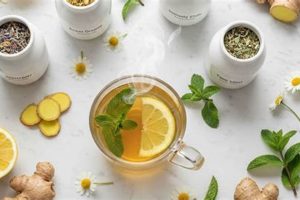
Ginger, valued for its pungent flavor and purported anti-inflammatory properties, is a common component. Its inclusion is often justified by its traditional use in alleviating nausea and supporting immune function. Ginger is frequently paired with other ingredients, such as lemon or honey, to create beverages marketed for their therapeutic qualities.
- Rooibos as a Caffeine-Free Base
Rooibos, an herb from South Africa, serves as a caffeine-free base ingredient in many products. Its naturally sweet flavor and antioxidant content make it an attractive alternative to traditional tea leaves. Rooibos is frequently blended with other herbs and spices to create a wide range of flavor profiles while maintaining a caffeine-free status.
These widely used ingredients form the foundation of many popular herbal tea blends in the U.S. Their presence reflects a convergence of consumer preferences, perceived health benefits, and established traditions within the broader herbal beverage market. Continued analysis of ingredient trends is vital for understanding the evolving landscape of the sector.
3. Consumer Demographics

Consumer demographics constitute a critical determinant shaping the consumption patterns and market dynamics of botanical infusions in the United States. Understanding the age, gender, income, and cultural background of target consumers provides essential insights for product development, marketing strategies, and distribution channel optimization. For instance, younger consumers may be drawn to herbal beverages marketed for energy and focus, while older demographics may prioritize blends associated with relaxation, sleep aid, or digestive health. Gender-based preferences also exist, with certain flavors or perceived benefits resonating more strongly with specific groups. The consideration of these demographic factors allows brands to tailor their offerings and communication to maximize market penetration.
The impact of income level on consumption patterns is also significant. Higher-income consumers may be more willing to purchase premium herbal infusions with higher-quality ingredients or unique flavor profiles, often sold through specialty retailers or online channels. Conversely, lower-income consumers may opt for more affordable options available at mass-market grocery stores. Cultural background influences preferences for specific ingredients and flavors, reflecting the diverse traditions and culinary practices present within the U.S. population. Marketing campaigns that recognize and respect these cultural nuances are more likely to resonate with target communities and build brand loyalty.
In summary, consumer demographics represent a cornerstone for understanding the market landscape and optimizing business strategies within the botanical infusion sector in the United States. By carefully analyzing and responding to the needs and preferences of different consumer segments, brands can enhance their competitiveness, expand their market share, and contribute to the continued growth and evolution of this dynamic beverage category.
4. Regulatory Landscape

The regulatory landscape in the United States significantly impacts the production, labeling, and marketing of botanical infusions, commonly referred to as herbal teas. Compliance with federal regulations is essential for manufacturers and distributors to ensure product safety and maintain consumer trust.
- FDA Oversight
The Food and Drug Administration (FDA) maintains regulatory authority over herbal infusions as food products. This oversight primarily concerns safety, requiring manufacturers to adhere to Good Manufacturing Practices (GMPs) to prevent contamination. The FDA also monitors for adulteration, ensuring products contain the ingredients listed on the label and are free from harmful substances. Failure to comply can lead to warning letters, product recalls, and legal action.
- Labeling Requirements
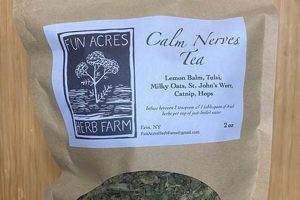
The FDA mandates specific labeling requirements for botanical infusions, including an accurate list of ingredients in descending order of predominance. Accurate labeling is crucial for consumers with allergies or sensitivities. Furthermore, labels must not contain false or misleading statements about the product’s health benefits. The agency scrutinizes health claims made on labels or in marketing materials, requiring substantiation for any therapeutic effects attributed to the infusion.
- Health Claim Restrictions
The FDA strictly regulates health claims made for botanical infusions. Claims suggesting the product can diagnose, treat, cure, or prevent any disease are generally prohibited unless supported by substantial scientific evidence and pre-approved by the FDA. Manufacturers often use structure/function claims, which describe the role of a nutrient or ingredient in maintaining the body’s structure or function, but these claims must be truthful and not misleading.
- Import Regulations
Herbal infusions imported into the United States are subject to FDA import regulations. Importers must ensure that their products meet all U.S. safety and labeling requirements. The FDA may conduct inspections of imported products at the port of entry and may refuse admission to products that appear to be adulterated or misbranded. Compliance with these import regulations is essential for maintaining access to the U.S. market.
These regulatory facets collectively shape the market for plant-based infusions in the U.S., dictating standards for product safety, labeling accuracy, and permissible health claims. Adherence to these regulations is paramount for manufacturers to ensure consumer protection and maintain market access, influencing how these products are developed, marketed, and sold across the country.
5. Health Claims
The intersection of health claims and plant-based infusions within the United States represents a complex and highly regulated area. The perceived health benefits associated with specific ingredients are a primary driver of consumer demand for these beverages. However, the ability of manufacturers to communicate these potential benefits is strictly controlled by federal regulations. Inaccurate or unsubstantiated health claims can lead to regulatory action, undermining consumer trust and potentially harming public health. For example, a product marketed as a cure for a specific disease without sufficient scientific evidence would be in violation of FDA regulations.
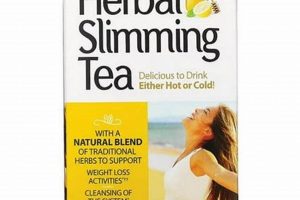
The importance of accurate health claims for these botanical infusions in the U.S. market cannot be overstated. Claims that are truthful and adequately supported by scientific research allow consumers to make informed purchasing decisions based on credible information. This contributes to a more transparent and ethical marketplace. Conversely, misleading or exaggerated claims can exploit consumer vulnerabilities and potentially discourage reliance on conventional medical treatments. A real-world example is the promotion of an herbal infusion as a weight loss solution without clinical trials demonstrating its efficacy. Such claims not only mislead consumers but also contribute to unrealistic expectations about health and wellness.
In summary, the relationship between health claims and these infusions sold in the U.S. market underscores the necessity of responsible marketing practices and rigorous regulatory oversight. While the perceived health benefits of these beverages are a significant factor in their popularity, unsubstantiated claims can have detrimental consequences. A balanced approach that prioritizes scientific evidence, accurate labeling, and consumer education is crucial for ensuring that these products contribute positively to public health and well-being. The challenge lies in effectively communicating the potential benefits of herbal infusions while remaining compliant with stringent regulatory requirements, fostering trust and promoting informed consumer choices.
6. Distribution Channels
The effectiveness of distribution channels is a critical factor determining the market reach and accessibility of botanical infusions across the United States. These pathways facilitate the movement of products from manufacturers to end consumers, influencing availability, price, and overall consumer experience.
- Supermarket Chains
Supermarket chains represent a primary distribution channel for herbal teas in the U.S. Their widespread presence and established consumer base provide manufacturers with access to a broad market segment. Products sold through supermarkets typically cater to a general consumer audience and are often priced competitively. This channel enables high-volume sales and broad brand visibility.
- Specialty Retailers
Specialty retailers, including health food stores and tea shops, offer a curated selection of plant-based infusions. These establishments often focus on premium brands, organic products, and unique flavor blends, appealing to consumers seeking higher-quality or specialized offerings. Specialty retailers provide a more personalized shopping experience, with knowledgeable staff who can offer product recommendations and detailed information. This channel facilitates the distribution of niche products and caters to discerning consumers.
- Online Marketplaces
Online marketplaces, such as Amazon and specialty tea websites, have emerged as a significant distribution channel for herbal teas. These platforms offer consumers a vast selection of products from various brands, often at competitive prices. Online marketplaces provide convenience and accessibility, allowing consumers to purchase herbal teas from the comfort of their homes. This channel is particularly effective for reaching geographically dispersed consumers and facilitating direct-to-consumer sales.
- Direct-to-Consumer Sales
Some manufacturers of botanical infusions utilize direct-to-consumer sales models, bypassing traditional retail channels. This approach may involve selling products through the company’s own website, subscription services, or direct marketing campaigns. Direct-to-consumer sales allow manufacturers to build direct relationships with their customers, gather feedback, and control the branding and messaging surrounding their products. This channel can be particularly effective for niche brands or those seeking to cultivate a loyal customer base.
The strategic selection and optimization of distribution channels are essential for manufacturers of plant-based infusions seeking to succeed in the U.S. market. Each channel offers unique advantages and disadvantages, and the optimal mix depends on factors such as target consumer, product positioning, and brand strategy. Effective distribution ensures product availability, enhances brand visibility, and contributes to overall market success.
7. Sustainability Practices

The integration of sustainability practices within the herbal tea industry in the United States represents a critical factor in long-term viability and environmental responsibility. The cultivation, processing, and distribution of botanical ingredients exert a significant impact on ecosystems, water resources, and social equity. Consequently, the adoption of sustainable methods is increasingly essential for mitigating adverse effects and ensuring the ethical sourcing of these products. For instance, conventional farming practices involving synthetic pesticides and fertilizers can contaminate soil and water, impacting biodiversity and posing risks to human health. In contrast, organic farming methods, which prioritize natural pest control and soil enrichment, minimize these negative consequences. Therefore, the shift towards organic and biodynamic agriculture is a crucial component of sustainable herbal tea production.
The implementation of sustainable harvesting practices plays a pivotal role in preserving biodiversity and preventing resource depletion. Wildcrafting, the practice of collecting plants from their natural habitats, can be detrimental if not managed responsibly. Overharvesting can decimate plant populations and disrupt ecological balance. Sustainable wildcrafting involves selective harvesting, allowing plants to regenerate, and avoiding the collection of rare or endangered species. Fair Trade certification also ensures that producers receive fair wages and work in safe conditions. This certification addresses social sustainability, promoting equitable relationships within the supply chain. Additionally, minimizing packaging waste through the use of recyclable or compostable materials reduces the environmental footprint associated with these products. An example of practical application is a U.S.-based herbal tea company that sources its ingredients from certified organic farms and utilizes biodegradable packaging, demonstrating a commitment to both environmental and social sustainability.
In conclusion, the incorporation of sustainability practices is not merely a trend but a fundamental requirement for the future of the herbal tea industry in the United States. By embracing organic farming, sustainable harvesting, Fair Trade principles, and eco-friendly packaging, stakeholders can contribute to a more environmentally sound and socially just supply chain. The challenges lie in balancing consumer demand with responsible sourcing, ensuring transparency and traceability, and promoting greater awareness of the importance of sustainability among consumers and businesses alike. This commitment to sustainable practices will not only safeguard the environment but also enhance the credibility and long-term success of the herbal tea sector.
Frequently Asked Questions about Plant-Based Infusions in the U.S.
The following section addresses common inquiries regarding the consumption, regulation, and sourcing of herbal teas within the United States. The information presented aims to provide clarity and promote informed decision-making.
Question 1: Are all herbal infusions safe for consumption?
While many plant-based infusions are generally recognized as safe, certain herbs may pose risks for specific individuals. Pregnant or breastfeeding women, individuals with pre-existing medical conditions, and those taking medications should consult with a healthcare professional before consuming new herbal teas. Additionally, sourcing from reputable suppliers is crucial to minimize the risk of contamination or misidentification of plant material.
Question 2: How are plant-based infusions regulated in the U.S.?
Herbal teas are regulated by the Food and Drug Administration (FDA) as food products. The FDA monitors for safety and adulteration, ensuring products meet labeling requirements and do not contain false or misleading health claims. Manufacturers must adhere to Good Manufacturing Practices (GMPs) to prevent contamination and ensure product quality.
Question 3: What should consumers look for on product labels?
Consumers should carefully examine ingredient lists to identify potential allergens or interactions with medications. Labels should accurately list all ingredients in descending order of predominance. Additionally, consumers should be wary of unsubstantiated health claims and seek products from reputable brands with transparent sourcing practices.
Question 4: Can plant-based infusions be used to treat medical conditions?
While some herbal infusions have demonstrated potential health benefits in scientific studies, they should not be considered a substitute for conventional medical treatment. Claims suggesting that herbal teas can diagnose, treat, cure, or prevent any disease are generally prohibited by the FDA unless supported by substantial scientific evidence.
Question 5: Are organic herbal infusions better than non-organic options?
Organic herbal infusions are cultivated without the use of synthetic pesticides and fertilizers, minimizing exposure to potentially harmful chemicals. Choosing organic options supports sustainable farming practices and reduces environmental impact. However, non-organic options may still be safe and of high quality if sourced from reputable suppliers.
Question 6: How should plant-based infusions be stored to maintain freshness?
Herbal teas should be stored in airtight containers away from direct sunlight, heat, and moisture. Proper storage helps preserve the flavor and aroma of the infusion. Loose-leaf teas typically retain their freshness longer than tea bags, but both should be stored properly to maximize shelf life.
The information provided in this FAQ section is intended for general knowledge and informational purposes only, and does not constitute medical advice. Always consult with a qualified healthcare professional for any health concerns or before making any decisions related to your health or treatment.
The following section will provide a summary of the key takeaways discussed in this article.
Herbal Tea USA
The exploration of “herbal tea usa” reveals a multifaceted market influenced by consumer preferences, regulatory oversight, and sustainability concerns. The market’s growth is fueled by an increasing consumer interest in natural health products and alternative beverages. Factors such as ingredient sourcing, labeling accuracy, and health claim substantiation are critical determinants of product integrity and consumer trust. Distribution channels range from supermarket chains to online marketplaces, each offering unique advantages for reaching diverse consumer segments.
The future of the herbal infusion sector in the United States hinges on a commitment to sustainable practices, responsible marketing, and adherence to regulatory standards. Stakeholders are encouraged to prioritize transparency, promote informed consumer choices, and foster a culture of environmental and social responsibility. Continued vigilance and proactive adaptation to evolving trends are essential for ensuring the long-term viability and positive impact of this dynamic industry.