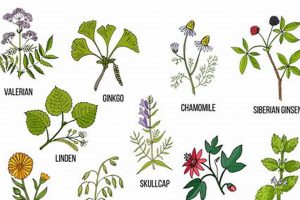
Specific natural substances derived from plants can be employed to alleviate the discomfort associated with a neurological condition characterized by an irresistible urge to move the legs, typically occurring in the evening or nighttime hours. These plant-derived treatments aim to mitigate symptoms such as tingling, pulling, or creeping sensations that disrupt sleep and daily activities. For example, some individuals explore the potential benefits of valerian root to promote relaxation and reduce leg movement.
The utilization of botanicals represents a potentially complementary approach to managing lower limb agitation. The practice has historical roots in traditional medicine systems worldwide, where various plants have been documented for their calming and muscle-relaxant properties. The appeal lies in the potential for gentler side effects compared to pharmaceutical interventions, though the efficacy and safety require rigorous scientific evaluation. The focus is on improving quality of life through symptom management and promoting restful sleep.
The subsequent sections will delve into specific botanical options commonly considered, examining their purported mechanisms of action and the available evidence supporting their use. We will also address potential risks, interactions with other medications, and the importance of consulting a healthcare professional before initiating any new treatment regimen.
Guidance on Plant-Based Approaches for Lower Limb Agitation
The following suggestions are intended to inform responsible exploration of botanical options for addressing nocturnal leg restlessness. Consultation with a qualified healthcare provider is essential before implementing any new therapeutic strategy.
Tip 1: Magnesium Supplementation. Consider exploring magnesium supplementation, as deficiencies in this mineral have been correlated with leg discomfort. Opt for forms like magnesium glycinate or citrate for enhanced absorption, and adhere to recommended daily allowances to avoid adverse effects.
Tip 2: Iron Level Assessment. Request a comprehensive iron panel from a physician to assess iron stores accurately. Low iron levels can exacerbate symptoms; appropriate supplementation, guided by medical advice, may provide relief.
Tip 3: Warm Baths with Epsom Salts. Incorporate warm baths with Epsom salts (magnesium sulfate) before bedtime. Magnesium can be absorbed transdermally, potentially promoting muscle relaxation and easing discomfort.
Tip 4: Gentle Leg Massage. Employ self-massage techniques or seek professional massage therapy to improve circulation and alleviate tension in the leg muscles. Focus on areas experiencing the most discomfort.
Tip 5: Consistent Sleep Schedule. Maintain a regular sleep-wake cycle, even on weekends, to regulate the body’s natural rhythms. A consistent sleep schedule can positively impact neurological function and reduce the frequency of episodes.
Tip 6: Limit Caffeine and Alcohol Intake. Reduce or eliminate caffeine and alcohol consumption, particularly in the evening, as these substances can interfere with sleep and potentially worsen lower limb restlessness.
Tip 7: Explore Valerian Root. Investigate the potential benefits of valerian root, a well-known herb for promoting relaxation and sleep. Start with a low dose and monitor for any adverse reactions. Consult a healthcare provider, especially when using other medications.
These recommendations highlight complementary strategies for managing leg restlessness. Integrating these suggestions into a comprehensive treatment plan, in conjunction with medical guidance, may improve symptom control and overall well-being.
The subsequent section offers a concluding summary, reinforcing the necessity of responsible and informed decision-making when considering alternative approaches for addressing health concerns.
1. Valerian Root Safety

Valerian root is frequently considered within the realm of botanical options for restless legs syndrome. However, its safety profile warrants careful examination, especially given the variability in individual responses and potential interactions with other substances.
- Dosage Considerations
Optimal dosing of valerian root for restless legs syndrome lacks definitive standardization. Excessive dosages can lead to adverse effects such as drowsiness, headaches, and gastrointestinal disturbances. Adhering to lower doses initially and monitoring for individual tolerance is crucial. Higher doses do not necessarily correlate with increased efficacy and may increase the risk of side effects.
- Potential Drug Interactions
Valerian root can potentiate the effects of other central nervous system depressants, including alcohol, benzodiazepines, and certain antihistamines. Concurrent use can result in additive sedative effects, increasing the risk of accidents or respiratory depression. Caution is advised when combining valerian root with any substance that affects the central nervous system.
- Quality Control Issues
The herbal supplement market is subject to variations in quality control. The concentration of active compounds in valerian root products can vary significantly between manufacturers and even between different batches from the same manufacturer. Purchasing valerian root from reputable sources that adhere to stringent quality control standards is recommended to minimize the risk of contamination or inconsistent potency.
- Contraindications and Precautions
Valerian root is generally not recommended for pregnant or breastfeeding women due to insufficient data on its safety in these populations. Individuals with liver disease should exercise caution, as valerian root may have potential hepatotoxic effects, albeit rare. Patients scheduled for surgery should discontinue valerian root use several weeks prior to the procedure to avoid potential interactions with anesthesia.
The multifaceted nature of valerian root safety underscores the importance of individualized assessment and professional guidance when considering its use for restless legs syndrome. Balancing potential benefits with a thorough understanding of risks and limitations is essential for responsible implementation.
2. Magnesium Glycinate Benefits

Magnesium glycinate, a chelated form of magnesium, offers distinct advantages within the spectrum of botanical and nutrient-based interventions for restless legs syndrome. Its superior bioavailability compared to other magnesium salts, such as magnesium oxide, facilitates enhanced absorption and utilization by the body. This characteristic is pertinent, as magnesium deficiency has been implicated in the pathophysiology of restless legs syndrome, potentially contributing to neuronal hyperexcitability and muscle spasms. By effectively replenishing magnesium levels, magnesium glycinate can mitigate these underlying mechanisms, thereby reducing the severity and frequency of restless legs symptoms. Examples include individuals experiencing nocturnal leg cramps who find significant relief through consistent magnesium glycinate supplementation, coupled with improvements in sleep quality. The understanding of magnesium glycinate’s role highlights the importance of addressing nutritional deficiencies as part of a holistic approach to managing this condition.
The incorporation of magnesium glycinate into a broader therapeutic strategy may amplify the effects of other botanical remedies. For instance, certain herbs known for their calming properties, such as chamomile or valerian root, may synergize with magnesium glycinate to promote relaxation and alleviate symptoms. This synergistic effect arises from magnesium’s influence on neurotransmitter function, particularly its role in regulating GABA, a neurotransmitter that promotes relaxation and reduces neuronal excitability. Furthermore, magnesium glycinate’s gentler impact on the gastrointestinal tract compared to other magnesium forms minimizes the risk of diarrhea, a common side effect that can hinder adherence to supplementation regimens. This improved tolerability supports the long-term viability of magnesium glycinate as a component of botanical-focused treatment plans.
In summary, the benefits of magnesium glycinate extend beyond mere symptom management, addressing potential underlying imbalances that contribute to restless legs syndrome. Its enhanced bioavailability, synergistic potential with other botanical remedies, and improved tolerability render it a valuable tool in a comprehensive, plant-based approach. However, individual responses may vary, and consulting a healthcare professional is essential to determine appropriate dosage and to assess for any potential contraindications or interactions with existing medications. The integration of magnesium glycinate into a holistic plan represents a practical and evidence-informed strategy for individuals seeking relief from this often-debilitating condition.
3. Iron Deficiency Link

The correlation between diminished iron stores and the manifestation of restless legs syndrome is a salient consideration in the development of comprehensive management strategies. Iron serves as a crucial cofactor for the enzyme tyrosine hydroxylase, which is essential in the synthesis of dopamine. Dopamine dysregulation within the central nervous system has been implicated in the pathogenesis of restless legs syndrome. Consequently, inadequate iron levels may impair dopamine production, exacerbating the characteristic symptoms of lower limb agitation, particularly during periods of rest or inactivity. Addressing iron deficiency represents a fundamental step in mitigating symptom severity, thereby potentially enhancing the efficacy of complementary botanical interventions. For instance, an individual experiencing persistent restless legs symptoms, despite employing other botanicals, may find significant relief only after addressing an underlying iron deficiency through appropriate supplementation, as determined by a healthcare provider.
Botanical agents that promote iron absorption or address underlying causes of iron deficiency can indirectly contribute to symptom alleviation. For instance, consuming iron-rich foods alongside vitamin C-rich herbs or supplements may enhance iron bioavailability. However, it is crucial to acknowledge that botanical remedies alone are unlikely to rectify severe iron deficiency; medical intervention, including iron supplementation, is often necessary. The specific form and dosage of iron supplementation should be determined by a qualified healthcare professional based on individual iron status and underlying health conditions. Furthermore, certain botanical preparations may interact with iron absorption; therefore, careful consideration is warranted when combining botanical therapies with iron supplementation.
In summary, the iron deficiency link constitutes a critical component of a holistic approach to managing restless legs syndrome. While botanical remedies may offer complementary support, addressing underlying iron deficits is paramount for optimizing treatment outcomes. A comprehensive assessment of iron status, coupled with appropriate medical and botanical interventions, under the guidance of a healthcare provider, represents the most effective strategy for mitigating symptoms and improving quality of life. The understanding of iron deficiency link emphasize holistic approach about herbal remedies for restless legs.
4. Circulation Improvement Herbs
Compromised peripheral blood flow can exacerbate the discomfort associated with restless legs syndrome, thus establishing a rationale for the consideration of circulation-enhancing botanicals. The insufficient delivery of oxygen and nutrients to the lower extremities can intensify sensations of tingling, cramping, and the urge to move, hallmarks of the condition. Herbs known for their vasodilatory properties, that is, their ability to widen blood vessels, may promote increased blood flow and potentially alleviate these symptoms. For example, some individuals report a reduction in nighttime leg discomfort following the consistent use of Ginkgo biloba, an herb reputed to enhance peripheral circulation, although rigorous scientific evidence remains limited. The practical significance of this approach lies in its potential to address a contributing factor to symptom manifestation, rather than solely targeting the neurological aspects of the syndrome.
The incorporation of circulation-focused botanicals into a comprehensive treatment regimen necessitates careful consideration of individual factors and potential interactions. Herbs such as cayenne pepper (Capsicum annum) and ginger (Zingiber officinale) possess thermogenic properties that may stimulate blood flow. However, their use may be contraindicated in individuals with certain cardiovascular conditions or those taking anticoagulant medications. Furthermore, the efficacy of circulation-enhancing herbs can be influenced by lifestyle factors, including diet, exercise, and smoking cessation. The integration of these lifestyle modifications alongside botanical interventions may synergistically enhance their therapeutic effects. An individual who adopts a regular walking routine, ceases smoking, and incorporates circulation-promoting herbs into their regimen may experience a more pronounced reduction in restless legs symptoms compared to relying solely on botanical remedies.
In conclusion, the potential role of circulation improvement herbs in managing restless legs syndrome warrants consideration, particularly in individuals exhibiting evidence of compromised peripheral blood flow. However, the evidence base remains limited, and caution is advised given potential contraindications and interactions. A comprehensive approach, encompassing lifestyle modifications, medical evaluation, and individualized botanical interventions, under the guidance of a healthcare professional, offers the most prudent strategy for addressing this complex condition. The understanding of the role of these botanicals should complement, not replace, conventional medical approaches.
5. Sleep Quality Enhancement

The intricate relationship between sleep architecture and restless legs syndrome underscores the paramount importance of sleep quality enhancement as an integral component of botanical management strategies. The cyclical disruptions to sleep caused by the urge to move the legs, nocturnal awakenings, and difficulty initiating sleep significantly impact overall well-being and exacerbate the underlying neurological condition. Addressing sleep disturbances becomes central to mitigating the adverse consequences of the syndrome, including daytime fatigue, cognitive impairment, and mood disturbances. For instance, an individual experiencing chronic sleep deprivation due to restless legs episodes may find that botanical remedies aimed at symptom suppression are less effective in the absence of interventions specifically targeting sleep consolidation and architecture normalization. The synergistic relationship between symptom control and sleep improvement is therefore fundamental to comprehensive care.
Botanical agents can indirectly or directly contribute to sleep quality enhancement in individuals with restless legs syndrome. Certain herbs, such as valerian root or chamomile, possess sedative properties that may facilitate sleep initiation and reduce nocturnal awakenings. Furthermore, botanicals that address underlying contributors to the syndrome, such as magnesium glycinate for magnesium deficiency or iron supplements (when medically indicated), may indirectly improve sleep by alleviating the primary symptoms of restless legs. The integration of sleep hygiene practices, such as maintaining a consistent sleep schedule, creating a relaxing bedtime routine, and optimizing the sleep environment, complements the effects of botanical remedies. For example, an individual combining valerian root supplementation with a darkened, quiet, and cool sleep environment may experience a more significant improvement in sleep quality than relying solely on the botanical intervention.
In conclusion, sleep quality enhancement represents a crucial target in the botanical management of restless legs syndrome. The bidirectional relationship between sleep disruption and symptom severity necessitates a comprehensive approach encompassing both symptom suppression and sleep architecture normalization. The judicious use of botanical agents, integrated with evidence-based sleep hygiene practices, offers a promising strategy for improving sleep quality and overall well-being in individuals affected by this condition. It is critical to emphasize that these approached should be implemented in conjunction with guidance from healthcare professional.
6. Dosage Considerations Crucial

The effective and safe use of botanical treatments for restless legs syndrome is inextricably linked to precise dosage control. The variability in plant constituents and individual physiological responses necessitates a cautious approach to dosage selection, emphasizing its pivotal role in achieving therapeutic benefits while mitigating potential adverse effects.
- Variability in Potency
The concentration of active compounds within botanical preparations can fluctuate significantly based on factors such as plant species, growing conditions, harvesting methods, and extraction processes. This inherent variability necessitates that dosage recommendations be viewed as guidelines rather than absolute prescriptions. For example, two different valerian root extracts may contain markedly different concentrations of valerenic acid, the compound believed to contribute to its sedative effects. Precise dosage is thus impossible without standardization. Failing to account for potency variations can lead to either sub-therapeutic outcomes or unexpected adverse reactions.
- Individual Physiological Factors
Patient-specific characteristics, including age, weight, metabolic rate, genetic predispositions, and concurrent medical conditions, can substantially influence the metabolism and elimination of botanical compounds. Consequently, individuals may exhibit markedly different responses to the same dosage. For instance, an elderly patient with impaired liver function may require a lower dosage of a hepatically metabolized herb compared to a younger, healthier individual. Individualized dosage titration, under professional guidance, is essential to optimize therapeutic effects and minimize risks.
- Potential Drug Interactions
Botanical treatments can interact with pharmaceutical medications, either by altering their absorption, distribution, metabolism, or excretion, or by exerting additive or synergistic effects. These interactions can significantly impact the efficacy and safety of both the botanical and pharmaceutical agents. A patient taking warfarin, an anticoagulant medication, should exercise extreme caution when using herbs with anticoagulant properties, such as Ginkgo biloba, due to the increased risk of bleeding. Thorough evaluation of potential drug interactions is imperative before initiating any botanical treatment regimen.
- Risk of Adverse Effects
Even seemingly benign botanical treatments can elicit adverse effects, particularly at excessive dosages. These effects can range from mild gastrointestinal disturbances to more severe reactions such as allergic reactions, hepatotoxicity, or neurological complications. A patient consuming high doses of kava, an herb traditionally used for anxiety, may experience liver damage. Careful monitoring for adverse effects and prompt dosage adjustment are essential components of responsible botanical usage.
The prudent application of botanical therapies for restless legs syndrome hinges upon a comprehensive understanding of dosage considerations. The inherent variability in plant constituents, individual physiological factors, potential drug interactions, and the risk of adverse effects necessitate a cautious, individualized approach. Professional guidance is paramount to ensure the safe and effective implementation of botanical treatments for this complex condition. Dosage control is necessary for herbal remedies for restless legs to provide benefit rather than harm.
7. Professional Guidance Essential

The self-directed exploration of botanicals for the management of restless legs syndrome carries inherent risks that necessitate the involvement of qualified healthcare professionals. The complex interplay between botanical constituents, individual patient physiology, and potential drug interactions demands expertise that lies beyond the scope of lay knowledge. Failure to seek professional guidance can result in suboptimal treatment outcomes, adverse reactions, and the masking of underlying medical conditions. For example, an individual self-treating with valerian root may unknowingly exacerbate pre-existing liver dysfunction or compromise the efficacy of concurrently prescribed medications. The potential for such iatrogenic harm underscores the ethical and clinical imperative for professional oversight.
The integration of medical and botanical expertise facilitates a comprehensive and individualized treatment approach. Healthcare providers can assess the patient’s medical history, conduct relevant diagnostic testing, and evaluate potential contraindications to botanical therapies. Moreover, they can provide evidence-based recommendations regarding appropriate botanical selections, dosages, and monitoring strategies. Consider the scenario of a patient experiencing restless legs symptoms secondary to iron deficiency. A healthcare professional can accurately diagnose the underlying cause and prescribe appropriate iron supplementation, while also advising on synergistic botanical remedies to alleviate associated symptoms. This integrated approach maximizes therapeutic benefits while minimizing the risk of adverse events.
The necessity of professional guidance in the utilization of botanical treatments for restless legs syndrome transcends mere risk mitigation; it embodies a commitment to patient safety, evidence-based practice, and ethical responsibility. The self-directed use of botanicals, devoid of professional oversight, represents a deviation from established medical norms and poses a significant threat to patient well-being. The optimal management of restless legs syndrome requires a collaborative partnership between patients and qualified healthcare professionals, ensuring the safe and effective integration of botanical therapies into a comprehensive treatment plan. The inclusion of a professional is the only way to ensure herbal remedies for restless legs do not cause any negative reaction.
Frequently Asked Questions
The following section addresses common inquiries regarding the use of plant-derived treatments for managing Restless Legs Syndrome (RLS). The information provided is intended for educational purposes and should not substitute for professional medical advice.
Question 1: Are botanical remedies a substitute for conventional medical treatments for Restless Legs Syndrome?
Botanical approaches may complement conventional treatments, but should not replace them. Medical assessment is essential to rule out underlying medical conditions contributing to RLS symptoms.
Question 2: What is the scientific evidence supporting the efficacy of botanical remedies for Restless Legs Syndrome?
The scientific evidence supporting the efficacy of specific botanical remedies for RLS is limited. Some individuals report symptom relief with certain herbs, but rigorous clinical trials are often lacking.
Question 3: Are botanical remedies for Restless Legs Syndrome safe for everyone?
Botanical remedies are not universally safe. Certain herbs can interact with medications or exacerbate pre-existing medical conditions. Consultation with a healthcare professional is necessary to assess individual safety.
Question 4: How should dosages for botanical remedies be determined when treating Restless Legs Syndrome?
Dosages for botanical remedies require careful consideration, as the concentration of active compounds can vary. Start with low doses and gradually increase as tolerated, under the guidance of a healthcare provider. It is important to monitor for adverse reactions.
Question 5: Can botanical remedies completely eliminate Restless Legs Syndrome symptoms?
Botanical remedies may alleviate RLS symptoms, but a complete elimination of symptoms is not guaranteed. The effectiveness of botanical treatments varies among individuals.
Question 6: What are the potential risks associated with using botanical remedies for Restless Legs Syndrome?
Potential risks include allergic reactions, drug interactions, gastrointestinal upset, and the masking of underlying medical conditions. It is essential to research possible effects of the herbal remedies for restless legs.
The prudent utilization of botanical approaches for RLS necessitates a comprehensive understanding of their potential benefits and risks, coupled with professional medical guidance. This promotes responsible and informed decision-making.
The subsequent section offers a conclusion summarizing key considerations when exploring herbal options.
Herbal Remedies for Restless Legs
The exploration of plant-derived treatments for restless legs syndrome reveals a landscape of potential benefits intertwined with significant risks. While certain botanicals, such as valerian root and magnesium glycinate, offer promise for symptom alleviation, their efficacy and safety profiles demand careful scrutiny. The inherent variability in plant constituents, individual patient factors, and potential drug interactions necessitate a measured and informed approach.
The responsible consideration of plant-based options for restless legs syndrome mandates professional medical guidance, accurate diagnosis, and a comprehensive understanding of both the potential benefits and the inherent limitations. Any exploration of herbal remedies for restless legs should occur within a framework of evidence-based medicine, prioritizing patient safety and well-being above all else. Individuals who embrace this ethos stand to make the most responsible and effective choices regarding their health.