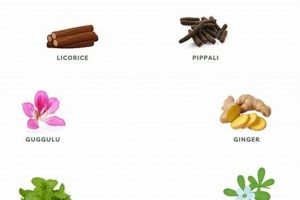
The convergence of traditional medicine and modern healthcare often leads individuals to explore plant-derived substances as potential treatments for metabolic disorders. This approach involves utilizing botanical preparations, derived from various plant parts, with the intention of managing blood glucose levels and mitigating the complications associated with a specific chronic condition. Such practices are frequently integrated into holistic wellness strategies alongside conventional medical interventions.
Historically, various cultures have relied on indigenous flora to address health concerns, including those related to blood sugar regulation. The perceived advantages stem from the natural origins of these treatments, with proponents suggesting they may offer gentler or more complementary pathways to support overall health and well-being. However, it’s essential to acknowledge that scientific evidence regarding their efficacy and safety can vary, and rigorous evaluation is crucial.
This article aims to provide an overview of specific botanical substances commonly employed in conjunction with diabetes management, examine the available research supporting or refuting their purported benefits, and emphasize the importance of consulting with qualified healthcare professionals before incorporating them into a treatment plan. Considerations for potential interactions with pharmaceutical medications and appropriate dosage guidelines will also be addressed.
The incorporation of plant-based substances into diabetes management requires careful consideration. The following guidelines are presented to facilitate informed decision-making and promote patient safety.
Tip 1: Prioritize Consultation with Qualified Healthcare Providers: Before initiating any botanical regimen for diabetes, a comprehensive discussion with a physician, endocrinologist, or registered dietitian is imperative. This ensures that the chosen substance does not contraindicate with existing medications or exacerbate underlying health conditions.
Tip 2: Scrutinize Product Sourcing and Quality: The botanical market is unregulated, and product quality can vary significantly. Seek out reputable suppliers who adhere to Good Manufacturing Practices (GMP) and provide third-party testing results confirming the identity, purity, and potency of their products.
Tip 3: Initiate with Conservative Dosages: Botanical substances can exhibit potent pharmacological effects. It is advisable to begin with the lowest recommended dosage and gradually increase it, if necessary, under the guidance of a healthcare professional. This minimizes the risk of adverse reactions.
Tip 4: Monitor Blood Glucose Levels Consistently: Regular monitoring of blood glucose levels is essential to assess the efficacy of botanical interventions and to detect any potential fluctuations that may require adjustments to medication dosages or dietary modifications.
Tip 5: Be Vigilant for Potential Drug Interactions: Certain botanical substances can interact with commonly prescribed diabetes medications, such as metformin or insulin, potentially leading to hypoglycemia or hyperglycemia. Awareness of these interactions is crucial for preventing adverse events.
Tip 6: Recognize the Limitations of Botanical Interventions: While botanical substances may offer adjunctive support for diabetes management, they should not be considered a replacement for conventional medical treatments. A comprehensive approach encompassing lifestyle modifications, medication adherence, and regular medical follow-up remains paramount.
Tip 7: Document All Botanical Use: Maintain a detailed record of all botanical substances being used, including the name, dosage, frequency, and any observed effects. This information is invaluable for communicating with healthcare providers and facilitating informed decision-making.
Adherence to these recommendations can optimize the safety and effectiveness of integrating plant-derived substances into diabetes management strategies. The key to success lies in a collaborative approach between patients and their healthcare team, emphasizing evidence-based practices and individualized treatment plans.
The following sections will delve further into specific botanical substances and their roles in supporting overall well-being for individuals living with diabetes.
1. Blood Glucose Regulation

Blood glucose regulation stands as a cornerstone in the management of diabetes, and it represents a primary target for many plant-derived substances. The connection between the two lies in the potential of these substances to influence metabolic pathways involved in glucose uptake, insulin sensitivity, and insulin secretion. Disrupted blood glucose regulation is a defining characteristic of diabetes, leading to hyperglycemia and subsequent long-term complications, including cardiovascular disease, neuropathy, and nephropathy. Therefore, any intervention, including botanical ones, aiming to improve glycemic control must demonstrate a tangible effect on blood glucose levels.
Botanical substances can affect blood glucose via several mechanisms. Some, like bitter melon, are hypothesized to enhance insulin sensitivity, allowing cells to utilize glucose more efficiently. Others, such as cinnamon, may mimic insulin’s effects or improve glucose transport. Still others, like fenugreek, could delay carbohydrate absorption in the gut, leading to a slower rise in blood sugar after meals. However, it is crucial to recognize that the effectiveness of these interventions can vary significantly between individuals, and the scientific evidence supporting their use ranges from preliminary to moderately supportive. Examples exist where individuals experience marked improvements in HbA1c levels with the addition of a specific botanical substance to their regimen, while others show little to no response.
In conclusion, the practical significance of understanding the relationship between blood glucose regulation and botanical approaches for diabetes lies in enabling informed decisions regarding their integration into treatment plans. Continuous glucose monitoring, in conjunction with regular consultations with healthcare professionals, is paramount to assessing the individual response to these substances. While certain botanical options may offer adjunctive support for glycemic control, they should not be viewed as a replacement for conventional medical interventions. The efficacy of any intervention requires validation through scientific investigation, emphasizing the importance of evidence-based practice.
2. Potential Drug Interactions

The intersection of botanical substances and conventional pharmaceuticals within diabetes management necessitates meticulous attention to potential drug interactions. Such interactions can arise when the pharmacokinetics or pharmacodynamics of a pharmaceutical medication are altered by a concurrently administered botanical product. This interplay can lead to diminished therapeutic efficacy of the prescribed drug or, conversely, to an augmented effect, potentially resulting in adverse events. The inherent complexity of botanical compositions, containing multiple bioactive compounds, increases the likelihood of unforeseen interactions.
A crucial example lies in the combined use of warfarin, an anticoagulant, and certain botanical substances such as ginger, garlic, and ginkgo biloba. All three possess inherent antiplatelet properties. Concurrent administration with warfarin can potentiate the anticoagulant effect, elevating the risk of bleeding complications. In the context of diabetes, individuals managed with insulin or sulfonylureas are particularly susceptible to hypoglycemic events if they simultaneously consume botanical substances that enhance insulin sensitivity or promote glucose uptake, such as bitter melon or fenugreek. Consequently, routine monitoring of blood glucose levels becomes paramount. The absence of standardization in botanical preparations further compounds the challenge, as varying concentrations of active constituents can unpredictably influence the extent of drug interactions.
Comprehending the risk of potential drug interactions is of paramount importance when considering botanical substances for diabetes management. Mitigation strategies involve thorough medication reconciliation, proactive communication between patients and healthcare providers, and cautious introduction of new botanical products with close monitoring of relevant clinical parameters. While some interactions may be predictable based on known pharmacological properties, others may remain undocumented, underscoring the need for vigilance and a conservative approach. Ignoring the potential for drug interactions can have detrimental effects on patient safety and compromise the effectiveness of prescribed treatments.
3. Scientific Evidence Scrutiny

Scientific evidence scrutiny forms the bedrock of responsible decision-making when considering botanical approaches for diabetes management. The integration of unverified or inadequately researched remedies can pose significant risks, potentially undermining conventional treatments and jeopardizing patient health. A critical evaluation of available evidence is therefore non-negotiable.
- Randomized Controlled Trials (RCTs)
RCTs represent the gold standard in evaluating the efficacy of botanical interventions. These studies, involving random assignment of participants to treatment and control groups, minimize bias and allow for causal inferences. The presence of multiple high-quality RCTs demonstrating a consistent and clinically meaningful benefit strengthens the evidence base. Conversely, the absence of RCTs, or the presence of RCTs with methodological flaws, raises concerns about the reliability of reported outcomes. For instance, studies investigating cinnamon’s impact on HbA1c often vary in design, dosage, and cinnamon type, leading to conflicting results and limiting definitive conclusions.
- Meta-Analyses and Systematic Reviews
Meta-analyses and systematic reviews synthesize data from multiple independent studies, providing a comprehensive overview of the available evidence. These analyses can increase statistical power and identify trends that may not be apparent in individual trials. However, the quality of a meta-analysis depends on the quality of the included studies. If the primary studies are flawed, the meta-analysis will inherit those limitations. The Cochrane Library is a valuable resource for accessing high-quality systematic reviews of healthcare interventions, including botanical treatments for diabetes.
- Mechanism of Action and Preclinical Data
Understanding the mechanism by which a botanical substance exerts its effects is crucial for assessing its plausibility and potential for interactions. Preclinical studies, often conducted in vitro or in animal models, can provide insights into the biochemical pathways affected by the substance. However, preclinical data does not always translate to clinical efficacy in humans. For instance, a botanical extract may demonstrate promising anti-inflammatory effects in vitro, but fail to exhibit similar effects in vivo due to bioavailability issues or differences in metabolism. Therefore, preclinical data should be viewed as hypothesis-generating rather than conclusive evidence.
- Adverse Event Reporting and Safety Data
Thorough safety data is paramount before recommending any botanical intervention. Adverse event reporting systems, such as those maintained by regulatory agencies, can provide valuable information about potential risks associated with specific substances. However, adverse events are often underreported, particularly for botanical products. Clinical trials should actively monitor and report adverse events, even if they are not directly attributable to the intervention. Furthermore, long-term safety data is often lacking for many botanical substances, highlighting the need for caution, particularly in vulnerable populations such as pregnant women and individuals with pre-existing medical conditions.
In light of these considerations, healthcare providers and patients must approach botanical treatments for diabetes with a critical and discerning eye. Overreliance on anecdotal evidence or marketing claims can lead to inappropriate use and potential harm. A comprehensive assessment of the available scientific evidence, coupled with informed clinical judgment, is essential for making responsible decisions and ensuring patient safety.
4. Quality and Sourcing

The effectiveness and safety of botanical substances utilized in diabetes management are inextricably linked to the quality of the raw materials and the integrity of the sourcing practices. Variations in plant genetics, growing conditions, harvesting methods, and manufacturing processes can significantly impact the concentration of active constituents and the presence of contaminants, directly influencing the therapeutic outcome and potential risks.
- Geographic Origin and Environmental Factors
The region in which a medicinal plant is cultivated profoundly affects its chemical composition. Soil composition, altitude, climate, and exposure to pollutants can alter the biosynthesis of active compounds. For example, ginseng cultivated in different geographic regions exhibits varying concentrations of ginsenosides, the compounds responsible for its purported adaptogenic effects. Therefore, identifying the precise geographic origin of a botanical substance is crucial for ensuring consistency and predicting its pharmacological activity. Sustainable harvesting practices also play a vital role, preventing overexploitation and preserving biodiversity.
- Cultivation Practices and Harvesting Techniques
Whether a plant is wild-harvested or cultivated under controlled conditions impacts its quality and safety. Wild-harvested plants may be subject to contamination from heavy metals, pesticides, or other environmental pollutants. Furthermore, incorrect identification of plant species can lead to the unintentional inclusion of toxic or inactive botanicals. Cultivated plants, grown under standardized conditions, offer greater control over quality and consistency. However, even in cultivated settings, proper harvesting techniques are essential. Harvesting at the optimal time of year, when the concentration of active constituents is highest, ensures maximum therapeutic potency. Improper drying and storage methods can degrade active compounds, rendering the botanical substance ineffective.
- Manufacturing Processes and Quality Control
The methods employed to process raw plant material into finished products significantly affect its quality. Extraction techniques, such as solvent extraction or steam distillation, can selectively isolate specific active compounds. However, the choice of solvent and extraction parameters can influence the purity and yield of the extract. Proper standardization, ensuring a consistent concentration of active constituents in each batch, is essential for achieving predictable therapeutic effects. Rigorous quality control measures, including testing for heavy metals, pesticides, microbial contamination, and adulteration, are necessary to ensure product safety. Certificates of Analysis (COAs) from independent third-party laboratories provide valuable documentation of product quality and purity.
- Authentication and Adulteration Prevention
Adulteration, the intentional or unintentional substitution of a botanical substance with another plant material, poses a significant threat to product quality and safety. Microscopic analysis, chemical fingerprinting, and DNA barcoding are techniques used to authenticate botanical substances and detect adulteration. Economically motivated adulteration, in which cheaper, less potent, or even toxic plant materials are substituted for more expensive ones, is a pervasive problem in the botanical industry. Consumers and healthcare providers should be vigilant about purchasing botanical products from reputable suppliers who employ rigorous authentication methods and can provide documentation of their authenticity.
In conclusion, ensuring the quality and traceability of botanical substances used in diabetes management requires a multi-faceted approach encompassing careful selection of plant sources, adherence to Good Agricultural and Collection Practices (GACP), implementation of stringent quality control measures during manufacturing, and utilization of authentication techniques to prevent adulteration. Choosing reputable suppliers who prioritize quality and transparency is paramount for mitigating risks and maximizing the potential benefits of botanical interventions in diabetes care.
5. Dosage Considerations

Dosage considerations constitute a critical facet of employing botanical substances in the context of diabetes management. The therapeutic or adverse effects of such remedies are directly proportional to the quantity administered, necessitating a precise and individualized approach. Inadequate dosage may result in a lack of clinical efficacy, while excessive amounts can precipitate adverse reactions, potentially exacerbating existing health conditions. Factors influencing appropriate dosage include patient weight, age, renal and hepatic function, concomitant medications, and the specific botanical substance being utilized. Without careful consideration of these variables, the potential benefits of a botanical intervention may be negated, and the risk of harm increased substantially.
For example, Gymnema sylvestre, a botanical often promoted for its blood sugar-lowering properties, requires careful titration. Starting with a low dose and gradually increasing it allows for monitoring of glycemic response and minimizes the risk of hypoglycemia, especially in individuals concurrently taking insulin or sulfonylureas. Conversely, a fixed, high dose, without accounting for individual patient characteristics, could lead to dangerous drops in blood glucose levels. Similarly, with cinnamon, where variations in coumarin content exist between different species (e.g., Ceylon vs. Cassia), dosage adjustments are crucial. High doses of Cassia cinnamon, with its higher coumarin concentration, can potentially lead to liver toxicity in susceptible individuals, highlighting the need for informed decision-making based on product-specific information and individual patient factors.
In conclusion, the determination of appropriate dosage represents a cornerstone of safe and effective botanical use in diabetes management. An individualized approach, guided by healthcare professional expertise, is essential to mitigate risks and optimize therapeutic outcomes. Failing to address dosage considerations adequately undermines the potential benefits of botanical substances and poses a demonstrable threat to patient well-being. The practice necessitates careful monitoring, open communication between patient and provider, and a commitment to evidence-based decision-making to ensure responsible integration of these remedies into diabetes care protocols.
6. Healthcare Provider Consultation

The integration of botanical substances into diabetes management necessitates diligent healthcare provider consultation. Such consultation serves as a critical safeguard, ensuring that any proposed herbal regimen aligns with established medical protocols and accounts for individual patient needs and potential risks. This proactive engagement mitigates the potential for adverse interactions and promotes informed decision-making.
- Medication Reconciliation and Interaction Screening
A primary function of healthcare provider consultation involves comprehensive medication reconciliation. This process identifies all prescription and over-the-counter medications, as well as any dietary supplements, the patient is currently taking. The healthcare provider then screens for potential interactions between the proposed herbal remedies and these existing medications. For example, a patient taking warfarin may face an increased risk of bleeding complications if concurrently consuming botanical substances known to possess antiplatelet properties, such as ginger or garlic. The provider can assess this risk and recommend alternative approaches or adjust medication dosages as needed.
- Individualized Risk Assessment and Monitoring
Healthcare provider consultation facilitates an individualized risk assessment. Factors such as patient age, renal and hepatic function, existing comorbidities, and the severity of diabetes are considered to determine the suitability of herbal interventions. Patients with impaired renal function, for instance, may require lower dosages of certain botanical substances to avoid toxicity. Furthermore, regular monitoring of blood glucose levels, liver function tests, and other relevant parameters is essential to detect any adverse effects early on and adjust the treatment plan accordingly. This proactive monitoring is crucial, as some botanical substances may exhibit delayed or cumulative effects.
- Evidence-Based Guidance and Product Selection
Healthcare providers can offer evidence-based guidance on the selection of appropriate herbal remedies. They possess the knowledge to evaluate the scientific literature supporting the efficacy and safety of different botanical substances. Furthermore, they can advise patients on reputable product manufacturers and sourcing practices, minimizing the risk of adulteration or contamination. For example, a provider might recommend a specific brand of cinnamon with documented coumarin levels to mitigate the risk of liver toxicity. This guidance is particularly valuable in light of the inconsistent quality and lack of regulation within the botanical supplement industry.
- Integration with Conventional Diabetes Management
Effective healthcare provider consultation ensures that herbal remedies are integrated into a comprehensive diabetes management plan. Botanical substances should not be viewed as a replacement for conventional medical treatments, such as insulin or oral hypoglycemic agents. Instead, they may serve as adjunctive therapies, potentially enhancing glycemic control or mitigating specific complications. The healthcare provider can guide patients on how to safely and effectively combine herbal remedies with their existing treatment regimen, optimizing overall health outcomes. Open communication and collaboration between the patient and provider are essential for achieving this integration successfully.
The multifaceted nature of healthcare provider consultation underscores its pivotal role in the safe and responsible utilization of botanical substances within diabetes management. This collaborative approach ensures that decisions are informed by evidence, tailored to individual patient needs, and integrated seamlessly with conventional medical protocols, ultimately promoting optimal health outcomes and minimizing potential risks associated with these interventions.
Frequently Asked Questions About Herbal Remedies Diabetes
This section addresses prevalent inquiries regarding the utilization of plant-derived substances in the management of diabetes. The information provided aims to offer clarity and promote informed decision-making, emphasizing the importance of evidence-based practices and healthcare professional guidance.
Question 1: Are herbal remedies a safe and effective substitute for conventional diabetes medications?
Herbal remedies should not be considered a replacement for prescribed diabetes medications. While some botanical substances may offer adjunctive support for glycemic control, their efficacy and safety are not uniformly established. Conventional medications undergo rigorous testing and are subject to regulatory oversight, ensuring a level of standardization and quality control that is often lacking in the herbal supplement industry. Discontinuing prescribed medications in favor of herbal remedies without consulting a healthcare professional can lead to uncontrolled hyperglycemia and serious health consequences.
Question 2: What are the potential risks associated with using herbal remedies for diabetes?
The use of herbal remedies for diabetes carries several potential risks. These include: (1) drug interactions with prescribed medications, potentially altering their efficacy or leading to adverse effects; (2) inconsistent product quality and adulteration, making it difficult to determine the actual dosage and purity of active ingredients; (3) lack of scientific evidence supporting their effectiveness, leading to unrealistic expectations and delayed appropriate medical care; and (4) potential adverse reactions, such as allergic reactions, gastrointestinal upset, or liver toxicity. A comprehensive risk assessment, conducted in consultation with a healthcare provider, is essential before initiating any herbal regimen.
Question 3: How can one ensure the quality and safety of herbal remedies?
Ensuring the quality and safety of herbal remedies requires careful sourcing and product selection. Look for products from reputable manufacturers who adhere to Good Manufacturing Practices (GMP) and provide Certificates of Analysis (COAs) from independent third-party laboratories. These COAs should verify the identity, purity, and potency of the product. Avoid products with vague labeling or unsubstantiated claims. Consulting with a qualified herbalist or healthcare provider can provide valuable guidance in selecting appropriate and safe herbal remedies.
Question 4: What role does diet and lifestyle play in diabetes management alongside herbal remedies?
Diet and lifestyle modifications are foundational to effective diabetes management and complement any herbal interventions. A balanced diet, rich in fiber and low in processed carbohydrates and saturated fats, is crucial for maintaining stable blood glucose levels. Regular physical activity enhances insulin sensitivity and promotes weight management. Stress reduction techniques, such as yoga or meditation, can also contribute to improved glycemic control. Herbal remedies should be viewed as an adjunct to, not a replacement for, these fundamental lifestyle changes.
Question 5: What specific questions should one ask a healthcare provider before using herbal remedies for diabetes?
When consulting a healthcare provider about herbal remedies for diabetes, consider asking the following questions: (1) Will this herbal remedy interact with any of my existing medications or health conditions? (2) What is the scientific evidence supporting the use of this herbal remedy for diabetes? (3) What are the potential side effects or risks associated with this herbal remedy? (4) What is the appropriate dosage and duration of treatment? (5) How will we monitor my blood glucose levels and overall health while I am using this herbal remedy? (6) Is this product from a reputable manufacturer and has it been independently tested for quality and purity?
Question 6: Where can reliable information about herbal remedies for diabetes be found?
Reliable information about herbal remedies for diabetes can be found from reputable sources, such as the National Center for Complementary and Integrative Health (NCCIH), the American Diabetes Association (ADA), and peer-reviewed medical journals. Be wary of anecdotal claims or information found on websites promoting the sale of herbal products. Always prioritize evidence-based information from trusted and unbiased sources. Consult with a healthcare professional for personalized guidance and recommendations.
In summary, while herbal remedies may offer some potential benefits in diabetes management, they should be approached with caution and used only under the guidance of a qualified healthcare professional. Prioritizing evidence-based practices, ensuring product quality, and addressing individual risk factors are essential for maximizing safety and efficacy.
The following sections will further elaborate on strategies for integrating botanical substances into a comprehensive diabetes management plan.
Herbal Remedies Diabetes
This article has explored the multifaceted considerations surrounding botanical interventions in diabetes management. The analysis has encompassed the importance of blood glucose regulation, the potential for drug interactions, the necessity of scientific evidence scrutiny, the critical role of product quality and sourcing, the nuanced aspects of dosage, and the imperative of healthcare provider consultation. These elements underscore the complexities inherent in incorporating plant-derived substances into diabetes care protocols.
The responsible integration of such remedies demands a commitment to evidence-based practice and a cautious approach to unverified claims. While certain botanical substances may offer adjunctive support, they should not supplant conventional medical treatments. Continued research and rigorous clinical trials are essential to further elucidate the efficacy and safety profiles of these interventions. Patients and healthcare providers must collaborate to make informed decisions, prioritizing patient well-being and optimizing diabetes management strategies.