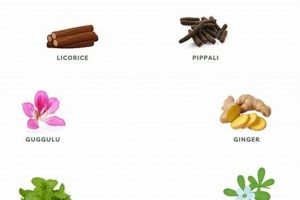
Substances derived from plants are sometimes explored as potential treatments for the autoimmune neuromuscular disorder characterized by weakness of skeletal muscles, known as myasthenia gravis. The exploration centers on the possibility of alleviating symptoms or modulating the immune system’s response. Examples include the investigation of specific plant extracts and their potential effects on acetylcholine receptors or the immune pathways involved in the disease.
The appeal of such approaches lies in the potential for fewer side effects compared to conventional immunosuppressants. Historically, various cultures have utilized plants for medicinal purposes, leading to contemporary research exploring the efficacy of these traditional practices. The pursuit of complementary therapies offers a possible avenue for individuals seeking to manage their condition holistically, alongside conventional medical treatments.
Subsequent sections will delve into specific botanical agents that have been studied, the scientific rationale behind their use, and the current state of research concerning their potential impact on myasthenia gravis. Furthermore, the article will address the critical need for rigorous scientific validation and emphasize the importance of consulting with qualified healthcare professionals before incorporating any complementary therapies into a treatment plan.
Guidance on Complementary Botanical Approaches
The following provides insights into the potential role of plant-derived substances in managing myasthenia gravis. These points are for informational purposes only and should not be interpreted as medical advice.
Tip 1: Research Reputable Sources: Prior to considering any botanical agent, investigate the available scientific literature from recognized databases (e.g., PubMed, Cochrane Library) to understand the existing evidence and potential limitations.
Tip 2: Identify Potential Interactions: Certain plant constituents may interact with conventional medications used to treat myasthenia gravis, such as cholinesterase inhibitors or immunosuppressants. A healthcare professional must evaluate potential drug-herb interactions.
Tip 3: Emphasize Quality and Purity: If pursuing a botanical product, prioritize products from reputable manufacturers who adhere to good manufacturing practices (GMP) to ensure consistent quality and minimize the risk of contamination.
Tip 4: Begin with a Low Dosage: Introduce new botanical agents at a low dosage to assess individual tolerance and monitor for adverse effects. Dosage should be adjusted based on individual response and under the supervision of a healthcare provider.
Tip 5: Maintain Open Communication with Healthcare Providers: Disclose all complementary and alternative therapies, including botanical substances, to the treating physician and other healthcare professionals to ensure comprehensive and coordinated care.
Tip 6: Observe and Document Effects: Carefully monitor and document any changes in symptoms, muscle strength, or overall well-being following the introduction of a new botanical agent. This information will be valuable for assessing its potential impact and guiding future treatment decisions.
Tip 7: Acknowledge the Lack of Definitive Evidence: It is crucial to recognize that while some botanical agents may show promise, the evidence supporting their efficacy in myasthenia gravis is often limited and requires further rigorous investigation.
These insights highlight the need for careful consideration, thorough research, and open communication with healthcare providers when exploring plant-derived approaches for managing myasthenia gravis.
The subsequent section will provide a conclusive overview of the information presented and underscore the importance of evidence-based decision-making in the management of this complex condition.
1. Limited Scientific Validation

The utilization of botanical substances for myasthenia gravis management is significantly impacted by the limited body of robust scientific evidence supporting their efficacy. This scarcity of rigorous validation stems from several factors, including a lack of large-scale, placebo-controlled clinical trials specifically designed to assess the therapeutic effects of individual herbs or herbal combinations on myasthenia gravis symptoms and disease progression. Consequently, claims regarding the benefits of specific botanical agents often rely on anecdotal evidence, traditional use, or preliminary in vitro and animal studies, which may not translate reliably to human outcomes.
The absence of definitive scientific validation carries substantial implications for individuals considering these therapeutic approaches. Without robust clinical evidence, it becomes challenging to accurately assess the potential benefits, risks, and optimal dosages of herbal remedies for myasthenia gravis. For instance, a particular herb might demonstrate anti-inflammatory properties in laboratory settings, suggesting a potential benefit for mitigating the autoimmune component of the disease. However, without human clinical trials, it remains uncertain whether this anti-inflammatory effect is clinically significant in individuals with myasthenia gravis, whether it can effectively improve muscle strength or reduce fatigue, and whether it poses any safety concerns. This lack of certainty underscores the need for caution and the importance of consulting with qualified healthcare professionals who can critically evaluate the available evidence and guide treatment decisions based on individual patient circumstances.
In conclusion, the “Limited Scientific Validation” aspect of “herbal remedies for myasthenia gravis” highlights the urgent need for further research. Future studies should focus on conducting well-designed clinical trials to rigorously evaluate the efficacy and safety of specific botanical agents for myasthenia gravis. Until such evidence becomes available, individuals should approach herbal remedies with caution, recognizing that their use is not a substitute for conventional medical treatments and that open communication with healthcare providers is essential to ensure safe and effective disease management.
2. Potential Drug Interactions
The consideration of potential drug interactions is paramount when evaluating the use of botanical substances in individuals diagnosed with myasthenia gravis. These interactions can arise from the pharmacological properties of plant-derived compounds, which may either augment or diminish the effects of conventional medications prescribed for the disease. This is of particular concern given the use of cholinesterase inhibitors, such as pyridostigmine, which are crucial for managing muscle weakness by increasing acetylcholine availability at the neuromuscular junction. Concurrent administration of certain botanical agents can interfere with acetylcholine metabolism or receptor function, potentially disrupting the carefully calibrated balance achieved with standard medications. For instance, some herbs possess anticholinergic properties that could counteract the effects of cholinesterase inhibitors, leading to a worsening of muscle weakness. Conversely, other plants might enhance cholinergic activity, leading to excessive stimulation and potentially triggering cholinergic crisis, a severe and life-threatening complication.
Beyond interactions with cholinesterase inhibitors, botanical substances can also interact with immunosuppressant medications frequently used to manage the autoimmune component of myasthenia gravis. For example, certain herbal products may stimulate the immune system, counteracting the intended effects of immunosuppressants like corticosteroids or azathioprine. Such interactions can compromise the efficacy of the immunosuppressant regimen, potentially leading to a relapse or exacerbation of myasthenia gravis symptoms. Furthermore, some botanical agents may affect the metabolism or excretion of immunosuppressants, altering their plasma concentrations and potentially increasing the risk of adverse effects. The complexity of these potential interactions underscores the importance of comprehensive medication reconciliation and careful evaluation of all concomitant therapies, including herbal remedies, by a qualified healthcare professional.
In summary, the risk of potential drug interactions represents a significant concern when considering the integration of botanical substances into the treatment plan for myasthenia gravis. A thorough understanding of the pharmacological properties of both conventional medications and herbal remedies, coupled with close monitoring for adverse effects, is essential to minimize the risk of harmful interactions and ensure the safety and well-being of individuals with this complex autoimmune disorder. Any decision to incorporate botanical therapies should be made in consultation with a healthcare provider familiar with both conventional and complementary medicine approaches.
3. Variable Product Quality

The inconsistent nature of product quality represents a significant challenge when considering the utilization of botanical substances for managing myasthenia gravis. Discrepancies in composition, potency, and purity can arise due to a lack of standardization in cultivation, harvesting, processing, and manufacturing practices. This variability directly impacts the reliability and predictability of therapeutic effects, thereby posing potential risks to individuals seeking symptom relief through such remedies.
- Source Material Authenticity
The correct identification of the plant species used in a product is crucial. Adulteration, substitution with similar-looking but distinct species, or use of incorrect plant parts can occur. This misidentification leads to products lacking the intended active compounds or containing unintended substances, potentially negating therapeutic benefits or introducing harmful components. For instance, a product labeled as containing a specific herb known for its anti-inflammatory properties may, in reality, contain a different plant with minimal or no such properties, rendering it ineffective for managing the inflammatory aspects of myasthenia gravis.
- Active Compound Concentration
The concentration of bioactive compounds can fluctuate significantly depending on factors such as growing conditions, harvesting time, and extraction methods. Standardized herbal extracts aim to ensure a consistent concentration of key compounds, but this standardization is not universally applied. The absence of standardization means that products may contain varying levels of active constituents, leading to unpredictable therapeutic effects. An individual might experience positive results with one batch of a product but find subsequent batches ineffective due to lower concentrations of the active compounds.
- Contamination Risks
Herbal products can be susceptible to contamination from various sources, including heavy metals, pesticides, molds, and bacteria. These contaminants can pose serious health risks, particularly for individuals with compromised immune systems, which is common among those with myasthenia gravis treated with immunosuppressants. Contamination can occur at any stage of the production process, from cultivation to packaging. Rigorous testing and quality control measures are essential to minimize the risk of contamination, but not all manufacturers adhere to these standards.
- Good Manufacturing Practices (GMP) Adherence
Adherence to Good Manufacturing Practices (GMP) is essential for ensuring consistent product quality and safety. GMP guidelines encompass various aspects of production, including facility hygiene, equipment maintenance, personnel training, and quality control procedures. Manufacturers that adhere to GMP standards are more likely to produce consistent and reliable products. However, not all herbal product manufacturers are certified or fully compliant with GMP guidelines, leading to variations in product quality and increasing the risk of contamination or adulteration.
These facets underscore the inherent challenges associated with variable product quality in the realm of botanical substances for myasthenia gravis. The lack of stringent regulatory oversight and standardization in the herbal product industry necessitates careful scrutiny and informed decision-making on the part of individuals considering such remedies. Prioritizing products from reputable manufacturers who adhere to GMP standards, conduct thorough testing, and provide transparent information about their sourcing and production processes is crucial for mitigating the risks associated with variable product quality.
4. Symptomatic Relief Focus

The management of myasthenia gravis often involves addressing the diverse range of symptoms that impact the affected individual’s quality of life. While conventional medical treatments aim to modulate the underlying autoimmune processes and improve neuromuscular transmission, botanical substances are frequently explored for their potential to provide adjunctive relief from specific symptoms.
- Muscle Weakness Mitigation
Certain botanical agents are investigated for their potential to enhance muscle strength or endurance. For example, some plant extracts contain compounds that may influence acetylcholine release or receptor sensitivity, potentially leading to modest improvements in muscle function. However, it is crucial to recognize that such effects are typically subtle and may not provide the same level of improvement as conventional cholinesterase inhibitors. Any perceived benefit must be carefully evaluated in the context of individual patient response and potential placebo effects.
- Fatigue Reduction
Fatigue is a common and debilitating symptom in myasthenia gravis, often disproportionate to the degree of muscle weakness. Adaptogenic herbs, traditionally used to enhance resilience to stress and improve energy levels, are sometimes explored for their potential to combat fatigue in this population. However, the evidence supporting the efficacy of adaptogens for fatigue in myasthenia gravis is limited, and their use should be approached with caution, particularly in individuals with pre-existing medical conditions or those taking immunosuppressant medications.
- Pain Management
Muscle aches and pains are frequently reported by individuals with myasthenia gravis, potentially stemming from chronic muscle weakness and compensatory movements. Certain botanical substances with analgesic or anti-inflammatory properties may offer temporary relief from pain symptoms. However, it is essential to consider the potential for drug interactions, particularly with non-steroidal anti-inflammatory drugs (NSAIDs) or other pain medications. Furthermore, long-term use of botanical analgesics should be carefully evaluated due to potential adverse effects.
- Sleep Improvement
Sleep disturbances are prevalent in myasthenia gravis, often linked to muscle weakness, pain, and anxiety. Some individuals explore sedative herbs or relaxing teas to promote sleep. However, it is crucial to exercise caution when using such remedies, as they may exacerbate muscle weakness or interact with other medications. Furthermore, addressing underlying causes of sleep disturbances, such as pain or anxiety, is essential for long-term sleep improvement.
These potential applications illustrate the symptomatic relief focus of botanical substances in myasthenia gravis management. It is important to emphasize that herbal remedies should not be considered a substitute for conventional medical treatments. Their use should be carefully evaluated in consultation with a healthcare provider, and any perceived benefits should be balanced against potential risks and limitations. The primary goal should be to optimize overall symptom management and improve quality of life while ensuring patient safety.
5. Adjunctive Therapy Role

In the context of myasthenia gravis, botanical substances are generally considered to have an adjunctive role rather than serving as primary treatments. This classification arises from the understanding that conventional medical interventions, such as cholinesterase inhibitors and immunosuppressants, are the cornerstone of managing the disease’s underlying mechanisms and clinical manifestations. The potential value of herbal remedies lies in their capacity to complement these standard therapies, potentially addressing specific symptoms or supporting overall well-being.
- Symptom Management Enhancement
Botanical agents may be employed to address specific symptoms that persist despite conventional treatment. For example, adaptogenic herbs could be considered to alleviate fatigue, while analgesic herbs may offer temporary relief from muscle pain. However, it is critical to recognize that the evidence supporting these applications is often limited, and their efficacy can vary significantly among individuals. The focus should be on carefully selecting botanical substances that align with specific symptom profiles and monitoring their effects closely.
- Support for Conventional Therapies
Certain herbal remedies are proposed to support the efficacy or reduce the side effects of conventional medications. For instance, some botanical compounds may enhance the bioavailability of immunosuppressants, potentially allowing for lower dosages and reduced toxicity. However, such applications require rigorous scientific validation and careful consideration of potential drug interactions. Collaboration between medical professionals and qualified herbalists is essential to ensure safe and effective integration with conventional treatments.
- Holistic Well-being Promotion
Myasthenia gravis can significantly impact an individual’s overall quality of life, affecting physical, emotional, and psychological well-being. Botanical substances may be incorporated into a holistic approach aimed at promoting relaxation, improving sleep quality, or reducing anxiety. These interventions can complement conventional medical care by addressing the broader aspects of the individual’s experience with the disease. However, it is crucial to recognize that herbal remedies are not a substitute for professional mental health support when needed.
- Individualized Treatment Approach
The selection of botanical substances for adjunctive therapy should be individualized, taking into account the patient’s specific symptoms, medical history, and potential drug interactions. A qualified healthcare professional should conduct a thorough assessment to determine whether herbal remedies are appropriate and to identify potential risks or contraindications. Open communication between the patient, physician, and herbalist is essential to ensure a coordinated and safe treatment plan.
These facets emphasize that the “adjunctive therapy role” of botanical substances within the context of myasthenia gravis necessitates a cautious and informed approach. Herbal remedies are not a replacement for standard medical care but may serve as valuable complements when integrated thoughtfully and under the guidance of qualified healthcare professionals, contributing to a comprehensive strategy for managing the disease and improving the individual’s overall well-being.
Frequently Asked Questions
The following addresses common inquiries regarding the use of plant-derived substances in the context of myasthenia gravis, providing factual information for informed decision-making.
Question 1: Can herbal remedies cure myasthenia gravis?
There is no scientific evidence to support the claim that herbal remedies can cure myasthenia gravis. Myasthenia gravis is an autoimmune disorder requiring comprehensive medical management. Botanical substances may offer adjunctive support, but should not be considered a replacement for conventional treatments.
Question 2: Are herbal remedies safe to use with myasthenia gravis medications?
The safety of combining herbal remedies with medications for myasthenia gravis, such as cholinesterase inhibitors or immunosuppressants, is not definitively established. Certain herbal constituents may interact with these medications, potentially altering their effectiveness or increasing the risk of adverse effects. Consultation with a qualified healthcare professional is crucial to assess potential drug-herb interactions.
Question 3: What specific herbal remedies are commonly used for myasthenia gravis?
Various botanical substances are sometimes explored for their potential to alleviate symptoms associated with myasthenia gravis, including adaptogenic herbs for fatigue and analgesic herbs for muscle pain. However, scientific evidence supporting the efficacy of specific herbal remedies for this condition remains limited.
Question 4: How can the quality of herbal remedies be assured?
The quality of herbal products can vary significantly. To minimize the risk of contamination or inconsistent potency, prioritize products from reputable manufacturers who adhere to Good Manufacturing Practices (GMP) and conduct thorough testing for active compounds and contaminants.
Question 5: What are the potential risks associated with herbal remedies for myasthenia gravis?
Potential risks include adverse reactions, drug interactions, contamination, and inconsistent product quality. Individuals with myasthenia gravis should exercise caution when considering herbal remedies and maintain open communication with their healthcare providers to minimize potential harm.
Question 6: Where can reliable information about herbal remedies for myasthenia gravis be found?
Reliable information can be obtained from reputable scientific databases (e.g., PubMed, Cochrane Library), academic institutions, and qualified healthcare professionals with expertise in both conventional and complementary medicine. Avoid relying solely on anecdotal evidence or unsubstantiated claims.
The information provided underscores the need for a cautious and evidence-based approach when considering herbal remedies for myasthenia gravis. Consultation with a qualified healthcare professional is essential to ensure safe and effective management of this complex condition.
Subsequent sections will discuss the regulatory landscape surrounding herbal products and the ethical considerations involved in their use within the context of myasthenia gravis.
Conclusion
The preceding discussion has explored the complexities inherent in considering botanical substances as potential adjunctive therapies for myasthenia gravis. While the allure of natural remedies persists, it is imperative to acknowledge the limited scientific validation, potential drug interactions, variable product quality, and symptomatic relief focus that characterize the current state of knowledge. The information presented underscores the fact that such approaches should not be construed as replacements for established medical interventions.
Ultimately, individuals with myasthenia gravis must prioritize evidence-based decision-making in collaboration with qualified healthcare professionals. The responsible exploration of complementary therapies requires a thorough understanding of both potential benefits and inherent risks, coupled with open communication and vigilant monitoring. The future may witness further research clarifying the role of specific botanical agents, but until that time, prudence and rigorous scientific scrutiny remain paramount.