A natural approach to alleviating influenza symptoms utilizes plant-derived substances. These treatments aim to support the body’s immune response and reduce the severity and duration of the illness. An example includes the use of elderberry extract to shorten the lifespan of the flu virus.
The significance of these approaches lies in their potential to offer alternatives to conventional pharmaceutical interventions, particularly for individuals seeking to avoid potential side effects. Historically, many cultures have employed botanical preparations for medicinal purposes, developing extensive knowledge of their therapeutic properties in addressing seasonal illnesses. The appeal stems from the perception of gentler action and a holistic approach to health.
The following sections will delve into specific botanicals recognized for their anti-viral and immune-boosting effects, proper preparation methods, and potential contraindications. Furthermore, it will address the scientific evidence supporting the efficacy of certain herbal treatments and outline safety precautions to ensure responsible utilization.
Guidance on Utilizing Plant-Based Approaches for Influenza
The following recommendations are intended to provide information on the safe and effective use of botanicals in addressing influenza symptoms. This information is not a substitute for professional medical advice.
Tip 1: Consult a Healthcare Professional: Prior to initiating any treatment, consult a qualified healthcare provider, especially if pre-existing medical conditions are present or if currently taking prescription medications. Interactions between herbs and pharmaceuticals may occur.
Tip 2: Source High-Quality Products: Select products from reputable manufacturers that adhere to Good Manufacturing Practices (GMP). This ensures product purity and accurate labeling of ingredients. Verify that the product is free from contaminants.
Tip 3: Adhere to Recommended Dosages: Strictly follow the dosage instructions provided on the product label or as advised by a healthcare professional. Exceeding the recommended dosage may lead to adverse effects.
Tip 4: Consider Elderberry Extract: Scientific research suggests that elderberry extract may reduce the duration and severity of influenza symptoms. Standardized extracts are preferred; follow usage instructions closely.
Tip 5: Incorporate Immune-Boosting Herbs: Echinacea and Astragalus are traditionally used to support immune function. However, individuals with autoimmune disorders should exercise caution and consult a healthcare professional before use.
Tip 6: Stay Hydrated: Drink plenty of fluids, such as water, herbal teas (ginger, chamomile), and clear broths, to prevent dehydration and support the body’s natural detoxification processes.
Tip 7: Monitor for Allergic Reactions: Be vigilant for signs of allergic reactions, such as skin rashes, itching, swelling, or difficulty breathing. Discontinue use immediately and seek medical attention if any of these symptoms occur.
The appropriate utilization of plant-based approaches can offer symptomatic relief and support the bodys natural defenses against influenza. Strict adherence to quality control, dosage guidelines, and consultation with healthcare professionals are essential.
The subsequent sections of this article will explore the evidence supporting the use of specific plant-derived compounds and address potential limitations and safety considerations.
1. Efficacy Assessment

Evaluating the effectiveness of plant-derived substances in managing influenza involves rigorous scientific scrutiny. This assessment determines whether a proposed remedy offers tangible benefits beyond placebo effects and addresses the specific mechanisms of action.
- Clinical Trial Rigor
Randomized, double-blind, placebo-controlled clinical trials serve as the gold standard for efficacy assessment. These trials compare the outcomes of individuals receiving the plant-derived substance to those receiving a placebo, minimizing bias and providing statistical evidence of effectiveness. The robustness of these trials, including sample size and study design, directly impacts the reliability of the findings.
- Mechanism of Action
Understanding how a plant-derived substance interacts with the influenza virus or the host’s immune system is crucial. This involves identifying the active compounds responsible for the observed effects and elucidating their molecular targets. For example, demonstrating that a substance inhibits viral replication or enhances the immune response strengthens the evidence supporting its efficacy.
- Standardization and Quality Control
The consistency and quality of plant-derived substances are vital for reliable efficacy assessment. Standardization ensures that each dose contains a consistent amount of active compounds, while quality control measures prevent contamination and adulteration. Variations in these factors can lead to inconsistent results and undermine the validity of efficacy studies.
- Meta-Analysis and Systematic Reviews
Synthesizing the results of multiple studies through meta-analysis and systematic reviews provides a comprehensive overview of the available evidence. These analyses pool data from individual trials, increasing statistical power and allowing for more robust conclusions about the efficacy of a specific plant-derived substance. However, the quality of the included studies significantly impacts the reliability of these reviews.
The scientific evaluation of these preparations requires adhering to the principles of evidence-based medicine. Only through rigorous and transparent assessment can claims regarding the usefulness of these treatments be substantiated. Lack of evidence-based research hinders the acceptance of the plant-derived substances within mainstream healthcare practices.
2. Safety Profile

The safety profile is a critical consideration in the context of plant-derived influenza interventions. It encompasses potential adverse effects, interactions with other medications, and contraindications based on individual health conditions. Thorough understanding of the safety profile is essential for responsible utilization.
- Adverse Reactions
Plant-derived substances, while often perceived as gentle, can induce adverse reactions in some individuals. These reactions range from mild gastrointestinal upset to severe allergic responses. For instance, Echinacea, while commonly used for immune support, may cause allergic reactions in individuals sensitive to plants in the daisy family. Pre-existing allergies should prompt caution and consultation with a healthcare professional. The specific plant and individual factors both contribute to risk.
- Drug Interactions
Interactions between plant-derived compounds and conventional pharmaceuticals can alter drug efficacy or increase the risk of adverse effects. St. John’s Wort, although not a primary treatment for influenza, is a potent enzyme inducer and can significantly reduce the effectiveness of many medications, including antiviral drugs. Concurrent use of plant-derived substances and prescription medications necessitates careful evaluation by a healthcare provider or pharmacist.
- Contraindications Based on Health Conditions
Certain medical conditions may preclude the use of specific plant-derived remedies. Individuals with autoimmune disorders should exercise caution with immune-stimulating herbs like Echinacea, as they may exacerbate symptoms. Pregnant or breastfeeding women require specialized guidance due to the potential effects of plant compounds on fetal development or infant health. Liver or kidney disease can also affect the metabolism and excretion of plant-derived substances, altering their safety profile.
- Dosage and Duration Considerations
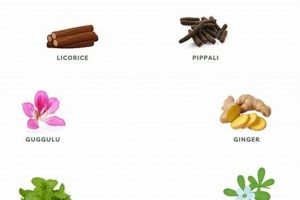
The safety profile of plant-derived remedies is often dose-dependent. Higher dosages may increase the risk of adverse effects. Prolonged use may also lead to unexpected consequences. For example, extended consumption of licorice root can cause elevated blood pressure and electrolyte imbalances. Adherence to recommended dosages and durations is crucial to minimize potential harm.
In conclusion, a comprehensive assessment of the safety profile is indispensable when considering the use of plant-derived approaches for influenza. Awareness of potential adverse reactions, drug interactions, and contraindications based on health conditions, coupled with adherence to appropriate dosages, contributes to the responsible and safe use of these interventions.
3. Preparation Methods

The efficacy and safety of botanical treatments for influenza are intrinsically linked to preparation methods. The method used to extract and process plant material significantly impacts the concentration of active compounds and the presence of potentially harmful substances. Therefore, a thorough understanding of preparation techniques is vital for realizing the therapeutic potential of these natural remedies.
- Extraction Techniques
Extraction methods, such as maceration, infusion, decoction, and percolation, influence the types and quantities of compounds obtained from the plant material. Maceration involves soaking the plant in a solvent (e.g., water, alcohol) at room temperature, while infusion involves steeping it in hot water. Decoction requires boiling the plant material in water for an extended period. Percolation involves slowly passing a solvent through the plant material. The choice of extraction method affects the final composition and potency of the remedy. For instance, a decoction may extract more of certain compounds than an infusion, potentially influencing therapeutic effects and safety.
- Solvent Selection
The solvent used in extraction plays a critical role in determining which compounds are dissolved and retained in the final product. Water is a common solvent for extracting water-soluble compounds, while alcohol is often used to extract a broader range of substances, including resins and oils. The polarity of the solvent dictates its ability to dissolve specific compounds. Inappropriate solvent selection may result in a product lacking the desired therapeutic constituents or containing undesirable substances. Furthermore, residual solvents in the final product should be within acceptable safety limits, particularly if using solvents other than water or food-grade alcohol.
- Drying and Storage
Proper drying and storage techniques are crucial for preserving the integrity and potency of plant material before extraction. Improper drying can lead to mold growth, enzymatic degradation, and loss of volatile compounds. Plant material should be dried in a well-ventilated area away from direct sunlight to minimize degradation. Storage conditions, including temperature, humidity, and light exposure, can also affect the stability of the plant material. Properly dried and stored plant material ensures that the final remedy retains its therapeutic properties over time.
- Standardization and Quality Control
Standardization involves adjusting the concentration of specific active compounds in the final product to ensure consistency from batch to batch. Quality control measures, such as chromatographic analysis, verify the identity and purity of the plant material and the final remedy. These measures help prevent adulteration, contamination, and variations in potency, ensuring that the remedy meets established quality standards. Standardized extracts offer a more reliable and predictable therapeutic effect compared to non-standardized preparations.
In essence, careful attention to the nuances of preparation methods is paramount for producing effective and safe botanical treatments for influenza. From extraction techniques and solvent selection to drying, storage, and standardization, each step influences the final product’s composition, potency, and safety profile. Therefore, individuals should source botanical remedies from reputable manufacturers who adhere to rigorous quality control standards and employ appropriate preparation techniques.
4. Specific Botanicals

The efficacy of any strategy for mitigating influenza rests upon the specific bioactive compounds present in the selected plant. The presence and concentration of these compounds dictate the pharmacological effect. For instance, elderberry ( Sambucus nigra ) demonstrates anti-viral properties attributed to its anthocyanin content, which inhibits viral entry into host cells. The absence of sufficient anthocyanins, due to improper cultivation or processing, renders the elderberry ineffective. Similarly, preparations of Echinacea purpurea rely on the presence of alkamides and polysaccharides to stimulate immune function. The selection of inappropriate Echinacea species or inadequate extraction processes will result in a product lacking the necessary constituents, thereby diminishing its potential benefit.
The specific biochemical composition of plant-derived substances is further crucial because it determines the safety profile. Some botanicals, while possessing therapeutic potential, may also contain constituents that cause adverse reactions or interact negatively with conventional medications. For example, while licorice root ( Glycyrrhiza glabra) possesses anti-inflammatory properties, its glycyrrhizin content can elevate blood pressure and deplete potassium levels, posing risks to individuals with hypertension or cardiovascular conditions. Therefore, awareness of the complete biochemical profile of the botanical, not just the perceived active component, is essential for informed and responsible use. The potential for adulteration or contamination of botanical products further underscores the need for stringent quality control measures to ensure the presence of the intended species and the absence of harmful substances.
In summary, the selection of specific botanicals, underpinned by a comprehensive understanding of their chemical composition, pharmacological actions, and potential risks, is paramount to formulating effective and safe strategies against influenza. The presence, concentration, and purity of key bioactive compounds determine both the therapeutic benefit and the potential for adverse effects. Consequently, individuals seeking to utilize plant-derived substances for influenza should prioritize quality-controlled products and seek guidance from healthcare professionals knowledgeable in botanical medicine to ensure responsible and informed usage.
5. Dosage Adherence

Consistent and accurate adherence to recommended dosages is a critical determinant of both the efficacy and safety of any plant-derived influenza intervention. Deviations from established dosage guidelines can compromise therapeutic outcomes and elevate the risk of adverse effects. Therefore, dosage adherence is not merely a procedural detail but a fundamental requirement for responsible utilization.
- Efficacy Threshold
Many herbal remedies require a minimum concentration of active constituents to elicit a measurable therapeutic response. Insufficient dosages may fail to reach this threshold, rendering the intervention ineffective. For instance, studies on elderberry extract have demonstrated a dose-dependent relationship between anthocyanin concentration and viral inhibition. Suboptimal dosages may not provide sufficient anti-viral activity to significantly reduce symptom severity or duration.
- Toxicity Considerations
Exceeding recommended dosages can increase the risk of adverse effects, some of which may be severe. Certain plant compounds, while possessing therapeutic potential at appropriate concentrations, can exhibit toxic effects at higher levels. For example, excessive consumption of licorice root can lead to hypertension and electrolyte imbalances. Adherence to dosage guidelines is essential to minimize the potential for toxicity and ensure patient safety.
- Variability in Product Potency
The potency of plant-derived products can vary considerably due to factors such as plant species, growing conditions, extraction methods, and storage conditions. Standardized extracts, which contain a known concentration of active constituents, offer greater dosage precision. However, even with standardized products, adherence to recommended dosages is crucial, as individual responses can vary. Non-standardized products require even greater caution, as the lack of potency information makes accurate dosing more challenging.
- Influence of Individual Factors
Individual factors such as age, weight, metabolism, and pre-existing health conditions can influence the appropriate dosage of plant-derived remedies. Children, the elderly, and individuals with impaired liver or kidney function may require lower dosages to minimize the risk of adverse effects. Consultation with a qualified healthcare professional is recommended to determine the optimal dosage based on individual circumstances.
In summary, dosage adherence is a non-negotiable aspect of using herbal remedies for influenza. It directly impacts both the likelihood of achieving therapeutic benefits and the potential for adverse effects. Patients must adhere to recommended dosages, consider variability in product potency, and account for individual factors that may influence dosing requirements. Failure to do so can compromise the efficacy and safety of the intervention.
Frequently Asked Questions
The following questions and answers address common concerns and provide informative insights regarding the utilization of botanicals for influenza management. This information serves to clarify key aspects and promote informed decision-making.
Question 1: Are plant-derived substances a substitute for conventional antiviral medications in treating influenza?
Plant-derived substances are not a direct substitute for prescription antiviral medications in cases of severe influenza or in individuals at high risk of complications. The scientific evidence supporting the efficacy of these substances may be less robust than that for conventional antivirals. Plant-based approaches may serve as complementary strategies to manage symptoms and support the body’s natural defenses, but they should not replace medically necessary interventions.
Question 2: What factors determine the effectiveness of a plant-based treatment for influenza?
The effectiveness of plant-based treatments is multifaceted and depends on factors such as the specific botanical used, the concentration of active constituents, the quality of the product, the individual’s immune status, and the timing of intervention. Early administration, at the onset of symptoms, tends to yield better results. Consistency in preparation and adherence to recommended dosages are also critical for realizing potential benefits.
Question 3: How can potential interactions between plant-derived substances and conventional medications be minimized?
Minimizing potential interactions requires careful evaluation and communication with healthcare professionals. Individuals should disclose all medications, including over-the-counter drugs and herbal supplements, to their physician or pharmacist. Healthcare providers can assess potential interactions and provide guidance on safe and appropriate use. In some cases, adjustments to medication dosages or the timing of administration may be necessary.
Question 4: What are the key considerations for selecting a high-quality botanical product for influenza?
Selecting a high-quality product involves verifying that the manufacturer adheres to Good Manufacturing Practices (GMP). Look for products that have been third-party tested for purity, potency, and authenticity. Standardized extracts, which contain a known concentration of active constituents, offer greater reliability. Research the manufacturer’s reputation and read reviews from other consumers to assess product quality and customer satisfaction.
Question 5: Are plant-derived treatments safe for all individuals, including pregnant women and children?
The safety of plant-derived treatments varies depending on the specific botanical and the individual’s health status. Certain botanicals may be contraindicated during pregnancy, breastfeeding, or in children. Pregnant women and children should consult with a qualified healthcare professional before using any plant-based remedy. It is imperative to prioritize safety and seek professional guidance to ensure appropriate and responsible use.
Question 6: What evidence supports the use of specific plant-derived substances for influenza symptom management?
Some plant-derived substances, such as elderberry extract, have been studied in clinical trials and shown to reduce the duration and severity of influenza symptoms. Echinacea and ginger have been traditionally used for immune support and symptom relief, although the scientific evidence supporting their efficacy is less conclusive. It is essential to critically evaluate the available evidence and consult with healthcare professionals to determine the suitability of specific plant-based approaches.
The information presented in this FAQ section provides a foundation for understanding the appropriate and responsible use of botanicals in the context of influenza management. It is essential to acknowledge the limitations of plant-derived substances and seek professional guidance when necessary.
The subsequent section will explore practical considerations for integrating these natural approaches into a comprehensive influenza management plan.
Herbal Remedy for Flu
The preceding discussion has explored the complexities surrounding botanical approaches to influenza management. Key considerations, including efficacy assessment, safety profiles, appropriate preparation methods, the selection of specific botanicals, and strict adherence to dosage guidelines, have been thoroughly examined. The information presented underscores the critical need for a discerning and evidence-based approach to these interventions. While certain plant-derived substances demonstrate potential benefits for symptom relief, they are not universally applicable, nor should they be considered a replacement for conventional medical care in severe cases or for individuals at high risk of complications.
The responsible utilization of a herbal remedy for flu necessitates a commitment to quality, informed decision-making, and ongoing consultation with qualified healthcare professionals. As research continues to evolve, future studies may further clarify the role of specific botanicals in influenza management. However, the current state of knowledge demands a balanced perspective, acknowledging both the potential benefits and the inherent limitations of these approaches. Individuals must prioritize their health and well-being by seeking professional guidance and making informed choices based on the best available evidence.