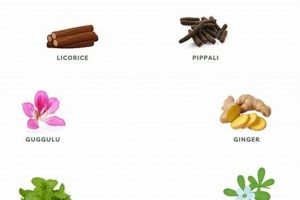
The provision of natural therapies, derived from plants, to support those who tend to the well-being of others represents a multifaceted approach to holistic care. This involves leveraging the therapeutic properties of botanicals to alleviate the physical and emotional strains often experienced by individuals in supportive roles. As an example, teas and tinctures may be employed to promote relaxation and reduce stress in those providing care.
The significance of this practice stems from the demanding nature of caregiving, which can lead to burnout, anxiety, and other health issues. Historically, various cultures have recognized the power of plant-based medicine in fostering resilience and overall wellness. The integration of such methods acknowledges the need to address the health of individuals dedicated to supporting others, thereby ensuring they can continue to provide effective and compassionate care.
The following sections will delve into specific applications of plant-derived solutions, exploring their uses in promoting relaxation, managing stress, and improving overall well-being for those in caregiver roles. Consideration will be given to potential contraindications and necessary precautions when using such solutions.
Guidance for Caregivers
The subsequent points offer direction on integrating plant-derived solutions to bolster the well-being of those in supportive roles. These recommendations are intended to inform safe and effective practices.
Tip 1: Stress Mitigation through Adaptogens: Employ adaptogenic herbs, such as Ashwagandha or Rhodiola, known for their ability to help the body adapt to stress. Consistent, low doses, as directed by a qualified herbalist, may aid in regulating cortisol levels and promoting emotional equilibrium.
Tip 2: Promote Restful Sleep with Calming Herbs: Incorporate herbs like chamomile, lavender, or valerian root to facilitate restful sleep. Consume as a tea or tincture before bedtime. It is critical to be aware of potential interactions with medications.
Tip 3: Alleviate Muscle Tension with Topical Applications: Utilize topical creams or oils containing herbs such as arnica or St. John’s Wort for localized muscle pain relief. Apply to affected areas to reduce inflammation and ease tension.
Tip 4: Enhance Cognitive Function with Rosemary: Incorporate rosemary into the diet or utilize rosemary essential oil for its cognitive-enhancing properties. Rosemary has been demonstrated to improve memory and focus.
Tip 5: Support Digestive Health with Ginger and Peppermint: Consume ginger or peppermint tea to ease digestive discomfort. These herbs can help alleviate nausea, bloating, and indigestion, common ailments resulting from stressful caregiving environments.
Tip 6: Seek Professional Guidance: Consult with a qualified herbalist or healthcare professional before initiating any herbal regimen. This step is critical to ensure the safe and appropriate application of plant-derived remedies.
The careful implementation of these recommendations can serve to improve the health and resilience of individuals providing support to others, allowing for sustained and compassionate care.
The subsequent sections will further explore specific applications of herbal solutions and address potential safety considerations.
1. Stress Reduction Techniques

The incorporation of stress reduction techniques constitutes a fundamental component of holistic care plans designed for individuals in supportive roles. Chronic stress, a pervasive consequence of caregiving responsibilities, can significantly impair physical and psychological well-being, ultimately affecting the quality of care provided. Herbal remedies, when judiciously applied, offer a pathway to mitigate the physiological manifestations of stress, promoting a state of relative equilibrium. For example, individuals experiencing anxiety may benefit from the anxiolytic properties of lavender or chamomile, consumed either as tea or through aromatherapy. These botanicals interact with the nervous system, potentially reducing feelings of tension and promoting relaxation.
The efficacy of such herbal interventions is contingent upon a comprehensive understanding of the caregiver’s specific stressors and underlying health conditions. A systematic approach, involving the identification of triggers and the subsequent selection of appropriate herbal therapies, is paramount. Furthermore, the concurrent implementation of complementary stress management strategies, such as mindfulness practices or physical exercise, can amplify the therapeutic effects of herbal remedies. For instance, a caregiver experiencing sleep disturbances due to heightened stress levels could combine a bedtime routine involving chamomile tea with guided meditation exercises to promote improved sleep quality.
In summary, the strategic integration of stress reduction techniques, encompassing herbal remedies, represents a critical investment in the long-term health and resilience of individuals in supportive roles. This approach acknowledges the inherent challenges associated with caregiving and provides a framework for mitigating the adverse effects of chronic stress, fostering a sustainable environment of compassionate and effective care. The responsible application of these remedies, guided by professional expertise, can significantly enhance the well-being of caregivers and, by extension, the individuals they serve.
2. Sleep Quality Improvement

Sleep quality improvement is a critical component in the holistic well-being of individuals in caregiving roles. The demands and stressors inherent in providing care frequently lead to disrupted sleep patterns and reduced sleep quality, exacerbating the risk of burnout and negatively impacting overall health. The integration of herbal remedies offers a potential avenue for enhancing sleep without the adverse effects associated with some pharmaceutical interventions.
- Regulation of Sleep-Wake Cycles
Herbal remedies can influence the circadian rhythm, thereby facilitating the natural regulation of sleep-wake cycles. For example, valerian root has demonstrated the ability to modulate the production of GABA, a neurotransmitter that promotes relaxation and reduces nervous system activity, leading to improved sleep onset and duration. This regulation is particularly pertinent for caregivers experiencing insomnia due to irregular schedules and persistent anxiety.
- Reduction of Sleep Anxiety
Anxiety frequently contributes to sleep disturbances among caregivers. Herbs such as chamomile and lavender possess anxiolytic properties that can diminish anxiety levels, thus fostering a more conducive environment for sleep. These herbs can be administered through various routes, including teas, tinctures, or aromatherapy, offering versatility to suit individual preferences and needs. The reduction of pre-sleep anxiety can significantly improve both the duration and quality of sleep, leading to enhanced daytime functionality.
- Alleviation of Physical Discomfort
Physical discomfort, stemming from the physical demands of caregiving, can impede sleep. Certain herbal remedies possess anti-inflammatory and analgesic properties that can alleviate pain and discomfort, thereby facilitating improved sleep quality. For instance, topical applications of arnica may reduce muscle soreness, while ingested turmeric may decrease systemic inflammation. The reduction of physical impediments to sleep contributes directly to enhanced restorative rest.
- Enhancement of Sleep Architecture
Sleep architecture refers to the cyclical progression through various stages of sleep, each of which is crucial for restorative processes. Specific herbs may positively influence sleep architecture, promoting deeper and more restorative sleep stages. Lemon balm, for example, has been suggested to enhance slow-wave sleep, a stage critical for physical restoration. Improved sleep architecture translates into increased daytime alertness, cognitive function, and overall well-being for caregivers.
The strategic incorporation of these herbal approaches, coupled with comprehensive sleep hygiene practices, offers a potential means to significantly improve sleep quality for individuals in supportive roles. The benefits of enhanced sleep extend beyond individual well-being, contributing to the sustained capacity for compassionate and effective care provision. It is crucial, however, to emphasize the necessity of consulting with qualified healthcare professionals or herbalists to ensure safe and appropriate usage, accounting for individual medical histories and potential interactions with existing medications.
3. Muscle Tension Relief

The alleviation of muscular tension represents a crucial aspect within the framework of plant-derived solutions tailored for individuals in supportive roles. The physically demanding nature of caregiving, often involving repetitive movements, prolonged periods of standing, and the manual handling of individuals, frequently results in musculoskeletal strain and chronic muscular tension. This tension, if unaddressed, can lead to persistent pain, reduced mobility, and diminished overall well-being, directly impacting the caregiver’s capacity to provide effective care. Herbal remedies offer a targeted approach to mitigating this tension, promoting relaxation, reducing inflammation, and facilitating the restoration of muscular function.
Several herbal preparations are recognized for their efficacy in addressing muscular tension. Topical applications containing arnica extract can reduce inflammation and pain associated with muscle strains and contusions, promoting localized relief. The analgesic properties of St. John’s Wort, when applied topically as an infused oil, may alleviate nerve pain associated with muscle spasms. Systemic remedies, such as chamomile tea or passionflower extract, possess muscle-relaxant properties, inducing a general sense of calm and easing muscular tension throughout the body. The selection of an appropriate herbal approach should be informed by the location and severity of the tension, the individual’s medical history, and potential interactions with existing medications. The integration of these plant-based solutions with physical therapy techniques, such as stretching and massage, can further amplify their therapeutic benefits, promoting long-term muscular health and function.
In summary, the strategic utilization of herbal remedies for muscle tension relief represents a critical investment in the physical well-being of caregivers. By addressing the musculoskeletal consequences of caregiving responsibilities, these remedies contribute to enhanced comfort, mobility, and overall functionality. This, in turn, enables caregivers to sustain their supportive roles effectively and compassionately. The judicious application of these herbal approaches, guided by professional expertise, underscores the importance of holistic care in promoting the long-term health and resilience of individuals dedicated to the well-being of others.
4. Cognitive Support Enhancement
Cognitive Support Enhancement, as a component of solutions for those in caregiving roles, addresses the cognitive demands and potential impairments associated with the stress and workload inherent in such positions. The cognitive functions of attention, memory, and executive function are crucial for effective care provision. Stress, sleep deprivation, and emotional strain can negatively impact these functions, leading to errors in judgment, reduced empathy, and decreased overall care quality. Plant-derived solutions may offer a pathway to mitigate these cognitive deficits, promoting clarity, focus, and improved decision-making capabilities. For example, a caregiver experiencing chronic stress and associated memory lapses may benefit from the neuroprotective properties of Bacopa monnieri, an herb traditionally used to enhance cognitive function and memory recall. Consistent application of such solutions seeks to counteract the cognitive challenges arising from the demands of care provision.
The integration of herbal remedies for cognitive support necessitates a nuanced understanding of both the caregiver’s specific cognitive needs and the potential mechanisms of action of the chosen herbs. Ginkgo biloba, for instance, has demonstrated potential in improving cerebral blood flow, which may enhance cognitive performance, particularly in tasks requiring attention and processing speed. Similarly, Rhodiola rosea, an adaptogen, can help mitigate the cognitive impairments associated with stress and fatigue, enabling caregivers to maintain a higher level of mental acuity during demanding periods. The selection of appropriate herbs must consider potential interactions with existing medications and underlying health conditions, emphasizing the importance of professional guidance. A practical application involves a caregiver utilizing rosemary essential oil aromatherapy during periods of high stress to improve focus and concentration before administering medication, reducing the risk of errors.
In conclusion, Cognitive Support Enhancement is an essential consideration within the context of solutions for caregivers, acknowledging the cognitive toll that caregiving responsibilities can exert. Herbal remedies offer a potential strategy to address these cognitive challenges, promoting mental clarity, focus, and improved decision-making. The responsible and informed application of plant-based solutions, guided by professional expertise, contributes to the sustained cognitive well-being of caregivers, enabling them to provide compassionate and effective care. However, challenges exist in ensuring the quality and standardization of herbal products, as well as in conducting rigorous clinical trials to validate their efficacy in specific caregiving contexts. Nonetheless, the potential benefits of cognitive support enhancement warrant further investigation and integration into holistic care plans for those dedicated to the well-being of others.
5. Digestive Health Balance

Digestive health balance is intrinsically linked to the overall well-being of caregivers, significantly influencing their capacity to provide consistent and effective support. The chronic stress, irregular meal schedules, and dietary compromises often associated with caregiving can disrupt normal digestive function, leading to a range of symptoms including indigestion, bloating, constipation, and irritable bowel syndrome. These gastrointestinal issues can further exacerbate stress levels, reduce energy, and diminish the ability to focus on caregiving tasks. Plant-derived solutions offer a potential means of restoring digestive equilibrium, addressing both the symptoms and underlying causes of these digestive imbalances. For instance, a caregiver experiencing persistent bloating and indigestion due to irregular meal times could utilize peppermint tea after meals to promote gastric motility and reduce discomfort. This proactive approach acknowledges the crucial connection between digestive function and overall well-being, integrating natural therapies to support sustained caregiving capacity.
Herbal remedies can address digestive health balance through several mechanisms. Ginger, known for its anti-inflammatory properties, may alleviate nausea and improve gastric emptying, benefiting caregivers experiencing these issues due to stress or medication side effects. Chamomile, possessing both anti-inflammatory and antispasmodic properties, can soothe the digestive tract and reduce symptoms of irritable bowel syndrome. Furthermore, the inclusion of prebiotic-rich foods or herbal supplements can promote a healthy gut microbiome, supporting optimal digestion and nutrient absorption. A real-life example involves a caregiver experiencing constipation due to dehydration; increasing water intake and incorporating psyllium husk, a source of soluble fiber, helps regulate bowel movements. The careful selection and implementation of these remedies, considering potential interactions with medications or pre-existing conditions, are essential for ensuring safety and efficacy. The significance of this understanding lies in its practical application, enabling caregivers to actively manage their digestive health, preventing further complications and improving their ability to provide consistent care.
In summary, digestive health balance is a critical, often overlooked, component of the overall well-being of caregivers. Plant-derived solutions, such as ginger, chamomile, and prebiotics, offer a potential means of restoring digestive equilibrium, mitigating the adverse effects of stress and irregular schedules on gastrointestinal function. By addressing digestive imbalances, caregivers can improve their energy levels, reduce discomfort, and enhance their capacity to provide effective and compassionate care. Ensuring accessibility to these remedies, along with promoting education on their appropriate use, remains a challenge. Integrating these strategies into holistic care plans underscores the commitment to supporting the health and resilience of individuals dedicated to the well-being of others.
Frequently Asked Questions
The following addresses common inquiries regarding the application of plant-derived solutions in supporting individuals who provide care. This information is intended for educational purposes and does not substitute professional medical advice.
Question 1: Are herbal remedies a substitute for conventional medical treatment for caregivers?
Herbal remedies are not a replacement for conventional medical care. They can serve as complementary interventions to support overall well-being, but they should not be used as a primary treatment for serious health conditions. Consultation with a qualified healthcare professional is essential.
Question 2: How can caregivers ensure the safety of herbal remedies?
Safety is paramount. Caregivers should obtain remedies from reputable sources that adhere to quality control standards. Researching potential interactions with existing medications and consulting with a qualified herbalist or healthcare provider before use is essential.
Question 3: What are common side effects associated with herbal remedies for caregivers?
Side effects vary depending on the specific herb. Common side effects may include gastrointestinal upset, allergic reactions, and interactions with prescription medications. Thorough research and professional guidance can help mitigate these risks.
Question 4: Can herbal remedies address caregiver burnout?
Herbal remedies may assist in managing some symptoms associated with caregiver burnout, such as stress, anxiety, and sleep disturbances. However, addressing burnout comprehensively requires a multifaceted approach including lifestyle changes, social support, and professional counseling.
Question 5: Are there specific herbal remedies particularly suited for caregivers experiencing sleep deprivation?
Certain herbs, such as valerian root, chamomile, and lavender, are traditionally used to promote relaxation and improve sleep quality. The effectiveness and safety of these remedies may vary based on individual circumstances. Therefore, professional consultation is advised.
Question 6: How does one determine the appropriate dosage of herbal remedies?
Dosage recommendations vary significantly depending on the specific herb, the individual’s health status, and the formulation of the remedy. Consulting with a qualified herbalist or healthcare provider is essential for determining the appropriate dosage.
Key takeaways include the importance of responsible sourcing, awareness of potential side effects and interactions, and the necessity of professional guidance. Herbal remedies should complement, not replace, conventional medical care.
The subsequent section will explore relevant resources and avenues for further information regarding this topic.
Conclusion
This exploration has illuminated the multifaceted role of plant-derived solutions in supporting individuals dedicated to caregiving. Key areas, including stress reduction, sleep quality improvement, muscle tension relief, cognitive enhancement, and digestive health balance, have been examined. The prudent and informed integration of these remedies offers a potential avenue for enhancing the well-being and resilience of caregivers, enabling them to sustain their demanding roles effectively. Emphasis has been placed on the importance of responsible sourcing, awareness of potential interactions, and the necessity of professional guidance to ensure safe and appropriate usage.
Continued research and education are essential to further validate the efficacy and safety of these remedies within the caregiving context. The recognition of “herbal remedies caregivers” as a valuable component of holistic support systems warrants ongoing investigation and responsible application, contributing to the sustained health and capacity of those who dedicate themselves to the well-being of others. The commitment to supporting caregivers’ well-being should extend beyond addressing immediate needs and encompass strategies for long-term physical and emotional health, thus ensuring the continued provision of compassionate and effective care.