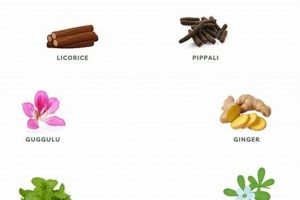
The incorporation of botanicals and plant-derived substances represents a complementary approach to managing the manifestations associated with Attention-Deficit/Hyperactivity Disorder. These natural substances, utilized in various traditional medicine systems, are considered by some as potential alternatives or adjuncts to conventional pharmaceutical interventions.
Interest in these natural approaches stems from a desire for interventions with potentially fewer adverse effects than standard medications, or for options that can be combined with conventional treatments. Historical uses of particular plants and herbs for cognitive enhancement and calming effects have fueled ongoing research into their specific applications within the context of attention and hyperactivity challenges. The perceived benefits include improved focus, reduced impulsivity, and enhanced emotional regulation.
The following sections will delve into the specific plants and compounds that have been explored in relation to attention and focus, examining the scientific evidence supporting their usage, outlining potential risks and side effects, and providing guidance on responsible usage and integration with other treatment modalities. This includes a review of relevant research, a discussion of proper dosage and administration, and considerations for interactions with other medications.
Guidance on Integrating Botanical Approaches for Attention Regulation
The subsequent guidance offers key considerations when exploring botanical support for managing attentional challenges. These points emphasize responsible and informed decision-making, acknowledging the complexities of individual responses and the importance of professional medical oversight.
Tip 1: Conduct Thorough Research: Before initiating any botanical regimen, examine the available scientific literature concerning its efficacy and safety profile. Peer-reviewed studies and reputable scientific databases provide valuable information regarding potential benefits and risks.
Tip 2: Consult with a Qualified Healthcare Professional: A physician or licensed naturopathic doctor can evaluate individual health history, potential medication interactions, and contraindications. Professional guidance ensures a tailored and safe approach.
Tip 3: Source Products from Reputable Suppliers: The quality and purity of botanical supplements can vary significantly. Select products that undergo third-party testing and adhere to Good Manufacturing Practices (GMP) to minimize the risk of contamination and ensure accurate labeling.
Tip 4: Begin with Low Doses and Monitor Effects: Introduce new botanicals at a low dosage to assess individual tolerance and potential side effects. Carefully monitor changes in attention, mood, and overall well-being. Keep a detailed log of dosage and observed effects.
Tip 5: Be Aware of Potential Interactions: Certain botanicals can interact with prescription medications, over-the-counter drugs, or other supplements. Share a complete list of all substances being taken with a healthcare provider to identify potential risks.
Tip 6: Set Realistic Expectations: Recognize that botanical interventions may offer subtle improvements or act as complementary support rather than a complete replacement for conventional treatments. An integrated approach, combining lifestyle adjustments and professional guidance, often yields the most favorable outcomes.
The integration of botanical interventions requires careful consideration and professional oversight. A responsible and informed approach prioritizes safety, individual needs, and the potential for synergistic effects with other treatment modalities.
The subsequent sections of this article will further explore the practical considerations for utilizing these strategies within a comprehensive management plan.
1. Botanical Identification

Botanical identification constitutes a critical initial step in utilizing herbal remedies for attention-deficit/hyperactivity disorder. The precise identification of the plant species used is paramount, as different species within the same genus may possess varying chemical compositions and, consequently, distinct pharmacological effects. Misidentification can lead to ineffective treatment or, in some instances, adverse health consequences. For example, certain plant species may contain toxic compounds, while others lack the therapeutic properties sought for cognitive enhancement or behavioral regulation. The accuracy of identification directly impacts the safety and reliability of the herbal remedy.
The potential for misidentification extends from the sourcing of raw plant material to the manufacturing of finished products. Adulteration, where a less expensive or more readily available plant is substituted for the intended species, represents a significant concern. Without rigorous testing and verification, consumers may unknowingly ingest products that do not contain the intended therapeutic compounds. This undermines the efficacy of the treatment and potentially introduces unforeseen health risks. Certification programs and third-party testing can help mitigate this risk by verifying the botanical identity of herbal products.
In summary, accurate botanical identification forms the bedrock of safe and effective implementation of herbal remedies for attention deficit disorders. The potential for misidentification and adulteration necessitates rigorous quality control measures throughout the supply chain, from sourcing to manufacturing. Prioritizing botanical identification safeguards patient health and ensures that the intended therapeutic effects are realized, contributing to the overall reliability and validity of this complementary approach.
2. Quality Control

Quality control represents a critical aspect of botanical interventions, particularly when considering their use in managing conditions such as attention-deficit/hyperactivity disorder. Due to the inherent variability of plant-based substances, rigorous quality control measures are essential to ensure product safety, efficacy, and consistency. The absence of adequate quality control can lead to inconsistent dosages, contamination with harmful substances, and misidentification of plant species, ultimately undermining the potential benefits and posing health risks.
- Heavy Metal Contamination
Herbal remedies can accumulate heavy metals from the soil in which they are grown. Lead, arsenic, cadmium, and mercury are among the contaminants of concern. Exposure to these metals, even at low levels, can negatively impact neurological function and exacerbate symptoms associated with attentional challenges. Quality control processes must include testing for heavy metals to ensure products meet established safety limits. Failing to do so can introduce neurotoxic substances, counteracting any potential benefits.
- Pesticide Residue
The use of pesticides in the cultivation of medicinal plants can result in residue contamination in the final product. Organophosphates, carbamates, and pyrethroids are commonly used pesticides that can have adverse effects on the nervous system. Quality control protocols should incorporate testing for pesticide residues to minimize consumer exposure. The presence of these residues compromises product safety and can contribute to neurological dysfunction, potentially worsening attentional difficulties.
- Microbial Contamination
Herbal products can be susceptible to contamination with bacteria, fungi, and mold. These microorganisms can produce toxins that pose a health risk. Quality control measures should include microbiological testing to ensure products are free from harmful levels of these contaminants. The ingestion of contaminated products can lead to infections and gastrointestinal distress, which can indirectly affect cognitive function and attention.
- Standardization of Active Compounds
The concentration of active compounds in herbal remedies can vary significantly depending on factors such as plant genetics, growing conditions, and harvesting methods. Standardization involves measuring and adjusting the levels of key active constituents to ensure consistent potency. This allows for more predictable therapeutic effects. Without standardization, the effectiveness of herbal products can be highly variable, making it difficult to achieve desired outcomes in managing attentional symptoms.
The multifaceted nature of quality control highlights its indispensable role in botanical interventions for attention-deficit disorders. Without strict adherence to rigorous quality control protocols, the potential benefits of such treatments are overshadowed by significant safety concerns. Comprehensive testing, standardization, and adherence to good manufacturing practices (GMP) are vital to ensuring the safety, efficacy, and consistency of these products.
3. Dosage Precision

Dosage precision represents a fundamental aspect of utilizing botanical substances for the management of attention-deficit/hyperactivity disorder. The therapeutic window for herbal remedies can be narrow, meaning that the difference between a sub-therapeutic dose and a potentially harmful dose may be relatively small. This necessitates careful attention to dosage guidelines and individual patient factors. Inadequate dosage may result in a lack of symptomatic improvement, while excessive dosage can lead to adverse effects, potentially exacerbating existing symptoms or creating new complications. The relationship between dosage and effect is further complicated by variations in individual metabolism, sensitivity, and concurrent medication use. For example, two individuals taking the same dose of a particular herb may experience significantly different effects due to variations in their liver enzyme activity, which affects the rate at which the herb is metabolized.
The standardization of herbal products attempts to address the challenge of dosage precision by ensuring a consistent concentration of active constituents. However, even standardized products may require individualized dosing adjustments based on patient-specific factors. For instance, a child with a lower body weight may require a smaller dose than an adult to achieve the same therapeutic effect. Furthermore, the presence of co-existing medical conditions or the use of other medications can influence the optimal dosage of herbal remedies. It is important to have a qualified healthcare provider who has a deep understanding of these potential interactions and has enough experience to properly advice a proper dosage based on his/her experiences.
Achieving dosage precision in herbal interventions for attention deficit disorders requires a collaborative approach between the patient, the healthcare provider, and the herbal product manufacturer. Open communication, thorough monitoring of effects, and a willingness to adjust dosages as needed are all essential components of a successful treatment plan. The inherent complexity of botanical medicine underscores the need for caution and expert guidance to ensure that the benefits outweigh the risks and that dosage precision is maintained throughout the course of treatment. The failure to respect this will have severe consequences and should never be taken for granted.
4. Potential Interactions

Potential interactions represent a critical concern when considering botanical interventions for attention-deficit/hyperactivity disorder. Herbal remedies, while often perceived as natural and benign, contain bioactive compounds that can interact with prescription medications, over-the-counter drugs, and other supplements. These interactions can alter the absorption, metabolism, or excretion of both the herbal remedy and the conventional medication, potentially leading to reduced efficacy, increased toxicity, or unexpected side effects. The complexity of these interactions underscores the need for careful assessment and monitoring by a qualified healthcare professional. For example, St. John’s Wort, an herb sometimes used for mood regulation, is known to induce certain liver enzymes that can decrease the effectiveness of stimulant medications commonly prescribed for ADHD, leading to a resurgence of symptoms.
Understanding the specific mechanisms of potential interactions is essential for safe and effective use of botanical interventions. Some herbs may potentiate the effects of certain medications, increasing the risk of adverse events. Conversely, other herbs may inhibit the absorption or activity of medications, rendering them less effective. The risk of interactions is further compounded by the fact that many individuals with attentional challenges may be taking multiple medications or supplements concurrently, increasing the likelihood of complex and unpredictable interactions. For example, an individual taking a stimulant medication for ADHD, an antidepressant for comorbid mood symptoms, and a multivitamin may experience interactions between all three substances, potentially affecting their overall health and well-being. This is why a multi-faceted knowledge is important.
In summary, the possibility of potential interactions between herbal remedies and conventional medications represents a significant challenge in the management of attention-deficit/hyperactivity disorder. Thorough assessment of a patient’s medication and supplement history, careful monitoring of effects, and a collaborative approach involving the patient, healthcare provider, and pharmacist are crucial for minimizing the risk of adverse events and maximizing the benefits of botanical interventions. The complexity of these interactions necessitates a cautious and informed approach to ensure patient safety and optimize treatment outcomes.
5. Evidence-Based Support

The determination of efficacy and safety for any intervention, including herbal remedies for attention-deficit/hyperactivity disorder, rests upon the availability and quality of evidence-based support. The strength of this support directly influences the degree of confidence in the intervention’s potential benefits and the minimization of potential harms. A rigorous evaluation of the available evidence is essential before incorporating any herbal remedy into a treatment plan.
- Randomized Controlled Trials (RCTs)
Randomized controlled trials, considered the gold standard in medical research, provide the most robust evidence for determining the effectiveness of an intervention. In the context of herbal remedies, RCTs involve randomly assigning participants with ADHD to receive either the herbal remedy or a placebo (an inactive substance). By comparing outcomes between the two groups, researchers can determine whether the herbal remedy has a statistically significant effect on ADHD symptoms. The absence of well-designed RCTs for many herbal remedies limits the ability to draw firm conclusions about their efficacy.
- Meta-Analyses and Systematic Reviews
Meta-analyses and systematic reviews synthesize the results of multiple studies to provide a comprehensive overview of the available evidence. These analyses pool data from several RCTs to increase the statistical power and reduce the likelihood of false-positive or false-negative findings. Systematic reviews also assess the quality of the included studies, providing an overall assessment of the strength of the evidence. Meta-analyses and systematic reviews of herbal remedies for ADHD are often limited by the small number of high-quality studies available, making it difficult to draw definitive conclusions.
- Observational Studies
Observational studies, such as cohort studies and case-control studies, can provide valuable insights into the potential effects of herbal remedies in real-world settings. These studies observe individuals who are already taking herbal remedies and compare their outcomes to those of individuals who are not. While observational studies can identify potential associations between herbal remedy use and ADHD symptoms, they cannot establish cause-and-effect relationships due to the potential for confounding factors. For example, individuals who choose to take herbal remedies may also engage in other health-promoting behaviors, making it difficult to isolate the specific effects of the herbal remedy.
- Preclinical Research
Preclinical research, conducted in vitro (in test tubes or cell cultures) and in vivo (in animals), can provide valuable information about the potential mechanisms of action and safety of herbal remedies. These studies can identify specific compounds in herbs that may have beneficial effects on brain function and behavior. Preclinical research can also help to determine the appropriate dosage and potential toxicity of herbal remedies. However, findings from preclinical studies may not always translate to humans, and further clinical research is needed to confirm these findings.
The current evidence base for herbal remedies in the management of ADHD is generally weak, with a limited number of high-quality studies available for many commonly used herbs. While some herbal remedies may show promise in preclinical or observational studies, more rigorous research, particularly RCTs and meta-analyses, is needed to confirm their efficacy and safety. Until stronger evidence becomes available, the use of herbal remedies for ADHD should be approached with caution and under the guidance of a qualified healthcare professional. The commitment to evidence-based decision-making is paramount in ensuring the well-being of individuals seeking alternative treatment approaches.
6. Safety Monitoring

The integration of safety monitoring is paramount when considering herbal remedies for attention-deficit/hyperactivity disorder. Due to the potential for adverse effects, interactions with conventional medications, and variations in product quality, continuous and diligent safety monitoring is essential to ensure patient well-being and maximize therapeutic benefits. The absence of robust safety monitoring protocols can expose individuals to unnecessary risks and undermine the potential efficacy of these interventions.
- Adverse Event Detection
Proactive detection of adverse events is crucial. Patients should maintain detailed records of symptoms, including changes in mood, sleep patterns, appetite, and gastrointestinal function. Healthcare providers should conduct regular assessments to identify potential side effects associated with herbal remedy use. Early detection allows for timely intervention, preventing severe reactions and optimizing treatment outcomes. The reporting of any new or worsening symptoms should prompt a re-evaluation of the treatment plan.
- Laboratory Testing
Regular laboratory testing can play a vital role in safety monitoring. Liver function tests (LFTs) and kidney function tests can assess the impact of herbal remedies on these critical organs. Certain herbal constituents can potentially cause hepatotoxicity or nephrotoxicity, and routine monitoring can detect early signs of organ damage. Furthermore, blood counts can identify potential hematological abnormalities. Consistent testing ensures early detection and prevents the development of irreversible damage.
- Interaction Screening
Comprehensive interaction screening is essential to identify potential risks arising from the concurrent use of herbal remedies and conventional medications. Healthcare providers should meticulously review all medications and supplements being taken by the patient to identify potential interactions. Pharmacokinetic interactions can alter drug metabolism, affecting efficacy and toxicity. Pharmacodynamic interactions can amplify or antagonize the effects of medications. Proactive screening mitigates the risk of adverse events and optimizes treatment outcomes.
- Product Quality Verification
Verification of product quality is crucial to ensure safety and consistency. Patients should source herbal remedies from reputable suppliers that adhere to good manufacturing practices (GMP). Third-party testing for contaminants, such as heavy metals, pesticides, and microbial agents, is essential. Certificates of analysis (COAs) can provide valuable information about product quality. Selecting high-quality products minimizes the risk of adverse events and ensures the intended therapeutic effects.
The implementation of comprehensive safety monitoring protocols is indispensable for the responsible use of herbal remedies in managing attention-deficit disorders. By prioritizing adverse event detection, laboratory testing, interaction screening, and product quality verification, healthcare providers and patients can work collaboratively to maximize the benefits of these interventions while minimizing the potential risks. A proactive and vigilant approach to safety monitoring is paramount in safeguarding the well-being of individuals seeking alternative treatment options.
7. Regulatory Compliance

The integration of regulatory compliance into the framework surrounding herbal remedies for attention-deficit/hyperactivity disorder is paramount to safeguarding public health and ensuring product integrity. Regulatory compliance encompasses adherence to established laws, guidelines, and standards set forth by governmental agencies and regulatory bodies governing the manufacture, labeling, and distribution of herbal products. The absence of such compliance can lead to the proliferation of substandard or adulterated products, posing significant risks to consumers. A real-world example of this risk is the presence of lead in some imported herbal supplements, a direct result of inadequate regulatory oversight in the country of origin. This highlights the cause-and-effect relationship, where lax regulatory standards result in compromised product safety.
The importance of regulatory compliance as a component of herbal remedies for attentional issues stems from the need for standardized manufacturing processes, accurate product labeling, and verifiable quality control measures. Compliance with Good Manufacturing Practices (GMP) ensures that herbal products are consistently produced and controlled according to quality standards, minimizing the risk of contamination and variability in active ingredient concentrations. Accurate labeling, mandated by regulatory bodies, provides consumers with essential information about ingredients, dosage recommendations, potential side effects, and contraindications. The practical significance of this understanding lies in empowering consumers to make informed decisions and mitigate potential risks associated with herbal remedy use. Without these regulations, dosages can vary widely, leading to either ineffective treatment or potential harm.
In conclusion, regulatory compliance serves as a cornerstone in the safe and effective utilization of herbal remedies for attention-deficit/hyperactivity disorder. By adhering to established standards and guidelines, manufacturers can ensure product quality, accuracy, and safety, thereby protecting consumers from potential harm. Challenges persist in enforcing regulatory compliance globally, particularly in regions with less stringent oversight. However, ongoing efforts to strengthen regulatory frameworks and promote international harmonization are crucial for fostering a safer and more reliable market for herbal remedies intended to support attention and focus. A robust regulatory environment promotes consumer confidence and facilitates the responsible integration of these remedies into comprehensive treatment plans.
Frequently Asked Questions About “adhd herbal remedies”
The following addresses common inquiries regarding the use of botanical substances as complementary interventions for attention-deficit/hyperactivity disorder. The information presented aims to clarify misconceptions and provide a balanced perspective on this topic.
Question 1: Are herbal remedies a cure for ADHD?
Herbal remedies are not considered a cure for ADHD. Current research suggests that they may offer symptomatic support or act as adjuncts to conventional treatments. A cure implies a complete and permanent resolution of the underlying condition, a claim not substantiated by scientific evidence regarding botanical interventions for ADHD.
Question 2: Are herbal remedies safe because they are “natural”?
The designation of a substance as “natural” does not guarantee its safety. Herbal remedies contain bioactive compounds that can interact with physiological processes and may cause adverse effects or interact with medications. The safety of a particular remedy depends on factors such as dosage, individual sensitivity, and potential contaminants.
Question 3: Can herbal remedies replace prescription medications for ADHD?
The decision to replace prescription medications with herbal remedies should only be made in consultation with a qualified healthcare professional. Abruptly discontinuing prescribed medications can have serious consequences. The suitability of herbal remedies as a replacement depends on individual circumstances and the severity of symptoms. A direct substitution without medical guidance is not advised.
Question 4: Are there any specific herbal remedies that are proven to be effective for ADHD?
While some herbal remedies have shown promise in preliminary studies, definitive proof of efficacy for ADHD remains limited. The available research often suffers from methodological limitations, such as small sample sizes and a lack of rigorous controls. More extensive and well-designed studies are needed to confirm the effectiveness of specific herbal remedies.
Question 5: How can potential risks associated with herbal remedies be minimized?
Potential risks can be minimized by consulting with a qualified healthcare professional, sourcing products from reputable suppliers, carefully following dosage guidelines, and monitoring for adverse effects. Comprehensive interaction screening and laboratory testing may also be warranted to ensure safety.
Question 6: Are herbal remedies regulated like prescription medications?
Herbal remedies are typically regulated as dietary supplements, which are subject to less stringent regulations than prescription medications. This means that the quality, purity, and potency of herbal products may not be consistently verified. Consumers should exercise caution and seek products that have undergone third-party testing.
The information presented here underscores the need for a cautious and informed approach to the use of botanical substances in managing ADHD. Professional guidance and adherence to evidence-based practices are essential to ensure safety and maximize potential benefits.
The next section will offer final thoughts on these interventions.
Conclusion
The preceding exploration has illuminated the multifaceted considerations surrounding the use of botanical substances as complementary interventions for attention-deficit/hyperactivity disorder. The discussion has underscored the importance of rigorous scientific evaluation, careful attention to dosage and potential interactions, and adherence to stringent quality control measures. Furthermore, the limitations of current evidence and the potential for adverse effects have been emphasized.
While interest in “adhd herbal remedies” persists, a balanced and informed perspective is crucial. The integration of botanical approaches should be approached with caution, under the guidance of a qualified healthcare professional, and within the framework of a comprehensive treatment plan. Further research is warranted to elucidate the efficacy and safety of specific herbal remedies, and to establish evidence-based guidelines for their appropriate use. The ultimate goal is to optimize outcomes for individuals with attention disorders through responsible and scientifically sound practices.