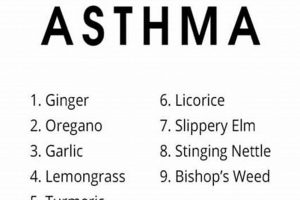
Approaches utilizing botanical substances to alleviate the symptoms associated with a chronic autoimmune disease that affects the skin and connective tissues are a field of increasing interest. These modalities often involve plants with anti-inflammatory, immunosuppressant, or antioxidant properties, aiming to mitigate the condition’s progression and improve patient well-being. For instance, certain extracts are explored for their potential to reduce skin thickening and improve circulation.
The significance of exploring non-conventional treatments lies in their potential to offer complementary support to conventional medical interventions. Historically, various cultures have employed plant-based medicines to manage autoimmune conditions, fostering a tradition of knowledge and experience. Potential benefits include symptom management, improved quality of life, and possibly a reduction in the reliance on pharmaceutical agents with potentially severe side effects. However, rigorous scientific validation remains crucial.
The following sections will delve into specific plant species commonly researched for their therapeutic potential in addressing the challenges posed by this complex autoimmune disorder. Furthermore, the article will examine the available scientific evidence, potential risks, and interactions with conventional medications, offering a balanced perspective on integrating these options into a comprehensive care plan.
Guidance on Complementary Botanical Approaches
This section offers informational guidance for individuals considering plant-derived options as supportive measures within a comprehensive healthcare strategy.
Tip 1: Prioritize Consultation with Qualified Healthcare Professionals: Comprehensive medical evaluation and ongoing monitoring by a rheumatologist or dermatologist are paramount. The introduction of any complementary approach necessitates detailed discussion to ensure safety and minimize potential interactions with conventional treatments.
Tip 2: Research the Evidence Base: Scientific literature should be consulted to evaluate the purported benefits and potential risks associated with specific botanical compounds. Peer-reviewed studies and reputable sources offer valuable insights into efficacy and safety profiles.
Tip 3: Ensure Product Quality and Standardization: Opt for products manufactured by reputable companies that adhere to stringent quality control standards. Standardization ensures consistent levels of active compounds, mitigating variability in efficacy.
Tip 4: Be Vigilant for Adverse Reactions: Carefully monitor for any adverse effects following the introduction of a new botanical agent. Discontinue use and promptly report any concerning symptoms to a healthcare provider.
Tip 5: Consider Potential Interactions with Existing Medications: Certain botanical compounds can interact with pharmaceuticals, potentially altering their absorption, metabolism, or excretion. A thorough review of all medications and supplements with a pharmacist or physician is crucial.
Tip 6: Employ a Gradual and Measured Approach: Introduce new botanicals one at a time to facilitate identification of potential allergic reactions or adverse effects. Begin with low doses and gradually increase as tolerated, under the supervision of a healthcare professional.
Tip 7: Document Progress and Outcomes: Maintain a detailed record of symptoms, dosages, and any observed effects. This documentation aids in assessing the effectiveness of the intervention and informs future treatment decisions.
Adherence to these guidelines promotes informed decision-making and responsible integration of botanical options within a comprehensive management strategy.
The subsequent sections will provide additional insights into specific botanical agents and their potential role in supporting overall well-being.
1. Inflammation Modulation

Inflammation plays a pivotal role in the pathogenesis of scleroderma, contributing significantly to tissue fibrosis and vascular damage. Therefore, inflammation modulation represents a critical target for therapeutic intervention. Certain botanical agents are being investigated for their potential to mitigate the inflammatory cascade associated with the condition.
- Suppression of Pro-inflammatory Cytokines
Pro-inflammatory cytokines, such as interleukin-6 (IL-6) and tumor necrosis factor-alpha (TNF-), are elevated in scleroderma and contribute to disease progression. Some botanical extracts are believed to inhibit the production or activity of these cytokines, thereby reducing inflammation. For instance, certain compounds found in turmeric (Curcuma longa) have demonstrated the ability to downregulate TNF- expression in vitro.
- Inhibition of Inflammatory Cell Migration
The migration of inflammatory cells, including lymphocytes and macrophages, to affected tissues exacerbates scleroderma. Specific plant-derived substances may impede this cellular trafficking, limiting the inflammatory response at the site of tissue damage. Examples include components that inhibit chemokine signaling pathways, which are crucial for leukocyte recruitment.
- Modulation of Inflammatory Mediators
Inflammatory mediators, such as prostaglandins and leukotrienes, are products of the arachidonic acid pathway and contribute to inflammation and pain. Certain botanicals may interfere with this pathway, reducing the synthesis of these mediators. For example, some herbal remedies contain compounds that inhibit cyclooxygenase (COX) enzymes, similar to non-steroidal anti-inflammatory drugs (NSAIDs), but potentially with different side effect profiles.
- Antioxidant Effects on Inflammation
Oxidative stress can perpetuate inflammation by activating inflammatory signaling pathways and damaging tissues. Antioxidant compounds present in some botanical preparations can neutralize free radicals and reduce oxidative damage, indirectly mitigating inflammation. Examples include polyphenols found in green tea and resveratrol from grapes, which have demonstrated antioxidant and anti-inflammatory properties.
While these botanical approaches hold promise for modulating inflammation, it’s crucial to acknowledge that scientific evidence supporting their efficacy in scleroderma remains limited. Furthermore, the potential for interactions with conventional medications and the variability in product quality necessitate careful consideration and professional medical supervision when exploring these options.
2. Collagen Synthesis

Aberrant collagen synthesis is a hallmark of scleroderma, characterized by excessive production and deposition of collagen fibers in the skin and internal organs. This overproduction leads to fibrosis, a key pathological feature that contributes to the thickening and hardening of tissues. The investigation into botanical interventions often centers on identifying agents that can potentially modulate collagen synthesis pathways, aiming to mitigate the progression of fibrosis. Some research explores plant-derived compounds for their ability to interfere with the signaling cascades that stimulate collagen production by fibroblasts, the cells primarily responsible for collagen synthesis. For example, certain extracts are being evaluated for their capacity to inhibit the activity of transforming growth factor-beta (TGF-), a potent profibrotic cytokine that plays a crucial role in stimulating collagen synthesis. Understanding the specific mechanisms by which these compounds interact with collagen synthesis pathways is essential for assessing their potential therapeutic value.
The importance of collagen synthesis modulation as a component of investigating botanical approaches lies in its potential to address a core driver of the disease process. Successful intervention in collagen overproduction could lead to a reduction in tissue thickening, improved organ function, and overall disease modification. However, it is crucial to recognize the complexities of collagen synthesis regulation. Effective therapeutic strategies may need to target multiple points within the synthesis and degradation pathways to achieve a meaningful clinical impact. Furthermore, potential effects on other collagen-dependent processes, such as wound healing and tissue repair, must be carefully considered. The practical significance of this understanding lies in its ability to guide the selection and development of botanical therapies with a higher likelihood of achieving desired clinical outcomes while minimizing potential adverse effects.
In conclusion, the connection between collagen synthesis and botanical research centers on the pursuit of agents capable of normalizing collagen production in scleroderma. This remains a significant challenge, given the complexity of the fibrotic process and the incomplete understanding of the mechanisms of action of many botanical compounds. Ongoing research focuses on elucidating these mechanisms and evaluating the safety and efficacy of potential botanical interventions in preclinical and clinical studies. The ultimate goal is to identify and validate plant-derived therapies that can contribute to improved outcomes for individuals affected by scleroderma.
3. Vascular Support

Vascular involvement is a significant manifestation of scleroderma, characterized by vasculopathy and reduced blood flow to affected tissues. This compromise in vascular function contributes to a range of complications, including Raynaud’s phenomenon, digital ulcers, and pulmonary arterial hypertension. Accordingly, botanical interventions aimed at supporting vascular health are a relevant aspect of investigating potential therapies for scleroderma. The rationale centers on the premise that improving blood flow and endothelial function could alleviate some of the ischemic complications associated with the disease.
Certain plant-derived compounds are being explored for their potential vasoactive properties. For example, substances that promote vasodilation or inhibit platelet aggregation may improve circulation to peripheral tissues. Examples include extracts that enhance nitric oxide production, a key mediator of vasodilation, or those with anti-thrombotic effects, preventing the formation of blood clots in small vessels. Furthermore, some botanical agents possess antioxidant properties that may protect endothelial cells from oxidative damage, thereby preserving vascular integrity. The evaluation of vascular support as a component involves assessing changes in blood flow using techniques such as laser Doppler flowmetry or angiography. Improvement in symptoms related to vascular insufficiency, such as reduced frequency or severity of Raynaud’s attacks or the healing of digital ulcers, serves as a practical measure of effectiveness. The practical significance of improved vascular function extends beyond symptom relief, potentially mitigating the risk of long-term complications associated with vascular damage.
In conclusion, while botanical interventions for vascular support in scleroderma represent a promising avenue of exploration, it is essential to approach them with caution and a thorough understanding of their potential benefits and risks. Further research is needed to validate the efficacy and safety of these approaches in well-designed clinical trials. The integration of vascular-supportive botanical therapies into a comprehensive management plan requires careful consideration of potential interactions with conventional medications and close monitoring of patient response. Addressing the vascular component of scleroderma using botanical means could contribute to improved quality of life and potentially reduce the morbidity associated with this complex autoimmune disease, but only with rigorous scientific investigation and appropriate clinical application.
4. Immune Regulation

Immune dysregulation is a central feature of scleroderma, characterized by aberrant activation of the immune system, autoantibody production, and chronic inflammation. Consequently, the exploration of botanical interventions often includes an assessment of their potential to modulate immune responses and restore immune homeostasis. The rationale behind this approach stems from the understanding that rebalancing the immune system could mitigate disease activity and prevent further tissue damage.
- Modulation of T Cell Subsets
T cells, including helper T cells (Th) and regulatory T cells (Treg), play critical roles in regulating immune responses. In scleroderma, imbalances in T cell subsets, such as increased Th17 cells and decreased Tregs, contribute to inflammation and fibrosis. Certain botanical extracts are being investigated for their potential to restore T cell balance by promoting Treg differentiation or suppressing Th17 responses. For example, compounds found in some medicinal mushrooms have demonstrated the ability to enhance Treg function in vitro, potentially dampening autoimmune responses. Implications include potential mitigation of the chronic inflammatory state.
- Regulation of Cytokine Production
Cytokines are signaling molecules that mediate communication between immune cells. Dysregulated cytokine production is a hallmark of scleroderma, with elevated levels of pro-inflammatory cytokines driving disease progression. Some botanicals may influence cytokine production by modulating signaling pathways involved in cytokine synthesis or release. For instance, certain herbal extracts have been shown to inhibit the production of IL-6 and TNF-, key pro-inflammatory cytokines implicated in scleroderma pathogenesis. Practical examples include observed reduction in inflammatory markers following herbal supplementation. Implications include potentially diminishing inflammation and tissue damage.
- Suppression of Autoantibody Production
Autoantibodies, such as anti-centromere antibodies (ACA) and anti-topoisomerase I antibodies (anti-Scl-70), are frequently detected in individuals with scleroderma and contribute to disease pathology. Some botanical agents are being explored for their potential to suppress autoantibody production by modulating B cell activity or promoting B cell tolerance. Example: Research is ongoing to determine if specific botanical compounds can reduce B cell activation, thereby lowering autoantibody levels. Implications include potentially halting the progression of autoimmune processes.
- Enhancement of Immune Tolerance
Immune tolerance refers to the ability of the immune system to distinguish self from non-self and prevent autoimmune reactions. In scleroderma, immune tolerance is impaired, leading to the activation of autoreactive immune cells and tissue damage. Some botanicals may promote immune tolerance by enhancing the function of regulatory immune cells or inducing anergy in autoreactive cells. For example, ongoing studies are investigating whether certain herbal extracts can stimulate mechanisms of immune tolerance. Implications include potentially re-establishing immune system equilibrium.
In conclusion, immune regulation represents a crucial aspect of the research into botanical interventions for scleroderma. Modulating T cell subsets, regulating cytokine production, suppressing autoantibody production, and enhancing immune tolerance are potential mechanisms by which botanicals may exert therapeutic effects. However, further research is needed to validate these mechanisms and assess the safety and efficacy of botanical approaches in well-designed clinical trials. The integration of immune-modulating botanical therapies into a comprehensive management plan requires careful consideration of potential interactions with conventional medications and close monitoring of patient response. Addressing immune dysregulation using botanical means could potentially contribute to improved outcomes for individuals affected by scleroderma, but requires rigorous scientific validation and cautious clinical application.
5. Antioxidant Activity

Oxidative stress plays a significant role in the pathogenesis of scleroderma, contributing to endothelial dysfunction, inflammation, and fibrosis. The potential of botanical interventions to mitigate oxidative stress through antioxidant activity is, therefore, a relevant area of investigation in exploring plant-derived remedies for this condition.
- Neutralization of Reactive Oxygen Species (ROS)
ROS, such as superoxide radicals and hydrogen peroxide, are generated during normal cellular metabolism but are produced in excess under conditions of oxidative stress. Excessive ROS can damage cellular components, including DNA, lipids, and proteins, leading to cellular dysfunction and tissue injury. Certain botanical compounds, such as polyphenols and flavonoids, possess the ability to scavenge and neutralize ROS, thereby reducing oxidative damage. For example, extracts from green tea (Camellia sinensis) contain catechins, potent antioxidants that can directly react with and neutralize ROS. The practical implication is a potential reduction in cellular damage and improved tissue health.
- Enhancement of Endogenous Antioxidant Defenses
The body possesses its own endogenous antioxidant defense systems, including enzymes such as superoxide dismutase (SOD), catalase, and glutathione peroxidase (GPx). These enzymes work to convert ROS into less harmful substances. Some botanical agents are believed to enhance the activity or expression of these endogenous antioxidant enzymes, thereby bolstering the body’s ability to combat oxidative stress. For instance, certain sulfur-containing compounds found in garlic (Allium sativum) have been shown to increase the activity of GPx. Enhancement of endogenous systems bolsters overall antioxidant capacity.
- Protection of Endothelial Function
Endothelial cells, which line the inner surface of blood vessels, are particularly vulnerable to oxidative damage. Endothelial dysfunction contributes to vasculopathy, a common manifestation of scleroderma. Antioxidant compounds can protect endothelial cells from oxidative stress, preserving their function and promoting vascular health. For example, resveratrol, found in grapes and red wine, has demonstrated the ability to improve endothelial function by reducing oxidative stress and enhancing nitric oxide bioavailability. The practical result is potentially improving vasodilation and blood flow.
- Modulation of Inflammatory Pathways
Oxidative stress and inflammation are closely intertwined. ROS can activate inflammatory signaling pathways, while inflammatory processes can generate ROS, creating a vicious cycle. Antioxidant compounds can interrupt this cycle by suppressing inflammatory signaling pathways and reducing the production of pro-inflammatory mediators. For instance, curcumin, the active component of turmeric, has been shown to inhibit the activation of NF-B, a key transcription factor involved in inflammation. The impact would be a decrease in inflammation-related tissue damage.
In summary, the connection between antioxidant activity and scleroderma herbal remedies lies in the potential of botanical interventions to mitigate oxidative stress, a significant contributor to the disease’s pathogenesis. By neutralizing ROS, enhancing endogenous antioxidant defenses, protecting endothelial function, and modulating inflammatory pathways, botanical antioxidants may offer therapeutic benefits for individuals affected by scleroderma. However, further research is needed to validate these effects and assess the safety and efficacy of antioxidant-rich botanical therapies in well-designed clinical trials.
6. Safety Profiles

The evaluation of safety profiles constitutes a critical component in the investigation of botanical interventions for scleroderma. Unlike conventional pharmaceuticals, plant-derived substances often contain complex mixtures of bioactive compounds, necessitating a comprehensive understanding of potential adverse effects, drug interactions, and contraindications. The indiscriminate use of botanical remedies without proper assessment poses a risk of exacerbating existing symptoms, interfering with conventional treatments, or inducing novel health complications. Therefore, a meticulous evaluation of safety is paramount when considering plant-based options for managing scleroderma.
Several factors contribute to the complexity of safety evaluations. Variability in plant species, growing conditions, harvesting methods, and extraction processes can influence the composition and concentration of active constituents, leading to inconsistencies in product quality and efficacy. Furthermore, the lack of standardized manufacturing practices and regulatory oversight can compromise the safety and purity of botanical preparations. A real-life example is the documented hepatotoxicity associated with certain herbal products due to contamination with heavy metals or adulteration with undeclared pharmaceutical ingredients. Practical significance lies in the need for stringent quality control measures, including third-party testing and certification, to ensure product safety and consistency. Interactions with conventional medications also demand scrutiny. Certain botanical compounds can alter the absorption, metabolism, or excretion of pharmaceuticals, potentially leading to reduced efficacy or increased toxicity. For example, St. John’s Wort, an herb sometimes used for mood disorders, can interact with immunosuppressants commonly prescribed for scleroderma, diminishing their therapeutic effect.
In conclusion, the assessment of safety profiles is indispensable when exploring botanical remedies for scleroderma. A thorough understanding of potential adverse effects, drug interactions, and product quality is essential to minimize risks and ensure patient well-being. While plant-derived substances may offer potential therapeutic benefits, their integration into a comprehensive management plan requires caution, informed decision-making, and close medical supervision. Further rigorous scientific research is needed to elucidate the safety and efficacy of specific botanical interventions for scleroderma and to establish evidence-based guidelines for their responsible use.
7. Evidence Scarcity
The limited availability of high-quality scientific evidence is a significant consideration when evaluating botanical interventions for scleroderma. While anecdotal reports and traditional practices may suggest potential benefits, the lack of robust clinical trials and rigorous research methodologies necessitates a cautious approach to integrating these modalities into conventional treatment plans.
- Limited Clinical Trial Data
The number of well-designed, randomized, controlled trials evaluating the efficacy of specific botanical agents for scleroderma is scarce. Many studies are small, lack proper blinding, or utilize heterogeneous patient populations, making it difficult to draw definitive conclusions about effectiveness. This lack of robust data limits the ability to make informed decisions about the potential benefits and risks of botanical therapies. For example, while some preliminary studies suggest that certain herbal extracts may reduce skin thickening, these findings require confirmation in larger, more rigorous trials.
- Variability in Product Quality and Standardization
Botanical preparations often exhibit significant variability in composition and concentration of active constituents due to differences in plant species, growing conditions, harvesting methods, and extraction processes. This lack of standardization makes it challenging to compare results across different studies and to ensure consistent therapeutic effects. Furthermore, the absence of stringent quality control measures can lead to contamination with heavy metals, pesticides, or other adulterants, posing additional safety concerns. It is crucial to seek out products from reputable manufacturers that adhere to good manufacturing practices (GMP) and provide third-party testing results.
- Lack of Mechanistic Understanding
The precise mechanisms of action by which many botanical agents exert their effects in scleroderma are not fully understood. While some compounds have demonstrated anti-inflammatory, antioxidant, or immunomodulatory properties in vitro, the relevance of these findings to the complex pathophysiology of scleroderma in vivo remains unclear. A lack of mechanistic understanding hinders the rational selection and development of botanical therapies and makes it difficult to predict potential drug interactions or adverse effects.
- Publication Bias and Reporting Limitations
Publication bias, the tendency to selectively publish studies with positive results, can distort the available evidence base and overestimate the true efficacy of botanical interventions. Furthermore, limitations in reporting practices, such as incomplete descriptions of study methods or inadequate documentation of adverse events, can further compromise the quality and reliability of the evidence. These biases and limitations underscore the need for critical evaluation of all available evidence and a cautious interpretation of study findings.
In conclusion, evidence scarcity poses a significant challenge to the integration of botanical agents into the management of scleroderma. While anecdotal reports and traditional uses may offer insights, rigorous scientific research is needed to validate the efficacy and safety of specific botanical interventions and to establish evidence-based guidelines for their responsible use. Until more robust data become available, a cautious and informed approach is warranted, emphasizing shared decision-making between patients and healthcare providers.
Frequently Asked Questions
The following addresses common inquiries regarding the utilization of plant-derived options in the context of a chronic autoimmune condition.
Question 1: Are herbal remedies a substitute for conventional medical treatment?
Botanical interventions should not be considered a replacement for established medical therapies prescribed by a qualified healthcare professional. These remedies may, in certain instances, serve as complementary approaches, but their integration must occur under medical supervision to avoid potential contraindications or adverse interactions.
Question 2: What is the scientific evidence supporting the use of “scleroderma herbal remedies”?
The evidentiary basis supporting the efficacy of many botanical options remains limited. While preliminary studies and traditional uses may suggest potential benefits, robust clinical trial data are often lacking. Individuals should critically evaluate the available evidence and prioritize interventions supported by rigorous scientific research.
Question 3: Are botanical products regulated for quality and safety?
Regulation of botanical products varies significantly across jurisdictions. In many regions, quality control standards may be less stringent compared to pharmaceuticals. It is imperative to source products from reputable manufacturers that adhere to good manufacturing practices (GMP) and provide third-party testing results to ensure purity and potency.
Question 4: What are the potential risks associated with using “scleroderma herbal remedies”?
Potential risks include allergic reactions, adverse interactions with conventional medications, and the possibility of contamination with heavy metals or other toxins. Individuals with pre-existing medical conditions should exercise particular caution and consult with a healthcare professional before initiating any botanical therapy.
Question 5: Can botanical substances cure this condition?
Currently, there is no known cure for this condition, including interventions involving botanical origin. The primary goal of interventions involving botanical agents is usually alleviating symptoms and improving quality of life. The expectations for interventions involving botanical agents should be adjusted accordingly.
Question 6: How does one determine the appropriate dosage of a botanical substance?
Dosage recommendations for botanical products can vary widely depending on factors such as the specific plant species, extraction method, and individual patient characteristics. It is essential to adhere to the dosage guidelines provided by a qualified herbalist or healthcare professional. Commencing with low doses and gradually increasing as tolerated may help minimize the risk of adverse effects.
Botanical approaches offer possibilities, but understanding the state of evidence and possible complications is necessary.
The following sections will explore how botanical substance can be a great addition to conventional medical care.
Concluding Remarks on Botanical Adjuncts
This exploration into the realm of interventions involving botanical agents underscores the complexities inherent in addressing a chronic autoimmune condition. While certain plant-derived substances exhibit promising anti-inflammatory, antioxidant, or immunomodulatory properties, the existing scientific evidence supporting their efficacy remains limited. A critical need exists for rigorous clinical trials to validate these preliminary findings and to establish safe and effective dosage guidelines. Moreover, stringent quality control measures are paramount to mitigate the risks associated with product variability and potential contamination. Therefore, a balanced and informed perspective is essential when considering the role of substances involving botanical origin in managing this condition.
Further research is imperative to elucidate the mechanisms of action and the potential synergistic effects of botanical agents in combination with conventional therapies. Continued investigation into targeted botanical interventions may lead to the development of novel strategies for alleviating symptoms, improving quality of life, and potentially modifying the disease course. However, any decision to incorporate interventions involving botanical agents into a comprehensive management plan must be made in close collaboration with a qualified healthcare provider, prioritizing patient safety and evidence-based practices.