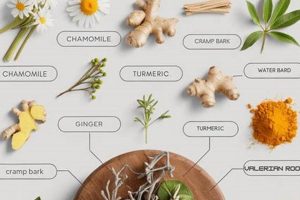
Urticaria, commonly known as hives, manifests as raised, itchy welts on the skin. Natural therapies involving botanical substances offer potential relief from these uncomfortable symptoms. These approaches utilize plant-derived compounds believed to possess anti-inflammatory, antihistamine, and soothing properties. Examples include topical applications of chamomile, calendula, or aloe vera, as well as the oral consumption of certain herbal teas like nettle or ginger.
The appeal of plant-based treatments stems from their perceived gentleness and lower risk of adverse effects compared to conventional pharmaceuticals. Historically, cultures worldwide have relied on traditional medicine, incorporating local flora to address various ailments, including skin conditions. The use of these remedies aligns with a holistic approach to health, emphasizing the body’s innate capacity for self-healing and the avoidance of synthetic chemicals.
This discussion will explore specific botanical agents frequently cited for their potential to alleviate the symptoms of urticaria. It will examine the purported mechanisms of action, available scientific evidence supporting their efficacy, and any potential contraindications or precautions to consider before incorporating them into a treatment regimen. Further, it will delve into appropriate methods of preparation, dosage guidelines, and potential interactions with other medications.
Guidance on Botanical Approaches for Urticaria Management
The following recommendations aim to provide insights into the responsible and informed application of plant-derived substances for managing urticarial symptoms. Prior consultation with a qualified healthcare professional is strongly advised before initiating any new treatment regimen, especially for individuals with pre-existing medical conditions or those currently taking medications.
Tip 1: Identify Potential Allergens: Before employing any botanical preparation, conduct a small-scale patch test on an inconspicuous area of skin. This procedure helps identify potential allergic reactions to specific plant constituents, minimizing widespread adverse effects. Observe for any signs of irritation, redness, or itching within a 24-48 hour period.
Tip 2: Prioritize Standardized Extracts: When selecting herbal products, opt for formulations that specify the concentration of active constituents. Standardized extracts ensure consistent potency and predictable therapeutic effects. Carefully review product labels and research reputable manufacturers adhering to quality control standards.
Tip 3: Consider Topical Applications: For localized urticaria, topical applications of soothing botanical agents may provide immediate relief. Calming salves or creams containing chamomile, calendula, or aloe vera can help reduce inflammation and alleviate itching. Ensure the product is designed for topical use and free from potentially irritating additives.
Tip 4: Explore Oral Consumption with Caution: Certain herbal teas, such as nettle or ginger, are traditionally used to support immune modulation and reduce inflammation. However, oral consumption of these substances requires careful consideration of dosage and potential interactions with medications. Start with small amounts and monitor for any adverse reactions.
Tip 5: Monitor for Potential Interactions: Many plant-derived compounds can interact with prescription or over-the-counter medications. Research potential interactions or consult with a pharmacist or healthcare provider to avoid unintended consequences. Pay particular attention to substances known to affect blood clotting, blood pressure, or immune function.
Tip 6: Address Underlying Causes: Botanical interventions often provide symptomatic relief, but identifying and addressing the root cause of urticaria is essential for long-term management. Consider allergy testing, dietary modifications, and stress reduction techniques to holistically approach the condition.
Tip 7: Emphasize Quality and Source: The efficacy of herbal remedies depends on the quality and purity of the ingredients. Source botanical products from reputable suppliers known for their commitment to sustainable harvesting practices and rigorous testing for contaminants such as heavy metals and pesticides.
The judicious application of botanical substances may contribute to the management of urticaria symptoms. However, a comprehensive approach, involving professional medical guidance and careful consideration of individual health factors, is paramount for achieving optimal outcomes.
The subsequent sections will delve deeper into the specific characteristics and potential benefits of various botanical agents, providing a more detailed understanding of their role in urticaria management.
1. Anti-inflammatory properties

The efficacy of botanical substances in managing urticaria, or hives, is significantly linked to their inherent anti-inflammatory properties. Urticaria is characterized by an inflammatory response within the skin, leading to the characteristic welts and itching. The ability of certain herbal remedies to modulate this inflammatory cascade is central to their therapeutic potential. Plant-derived compounds can interfere with various stages of the inflammatory process, inhibiting the release of pro-inflammatory mediators or suppressing the activity of immune cells involved in the allergic reaction. For example, chamomile contains compounds like apigenin, which have demonstrated the ability to inhibit the production of cytokines, key signaling molecules that propagate inflammation. Similarly, calendula possesses triterpenoids known for their anti-inflammatory actions, contributing to the reduction of redness and swelling associated with hives.
The importance of anti-inflammatory activity extends beyond symptom relief. Chronic urticaria, in particular, can involve ongoing inflammation that contributes to skin barrier dysfunction and increased susceptibility to secondary infections. By mitigating this chronic inflammation, herbal remedies may support the skin’s natural healing processes and reduce the likelihood of complications. However, it is crucial to recognize that the potency of anti-inflammatory effects can vary considerably among different botanical species and preparations. Factors such as growing conditions, harvesting methods, and extraction processes can influence the concentration and bioavailability of active compounds. Therefore, standardized extracts, where the concentration of specific anti-inflammatory constituents is quantified, offer a more reliable approach to achieving consistent therapeutic benefits.
In summary, the anti-inflammatory properties of botanical agents represent a cornerstone of their utility in managing urticaria. The ability to target specific inflammatory pathways offers a mechanism for alleviating symptoms and potentially addressing the underlying pathology of chronic hives. However, a nuanced understanding of the variability in potency and the importance of standardized preparations is essential for maximizing therapeutic outcomes and minimizing potential risks. Future research should focus on further elucidating the specific mechanisms of action of these botanical anti-inflammatories and conducting rigorous clinical trials to validate their efficacy and safety.
2. Antihistamine Effects

The efficacy of certain botanical substances in alleviating urticaria hinges on their potential antihistamine effects. Histamine, a chemical mediator released during allergic reactions, plays a central role in the pathogenesis of hives. It binds to H1 receptors in the skin, triggering vasodilation, increased permeability of blood vessels, and itching. Consequently, agents that can block or antagonize histamine activity offer a targeted approach to mitigating the characteristic symptoms of urticaria.
- Mast Cell Stabilization
Several botanical compounds exhibit the capacity to stabilize mast cells, the immune cells responsible for releasing histamine. By preventing mast cell degranulation, these substances reduce the overall amount of histamine released into the skin. Quercetin, a flavonoid found in various plants like onions and apples, has demonstrated mast cell stabilizing properties in vitro and in vivo. This mechanism helps to diminish the initial trigger for the histamine cascade, thereby lessening the severity of urticarial reactions.
- H1 Receptor Antagonism
Some botanical extracts may directly compete with histamine for binding to H1 receptors. This antagonism blocks histamine’s effects on blood vessels and nerve endings, reducing vasodilation, edema, and itching. While the direct H1 receptor antagonism of herbal remedies is less pronounced than that of synthetic antihistamines, it can contribute to symptom relief, particularly when combined with other anti-inflammatory or mast cell stabilizing actions. Certain traditional Chinese herbs are believed to possess this competitive antagonism, though further research is needed to confirm these effects.
- Downregulation of Histamine Synthesis
Another potential mechanism involves the downregulation of enzymes responsible for histamine synthesis. By inhibiting the production of histamine, these botanical agents reduce the overall pool of available histamine, minimizing the impact of allergic triggers. Research suggests that certain polyphenols may influence the expression of histidine decarboxylase, the enzyme responsible for converting histidine into histamine. While this area is still under investigation, it represents a promising avenue for developing novel botanical-based interventions for urticaria.
- Indirect Histamine Reduction via Immune Modulation
Beyond direct effects on histamine release or activity, some herbal remedies may indirectly reduce histamine-mediated inflammation by modulating the overall immune response. By promoting a shift away from Th2-dominant immunity, which is characteristic of allergic conditions, these substances can lessen the propensity for mast cell activation and histamine release. Certain adaptogenic herbs, known for their ability to balance the immune system, may contribute to this effect, although further studies are needed to specifically assess their impact on urticaria.
The antihistamine effects of botanical substances, whether through mast cell stabilization, receptor antagonism, synthesis downregulation, or immune modulation, offer a potential avenue for managing urticaria symptoms. However, the potency and efficacy of these effects can vary considerably among different herbal remedies. Standardized extracts, rigorous testing, and professional guidance are crucial to ensure safe and effective utilization. It’s important to note that in cases of severe allergic reactions, conventional antihistamines may be necessary for immediate relief, and botanical remedies should be considered as complementary or preventative measures.
3. Skin-soothing capacity

The manifestation of urticaria, or hives, frequently involves intense pruritus and discomfort, making the skin-soothing capacity of therapeutic interventions a critical consideration. Botanical agents with demulcent, emollient, and anti-inflammatory properties can provide symptomatic relief, promote epidermal barrier repair, and reduce the urge to scratch, thereby minimizing secondary skin damage. The following facets explore this crucial aspect in the context of plant-derived remedies.
- Emollient Action and Hydration
Many botanical preparations possess emollient qualities, characterized by their ability to soften and lubricate the skin surface. This action is achieved through the formation of an occlusive layer that reduces transepidermal water loss, thereby enhancing hydration. Well-hydrated skin is less prone to irritation and itching. For instance, topical application of aloe vera gel, rich in polysaccharides, creates a protective barrier and delivers moisture to the affected area, alleviating dryness and discomfort associated with urticaria.
- Anti-inflammatory Phytoconstituents
Certain plant-derived compounds, such as flavonoids and terpenoids, exhibit notable anti-inflammatory effects. By modulating inflammatory pathways within the skin, these constituents reduce redness, swelling, and heat, contributing to a calming effect. Calendula officinalis, commonly formulated into creams and ointments, contains triterpenoids that inhibit the release of pro-inflammatory cytokines, thus reducing the intensity of the inflammatory response characteristic of hives.
- Analgesic and Antipruritic Properties
Beyond addressing inflammation, some botanical substances possess direct analgesic and antipruritic effects, reducing pain and itching sensations. Menthol, derived from peppermint, activates cold receptors in the skin, creating a cooling sensation that can mask the sensation of itch. Similarly, certain alkaloids found in traditional Chinese herbs are believed to interact with nerve receptors, attenuating the transmission of itch signals to the brain, though further research is warranted to validate these claims.
- Promotion of Epidermal Repair
Chronic scratching, a common consequence of pruritic urticaria, can disrupt the epidermal barrier, increasing the risk of secondary infections and exacerbating inflammation. Certain botanical extracts promote wound healing and epidermal regeneration, aiding in the restoration of skin integrity. Centella asiatica, for example, contains triterpenes that stimulate collagen synthesis and accelerate the formation of new skin tissue, facilitating the repair of damaged areas.
In conclusion, the skin-soothing capacity of “hives herbal remedies” encompasses a range of mechanisms that address the physical discomfort associated with urticaria. From providing emollience and hydration to reducing inflammation, pain, and itch, these remedies offer a multifaceted approach to symptomatic relief and epidermal repair. It is essential to select botanical agents based on their specific properties and to consider individual skin sensitivity and potential allergic reactions to maximize benefits and minimize risks.
4. Potential allergens

The integration of botanical substances into urticaria management carries inherent risks associated with potential allergenic reactions. While “hives herbal remedies” aim to alleviate symptoms, the very compounds intended to provide relief may paradoxically induce or exacerbate urticarial flares in susceptible individuals. This phenomenon stems from the complex chemical composition of plant extracts, which can contain proteins, polysaccharides, and other molecules recognized by the immune system as foreign antigens. The ingestion or topical application of these allergens triggers an IgE-mediated hypersensitivity response, leading to mast cell degranulation and the release of histamine and other inflammatory mediators, thereby mimicking or intensifying the original urticarial condition. For example, chamomile, frequently touted for its anti-inflammatory properties, contains sesquiterpene lactones that are known contact allergens, particularly within the Asteraceae plant family. Consequently, an individual seeking relief from hives with a chamomile-based cream could inadvertently experience a worsening of symptoms due to an allergic reaction to the chamomile itself.
The clinical implications of potential allergens in “hives herbal remedies” extend beyond mere symptom exacerbation. In sensitized individuals, exposure to allergenic botanical extracts can precipitate systemic reactions, including angioedema, bronchospasm, and anaphylaxis. The likelihood of such severe reactions necessitates rigorous pre-emptive testing, such as patch testing for topical applications and incremental dose escalation for oral preparations. Furthermore, cross-reactivity between different plant species poses an additional challenge. Individuals allergic to ragweed, for instance, may also exhibit sensitivity to echinacea due to shared allergenic epitopes. The incomplete labeling of herbal products, where all constituents are not fully disclosed, further complicates risk assessment. Patients may unknowingly be exposed to allergens present in inactive ingredients or contaminants, leading to unexpected adverse reactions. Thorough product research and sourcing from reputable suppliers who prioritize transparency and quality control are therefore paramount in mitigating these risks.
In summation, the potential for allergenic reactions represents a significant limitation of “hives herbal remedies.” While botanical substances offer promising therapeutic avenues for urticaria management, their inherent complexity necessitates a cautious and informed approach. The identification of potential allergens through comprehensive testing, awareness of cross-reactivity patterns, and emphasis on product quality and transparency are essential steps in minimizing the risk of adverse events. Ultimately, the decision to incorporate herbal remedies into a urticaria treatment plan should be made in consultation with a qualified healthcare professional, considering the individual’s allergy history and the potential benefits and risks associated with each specific botanical preparation.
5. Dosage considerations

Dosage considerations are paramount when employing “hives herbal remedies” due to the inherent variability in the potency of plant-derived compounds. Unlike pharmaceutical medications with precisely defined active ingredients, herbal extracts often contain a complex mixture of constituents that can fluctuate based on factors such as plant species, growing conditions, harvesting methods, and extraction techniques. Overly high doses can lead to adverse effects, including gastrointestinal distress, skin irritation, or even systemic allergic reactions. Conversely, insufficient doses may fail to elicit the desired therapeutic response, rendering the treatment ineffective. For example, while chamomile tea is often recommended for its calming properties in managing the itch associated with hives, excessive consumption can induce nausea in some individuals. Similarly, topical application of concentrated calendula extract may cause contact dermatitis if applied in excessive amounts or to sensitive skin areas. Proper dosage, therefore, is not merely a matter of efficacy but also a critical component of safety.
The absence of standardized dosage guidelines for many “hives herbal remedies” further complicates matters. Traditional usage often relies on anecdotal evidence and historical practices, which may not translate directly into precise and reliable dosing recommendations. Furthermore, individual factors such as age, weight, metabolic rate, and the severity of urticarial symptoms can significantly influence the optimal dosage. Children, in particular, are more susceptible to the adverse effects of herbal remedies, necessitating careful dose adjustments based on body weight. In cases of chronic urticaria, where long-term management is required, gradual dose escalation and close monitoring are crucial to minimize the risk of cumulative toxicity. The potential for interactions between herbal remedies and conventional medications also necessitates cautious dosage adjustments, particularly for individuals taking anticoagulants, immunosuppressants, or sedatives. Interactions can alter the absorption, metabolism, or excretion of either the herbal remedy or the conventional drug, leading to unpredictable therapeutic outcomes or adverse events.
In summary, responsible utilization of “hives herbal remedies” requires meticulous attention to dosage considerations. The variable potency of plant extracts, the lack of standardized guidelines, and the potential for individual variability and drug interactions necessitate a cautious and individualized approach. Consultation with a qualified healthcare professional or herbalist is strongly recommended to determine the appropriate dosage based on the specific herbal remedy, the individual’s health status, and any concurrent medications. Rigorous monitoring for adverse effects and gradual dose adjustments are essential for optimizing therapeutic benefits and minimizing the risk of harm. Addressing the challenges related to dosage standardization and conducting further research on the pharmacokinetic and pharmacodynamic properties of “hives herbal remedies” are crucial steps in enhancing their safety and efficacy.
6. Interaction risks

The utilization of “hives herbal remedies” necessitates a rigorous assessment of potential interaction risks, wherein the concurrent administration of botanical agents and conventional pharmaceuticals may precipitate adverse effects or diminished therapeutic efficacy. These interactions arise from the capacity of herbal constituents to modulate drug absorption, distribution, metabolism, or excretion processes. Cytochrome P450 enzymes, a superfamily of hepatic enzymes responsible for metabolizing a wide array of xenobiotics, including pharmaceuticals, are particularly susceptible to modulation by herbal compounds. For instance, St. John’s Wort, while sometimes considered for its anti-inflammatory properties, is a potent inducer of CYP3A4, an enzyme involved in the metabolism of numerous medications, including antihistamines and corticosteroids often prescribed for urticaria. Consequently, the concomitant use of St. John’s Wort can accelerate the clearance of these drugs, reducing their plasma concentrations and potentially rendering them ineffective in controlling urticarial symptoms. Conversely, other herbal remedies may inhibit CYP enzymes, leading to elevated drug levels and an increased risk of toxicity.
Furthermore, certain “hives herbal remedies” may possess inherent anticoagulant or antiplatelet properties, increasing the risk of bleeding when combined with conventional blood thinners such as warfarin or aspirin. Ginger, frequently consumed for its anti-inflammatory effects, exhibits mild antiplatelet activity. The concurrent use of ginger and warfarin can potentiate the anticoagulant effect of warfarin, elevating the risk of hemorrhage. Similarly, herbal remedies that affect blood glucose levels, such as bitter melon, can interact with antidiabetic medications, leading to hypoglycemia or hyperglycemia. The lack of comprehensive pharmacokinetic data on many herbal constituents exacerbates the challenge of predicting and managing interaction risks. Moreover, the variability in product quality and the potential for adulteration of herbal supplements introduce an additional layer of uncertainty. The failure to adequately address interaction risks can have serious clinical consequences, ranging from treatment failure to life-threatening adverse events.
In conclusion, a thorough understanding of potential interaction risks is indispensable for the safe and effective application of “hives herbal remedies”. Healthcare providers must meticulously review patients’ medication lists, including all herbal supplements and over-the-counter drugs, to identify potential interactions. Educating patients about the risks of self-treating with herbal remedies without professional guidance is also crucial. Further research is needed to systematically evaluate the interaction potential of commonly used “hives herbal remedies” with conventional pharmaceuticals. Collaboration between healthcare professionals, pharmacists, and herbalists is essential to develop evidence-based guidelines for minimizing interaction risks and optimizing patient outcomes.
7. Quality assurance

Quality assurance constitutes a critical and often overlooked aspect within the domain of “hives herbal remedies.” The inherent variability in plant composition, coupled with the complexities of extraction and processing, introduces numerous opportunities for contamination, adulteration, and inconsistent potency. Consequently, the therapeutic efficacy and safety of these remedies are directly contingent upon rigorous quality control measures implemented throughout the production chain. Without robust quality assurance protocols, the potential benefits of “hives herbal remedies” may be negated by the presence of toxins, heavy metals, or undeclared synthetic drugs, thereby posing a significant risk to consumer health. For example, a study revealed that a significant percentage of commercially available herbal products contained ingredients not listed on the label, including pharmaceutical adulterants intended to mimic the effects of conventional medications. Such instances underscore the imperative for comprehensive quality assurance to safeguard against fraudulent or substandard products.
Effective quality assurance programs for “hives herbal remedies” encompass a multifaceted approach, incorporating Good Agricultural and Collection Practices (GACP) to ensure the sustainable and ethical sourcing of raw materials, Good Manufacturing Practices (GMP) to govern the manufacturing and packaging processes, and rigorous laboratory testing to verify the identity, purity, and potency of the final product. Chromatographic techniques, such as high-performance liquid chromatography (HPLC) and gas chromatography-mass spectrometry (GC-MS), are essential tools for identifying and quantifying the active constituents of herbal extracts, as well as detecting the presence of contaminants. Furthermore, the establishment of standardized extraction procedures and the implementation of validated analytical methods are crucial for ensuring batch-to-batch consistency and reproducibility. The presence of certification seals from reputable organizations, such as the United States Pharmacopeia (USP) or the National Sanitation Foundation (NSF), can provide consumers with assurance that the product has undergone independent testing and meets established quality standards.
In conclusion, quality assurance is not merely an ancillary consideration but rather an indispensable component of “hives herbal remedies,” directly impacting their safety, efficacy, and reliability. The implementation of comprehensive quality control measures, encompassing sourcing, manufacturing, and testing, is essential for mitigating the risks associated with variability, contamination, and adulteration. By prioritizing quality assurance, manufacturers can foster consumer trust, enhance the therapeutic potential of “hives herbal remedies,” and contribute to the responsible integration of botanical medicine into healthcare practices. The ongoing development and refinement of quality assurance standards are crucial to ensure the sustainable and ethical production of safe and effective herbal remedies for the management of urticaria.
Frequently Asked Questions About Hives Herbal Remedies
The following section addresses common inquiries and concerns surrounding the use of botanical agents for managing urticaria. The information presented is intended to provide clarity and promote informed decision-making regarding these therapeutic approaches.
Question 1: Are herbal remedies a substitute for conventional medical treatment for hives?
Herbal remedies should not be considered a replacement for conventional medical interventions in the treatment of urticaria, particularly in cases of severe allergic reactions or chronic idiopathic urticaria. Botanical agents may serve as complementary therapies to alleviate symptoms and potentially reduce the reliance on pharmaceutical medications, but professional medical guidance is essential for determining the appropriate course of treatment. Delaying or foregoing conventional medical care in favor of herbal remedies may result in adverse outcomes.
Question 2: How can one ascertain the safety and quality of herbal products marketed for hives?
Assessing the safety and quality of herbal products requires meticulous scrutiny. Look for products manufactured by reputable companies that adhere to Good Manufacturing Practices (GMP). Verify the presence of third-party certifications, such as those from the United States Pharmacopeia (USP) or NSF International. Examine the label for detailed information regarding ingredients, dosage, and potential allergens. Conduct thorough research on the manufacturer and the specific herbal ingredients to identify any reported adverse effects or interactions. Consultation with a qualified healthcare professional or herbalist is advisable to ensure product safety and suitability.
Question 3: What are the common adverse effects associated with herbal remedies for hives?
Adverse effects associated with herbal remedies for hives can range from mild to severe. Common adverse effects include skin irritation, allergic reactions, gastrointestinal distress, and photosensitivity. In rare cases, more serious complications, such as liver damage or cardiovascular events, may occur. Individuals with pre-existing medical conditions or those taking prescription medications are at increased risk of experiencing adverse effects. Discontinue use and seek immediate medical attention if any signs of an allergic reaction, such as difficulty breathing or swelling of the face, occur.
Question 4: How long does it typically take to experience relief from hives symptoms using herbal remedies?
The time required to experience relief from hives symptoms using herbal remedies varies depending on several factors, including the severity of the condition, the specific herbal agent used, and individual responsiveness. Some individuals may experience noticeable improvement within a few days, while others may require several weeks of consistent use to achieve significant symptom reduction. In some cases, herbal remedies may not provide adequate relief, necessitating alternative or adjunctive therapies. If symptoms persist or worsen, seek guidance from a qualified healthcare professional.
Question 5: Are herbal remedies safe for use during pregnancy or breastfeeding?
The safety of herbal remedies during pregnancy and breastfeeding remains a subject of considerable concern. Many herbal constituents lack sufficient safety data to definitively establish their safety for pregnant or lactating women. Some herbal remedies possess known teratogenic or abortifacient properties, while others may pass into breast milk and potentially harm the infant. Avoid herbal remedies during pregnancy and breastfeeding unless explicitly approved by a qualified healthcare provider. Conventional medical treatments for hives may be more appropriate in these circumstances.
Question 6: How do herbal remedies interact with conventional medications used to treat hives?
Herbal remedies can interact with conventional medications used to treat hives through various mechanisms, potentially altering drug absorption, metabolism, or excretion. Some herbal constituents may inhibit or induce cytochrome P450 enzymes, affecting the plasma concentrations of antihistamines, corticosteroids, or other medications. Other herbal remedies may possess additive or synergistic effects with conventional drugs, increasing the risk of adverse events. Disclosure of all herbal supplements to healthcare providers is crucial to identify and mitigate potential drug interactions. Close monitoring for adverse effects is warranted when combining herbal remedies with conventional medications.
In summary, while botanical agents may offer potential benefits in managing urticaria, their use requires careful consideration of safety, quality, and potential interactions. Professional medical guidance is essential for determining the appropriate course of treatment and minimizing the risks associated with these therapies.
The subsequent section will provide an overview of specific herbal remedies commonly used for hives, highlighting their purported mechanisms of action and potential benefits.
Conclusion
The exploration of “hives herbal remedies” reveals a complex interplay of potential benefits and inherent risks. While botanical agents offer avenues for symptomatic relief and immune modulation in urticaria management, their variable potency, potential for allergic reactions, and interaction risks necessitate a cautious and informed approach. Quality assurance measures, encompassing sustainable sourcing, rigorous manufacturing practices, and comprehensive testing, are indispensable for ensuring the safety and efficacy of these remedies. The absence of standardized dosage guidelines and the paucity of robust clinical trials further underscore the need for prudence and professional guidance.
The integration of botanical medicine into urticaria treatment should prioritize patient safety and evidence-based decision-making. Further research is essential to elucidate the specific mechanisms of action, optimize dosage regimens, and evaluate the long-term effects of “hives herbal remedies”. Healthcare providers must possess a comprehensive understanding of the benefits, limitations, and potential risks associated with these therapies to guide patients towards safe and effective management strategies. Continued collaboration between researchers, clinicians, and herbalists is crucial to advance the science of botanical medicine and promote its responsible application in the treatment of urticaria.