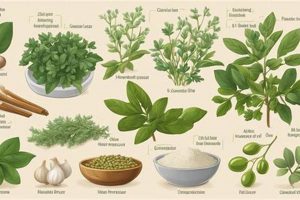
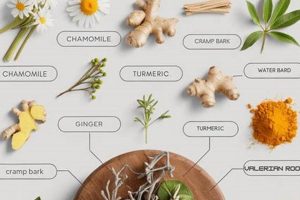
The utilization of botanical preparations to alleviate discomfort associated with inflammation within the nasal passages and sinuses represents a traditional approach to managing upper respiratory distress. These preparations often aim to reduce congestion, promote drainage, and soothe irritated tissues. A common example involves the use of steam inhalation with added plant extracts known for their decongestant or anti-inflammatory properties.
Historically, plant-based solutions have served as a primary means of addressing sinus ailments across various cultures. The perceived benefits stem from the purported ability of certain plant compounds to act as natural decongestants, mucolytics (agents that break down mucus), and anti-inflammatories. The continued interest reflects a desire for alternatives or complements to conventional pharmaceutical interventions, particularly among individuals seeking gentler approaches.
Further discussion will delve into specific botanical agents commonly employed for sinus relief, exploring their mechanisms of action, potential benefits, and considerations regarding their usage. This includes an examination of relevant research and guidance on safe and effective integration into a comprehensive wellness plan.
Guidance on Botanical Approaches for Sinus Discomfort
The following recommendations outline responsible integration of plant-derived substances for managing sinus-related symptoms. Prior consultation with a qualified healthcare professional is strongly advised before initiating any new treatment regimen.
Tip 1: Prioritize Hydration. Adequate fluid intake, primarily water, is crucial for thinning mucus secretions, thereby facilitating drainage and easing congestion. Aim for at least eight glasses of water daily.
Tip 2: Consider Nasal Irrigation. Saline nasal rinses, administered via a neti pot or squeeze bottle, help to cleanse the nasal passages of irritants and excess mucus. Use distilled or sterile water to prevent potential infections.
Tip 3: Explore Steam Inhalation. Inhaling steam can loosen congestion and soothe inflamed sinus tissues. Adding a few drops of essential oils, such as eucalyptus or peppermint, may enhance this effect; however, exercise caution due to potential sensitivities.
Tip 4: Evaluate Specific Botanicals. Certain plant extracts, including those from bromelain (pineapple), quercetin (found in various fruits and vegetables), and elderflower, are reported to possess anti-inflammatory and decongestant properties. Scientific evidence supporting these claims varies.
Tip 5: Monitor for Allergic Reactions. Plant-derived substances can trigger allergic responses in susceptible individuals. Begin with small doses and carefully observe for any signs of adverse reactions, such as skin rashes, itching, or difficulty breathing.
Tip 6: Assess Potential Interactions. Some botanical preparations may interact with prescription medications. Inform the healthcare provider of all substances being consumed, including over-the-counter remedies and supplements.
Tip 7: Ensure Product Quality. Choose products from reputable manufacturers who adhere to quality control standards. Verify ingredient authenticity and potency through third-party testing, when available.
Implementing these strategies responsibly may contribute to effective management of sinus discomfort. However, these approaches are not a substitute for conventional medical care when necessary.
The subsequent sections will discuss potential risks and limitations associated with relying solely on botanical interventions for persistent or severe sinus conditions, emphasizing the importance of seeking professional medical evaluation.
1. Botanical anti-inflammatories

The reduction of inflammation within the sinus cavities is a primary target in managing discomfort and promoting healing. Botanical anti-inflammatories, therefore, represent a significant component of herbal approaches aimed at alleviating sinus-related symptoms. Their efficacy stems from their purported ability to modulate the body’s inflammatory response.
- Mechanisms of Action
Certain plant compounds, such as flavonoids and terpenoids, possess inherent anti-inflammatory properties. These compounds may inhibit the production of pro-inflammatory molecules or modulate the activity of enzymes involved in the inflammatory cascade. For example, quercetin, found in onions and apples, is believed to interfere with histamine release, a key mediator of allergic inflammation. This modulation can lead to reduced swelling, pain, and congestion within the sinuses.
- Examples of Commonly Used Botanicals
Several botanical agents are frequently cited for their anti-inflammatory potential in sinus applications. Bromelain, an enzyme derived from pineapple, has demonstrated anti-inflammatory effects in various studies. Ginger ( Zingiber officinale ) and turmeric ( Curcuma longa ), both commonly used spices, contain compounds with documented anti-inflammatory activity. These botanicals may be consumed orally or, in some cases, utilized in topical applications or steam inhalations.
- Clinical Evidence and Limitations
While anecdotal evidence and traditional use support the anti-inflammatory benefits of many botanicals, rigorous clinical evidence is often limited. Some studies have shown promising results, but further research is needed to confirm their efficacy and determine optimal dosages. Furthermore, the anti-inflammatory effects of botanicals may vary depending on individual factors, such as genetics, overall health, and the severity of the sinus condition.
- Considerations for Safe and Effective Use
The safe and effective use of botanical anti-inflammatories requires careful consideration. Potential drug interactions, allergic reactions, and contraindications with underlying health conditions must be assessed. It is crucial to source high-quality products from reputable manufacturers to ensure purity and potency. Consulting with a qualified healthcare professional is essential to determine the appropriateness of botanical anti-inflammatories and to monitor for any adverse effects.
The targeted reduction of inflammation is a cornerstone of managing sinus ailments. While botanical anti-inflammatories offer a potentially beneficial approach, their effectiveness and safety must be evaluated on an individual basis, integrating them into a comprehensive treatment plan under professional guidance. The complexity of sinus conditions necessitates a multifaceted strategy, where botanical agents may serve as a component alongside conventional medical interventions.
2. Mucus membrane soothing

The alleviation of irritation and inflammation within the delicate mucus membranes lining the sinus passages is a critical aspect of symptom management when employing botanical interventions. Damaged or inflamed membranes contribute to discomfort, congestion, and impaired sinus function. Therefore, agents that promote soothing and restoration of these tissues are integral to a comprehensive approach.
- Reduction of Irritation
Inflammation of the sinus membranes often leads to heightened sensitivity to irritants, such as allergens, pollutants, and dry air. Botanical agents with emollient or demulcent properties can form a protective layer over the membranes, reducing their exposure to these irritants and mitigating subsequent discomfort. This action helps to interrupt the cycle of irritation and inflammation, promoting a more comfortable state.
- Promotion of Tissue Hydration
Dryness exacerbates irritation and impairs the function of the mucus membranes. Certain herbal remedies contain compounds that attract and retain moisture, contributing to increased hydration of the sinus lining. This enhanced hydration helps to maintain the integrity of the mucus layer, which is essential for trapping and removing pathogens and debris from the sinus passages.
- Enhancement of Ciliary Function
The cilia, tiny hair-like structures that line the sinus membranes, play a crucial role in clearing mucus and debris. Inflammation can impair ciliary function, leading to mucus stasis and increased susceptibility to infection. Certain botanical extracts possess properties that support ciliary activity, promoting efficient clearance of secretions and maintaining a healthy sinus environment.
- Support for Tissue Repair
Chronic inflammation can damage the mucus membranes, hindering their ability to function effectively. Some herbal remedies contain compounds that support tissue repair and regeneration, aiding in the restoration of healthy membrane structure and function. This promotion of tissue healing contributes to long-term improvement in sinus health.
The soothing of mucus membranes within the sinus passages represents a multifaceted approach to symptom alleviation and restoration of healthy sinus function. While individual botanical agents may exhibit varying degrees of efficacy, the targeted reduction of irritation, promotion of hydration, enhancement of ciliary function, and support for tissue repair collectively contribute to a more comfortable and functional sinus environment. The integration of such strategies warrants consideration within a holistic approach to sinus health.
3. Nasal passage cleansing

The act of irrigating and cleansing the nasal passages constitutes a core practice within the realm of herbal approaches to sinus ailments. The removal of irritants, pathogens, and excess mucus directly addresses key contributors to inflammation and congestion, thereby optimizing the environment for healing and symptom relief.
- Removal of Irritants and Allergens
Daily exposure to airborne particles, including pollutants, dust, and allergens, can trigger or exacerbate sinus inflammation. Nasal cleansing effectively removes these irritants, reducing their contact with the sensitive nasal lining and minimizing the inflammatory response. For instance, individuals with seasonal allergies may find significant relief through regular nasal irrigation to wash away pollen particles.
- Elimination of Pathogens
Bacterial and viral infections often contribute to sinus congestion and inflammation. Nasal cleansing helps to flush out pathogens, preventing their proliferation and reducing the severity and duration of infections. This is particularly relevant during cold and flu season, where regular irrigation can aid in maintaining a clear and healthy nasal environment.
- Reduction of Excess Mucus
Excessive mucus production is a common symptom of sinus inflammation, leading to congestion and impaired drainage. Nasal cleansing helps to remove accumulated mucus, restoring normal airflow and reducing pressure within the sinuses. This can be particularly beneficial for individuals experiencing chronic sinusitis or post-nasal drip.
- Promotion of Ciliary Function
The cilia, tiny hair-like structures lining the nasal passages, play a vital role in clearing mucus and debris. Inflammation can impair ciliary function, leading to mucus stasis. Nasal cleansing helps to remove accumulated mucus and debris, promoting optimal ciliary activity and improving the overall clearance of secretions.
The practice of nasal passage cleansing aligns with the principles of herbal remedies by addressing the root causes of sinus congestion and inflammation through natural and non-invasive means. By promoting a clean and healthy nasal environment, nasal cleansing complements the actions of specific herbal agents, enhancing their effectiveness and contributing to a more comprehensive approach to sinus care. The integration of this practice into a holistic regimen may provide significant relief and support long-term sinus health.
4. Immune system support
The integration of immune system support within herbal approaches to sinus ailments reflects an understanding of the body’s natural defenses as a critical component in resolving and preventing sinus infections and inflammation. The sinuses, as a part of the respiratory system, are constantly exposed to pathogens and environmental irritants. A robust immune system is therefore essential for effectively neutralizing these threats and maintaining sinus health. Herbal remedies often aim to bolster immune function, thereby enhancing the body’s ability to combat underlying causes of sinus issues.
Specific botanical agents are believed to possess immunomodulatory properties, potentially influencing various aspects of the immune response. For example, Echinacea species have been investigated for their ability to stimulate phagocytosis, a process by which immune cells engulf and destroy pathogens. Similarly, elderberry ( Sambucus nigra) extracts have demonstrated antiviral activity, potentially reducing the severity and duration of viral sinus infections. These actions underscore the role of specific herbal constituents in directly supporting the body’s defense mechanisms. Maintaining adequate levels of vitamins and minerals, such as Vitamin C and Zinc, which can be found in or supplemented by herbal remedies, is also paramount in ensuring optimal immune response.
While immune system support is a valuable aspect of sinus care, its effectiveness depends on various factors, including the individual’s overall health, the specific pathogen involved, and the nature of the herbal remedy used. Furthermore, it is important to recognize that immune support is not a substitute for appropriate medical intervention in cases of severe or persistent sinus infections. A balanced approach that combines immune-boosting strategies with conventional medical treatments, when necessary, offers the most comprehensive approach to managing sinus health. The key is to view herbal remedies as supportive tools that work in conjunction with the body’s natural defenses, and not as a sole solution for all sinus-related problems.
5. Allergy considerations

The selection and utilization of botanical interventions for sinus ailments necessitate careful evaluation of potential allergic reactions. Individual sensitivities to plant-derived compounds can significantly impact treatment outcomes, potentially exacerbating symptoms or triggering adverse responses. The prudent assessment of allergy risks is therefore paramount when integrating herbal remedies for sinus relief.
- Cross-Reactivity
Individuals with known allergies to certain plants or pollen may exhibit cross-reactivity to related botanical species utilized in sinus remedies. For instance, individuals allergic to ragweed pollen may experience allergic reactions to echinacea, a common ingredient in immune-boosting herbal preparations. This cross-reactivity underscores the importance of thoroughly reviewing ingredient lists and considering potential links to known allergens.
- Hidden Allergens
Herbal formulations may contain hidden allergens, such as fillers, binders, or preservatives, that are not explicitly listed on the product label. Furthermore, botanical ingredients themselves may be contaminated with trace amounts of allergens during harvesting, processing, or manufacturing. These hidden allergens can trigger unexpected allergic reactions, complicating the identification of the causative agent.
- Route of Administration
The route of administration can influence the likelihood and severity of allergic reactions. Topical application or inhalation of herbal remedies may lead to localized skin irritation or respiratory symptoms, whereas oral ingestion may trigger systemic allergic responses. Individuals with a history of allergies should exercise caution when using herbal remedies via any route, starting with small doses and closely monitoring for adverse effects.
- Delayed Hypersensitivity
Allergic reactions to herbal remedies may not manifest immediately but rather several hours or days after exposure. This delayed hypersensitivity can make it challenging to establish a causal relationship between the herbal product and the allergic symptoms. Individuals should maintain a detailed record of all herbal remedies used and any associated symptoms, facilitating accurate diagnosis and management.
The complexities surrounding allergy considerations in the context of herbal remedies for sinus issues underscore the importance of informed decision-making and professional guidance. Individuals with a history of allergies should consult with a qualified healthcare practitioner prior to initiating any herbal treatment regimen, ensuring a safe and effective approach to sinus relief. The diligent assessment of allergy risks represents a critical component of responsible herbal therapy.
6. Hydration Importance
Adequate systemic hydration represents a fundamental yet often overlooked aspect of managing sinus-related discomfort, particularly when employing herbal remedies as a complementary approach. The efficacy of many botanical interventions is contingent upon maintaining optimal hydration levels, impacting mucus viscosity, ciliary function, and overall sinus health.
- Mucus Viscosity Reduction
Hydration directly influences the consistency of mucus within the sinus passages. Dehydration leads to thickened mucus, impeding its natural clearance and contributing to congestion. Conversely, adequate fluid intake thins mucus secretions, facilitating drainage and reducing sinus pressure. Many herbal remedies aim to promote expectoration or decongestion; however, their effectiveness is compromised if the mucus remains excessively viscous due to insufficient hydration. Therefore, hydration serves as a crucial precursor to, and potentiator of, herbal actions.
- Ciliary Function Enhancement
The cilia, microscopic hair-like structures lining the sinus passages, are responsible for propelling mucus and trapped debris towards the nasal openings for elimination. Dehydration can impair ciliary function, reducing their efficiency and contributing to mucus stasis. Maintaining adequate hydration ensures optimal ciliary motility, facilitating the removal of irritants and pathogens. This enhanced ciliary clearance complements the actions of herbal remedies that target inflammation or pathogen elimination.
- Sinus Membrane Health
The mucus membranes lining the sinus passages require adequate hydration to maintain their integrity and function properly. Dehydration can lead to dryness and irritation, compromising the membrane’s ability to protect against irritants and pathogens. Hydration supports the health of these membranes, reducing their susceptibility to inflammation and infection. This, in turn, enhances the effectiveness of herbal remedies aimed at soothing irritated tissues or promoting healing within the sinuses.
- Potentiation of Herbal Actions
Many herbal remedies exert their therapeutic effects through systemic absorption and distribution. Adequate hydration ensures optimal circulation and delivery of these compounds to the target tissues within the sinuses. Dehydration can impair circulation, potentially reducing the bioavailability and efficacy of herbal remedies. By maintaining sufficient fluid intake, individuals can optimize the absorption and delivery of herbal constituents, maximizing their therapeutic benefits.
In summary, systemic hydration plays a multifaceted role in supporting sinus health, particularly when integrating herbal interventions. By reducing mucus viscosity, enhancing ciliary function, maintaining sinus membrane health, and optimizing the delivery of herbal constituents, adequate fluid intake serves as a foundational element of a comprehensive approach to sinus care. Overlooking the importance of hydration can undermine the effectiveness of even the most carefully selected herbal remedies.
7. Professional guidance

The integration of herbal remedies for sinus ailments necessitates informed decision-making, thereby underscoring the critical role of professional guidance. The selection, dosage, and potential interactions of botanical treatments warrant assessment by qualified healthcare practitioners.
- Accurate Diagnosis and Differentiation
Sinus symptoms can arise from various underlying conditions, including infections, allergies, structural abnormalities, or environmental irritants. A healthcare professional can accurately diagnose the root cause of sinus issues, differentiating between acute and chronic conditions. This diagnosis informs the selection of appropriate herbal remedies, ensuring they target the specific underlying problem rather than merely masking symptoms. Self-treatment without accurate diagnosis can lead to ineffective or even detrimental outcomes. For example, using decongestant herbs for allergic rhinitis without addressing the underlying allergy may provide temporary relief but fail to prevent recurrent episodes.
- Assessment of Potential Interactions
Herbal remedies possess pharmacological properties and can interact with conventional medications, over-the-counter drugs, and other supplements. A healthcare professional can assess potential interactions, minimizing the risk of adverse effects or reduced efficacy of prescribed treatments. Individuals taking anticoagulants, for instance, should exercise caution when using herbal remedies with blood-thinning properties, such as ginger or garlic. Professional guidance ensures that herbal treatments are integrated safely and effectively into an individual’s overall healthcare regimen.
- Dosage and Formulation Considerations
The appropriate dosage and formulation of herbal remedies vary depending on factors such as age, weight, health status, and the specific condition being treated. A healthcare professional can provide personalized guidance on dosage and formulation, optimizing therapeutic outcomes while minimizing the risk of adverse effects. The standardization of herbal extracts also varies between manufacturers, further emphasizing the need for expert guidance to ensure consistent and reliable results.
- Monitoring and Evaluation
The effectiveness of herbal remedies for sinus ailments should be monitored and evaluated by a healthcare professional. Regular check-ups allow for adjustments in treatment plans based on individual responses and the progression of symptoms. Monitoring can also identify any potential adverse effects or interactions, enabling timely intervention to prevent complications. This ongoing assessment ensures that herbal treatments remain safe and effective throughout the course of therapy.
The utilization of herbal remedies for sinus issues should be approached with careful consideration and professional oversight. The accurate diagnosis of underlying conditions, assessment of potential interactions, personalized guidance on dosage and formulation, and ongoing monitoring and evaluation all contribute to a safe and effective integration of herbal treatments into a comprehensive healthcare plan. The complexity of sinus ailments and the potential for interactions with other medications necessitate a collaborative approach between individuals and healthcare professionals to achieve optimal outcomes.
Frequently Asked Questions
This section addresses common inquiries regarding the utilization of botanical preparations for the management of sinus-related conditions. The information presented herein is for educational purposes and does not constitute medical advice. Consultation with a qualified healthcare professional is recommended before initiating any new treatment regimen.
Question 1: Are botanical interventions a suitable replacement for conventional medical treatments for sinus infections?
Botanical interventions may offer adjunctive support for mild to moderate sinus congestion or inflammation. However, they are not a substitute for antibiotics or other conventional medical treatments in cases of acute bacterial sinusitis or other severe infections. Failure to seek appropriate medical care can lead to complications.
Question 2: What are the potential risks associated with using herbal remedies for sinus problems?
Botanical preparations can cause allergic reactions, interact with prescription medications, and may not be appropriate for individuals with certain underlying health conditions. It is crucial to select products from reputable manufacturers and to inform one’s healthcare provider of all substances being consumed, including herbal remedies.
Question 3: How quickly can one expect to experience relief from sinus symptoms when using herbal remedies?
The onset of symptom relief varies depending on the individual, the severity of the condition, and the specific herbal remedy used. Some individuals may experience noticeable improvement within a few days, while others may require several weeks of consistent use to observe significant benefits. It is essential to set realistic expectations and to monitor progress closely.
Question 4: Is it safe to use herbal remedies for sinus issues during pregnancy or breastfeeding?
The safety of many herbal remedies during pregnancy and breastfeeding has not been definitively established. It is generally advisable to avoid using such preparations during these periods unless specifically recommended by a qualified healthcare professional. Some botanical agents may pose risks to the developing fetus or infant.
Question 5: Are there specific herbal remedies that are particularly effective for sinus congestion?
Certain botanical extracts, such as eucalyptus, peppermint, and bromelain, are commonly used for their decongestant and anti-inflammatory properties. However, the effectiveness of these remedies varies among individuals. It is essential to consider individual sensitivities, potential interactions, and the underlying cause of the congestion when selecting a specific herbal preparation.
Question 6: How can one ensure the quality and purity of herbal remedies for sinus ailments?
Select products from reputable manufacturers who adhere to quality control standards. Look for third-party certifications that verify ingredient authenticity and potency. Avoid products with vague labeling or those that make unsubstantiated claims. When possible, consult with a qualified herbalist or healthcare professional for recommendations on trusted brands and formulations.
The information provided in this FAQ section aims to address common concerns regarding the use of botanical interventions for sinus-related conditions. It is essential to remember that herbal remedies are not a panacea and that individual responses may vary. Consultation with a healthcare professional is crucial for determining the most appropriate treatment plan.
The following section will explore advanced strategies for managing chronic sinus conditions, incorporating both conventional and complementary approaches.
Herbal Remedy Sinus
This exposition has presented a detailed overview of herbal remedy sinus, examining potential benefits, limitations, and crucial considerations for safe and effective implementation. Key points include the importance of accurate diagnosis, awareness of potential allergic reactions and drug interactions, and the necessity of sourcing high-quality products. The application of plant-derived substances for sinus-related ailments requires a comprehensive understanding of the underlying condition and the properties of the specific botanicals being utilized.
Given the complexities involved, individuals considering herbal remedy sinus should prioritize professional consultation and informed decision-making. While botanical interventions may offer adjunctive support for symptom management, they are not a substitute for conventional medical care when necessary. Continued research and rigorous clinical trials are essential to further elucidate the efficacy and safety of specific herbal remedies for sinus conditions, ultimately contributing to a more evidence-based approach to integrative healthcare.