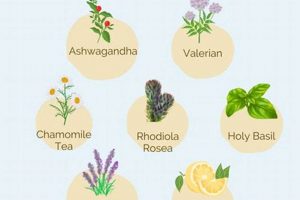
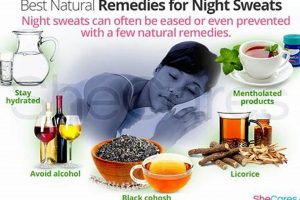
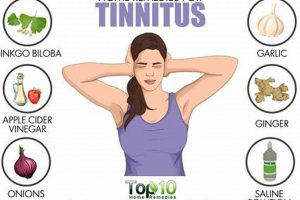
The utilization of plants and their extracts to address prevalent health issues represents a long-standing practice across various cultures. These natural treatments encompass a wide range of preparations, including infusions, decoctions, and topical applications, derived from herbs, roots, and other botanical sources. For instance, chamomile tea is frequently used to alleviate mild anxiety and promote relaxation, while ginger is commonly employed to mitigate nausea and digestive discomfort.
The significance of plant-based treatments lies in their potential accessibility and affordability, particularly in regions with limited access to conventional medical resources. Historically, they have served as primary healthcare modalities, often deeply intertwined with traditional healing practices. Furthermore, some botanical compounds have demonstrated pharmacological activity, offering potential therapeutic benefits when used appropriately and with informed understanding of their properties and potential interactions.
Subsequent sections will delve into specific plants known for their therapeutic properties, explore their traditional uses, and examine the scientific evidence supporting their efficacy in addressing common conditions. Attention will also be given to potential risks and considerations associated with their usage, including appropriate dosage, contraindications, and potential interactions with conventional medications.
Guidance on Utilizing Plant-Based Treatments
The following recommendations aim to provide foundational guidance for those exploring the potential of plant-derived therapies for managing common health concerns. Diligence in research and consultation with qualified healthcare providers remains paramount.
Tip 1: Accurate Identification is Crucial. Misidentification of plants can lead to adverse reactions, ranging from mild discomfort to severe toxicity. Ensure definitive identification by consulting with a botanist or utilizing reliable field guides before using any plant medicinally.
Tip 2: Understand Proper Preparation Methods. Different plants require distinct preparation methods to extract their therapeutic constituents effectively and safely. Decoctions, infusions, tinctures, and poultices each necessitate specific techniques. Consult reliable resources for guidance on appropriate preparation.
Tip 3: Begin with Low Dosages and Monitor for Reactions. When introducing a new plant-based treatment, commence with a low dose and meticulously observe for any adverse effects, such as skin irritation, gastrointestinal upset, or allergic reactions. Discontinue use immediately if any negative symptoms manifest.
Tip 4: Be Aware of Potential Interactions. Plant compounds can interact with conventional medications, potentially altering their efficacy or increasing the risk of side effects. Consult with a healthcare professional or pharmacist to identify any potential interactions before combining plant treatments with prescription or over-the-counter drugs.
Tip 5: Prioritize High-Quality Sources. The potency and safety of plant treatments can vary significantly depending on the source and quality of the raw materials. Opt for reputable suppliers who adhere to good agricultural and manufacturing practices and conduct thorough testing for contaminants and adulterants.
Tip 6: Consider the Plant Part Used. The therapeutic properties of a plant can vary depending on the part utilized (e.g., root, leaf, flower, seed). Research which part of the plant contains the desired compounds and is considered safe for consumption or topical application.
Tip 7: Recognize Limitations and Seek Professional Guidance. Plant-based treatments may be effective for managing certain mild or moderate conditions, but they are not a substitute for conventional medical care in cases of serious illness. Seek professional medical advice for any persistent or worsening symptoms.
The responsible and informed application of plant-based treatments can potentially offer supportive benefits for managing certain health issues. However, a comprehensive understanding of the plant’s properties, potential risks, and interactions, coupled with consultation with qualified healthcare providers, is essential for ensuring safety and efficacy.
The subsequent section will summarize the key considerations for the safe and effective use of botanical therapies.
1. Plant Identification

Accurate botanical identification forms the bedrock of safe and effective utilization of plant-based treatments. The therapeutic potential of plants hinges entirely on the correct species being used, as closely related species may possess dramatically different, even toxic, properties. The consequences of misidentification can range from therapeutic inefficacy to severe adverse health outcomes.
- Taxonomic Precision
Taxonomic precision ensures the consistent application of correct nomenclature, eliminating ambiguity in species identification. Using accepted scientific names (e.g., Matricaria chamomilla instead of simply “chamomile”) provides a standardized reference point. Imprecise terminology can lead to the unintentional use of a different species altogether, undermining any therapeutic intent.
- Morphological Differentiation
Careful examination of morphological characteristics leaf shape, flower structure, stem anatomy, and root system is vital for distinguishing between similar-looking plants. Field guides, botanical keys, and expert consultation are invaluable tools for this process. For example, distinguishing between comfrey ( Symphytum officinale) and foxglove ( Digitalis purpurea) is crucial due to the latter’s cardiotoxicity.
- Geographical Variation and Chemotypes
Geographical location and environmental factors can influence the chemical composition of plants, creating distinct chemotypes with varying therapeutic profiles. Identifying the geographical origin of a plant sample can provide insights into its likely chemical makeup. For instance, different varieties of St. John’s Wort ( Hypericum perforatum) exhibit significant variation in hypericin content, a key active compound.
- Adulteration and Substitution
Commercial herbal products are susceptible to adulteration and substitution, where the labeled species is replaced with a cheaper or more readily available alternative. Microscopic analysis, chemical fingerprinting, and DNA barcoding techniques are employed to detect such fraudulent practices. Reputable suppliers should provide evidence of rigorous quality control measures.
The integration of accurate plant identification practices within the domain of botanical treatments is paramount. Implementing stringent verification protocols, leveraging the expertise of trained botanists, and adopting advanced analytical techniques are essential steps toward mitigating the risks associated with misidentification and ensuring the safe and effective use of plant-derived therapies.
2. Preparation Methods

The efficacy and safety of botanical treatments for common ailments are fundamentally linked to preparation methods. The method employed to extract and process plant material directly influences the concentration, bioavailability, and stability of the active compounds responsible for therapeutic effects. Inadequate or inappropriate preparation can render potentially beneficial remedies ineffective or, in some cases, toxic. Therefore, understanding the principles underlying different preparation techniques is critical for realizing the therapeutic potential of plant-based treatments. For instance, preparing a tea from valerian root requires hot, but not boiling, water to effectively extract the sleep-inducing compounds without denaturing them. Similarly, oil infusions of St. John’s Wort necessitate a precise ratio of plant material to oil and a controlled maceration period to ensure optimal extraction of hypericin and hyperforin.
Specific preparation methods are tailored to the characteristics of the plant material and the desired therapeutic outcome. Decoctions, involving simmering plant parts (typically roots or bark) in water, are suited for extracting water-soluble compounds from dense tissues. Infusions, steeping delicate plant parts (such as leaves or flowers) in hot water, are appropriate for extracting volatile oils and lighter compounds. Tinctures, involving macerating plant material in alcohol, offer a means of extracting a broader range of compounds, including resins and alkaloids, and provide a stable, concentrated preparation. Furthermore, topical preparations, such as salves and poultices, require careful consideration of the base material (e.g., oil, wax) and the method of incorporating the extracted plant compounds to ensure proper absorption and localized therapeutic action. The choice of preparation method must consider the specific ailment, the plant’s chemical composition, and the patient’s individual needs and sensitivities.
In conclusion, the preparation method is not merely a procedural step but an integral component of botanical treatment for common ailments. Proper technique ensures optimal extraction, bioavailability, and safety, while inappropriate methods can negate therapeutic benefits or introduce risks. A thorough understanding of these factors, guided by established herbal knowledge and, when possible, supported by scientific evidence, is essential for responsible and effective utilization of plant-based remedies. The lack of standardized preparation methods is a challenge in the field of herbal medicine, highlighting the need for further research and the establishment of clear guidelines to ensure consistent product quality and therapeutic outcomes.
3. Dosage Control

Dosage control represents a critical factor in the safe and effective application of botanical treatments for common ailments. Unlike conventional pharmaceuticals, plant-derived remedies often contain a complex mixture of compounds, making standardized dosing more challenging. The concentration of active constituents can vary due to factors such as plant genetics, growing conditions, and processing methods. Consequently, precise dosage control is essential to achieve therapeutic benefits while minimizing the risk of adverse effects. Insufficient dosage may result in a lack of efficacy, whereas excessive dosage can lead to toxicity. For instance, while small amounts of kava ( Piper methysticum) can alleviate anxiety, exceeding recommended doses can cause liver damage. Similarly, while ginger ( Zingiber officinale) can mitigate nausea, excessive consumption may induce gastrointestinal distress. Therefore, careful attention to dosage guidelines, often based on traditional use and emerging scientific evidence, is paramount.
Practical application of dosage control involves several key considerations. Firstly, individuals should commence with the lowest recommended dose and gradually increase it while monitoring for both therapeutic effects and any adverse reactions. Secondly, the form of the herbal preparation influences dosage; tinctures, being more concentrated than teas, require smaller quantities. Thirdly, individual factors, such as age, weight, and overall health status, can impact dosage requirements. Children and the elderly often require lower doses due to their increased sensitivity. Pre-existing medical conditions and concurrent medications can also affect how the body processes botanical compounds, necessitating dosage adjustments. The role of a qualified herbalist or healthcare professional becomes particularly important in these situations to provide personalized dosing recommendations. An example includes patients on anticoagulants who need to exercise extreme caution when consuming herbs known to have blood-thinning properties, such as garlic ( Allium sativum) or gingko biloba ( Ginkgo biloba), carefully monitoring their coagulation levels.
In conclusion, dosage control is not merely a precautionary measure but an indispensable aspect of utilizing botanical remedies for common ailments. Variability in plant composition, preparation methods, and individual patient factors necessitate a nuanced and cautious approach to dosing. Challenges remain in establishing universally applicable dosage guidelines due to the inherent complexity of plant-based medicines. However, by adhering to established principles of safe dosing, consulting with knowledgeable practitioners, and prioritizing patient safety, individuals can harness the potential therapeutic benefits of botanical treatments while mitigating the associated risks. Future research focusing on standardized extraction methods and pharmacokinetic studies will further refine dosage recommendations, enhancing the safety and efficacy of herbal medicine.
4. Efficacy Evidence

Efficacy evidence forms the cornerstone of rationalizing the use of botanical treatments for common ailments. Establishing whether a particular plant-based remedy demonstrably provides a health benefit is crucial for informed decision-making and responsible application. Evaluating efficacy involves a rigorous examination of available data, ranging from traditional usage to clinical trials.
- Traditional Use as a Foundation
Long-standing use within traditional medicine systems, such as Traditional Chinese Medicine or Ayurveda, can provide initial support for efficacy. Historical data regarding plant application, preparation methods, and observed outcomes offer a foundation for further investigation. However, traditional use alone is insufficient to establish efficacy conclusively; it serves as a guide for identifying promising candidates for scientific validation. For example, the traditional use of turmeric for its anti-inflammatory properties has prompted numerous scientific studies examining its active compound, curcumin, leading to mixed but promising results.
- Preclinical Studies: In Vitro and In Vivo
Preclinical studies, encompassing in vitro (laboratory) and in vivo (animal) research, provide mechanistic insights and preliminary efficacy data. These studies can elucidate the biological activity of plant extracts and isolated compounds, identify potential therapeutic targets, and assess safety profiles. Positive results from preclinical studies may warrant further investigation in human clinical trials. For instance, in vitro studies have demonstrated the antiviral activity of elderberry extract, prompting clinical trials to assess its efficacy in treating influenza symptoms.
- Randomized Controlled Trials (RCTs)
Randomized controlled trials (RCTs) represent the gold standard for evaluating efficacy in human subjects. RCTs involve comparing the effects of an herbal remedy to a placebo or standard treatment, with participants randomly assigned to each group. Rigorous RCTs, with adequate sample sizes and appropriate controls, provide the most reliable evidence of efficacy. Meta-analyses, which combine data from multiple RCTs, can strengthen the evidence base and provide more definitive conclusions. For example, a meta-analysis of RCTs examining the effects of St. John’s Wort on mild to moderate depression has shown some evidence of efficacy, although the results remain controversial due to methodological limitations of some trials.
- Observational Studies and Real-World Evidence
Observational studies, while less rigorous than RCTs, can provide valuable insights into the effectiveness of herbal remedies in real-world settings. These studies track outcomes in individuals using botanical treatments as part of their routine care. Real-world evidence can complement data from RCTs and provide a more comprehensive understanding of efficacy in diverse patient populations. However, observational studies are susceptible to biases and confounding factors, requiring careful interpretation. For example, an observational study might examine the effects of chamomile tea consumption on sleep quality in a cohort of elderly individuals, but must account for other factors that influence sleep, such as lifestyle and pre-existing conditions.
The evaluation of efficacy evidence is an ongoing process, requiring a critical and comprehensive approach. Reliance solely on anecdotal evidence or unsubstantiated claims is insufficient; a robust evidence base, including traditional use, preclinical data, RCTs, and real-world evidence, is essential for justifying the use of botanical treatments for common ailments. Further research is needed to address methodological limitations in existing studies and to rigorously evaluate the efficacy of a wider range of plant-based remedies.
5. Safety Profiles

Safety profiles constitute a crucial consideration in the application of plant-based treatments for common ailments. The inherent assumption that “natural” equates to “safe” is fallacious; many plants possess potent bioactive compounds capable of inducing adverse effects, interacting with conventional medications, or exacerbating pre-existing medical conditions. Comprehending the safety profile of each herbal remedy necessitates a detailed evaluation of potential toxicities, contraindications, and drug interactions, thereby minimizing patient risk. For instance, while St. John’s Wort is utilized to alleviate mild depression, its interaction with selective serotonin reuptake inhibitors (SSRIs) can precipitate serotonin syndrome, a potentially life-threatening condition. Similarly, the use of comfrey, historically employed for wound healing, has been restricted due to its hepatotoxicity resulting from pyrrolizidine alkaloids. Therefore, a thorough understanding of safety profiles is not merely desirable but ethically imperative when recommending or utilizing plant-based remedies.
Practical application of safety knowledge involves several key steps. First, a comprehensive review of scientific literature, including pharmacological and toxicological studies, is essential to identify potential risks associated with a specific herb. Second, the assessment of individual patient factors, such as age, medical history, and concomitant medications, allows for tailoring treatment plans to minimize potential harm. Third, clear communication with patients regarding potential side effects and the importance of reporting any adverse reactions is paramount. For example, individuals with bleeding disorders should exercise caution when using herbs such as garlic, ginger, or ginkgo biloba, as these possess antiplatelet properties that could increase the risk of hemorrhage. Another example is the use of certain herbal remedies during pregnancy which is strictly contraindicated, such as Pennyroyal for menstruation and abortion which can result in fetal death.
In summary, safety profiles are inextricably linked to the responsible and effective use of botanical treatments. Challenges persist in fully characterizing the safety of all herbal remedies due to limited research, variability in plant composition, and potential adulteration of commercial products. However, by prioritizing safety through comprehensive assessment, individualized treatment planning, and effective patient communication, the potential benefits of plant-based therapies can be harnessed while minimizing the risk of adverse outcomes. Future research should focus on elucidating the mechanisms of action of herbal compounds, identifying potential drug interactions, and developing standardized safety guidelines to ensure the safe and rational use of botanical remedies for common ailments.
6. Regulatory Compliance
The production, distribution, and marketing of plant-based treatments are subject to varying levels of regulatory oversight across different jurisdictions. This oversight aims to ensure product safety, quality, and accurate labeling, protecting consumers from potentially harmful or ineffective remedies and promoting transparency in the market.
- Good Manufacturing Practices (GMP)
GMP guidelines establish minimum standards for manufacturing processes, ensuring consistent product quality and minimizing the risk of contamination. These practices encompass aspects such as facility hygiene, equipment maintenance, raw material sourcing, and quality control testing. Compliance with GMP standards is often a prerequisite for legally marketing herbal remedies, particularly in countries with well-developed regulatory frameworks. For example, adherence to GMP requires manufacturers to implement controls to prevent cross-contamination of products with allergens or toxins.
- Labeling Requirements
Labeling regulations dictate the information that must be included on product packaging, such as the common and scientific names of the plant ingredients, dosage instructions, potential side effects, contraindications, and batch numbers. Accurate and comprehensive labeling is crucial for informing consumers about the product’s composition and safe usage. Misleading or unsubstantiated health claims are often prohibited. For instance, a label might be required to state that an herbal product is not intended to diagnose, treat, cure, or prevent any disease, if it has not been evaluated by a regulatory agency.
- Registration and Licensing
Many jurisdictions require manufacturers and distributors of herbal remedies to register their products with regulatory agencies and obtain necessary licenses before marketing them. This process often involves submitting documentation demonstrating product safety, efficacy, and quality. The specific requirements for registration and licensing vary considerably between countries. In some regions, herbal remedies are regulated as drugs, requiring extensive clinical trial data, while in others, they are treated as food supplements with less stringent requirements.
- Restrictions and Prohibitions
Certain plants and plant-derived substances are subject to restrictions or outright prohibitions due to safety concerns or potential for abuse. These restrictions may limit the maximum allowable concentration of certain compounds or prohibit the sale of specific plants altogether. Regulatory agencies may issue warnings or recalls for products found to contain harmful ingredients or make unsubstantiated claims. For example, products containing ephedra were banned in the United States due to reports of adverse cardiovascular events.
Navigating the complex landscape of regulatory compliance is essential for both manufacturers and consumers of plant-based treatments. Compliance ensures product safety and quality, while informed consumers can make responsible choices based on accurate information. The variability in regulations across different regions underscores the need for ongoing efforts to harmonize standards and promote greater transparency in the global market for herbal remedies.
Frequently Asked Questions
This section addresses common inquiries and concerns regarding the use of plant-based treatments for prevalent health conditions. The information provided aims to offer clarity and promote informed decision-making.
Question 1: Are herbal remedies inherently safe simply because they are “natural”?
The designation “natural” does not automatically equate to safety. Many plants contain potent bioactive compounds that can cause adverse effects, interact with medications, or exacerbate pre-existing health conditions. Thorough research into the safety profile of any herbal remedy is essential prior to use.
Question 2: Can herbal remedies completely replace conventional medical treatments?
Plant-based treatments may offer supportive benefits for certain ailments, but they are generally not a substitute for conventional medical care, particularly in cases of serious or acute illness. Professional medical advice should always be sought for persistent or worsening symptoms.
Question 3: How can one ensure the quality and authenticity of herbal products?
Select reputable suppliers who adhere to Good Manufacturing Practices (GMP) and provide evidence of quality control testing for contaminants and adulterants. Verify the presence of scientific and common names of the plants on the product label. Exercise caution with products making extravagant or unsubstantiated health claims.
Question 4: What factors should be considered when determining the appropriate dosage of an herbal remedy?
Dosage considerations include the individual’s age, weight, overall health status, and concurrent medications. Commence with the lowest recommended dose and monitor for both therapeutic effects and any adverse reactions. Consult with a qualified herbalist or healthcare professional for personalized dosing recommendations.
Question 5: How can potential interactions between herbal remedies and conventional medications be identified?
Consult with a healthcare professional or pharmacist to identify any potential interactions before combining plant-based treatments with prescription or over-the-counter drugs. Herbal remedies can affect the metabolism and efficacy of certain medications, potentially leading to adverse outcomes.
Question 6: Is there sufficient scientific evidence to support the efficacy of all herbal remedies?
The level of scientific evidence supporting the efficacy of herbal remedies varies considerably. Some plants have been extensively studied, while others have limited research. Reliance solely on anecdotal evidence or unsubstantiated claims is not advisable. Seek evidence-based information from reputable sources before using herbal remedies.
In summary, responsible and informed utilization of plant-based treatments requires a comprehensive understanding of safety profiles, dosage considerations, potential interactions, and the available scientific evidence. Consult with qualified healthcare professionals to ensure the safe and effective application of herbal remedies.
The subsequent section will explore resources for further information and guidance.
Conclusion
The preceding exploration of herbal remedies for common ailments has revealed a complex landscape of potential benefits and inherent risks. Rigorous plant identification, appropriate preparation methods, precise dosage control, thorough evaluation of efficacy evidence, comprehensive understanding of safety profiles, and adherence to regulatory compliance are all paramount to responsible utilization. The information presented serves as a foundational guide, emphasizing the need for critical evaluation and informed decision-making when considering plant-based treatments.
Continued research and standardization are essential to refine our understanding of herbal medicine. Healthcare professionals and individuals alike must prioritize safety, consult credible sources, and advocate for rigorous quality control measures. The integration of traditional knowledge with scientific investigation holds the key to unlocking the full potential of plant-based therapies while mitigating the associated risks.